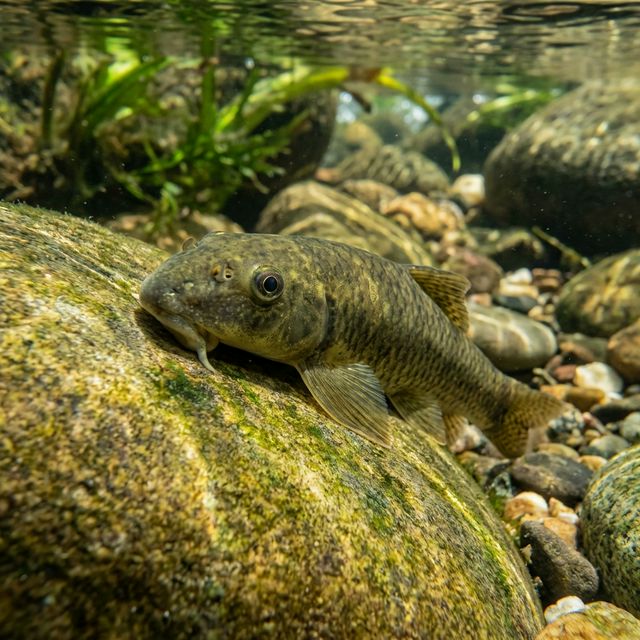
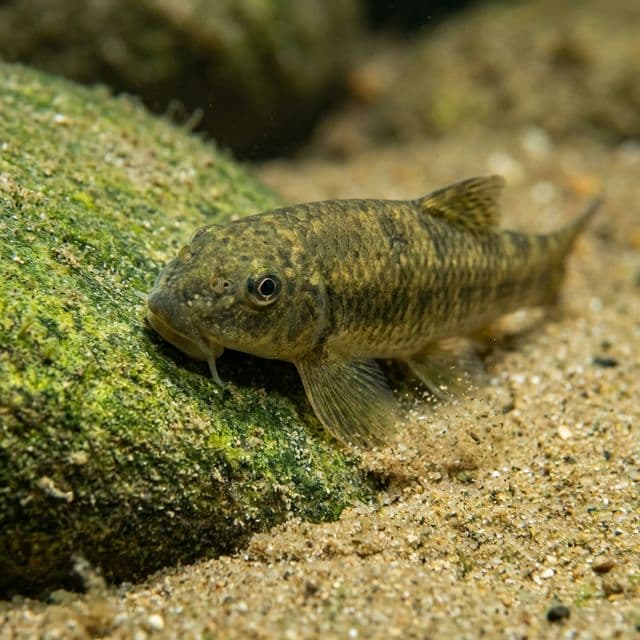
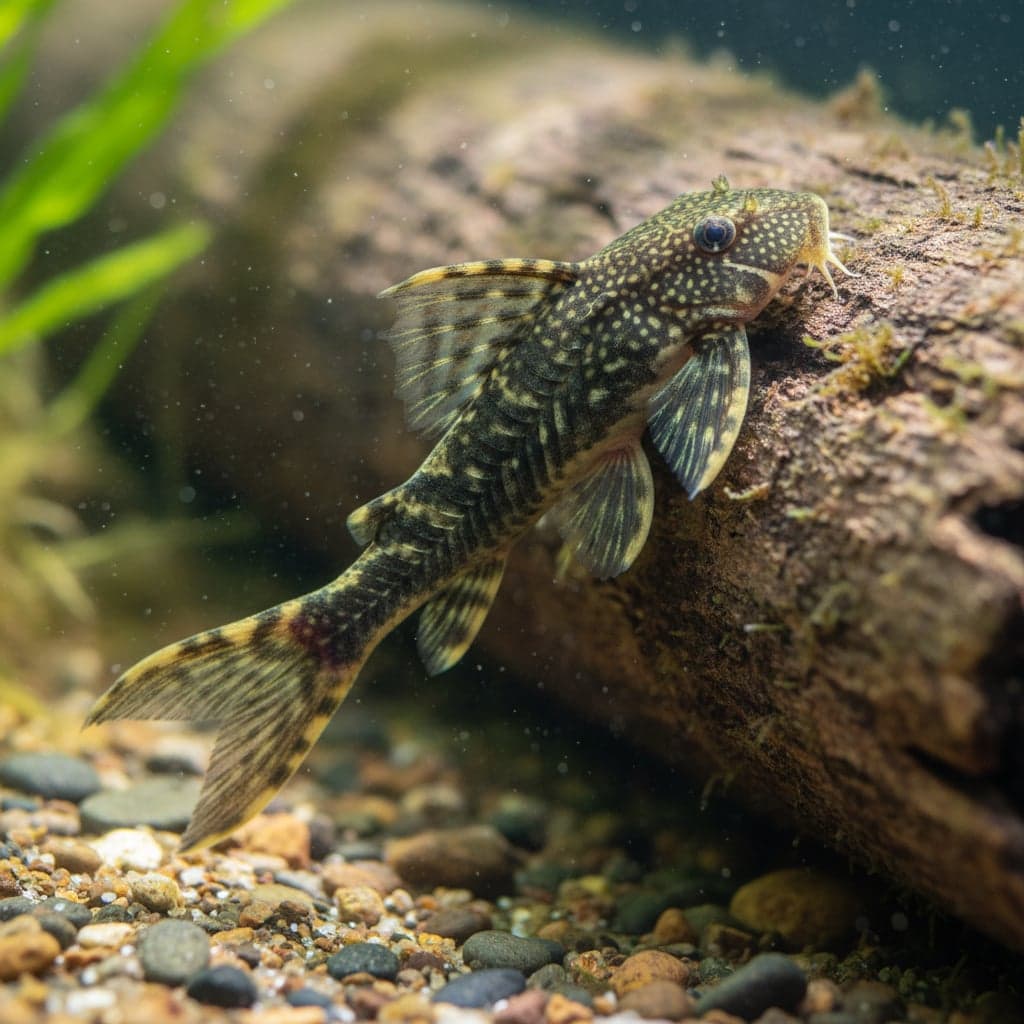
Ceylon Stone Sucker: Garra ceylonensis
An endangered algae eater from Sri Lanka. Has a unique sucker disc for holding onto rocks in fast water.
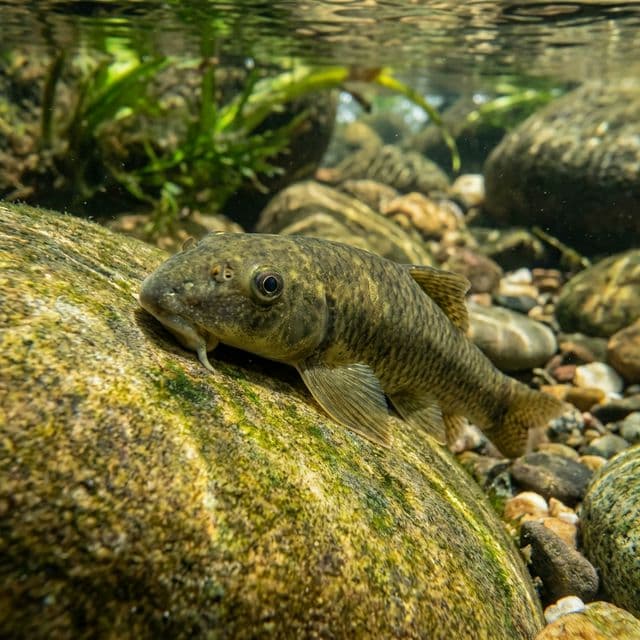
Ceylon Stone Sucker
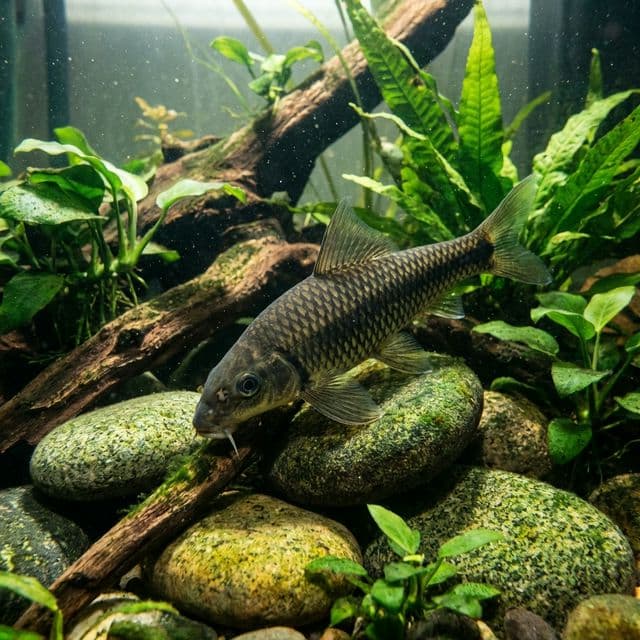
The Ceylon Stone Sucker, scientifically known as Garra ceylonensis, is a captivating freshwater fish native to the streams and rivers of Sri Lanka. This species is particularly popular among aquarists due to its distinctive appearance and interesting behaviors. With its streamlined, elongated body adorned with a beautiful palette of earthy tones—rich browns and greens—this fish not only adds aesthetic appeal to aquariums but also enhances the biodiversity of community tanks. The Ceylon Stone Sucker’s unique adaptations, which include specialized mouthparts for scraping algae from surfaces, contribute to its role as a natural algae controller, making it a valuable addition to any aquarist’s collection.
In addition to their visual charm, Ceylon Stone Suckers are renowned for their fascinating social dynamics. These fish are often seen interacting in groups, displaying a range of behaviors that highlight their intelligence and adaptability. They are known for their peaceful nature, which allows them to coexist harmoniously with a variety of other species. Their popularity in the aquarium trade underscores not only their beauty and utility but also the growing interest in biotope-themed aquariums that mimic their natural habitats.
Natural Habitat & Origin
The Ceylon Stone Sucker is endemic to Sri Lanka, primarily found in the freshwater streams and rivers across the island. These habitats are characterized by clear, flowing water rich in minerals and nutrients, which plays a crucial role in the development and health of this species. The fish thrives in environments with moderate to strong currents, where it can engage in its natural behavior of grazing on algae and organic detritus from submerged surfaces. The waters in which they live generally have low to moderate hardness, and the temperature typically ranges from 22°C to 28°C (72°F to 82°F), providing insights into their specific care requirements when maintained in an aquarium setting.
In their natural habitat, Ceylon Stone Suckers coexist with various aquatic flora and fauna, including rocks, sand, and rooted plants in their substrate. This diverse ecosystem supports their dietary needs, as they are often found in areas with abundant algae growth. Understanding this natural context helps aquarists create a suitable environment that replicates these conditions.
Care Requirements
When keeping Ceylon Stone Suckers in an aquarium, it is vital to maintain specific water parameters to ensure their health and well-being. The ideal pH range for this species is between 6.5 and 7.5, with a temperature of 22°C to 28°C (72°F to 82°F) and hardness levels of 5 to 15 dGH. A well-maintained aquarium environment will include a minimum size of 75 liters (20 gallons) to accommodate their active nature and social behavior.
For substrate, a fine sand or smooth pebble setup mimics their natural environment and allows for grazing. Including plenty of hiding spots and visual barriers using rocks, driftwood, and live plants can help to reduce stress levels. While Ceylon Stone Suckers prefer moderate lighting, providing shaded areas replicated by plants or decorations will make them feel more secure and encourage natural behaviors.
Diet & Feeding
Ceylon Stone Suckers are primarily omnivorous, making them relatively easy to feed in a home aquarium. A balanced diet should consist of high-quality flake or pellet foods specifically designed for herbivorous and omnivorous fish. Additionally, incorporating frozen or live foods such as brine shrimp, bloodworms, or daphnia can promote healthy growth and vibrant coloration. To satisfy their natural grazing instincts, it’s beneficial to provide vegetable-based options, including blanched spinach, zucchini, or algae wafers. Regularly varying their diet will not only enhance their health but also encourage playful foraging behaviors.
Behavior & Temperament
The Ceylon Stone Sucker is known for its peaceful and sociable temperament, making it an excellent candidate for community tanks. They thrive in groups of at least six individuals, which ensures they display their natural schooling behavior and reduces stress. These fish are primarily bottom dwellers and can often be observed scraping algae off rocks and surfaces at various levels within the aquarium.
While they are not aggressive, Ceylon Stone Suckers may exhibit some territoriality during feeding or when establishing dominance within the group. Providing ample space and hiding spots within the tank will help alleviate any potential conflicts, offering them areas to retreat if necessary.
Tank Mates
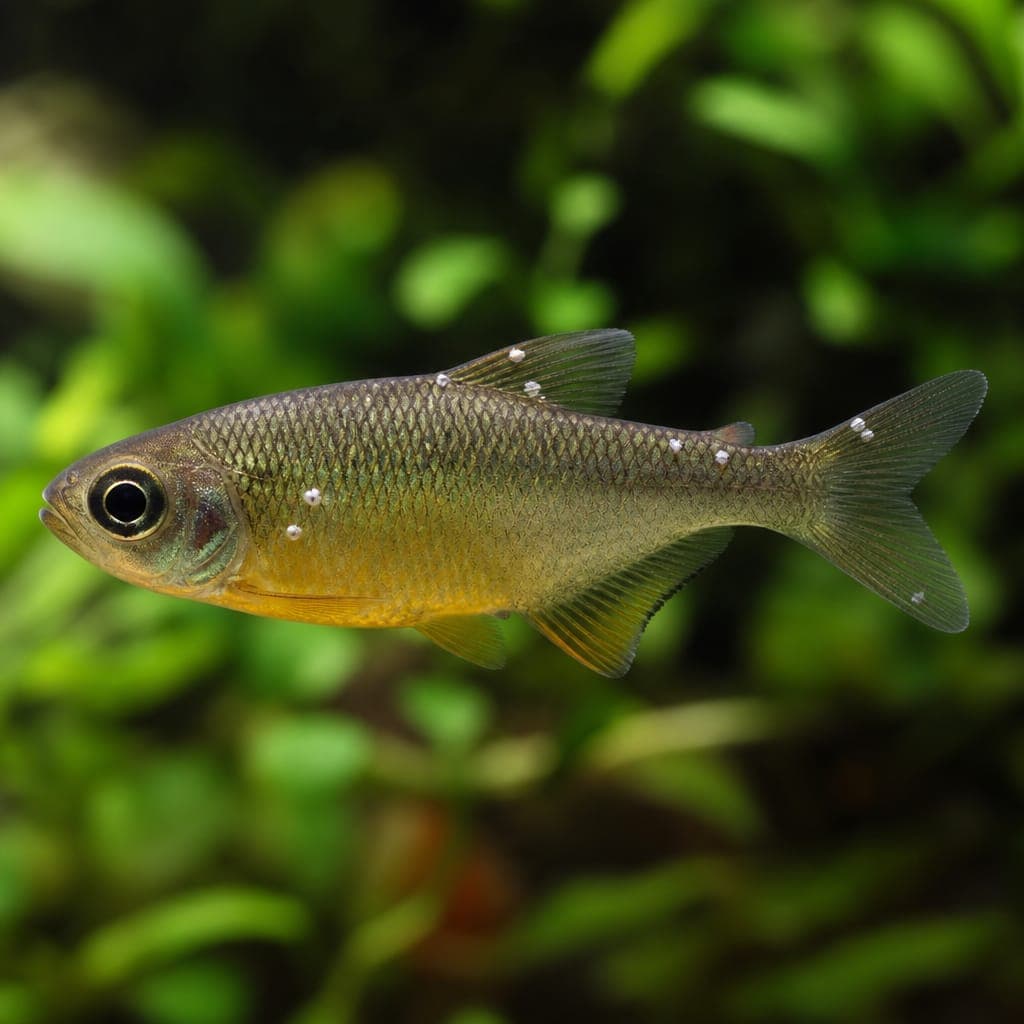
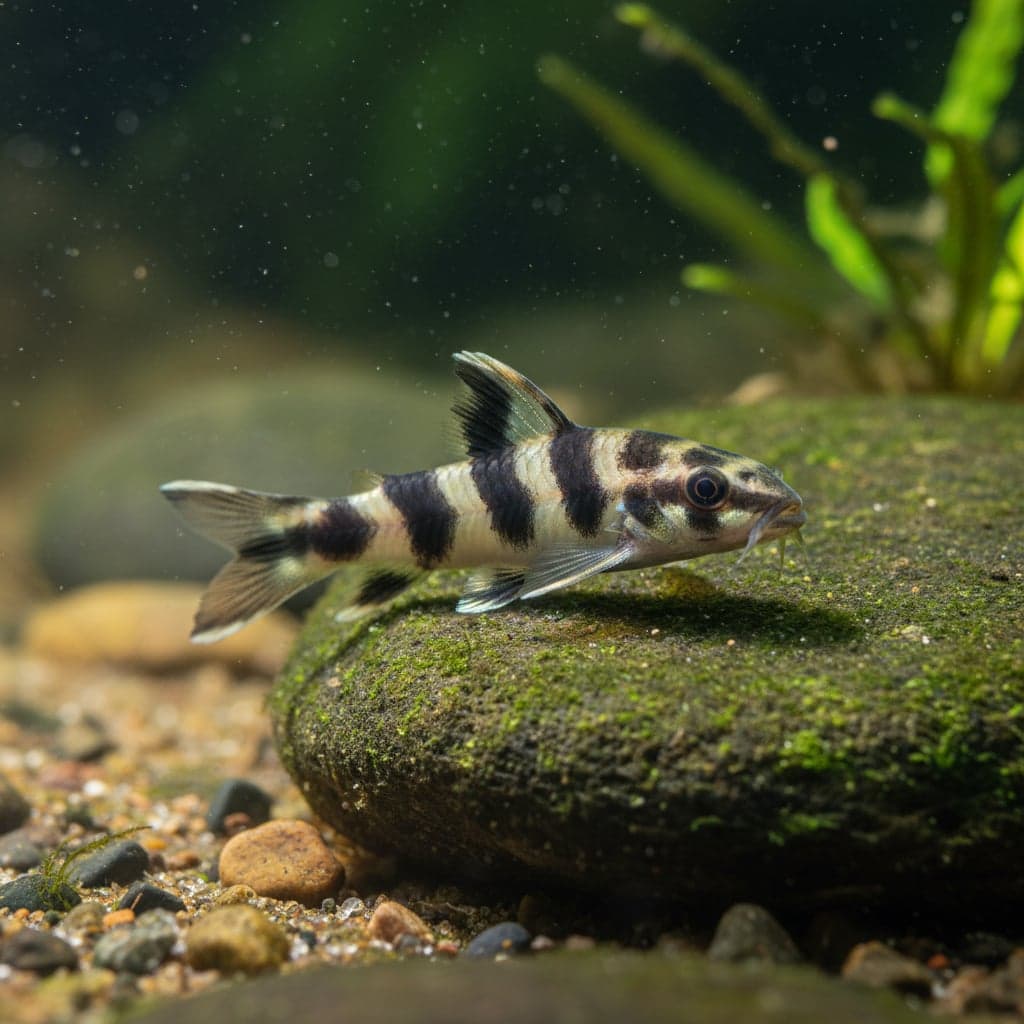
Ceylon Stone Suckers are compatible with a variety of tank mates. Ideal companions include smaller, peaceful species such as Neon Tetras, Corydoras Catfish, and Guppies. They can also coexist well with other algae-eating species, such as Otocinclus catfish and certain types of shrimp, provided that ample grazing material is available.
However, larger or aggressive species, such as Cichlids or aggressive barbs, should be avoided, as they may stress or harm the Ceylon Stone Sucker. Careful selection of compatible species is crucial in fostering a tranquil and thriving community aquarium environment.
Breeding
Breeding Ceylon Stone Suckers in captivity can be a rewarding but challenging endeavor. These fish are relatively easy to breed under the right conditions, which include providing a separate breeding tank with a gentle filter, ample hiding spots, and appropriate gravel substrate. The preferred water parameters for breeding include slightly acidic pH, a temperature of around 26°C (79°F), and well-oxygenated water to promote spawning success.
During spawning, the female Ceylon Stone Sucker will lay eggs in protective areas among rocks or plants, with males exhibiting courtship behaviors to entice females to select optimal sites. After spawning, adults should be removed from the breeding tank to prevent them from consuming the eggs. Depending on conditions, the eggs will hatch in about 3 to 5 days, and the fry will require infusoria or finely crushed flake foods until they are large enough to accept regular foods.
Common Health Issues
Ceylon Stone Suckers can be prone to common freshwater health issues, such as ich (Ichthyophthirius multifiliis) and fin rot, particularly if water quality is not maintained. To prevent these diseases, it is critical to keep up with regular tank maintenance, including water changes and substrate cleaning. Ensuring a stable environment with proper filtration and avoiding overpopulation are also key factors in preventing stress-related issues.
Monitoring for signs of distress or illness, such as changes in behavior, lack of appetite, or visible lesions on the body, can help catch issues early. If problems do arise, quarantine and appropriate treatment can help restore health, ensuring that your Ceylon Stone Suckers remain vibrant and thriving additions to your aquarium.