Chameleon Whiptail: Pseudohemiodon apithanos
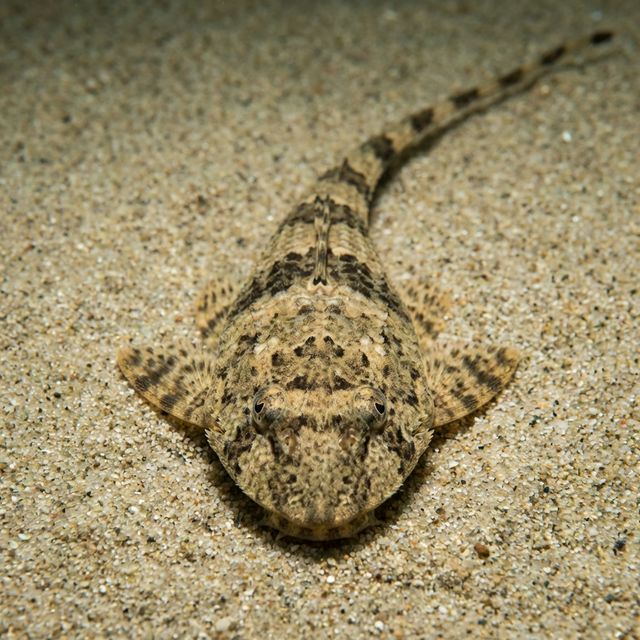
A bizarre, extremely flat catfish that changes color to blend perfectly with the sand.
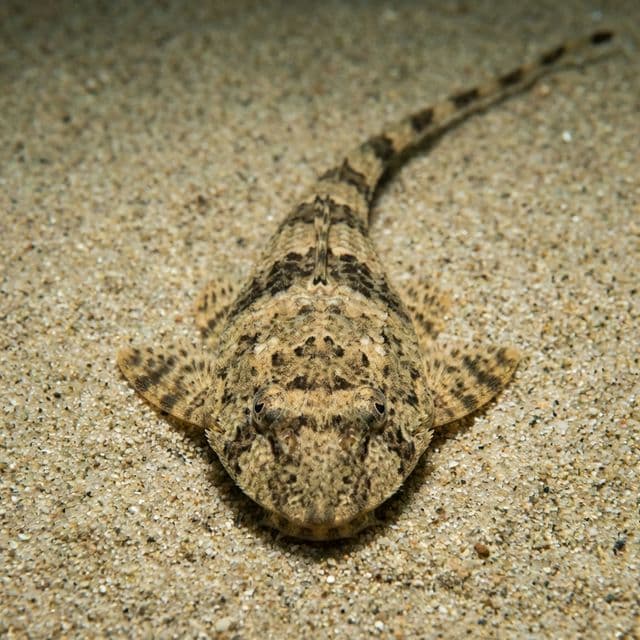
Chameleon Whiptail
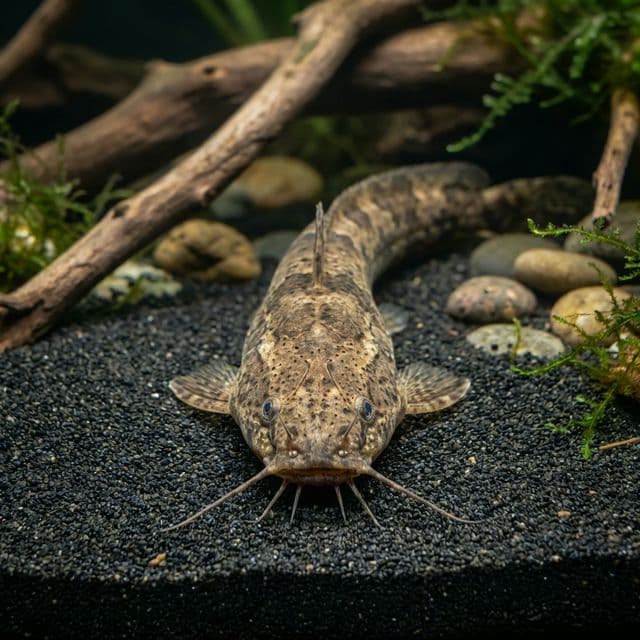
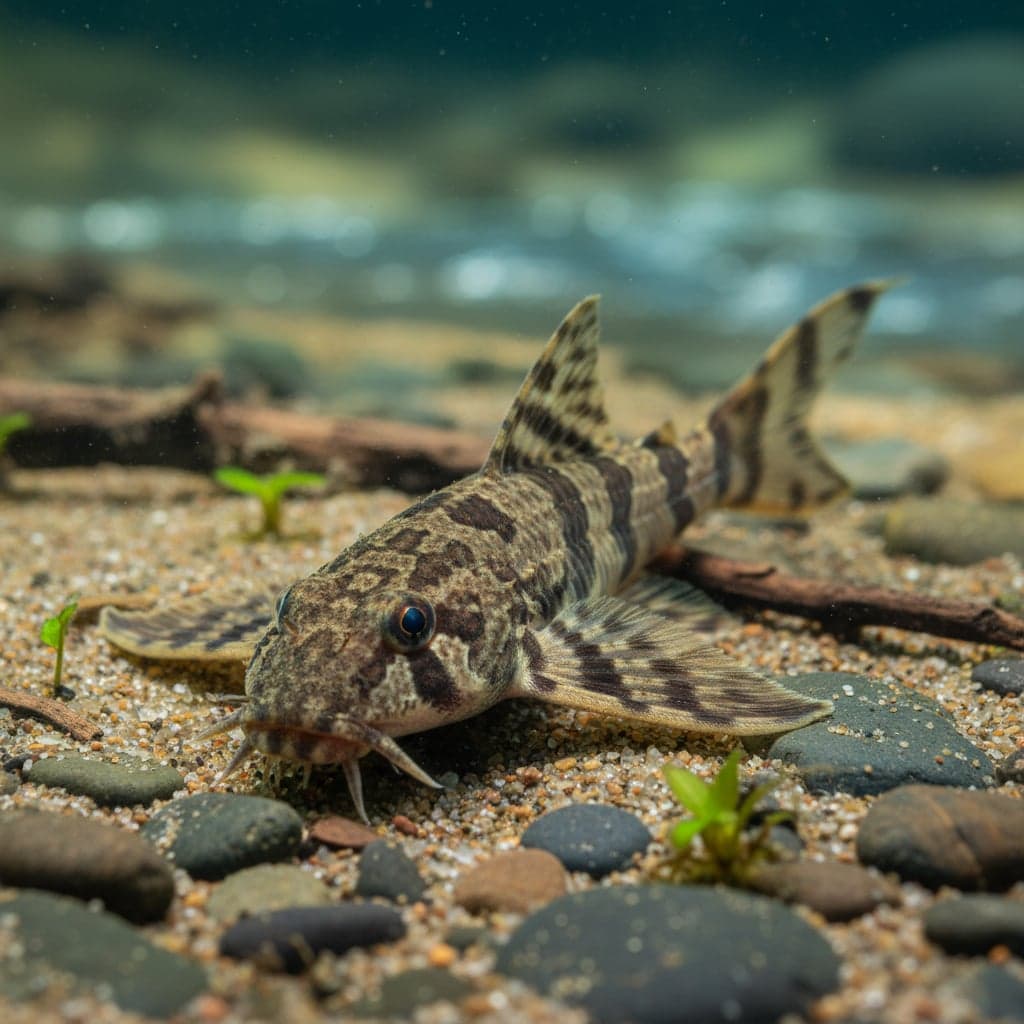
The Chameleon Whiptail, scientifically known as Pseudohemiodon apithanos, is a captivating species that has recently garnered attention in the aquarium hobby for its striking appearance and unique adaptations. This fish is characterized by its elongated body, which can feature patterns that vary from shades of green and brown to more vibrant hues resembling mottled camouflage. Its unique whiptail fin structure allows it to maneuver gracefully among the aquatic plants and substrates where it prefers to dwell, making it a visually appealing choice for aquarists who value both beauty and intrigue in their tank populations.
In addition to its visual appeal, the Chameleon Whiptail holds significance in the aquarium field due to its relatively peaceful demeanor and physiological adaptations that allow it to thrive in specific habitat types. With a penchant for sticking to the bottom of the tank and a flattened body profile, it mimics the substrate rather effectively. This species stands out not only for its aesthetic qualities but also for the ecological understanding it can provide to aquarists about the natural environments that replicate its native habitat, ultimately contributing to better conservation practices and sustainable aquatic biodiversity.
Natural Habitat & Origin
The Chameleon Whiptail originates from the slow-moving tributaries and rivers of the Amazon Basin in South America, predominantly found in countries such as Brazil and Peru. This species is typically found in waters characterized by their blackwater nature, which is darkened by decomposing plant material, utilizing tannins that lower the pH and enhance the biological richness of its ecosystem. In these environments, the Chameleon Whiptail finds shelter among fallen branches, leaf litter, and dense vegetation, providing it with both safety from predators and access to its preferred dietary resources.
The environmental context of its habitat is crucial for the health and well-being of the Chameleon Whiptail. The waters in which these fish thrive are generally soft and acidic, making it essential for aquarists to replicate similar conditions in the aquarium. The combination of warm temperatures and low light conditions in these environments fosters a thriving community of microorganisms and detritus, all of which play a significant role in sustaining the diet and natural behaviors of the Chameleon Whiptail.
Care Requirements
To create a healthy environment for the Chameleon Whiptail, specific water parameters are critical. Ideal water conditions include a pH range of 5.5 to 7.0, a temperature between 24-28°C (75-82°F), and soft water hardness ideally below 10 dGH. When setting up an aquarium, a minimum size of 75 liters (approximately 20 gallons) is recommended, allowing sufficient swimming space and territory.
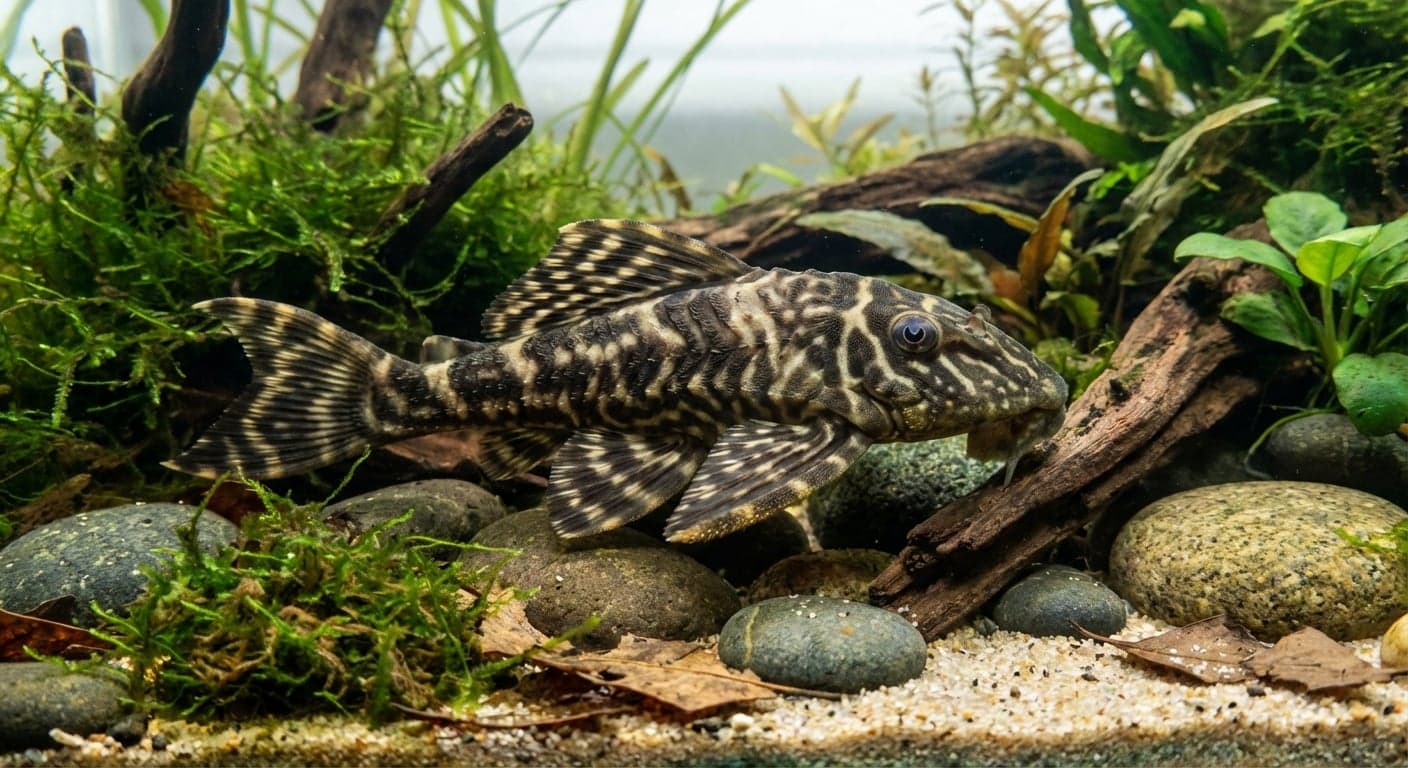
For the tank setup, utilize a soft substrate such as fine sand or small gravel to mimic its natural habitat and reduce stress on the delicate species as it forages. Incorporating plenty of hiding places with driftwood, rocks, and live plants will not only enhance the visual dynamics of the tank but also provide the necessary cover for this reclusive fish. Lighting should be subdued, as this species prefers dimly lit environments that represent its natural blackwater habitat. Floating plants like duckweed or canopy plants can aid in reducing light levels while serving as additional cover.
Diet & Feeding
The Chameleon Whiptail is primarily an omnivore, with a diet comprising both plant matter and small invertebrates. In captivity, it thrives on high-quality flake foods, but a varied diet should be provided to ensure optimal health. Feed it small pellets and wafers designed for bottom feeders, alongside occasional offerings of frozen or live foods such as bloodworms, brine shrimp, and daphnia. Incorporating blanched vegetables, like zucchini and spinach, can also enhance its diet and cater to its herbivorous tendencies. Be mindful to avoid overfeeding and provide smaller meals several times a week to mirror their natural foraging behavior.
Behavior & Temperament
In terms of behavior, the Chameleon Whiptail is known for its peaceful disposition, making it an excellent candidate for community tanks. It tends to be reclusive, preferring to hide among plants and substrate rather than swim actively in open water. This fish usually exhibits a solitary or occasionally sociable demeanor, making it best kept in groups of three to six, where they can feel secure but not overly stressed. Its schooling habits are less pronounced than species requiring a larger group for social interaction; however, having multiple individuals can encourage more natural behaviors.
When housed in an aquarium, the Chameleon Whiptail commonly occupies the lower levels, often wedging itself into crevices or resting on the substrate. This behavior can lead to occasional territorial displays but generally avoids aggression, especially if provided with enough space and hiding spots to create separate territories.
Tank Mates
Choosing compatible tank mates is essential for the well-being of the Chameleon Whiptail. Suitable companions include peaceful species such as tetras (like Neon or Ember tetras), rasboras, and corydoras catfish, which can coexist without conflict. Larger, non-aggressive fish, such as certain dwarf cichlid species, can also be harmonious tank mates. However, avoid housing the Chameleon Whiptail with overly aggressive species, such as larger cichlids or barbs, as these can impose stress and lead to territorial disputes. Additionally, avoid keeping it with very small fish that may be viewed as prey.
Breeding
Breeding the Chameleon Whiptail in captivity can be challenging yet rewarding for dedicated aquarists. These fish exhibit spawning behavior in the presence of dense vegetation, where females will lay eggs in secure nooks amongst plants or on flat surfaces within the tank. The males protect the eggs, fanning them with their fins to ensure adequate oxygenation.
To encourage successful breeding, it is essential to mimic natural conditions: maintain slightly elevated temperatures of about 28°C (82°F), provide soft water, and employ a well-planted tank setup that offers plenty of hiding spots. Remove any uneaten eggs to prevent fungal growth, as this can impact the overall success of the breeding attempt. Breeding can succeed in well-maintained tanks, but it may require patience and close attention to the environmental variables.
Common Health Issues
Like many fish species, the Chameleon Whiptail can be susceptible to several health issues, including ich (white spot disease), fin rot, and stress-related conditions. Maintaining excellent water quality is vital to help prevent these diseases; perform regular water changes and monitor parameters carefully.
Additionally, overcrowding and poor tank mates can lead to increased stress levels, making the Chameleon Whiptail more vulnerable to illness. Qutomated quarantine procedures when introducing new fish can also help reduce the risk of disease transmission. To bolster the immune system of your Chameleon Whiptail, consider incorporating high-quality foods and occasionally adding vitamins to their diet. Regular monitoring of your fish's behavior and physical condition is crucial in catching any potential health issues before they become serious.