The Cherry Shrimp: Neocaridina davidi
The most popular freshwater shrimp. Bright red, easy to breed, and perfect for planted nano tanks—Cherry Shrimp bring color and utility to every setup.
Also known as: red cherry shrimp · Neocaridina davidi
Cherry Shrimp
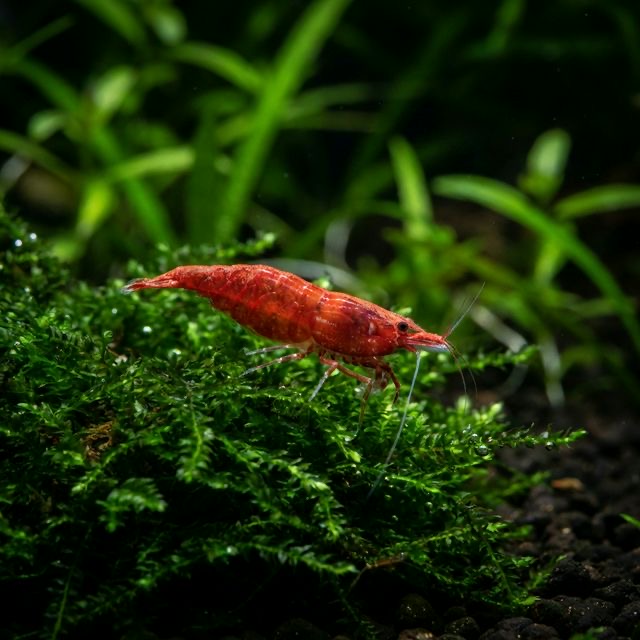
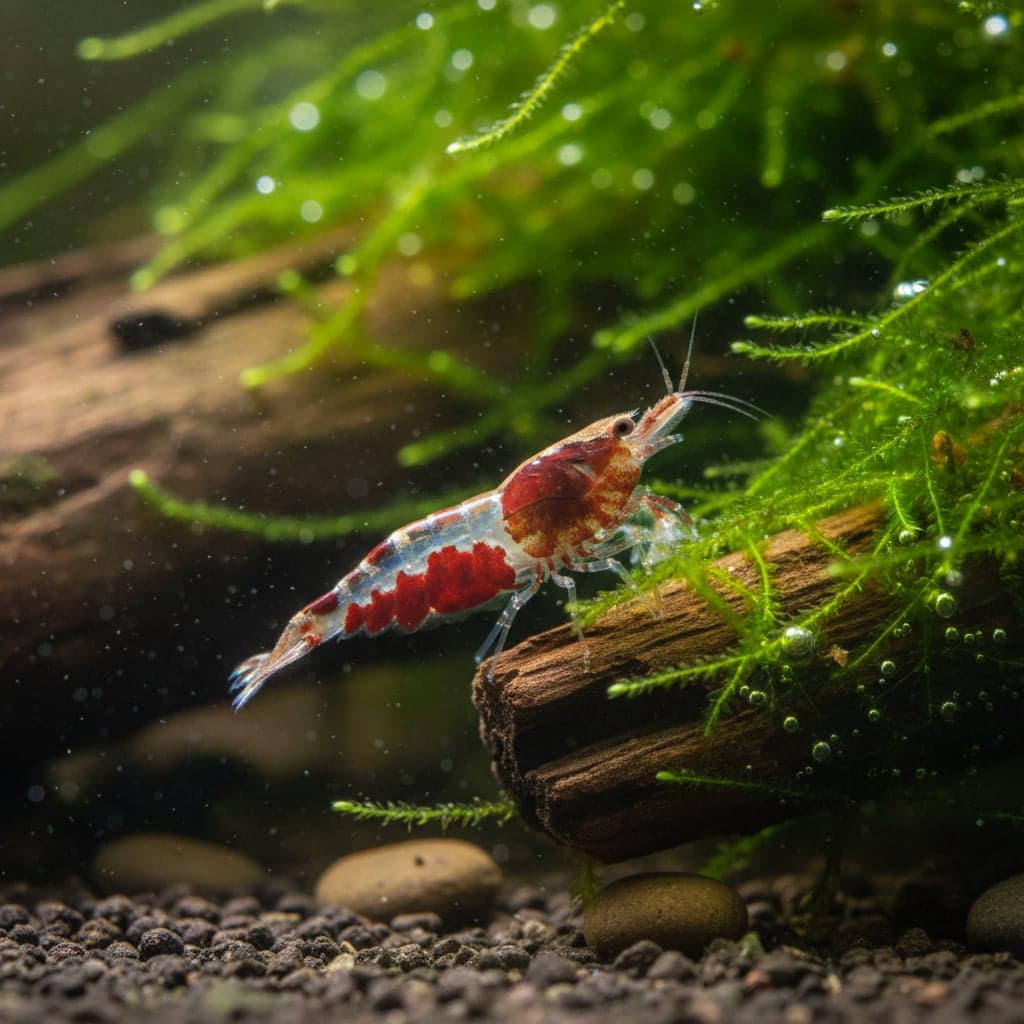
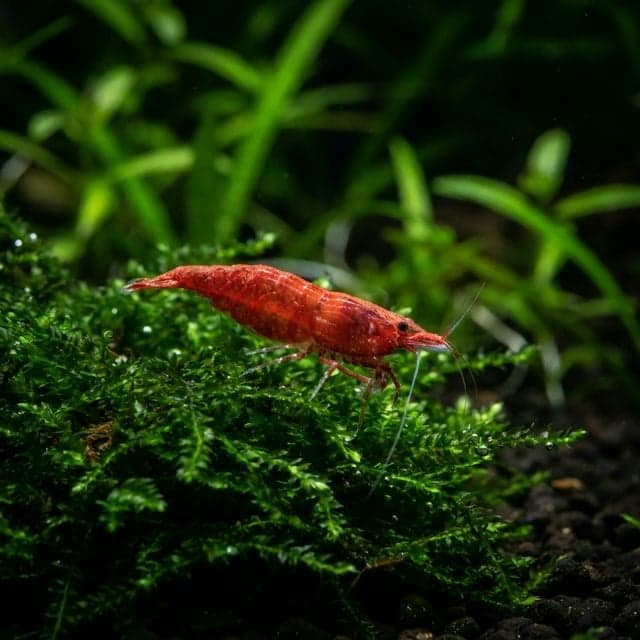
The Cherry Shrimp (Neocaridina davidi) has become one of the most popular freshwater invertebrates in the aquarium hobby due to its vibrant coloration and ease of care. This small shrimp, typically growing to about 2-3 cm in length, showcases a stunning range of hues from bright red to deep orange, which can vary based on their environment and diet. The visual appeal of Cherry Shrimp lies not just in their colors, but also in their lively movements and charming behaviors, making them a delightful centerpiece in aquascapes. Their presence adds sparkle and life, enhancing the aesthetic of any aquarium setup.
In addition to their appeal, Cherry Shrimp hold significant ecological importance within the aquarium ecosystem. As scavengers, they play a vital role in maintaining water quality by consuming algae, decaying plant matter, and leftover food. Their gentle disposition and beneficial contributions to tank cleanliness make them an ideal choice for both beginner aquarists and seasoned hobbyists looking to create a balanced aquatic environment.
Natural Habitat & Origin
Cherry Shrimp originate from the freshwater rivers and streams of Taiwan, where they thrive in warm, slow-moving waters that are rich in natural vegetation. This habitat typically consists of densely planted areas where they can find shelter and forage for food. The water in these environments is characterized by its clear, soft nature, with slight acidity, leading to a pH range of 6.5 to 7.5. The soft, mineral-rich substrates combined with a moderately high level of dissolved organic matter create an ideal setting for these shrimp to flourish.
In their native regions, Cherry Shrimp are often found in both canopy-covered areas turbid from surrounding detritus, making them well-adapted to utilize various types of cover while ensuring their survival against predators. This natural habitat is crucial to understanding how to care for them in captivity, as replicating their environmental conditions contributes to their health and well-being.
Care Requirements
To successfully keep Cherry Shrimp, it's essential to provide a suitable environment that mimics their natural habitat. The recommended tank size is at least 10 gallons, as smaller tanks can quickly become unstable in terms of water parameters. The water temperature should be maintained between 70°F to 80°F (21°C to 27°C), with a general hardness of 4 to 8 dGH and a pH level of 6.5 to 8.0. Utilizing a sponge filter can promote gentle water movement that is favorable for these shrimp.
For substrate, a fine gravel or sand substrate mimics what they would find in the wild, allowing them to forage effectively. Incorporating live plants is not only aesthetically pleasing but also provides them with hiding spots and algae to graze upon. Low to moderate lighting is ideal, as it supports plant growth while providing a comfortable environment for the Cherry Shrimp. Adding decorations such as driftwood and rocks can also create a more natural habitat.
Diet & Feeding
Cherry Shrimp are omnivores, which means they thrive on a varied diet consisting of both plant matter and protein sources. A staple diet can include high-quality shrimp pellets or flakes specifically designed for freshwater shrimp. It’s crucial to offer food that contains spirulina and other natural algae, as this not only promotes color vibrancy but also supports their overall health.
Additionally, supplementing their diet with blanched vegetables such as zucchini, spinach, or cucumber will provide the necessary nutrients and variety they require. In moderation, you can also introduce frozen or live foods, such as brine shrimp or daphnia, to enhance their diet and stimulate breeding behaviors.
Behavior & Temperament
Cherry Shrimp are known for their peaceful and social behavior, making them an excellent choice for community tanks. They do not exhibit aggressive tendencies and are typically found scavenging along the substrate or among plants. Despite their small size, Cherry Shrimp are quite active and can often be seen climbing on rocks, plants, and tank decorations. They are best kept in groups of at least six, as they thrive in the company of their kind.
In terms of vertical placement, Cherry Shrimp can often be seen occupying various levels within the aquarium but tend to stay nearer to the substrate. This behavior enables them to effectively forage for food and seek shelter, thus forming a more natural environment.
Tank Mates
Choosing the right tank mates for Cherry Shrimp is crucial to their well-being. Compatible species include small, peaceful fish like Neon Tetras, Rasboras, and Guppies, while many smaller species of snail, such as Nerite or Malaysian Trumpet snails, can also coexist harmoniously. Additionally, non-aggressive dwarf species such as the Endler's Livebearer are ideal companions.
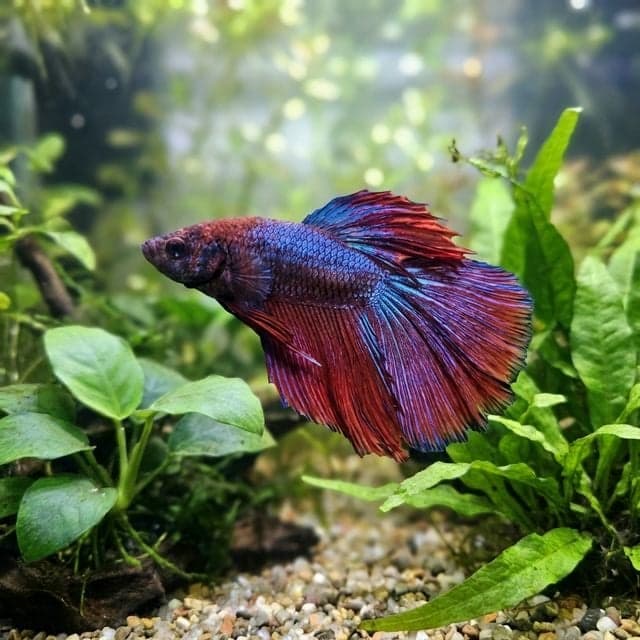
Species to avoid include larger or more aggressive fish, as they may see Cherry Shrimp as food. This includes cichlids, bettas, and any predatory species that could harm or eat the shrimp. Furthermore, avoid keeping them with other species known for fin-nipping or aggressive behavior, as stress can significantly affect the health of Cherry Shrimp.
Breeding
Cherry Shrimp are relatively easy to breed in captivity, given the right conditions. They display a form of direct development, meaning that they carry eggs in their ovaries until they are ready to hatch. Ideal conditions for breeding include stable water parameters within the aforementioned pH and temperature ranges, along with ample hiding spaces provided by plants and decorations.
To encourage spawning, ensure that the females are well-fed and healthy, often indicated by their more pronounced coloration and a noticeable "berried" appearance when carrying eggs. After a successful mating, the eggs will hatch in approximately 30 days, producing mini shrimp that resemble adults and are capable of foraging immediately.
Common Health Issues
Cherry Shrimp are generally hardy, but they can be susceptible to certain health issues. Common concerns include bacterial infections, shell rot, and molting problems, often linked to poor water quality or stress. To prevent these issues, regular maintenance is key—perform partial water changes and monitor water parameters to maintain stability.
Another common problem is the development of algae on their shells or in the tank. A balanced diet, combined with the introduction of algae-eating species, can help manage this issue. Lastly, introducing new tank mates should be done gradually to minimize stress and ensure the health and longevity of your Cherry Shrimp.