The Chocolate Gourami: Sphaerichthys osphromenoides
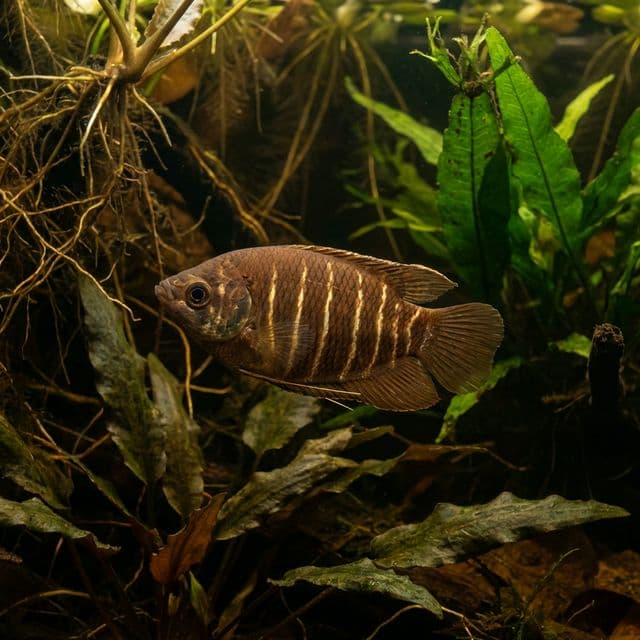
A challenge for the connoisseur. A small, delicate gourami with a chocolate-brown body and gold bands. Requires specialized care and pristine water.
Chocolate Gourami
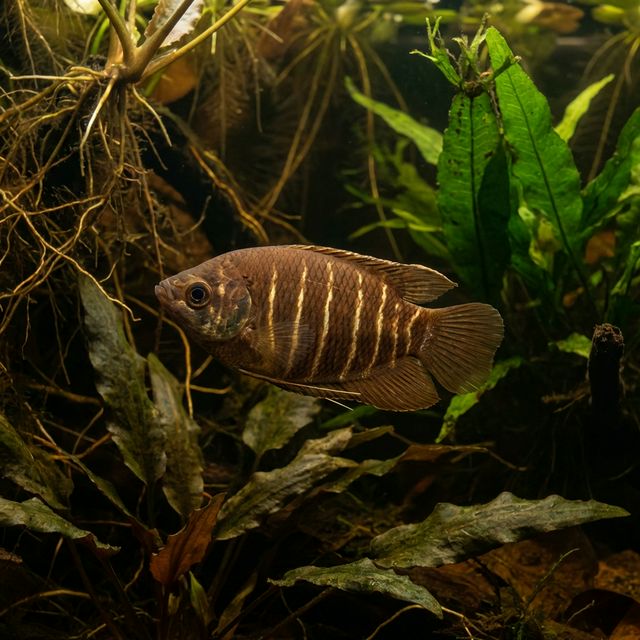
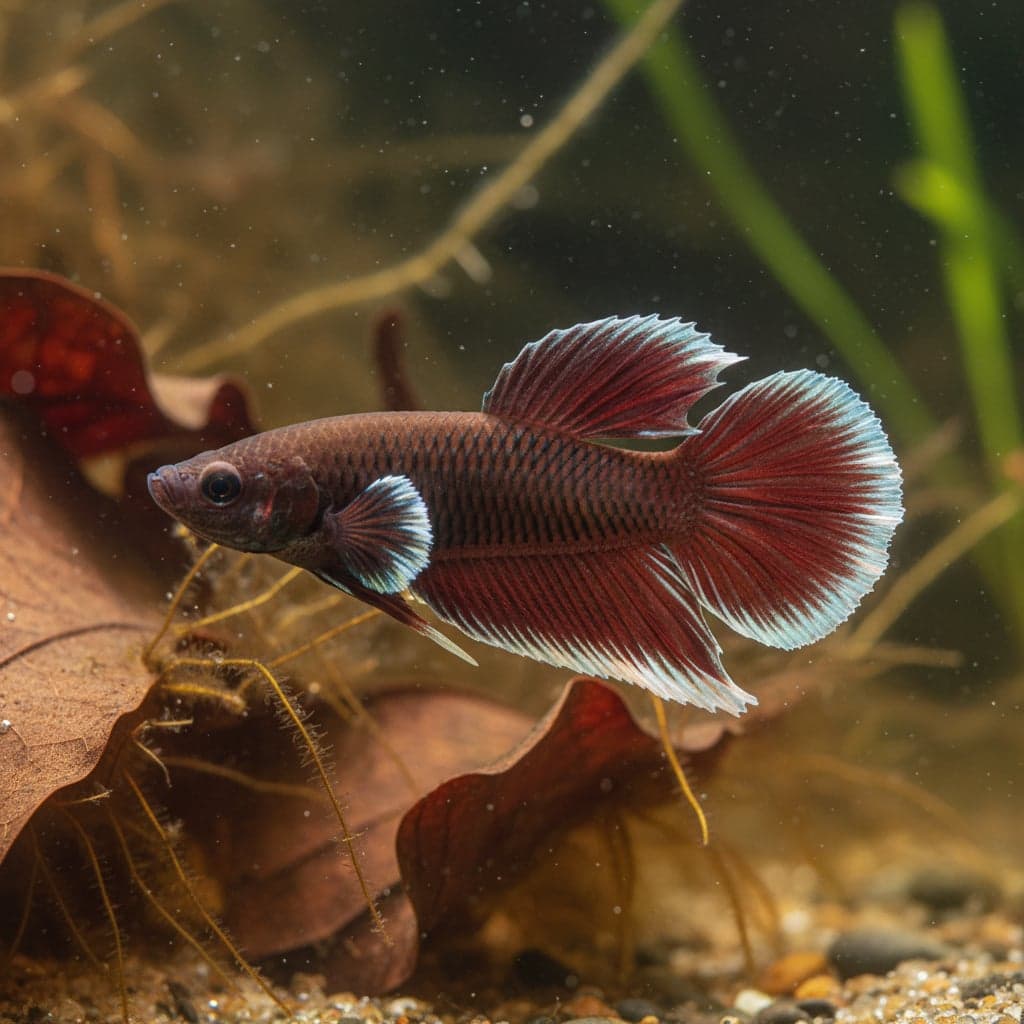
The Chocolate Gourami (Sphaerichthys osphromenoides) is a captivating freshwater fish that has garnered significant attention in the aquarium hobby due to its striking appearance and unique behavioral characteristics. With its stunning chocolate-brown body marked by delicate, iridescent spots that shimmer under light, this small fish is often celebrated for its aesthetic allure. The combination of its soft, rounded fins and tranquil demeanor creates a harmonious presence within community aquariums, making it a favorite for aquarists seeking both beauty and peaceful interactions among tank inhabitants.
Beyond its visual appeal, the Chocolate Gourami holds a special place in the aquarium community due to its distinctive attributes and relatability to its natural habitat. As a labyrinth fish, it possesses the ability to breathe atmospheric air, which adds a layer of resilience to its care requirements. Its prevalence in the aquatic trade is a testament to its charm and adaptability, making it an excellent addition to both beginner and advanced aquarist's collections. Understanding the needs and behavior of the Chocolate Gourami can enlighten enthusiasts and foster a deeper appreciation for this unique species.
Natural Habitat & Origin
Chocolate Gouramis are native to Southeast Asia, specifically found in the blackwater rivers, streams, and swamps of regions such as Borneo and Sumatra. Their natural habitat consists of slow-moving waters that are often stained dark by the presence of tannins from decomposing plant material. These conditions create an environment with low lighting and reduced visibility, which is conducive to the shy and reclusive nature of the Chocolate Gourami. The intricate interplay of floating plants, submerged roots, and leaf litter in these habitats provides essential cover and feeding grounds, allowing these fish to thrive in their native settings.
The blackwater environments in which Chocolate Gouramis flourish are characterized by soft, acidic waters, with low nutrient levels that contribute to a delicate ecological balance. These fish are adapted to thrive in such conditions, which further emphasizes the importance of recreating a similar environment in captivity for optimal health and wellbeing.
Care Requirements
To successfully keep Chocolate Gouramis, it is vital to provide water parameters that closely mimic their natural habitat. Optimal conditions include a pH range of 5.5 to 7.0, a temperature spectrum of 75°F to 82°F (24°C to 28°C), and water hardness ranging from 1 to 8 dGH. It is also crucial to maintain water quality through regular monitoring and partial water changes, which help prevent the accumulation of harmful substances.
In terms of tank setup, a minimum aquarium size of 20 gallons is recommended, as this allows for adequate swimming space and facilitates the establishment of territories. The substrate should consist of fine gravel or sand to emulate natural conditions, while soft, subdued lighting enhances their habitat's ambiance. Live plants such as Java moss, Anubias, and floating vegetation not only provide cover but also contribute essential oxygenation. Lastly, incorporating driftwood and leaf litter can create hiding spots, allowing the Chocolate Gourami to feel secure in its environment.
Diet & Feeding
The Chocolate Gourami is an omnivorous species, with a diet that consists largely of small invertebrates, zooplankton, and detritus in the wild. In captivity, they readily accept a varied diet, which is crucial for maintaining their health and vibrancy. High-quality flakes or pellets designed for small tropical fish can serve as a staple, but to ensure optimal nutrition, they should also be offered live or frozen foods such as brine shrimp, daphnia, and bloodworms. Incorporating occasional vegetable matter, such as blanched spinach or spirulina, can diversify their diet and promote overall health. Feeding should be done in moderation, offering small amounts multiple times a day rather than one large feeding.
Behavior & Temperament
Chocolate Gouramis exhibit a docile and peaceful temperament, making them ideal candidates for community tanks. These fish thrive best in small groups of three to six, as they are naturally social and prefer the company of their own kind. While they are generally non-aggressive, it is essential to monitor their interactions, as males may display territorial behavior during mating or when feeling threatened. Interestingly, Chocolate Gouramis tend to occupy the mid to upper levels of the aquarium, utilizing submerged plants and decorations for cover while exploring their environment.
In terms of their social structure, it is worth noting that Chocolate Gouramis can be skittish, particularly in brightly lit or open spaces. Providing ample hiding spots and dimmer lighting will help reduce stress and allow them to exhibit more natural behaviors. Keeping compatible tank mates can further enhance their confidence and encourage a more active lifestyle.
Tank Mates
Selecting appropriate tank mates for the Chocolate Gourami is crucial to maintaining harmony within the aquarium. Compatible species include peaceful, small freshwater fish such as tetras (e.g., Neon or Ember Tetras), rasboras, and other labyrinth fish like Betta fish (preferably carefully selected females). Other suitable companions include small corydoras and peaceful dwarf shrimp, which can thrive alongside Chocolate Gourami without posing threats to one another's wellbeing.
However, it is advisable to avoid aggressive or territorial fish, such as cichlids or large barbs, which can cause stress or aggression toward the Chocolate Gourami. Additionally, larger, fast-swimming species may outcompete them for food, leading to further health complications. An ideal community tank allows for a peaceful coexistence, providing both comfort and a sustainable environment for all inhabitants.
Breeding
Breeding Chocolate Gouramis in captivity can be rewarding but requires specific conditions to encourage spawning behavior. They are bubble-nest builders, with males taking the lead in constructing a nest at the water's surface using air bubbles and plant material. To initiate breeding, water conditions need to be optimal, with slightly acidic pH levels (around 6.0) and a stable temperature between 78°F and 80°F (26°C to 27°C).
Creating a breeding setup allows for privacy and security—this can be achieved by setting up a separate breeding tank with floating plants to offer cover. Once the male has built a nest, he will court the female, encouraging her to lay eggs—usually a few dozen to over a hundred at a time. Following fertilization, the male will guard and tend to the eggs until they hatch, which typically occurs within 24 to 48 hours. After hatching, it is crucial to remove the female from the breeding tank to allow the male to focus on caring for the fry.
Common Health Issues
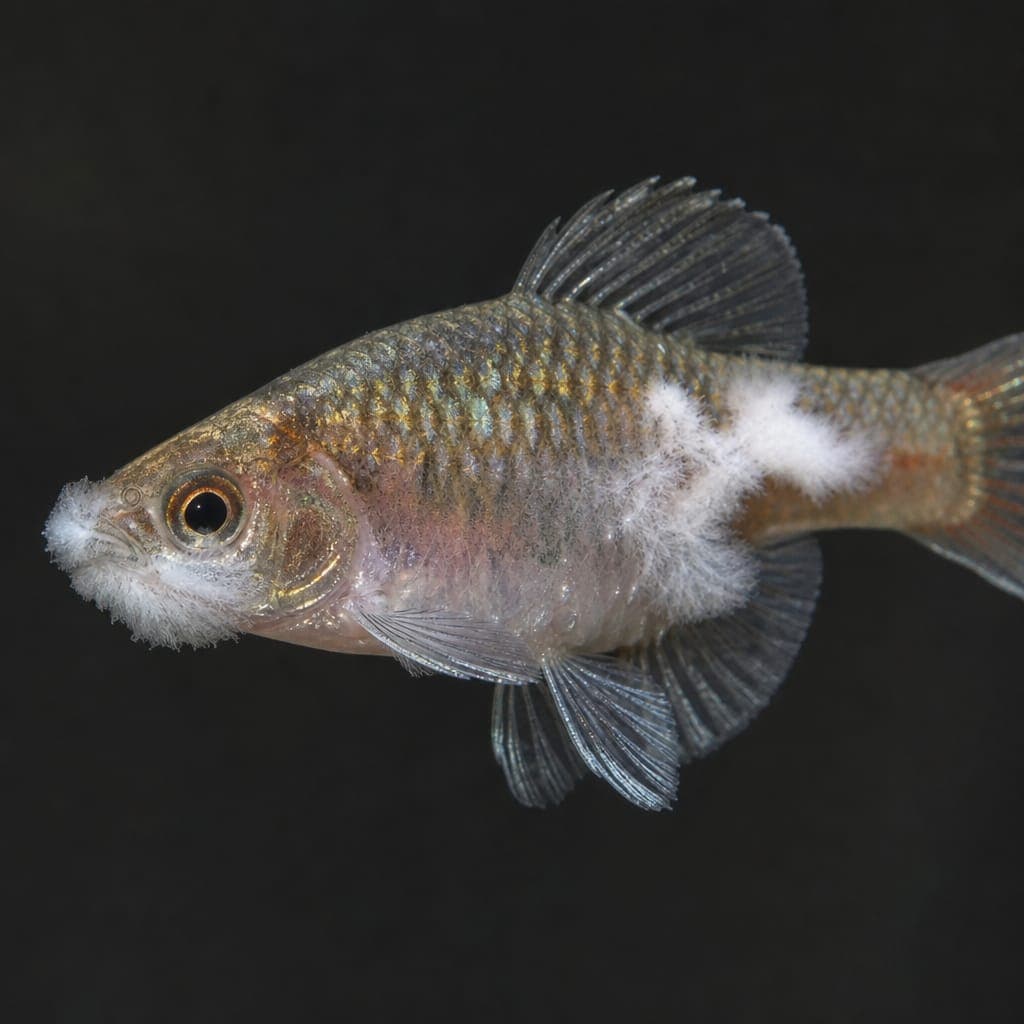
Chocolate Gouramis, like many fish species, may be prone to various health issues, particularly in poorly maintained aquariums. Common ailments include ich (white spot disease), fin rot, and fungal infections. To minimize the risk of disease, it is important to maintain good water quality through regular testing and adjustments, as well as performing routine water changes. Quarantining new arrivals before introducing them to the main tank is also crucial to prevent the spread of diseases.
Moreover, ensuring a balanced diet and proper tank conditions can bolster their immune systems and overall health. In case of any signs of distress or illness, early intervention is key—treating any issues promptly and appropriately based on the specific ailment can significantly improve the prognosis for affected Chocolate Gouramis. Regular monitoring of their behavior and appearance will provide aquarists with valuable insights into their well-being and allow problems to be addressed before they become severe. Quarantine new arrivals, keep soft acidic water stable, and avoid overcrowding these shy labyrinth fish. A varied diet and gentle filtration further reduce stress. Watch for white spots, frayed fins, clamped fins, or loss of appetite, and treat promptly. With consistent care and peaceful tank mates, Chocolate Gouramis stay healthy and display their subtle beauty for years in a quiet planted aquarium.