Chocolate Talking Catfish: Acanthodoras cataphractus
A spiny catfish that produces clicking sounds when handled. Nocturnal and armoured.
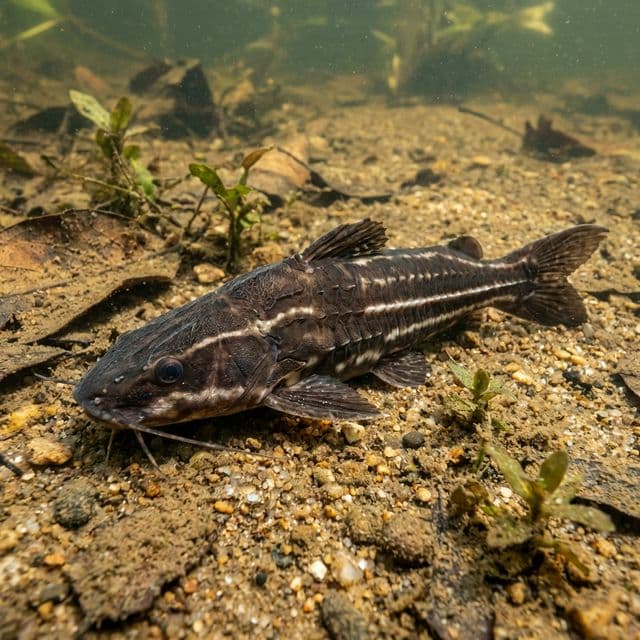
Chocolate Talking Catfish
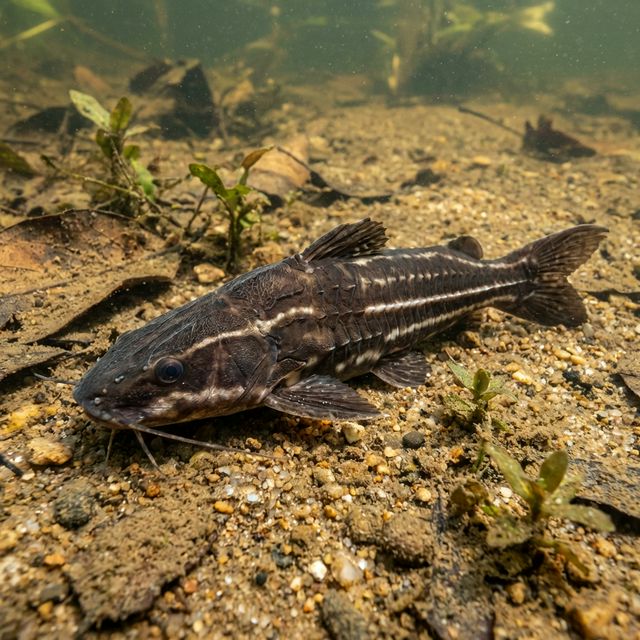
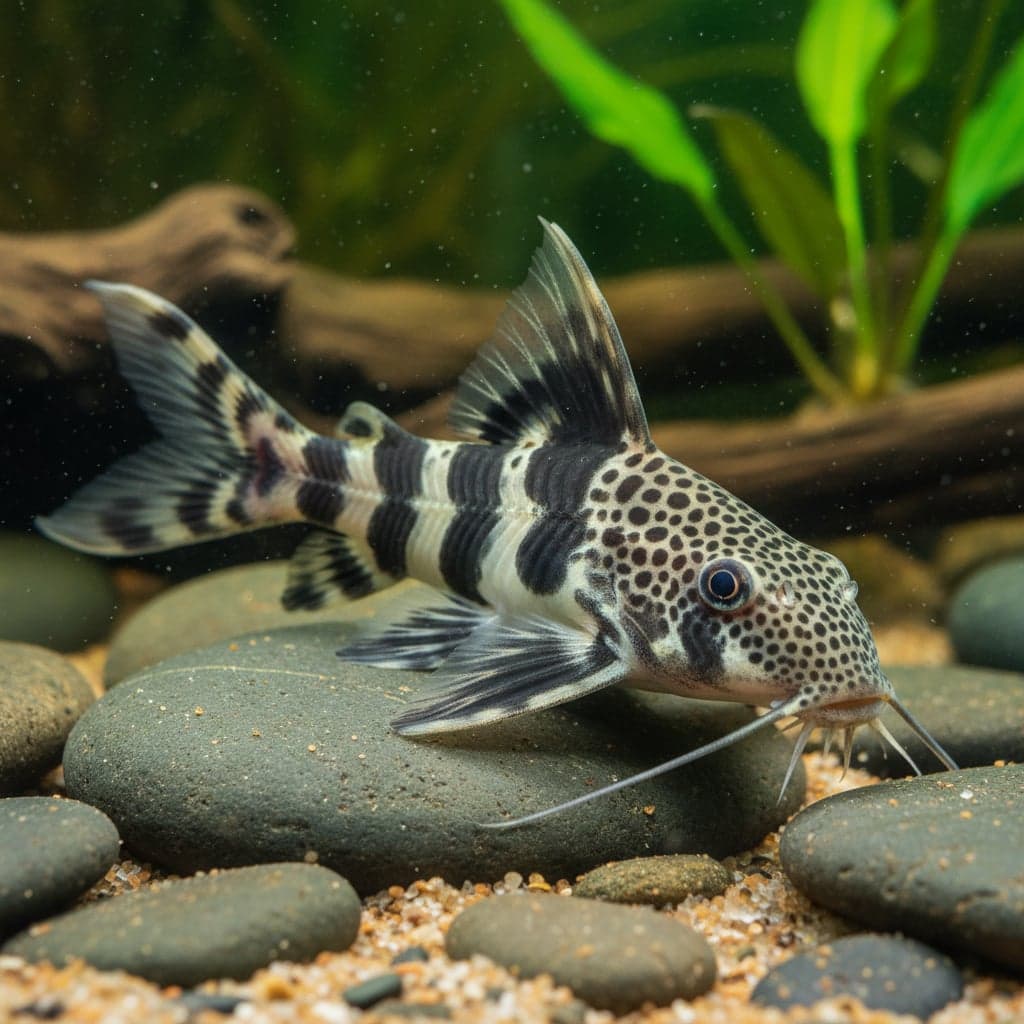
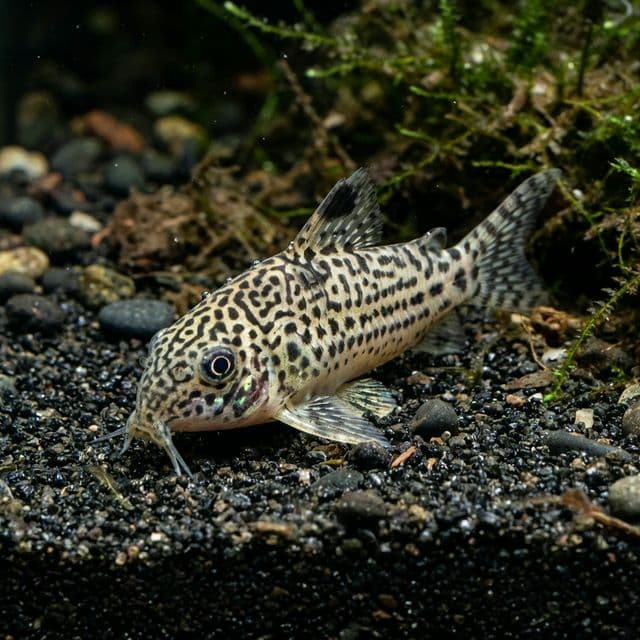
The Chocolate Talking Catfish, scientifically known as Acanthodoras cataphractus, is a captivating species appreciated widely within the aquarium hobby. This freshwater fish is easily recognized by its unique coloration, featuring a mottled pattern of deep browns and dark greens that resemble melted chocolate—hence its charming name. Its elongated, flattened body and distinctive whisker-like barbels add to its visual appeal, while its slight, almost comical expression enhances its charm. As an aquarium inhabitant, the Chocolate Talking Catfish is not only aesthetically pleasing but also a natural scavenger, helping maintain the cleanliness of the tank by consuming uneaten food and detritus.
In addition to its attractive looks, the Chocolate Talking Catfish holds significant importance within the aquarium community. Known for its intriguing behaviors, this catfish communicates with its tank mates through a series of clicks and popping sounds, revealing its unique vocal capabilities. Its docile nature and adaptability make it suitable for a variety of aquarium setups, ranging from novice to experienced aquarists. The Chocolate Talking Catfish has also become popular in aquascaping due to its penchant for exploring bottom spaces and adding a lively dynamic to community aquariums.
Natural Habitat & Origin
The Chocolate Talking Catfish is native to the freshwater rivers and streams of South America, particularly in the Amazon Basin region of countries such as Brazil and Peru. This area is characterized by its blackwater habitats, where the water is stained dark from decaying organic material, creating an acidic environment. The Chocolate Talking Catfish prefers slow-moving waters with plenty of hiding spots such as submerged logs, leaf litter, and dense vegetation. These environmental factors play a crucial role in the fish's development, influencing its behavior, dietary preferences, and overall health in captivity.
In its natural habitat, the Chocolate Talking Catfish thrives in waters that maintain stable, warm temperatures generally between 24°C and 28°C (75°F to 82°F) with a pH level ranging from 6.0 to 7.5. This provides insights into the conditions necessary for aquarists striving to replicate its natural environment. The combination of gentle water flow and abundant cover fosters a sense of security and encourages more natural behaviors in this intriguing species.
Care Requirements
To provide a proper habitat for the Chocolate Talking Catfish, attention must be paid to its specific care requirements. A minimum tank size of 75 gallons is recommended, as this species thrives in larger spaces where it can swim and explore. The substrate should consist of soft materials like sand or fine gravel to protect its sensitive barbels. Creating a natural environment is essential; incorporating driftwood, rocks, and live plants not only enhances aesthetics but also gives the fish ample hiding spots. Lighting should be moderate, as subdued lighting helps mimic its natural habitat and reduces stress levels.
Water parameters are crucial for the well-being of the Chocolate Talking Catfish. An ideal temperature range is between 24°C and 28°C (75°F to 82°F), while pH should be maintained between 6.0 and 7.5. The hardness of the water should generally be between 3 to 15 dGH. Regular water changes and effective filtration are vital to maintaining a stable environment, ensuring that the catfish can thrive in optimal conditions.
Diet & Feeding
The Chocolate Talking Catfish is an omnivorous species that thrives on a varied diet. It typically feeds on a combination of high-quality flakes, sinking pellets, and frozen or live foods to ensure it receives a balanced nutritional profile. This fish is particularly fond of protein-rich foods, such as bloodworms, brine shrimp, and daphnia, which can enhance its coloration and overall health. Offering algae wafers can also benefit the Chocolate Talking Catfish, as these supplements can encourage natural grazing behaviors.
To maintain ideal health, it is essential to provide a varied diet that mimics its diverse natural feeding habits. Feeding should be done 2-3 times a day, ensuring that uneaten food is promptly removed to prevent water quality issues. Observing the fish during feeding can also help aquarists gauge its preferences and adjust its diet accordingly.
Behavior & Temperament
In terms of social behavior, the Chocolate Talking Catfish is generally characterized by its peaceful nature and non-aggressive temperament. It is best kept in groups of three or more to prevent loneliness and to encourage its playful interactions. This fish tends to occupy the bottom layers of the tank, often seeking refuge among decorations or substrate, but it may occasionally venture into the midwater realm, especially during feeding time.
While the Chocolate Talking Catfish is largely non-aggressive, it can exhibit territorial behavior when housed with other bottom-dwellers. Providing ample space and hiding spots can mitigate potential conflicts. Observationally, the fish communicates through a series of clicks vocalized using its swim bladder, adding an interesting auditory dimension to its presence in the aquarium.
Tank Mates
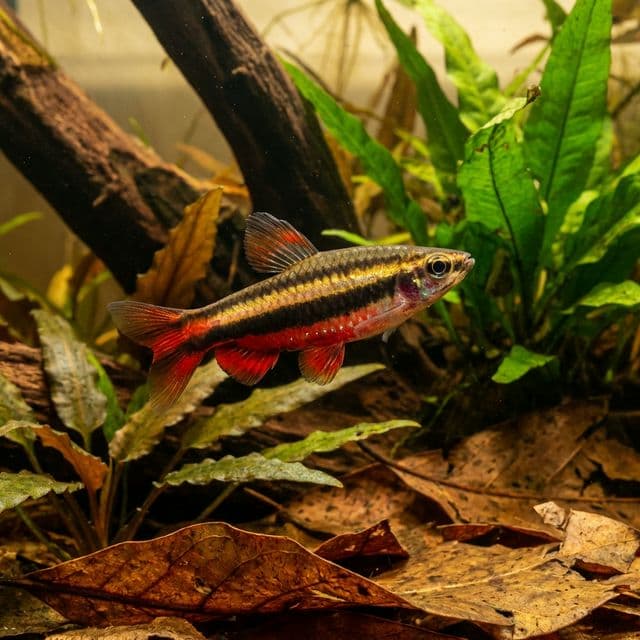
Choosing compatible tank mates for the Chocolate Talking Catfish is crucial for a harmonious aquarium setting. Preferred companions include peaceful community fish such as tetras, rasboras, danios, and loaches. These species share similar habitat preferences and behavioral traits, creating a balanced environment. It is advisable to avoid aggressive or overly territorial fish species, such as cichlids, since they might stress the peaceful catfish or compete for space and food.
Additionally, larger fish with calm dispositions can coexist with the Chocolate Talking Catfish, provided that they do not view the catfish as prey. Maintaining a well-planned community aquarium with appropriate tank mates enhances the overall aesthetic and promotes a healthier environment for all species involved.
Breeding
Breeding the Chocolate Talking Catfish in captivity can be challenging due to its specific requirements. Spawning is initiated through the provision of optimal conditions, which include slightly increased water temperatures and a modest flow of water. Breeding typically occurs during the rainy season in their native habitats, so mimicking this environment can trigger reproductive behavior.
During spawning, the male will create a nest for the female, which often involves cleaning a flat surface or hiding space. After mating, the female will lay eggs in the nest, which the male subsequently guards. After roughly five to seven days, the eggs will hatch into fry, which should be fed infusoria or very fine powdered food until they can consume small live foods. Proper tank conditions, such as maintaining stable water parameters and minimizing disturbances, are crucial for successful breeding and fry development.
Common Health Issues
The Chocolate Talking Catfish, like many aquarium species, can be susceptible to various health issues. Common diseases include ich (Ichthyophthirius multifiliis), fin rot, and bacterial infections. Ich manifests as white spots on the skin and fins, while fin rot is characterized by frayed edges on the fins, often linked to poor water conditions or stress. Recognizing symptoms early and implementing treatment promptly can greatly enhance recovery chances.
Preventive measures are essential to maintaining the health of the Chocolate Talking Catfish. Regular water quality checks, proper tank maintenance, and a varied, well-balanced diet can minimize the risk of disease outbreaks. Quarantining new fish before introducing them to the aquarium can also prevent the spread of pathogens and promote a healthier aquatic environment for all inhabitants.