The Clown Pleco: Panaqolus maccus
A distinctively stripped dwarf pleco that stays very small. Essential for any tank with driftwood, as wood is a primary part of its diet.
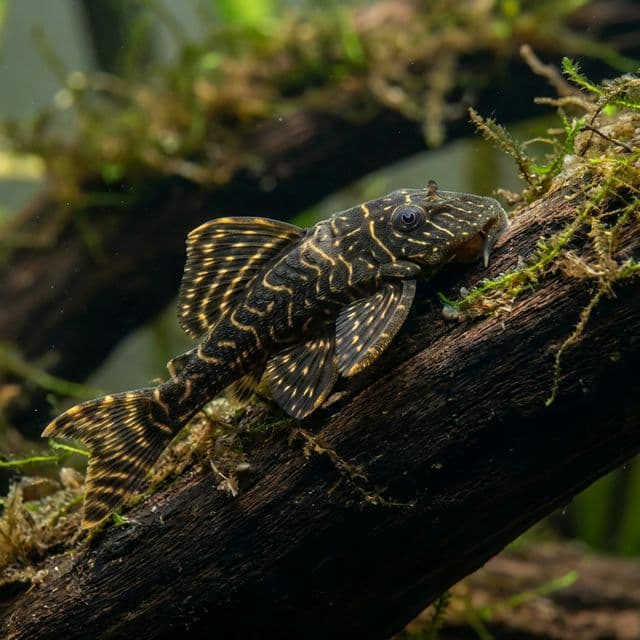
Clown Pleco
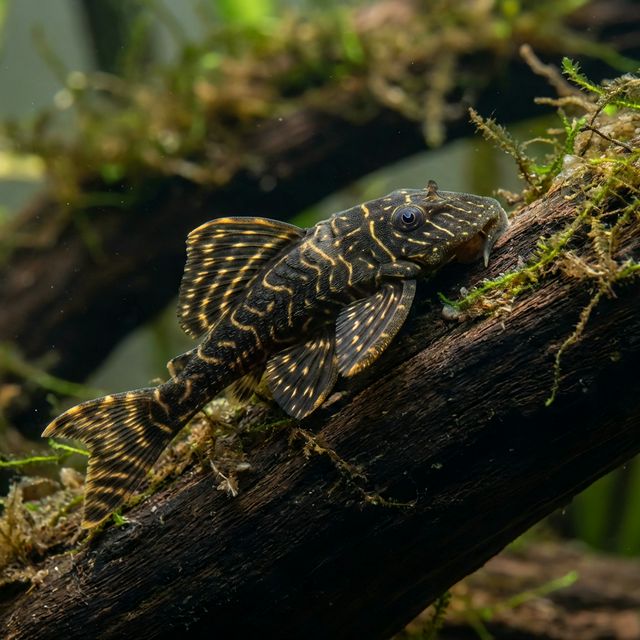
The Clown Pleco, scientifically known as Panaqolus maccus, is a charming and distinctive freshwater fish that has captured the hearts of aquarists worldwide. Recognized for its mesmerizing patterns and vibrant coloration, the Clown Pleco displays a striking combination of yellow and black stripes across its body, reminiscent of a clown's outfit, which not only makes it visually appealing but also adds a unique aesthetic to aquascapes. This species is an ideal choice for both beginners and seasoned hobbyists who appreciate its ability to enhance the overall beauty of the aquarium while contributing beneficially as an algae grazer.
In the aquarium hobby, the Clown Pleco holds significant importance due to its manageable size and versatile adaptability. Typically growing to about 4 to 5 inches in length, it thrives in community tanks and helps maintain water quality by feeding on algae and detritus. As a bottom-dweller, it adds diversity to the tank's ecosystem, while its gentle nature allows it to coexist harmoniously with various other species. The Clown Pleco highlights the importance of biodiversity in aquariums and emphasizes responsible fishkeeping practices.
Natural Habitat & Origin
The Clown Pleco is native to the rivers and tributaries of the Amazon Basin, primarily found in countries such as Peru and Brazil. These regions are characterized by slow-moving waters rich in organic material, where the fish are often discovered amongst submerged wood and debris in blackwater environments. The high levels of tannins in these waters create a unique ecological niche, wherein the Clown Pleco has adapted to thrive on the soft materials in its habitat, feeding on the biofilm that develops on wood and plant surfaces.
In its natural setting, the Clown Pleco favors slightly acidic to neutral pH levels, warm temperatures between 75°F to 82°F (24°C to 28°C), and water hardness levels from 5 to 15 dGH. Understanding these environmental conditions is crucial for creating a successful aquarium setup that mirrors its natural habitat and supports the health and well-being of this intriguing species.
Care Requirements
When setting up an aquarium for the Clown Pleco, it is essential to provide optimal water parameters for its health and growth. Ideally, water pH should range between 6.0 and 7.5, with a temperature maintained between 75°F to 82°F (24°C to 28°C). It is also advisable to keep water hardness within 5 to 15 dGH to truly replicate its native environments.
In terms of tank setup, a minimum size of 20 gallons is recommended to ensure ample swimming space and hiding spots, as well as to promote a stable water environment. A suitable substrate consists of fine gravel or sand that will not injure the fish's delicate underbelly. The inclusion of driftwood is vital, as it not only serves as shelter but also provides a natural food source for the Clown Pleco. Moderate lighting is optimal, and plants such as Anubias, Java fern, and various mosses can be added, creating an enriched environment that mimics the fish's native habitat while providing essential hiding spots.
Diet & Feeding
The Clown Pleco is considered an omnivore with a diet heavily centered on algae and detritus. In captive conditions, this fish thrives on a balanced diet that includes high-quality vegetable-based pellets, sinking wafers, and algae tablets. Supplementing their diet with blanched vegetables such as zucchini, cucumber, and spinach will further enhance their nutrition, catering to their natural feeding habits.
Alongside commercial foods, introducing occasional protein sources such as frozen or live foods can promote optimal growth and overall health. Feed small amounts once or twice a day, ensuring any uneaten food is promptly removed to maintain water quality. A diverse diet not only aids in the Clown Pleco's health but may also encourage more vibrant coloration and more active behavior.
Behavior & Temperament
Clown Plecos are generally peaceful and reclusive fish, displaying a calm demeanor that makes them excellent companions for community tanks. They tend to be more active during the night, exhibiting nocturnal behavior as they search for food among the substrate and on surfaces. While they are not schooling fish, it is beneficial to keep them in small groups, as they can engage in social interactions that contribute to their well-being.
Their usual position in the tank is at the bottom, where they maximize their grazing opportunities. Despite their gentle nature, it's important to monitor other bottom-dwellers in the aquarium to prevent territorial disputes. Providing ample hiding places will mitigate any potential stress during interactions.
Tank Mates
When selecting tank mates for the Clown Pleco, it is crucial to opt for peaceful, community-oriented species. Compatible tank mates include various tetras, rasboras, guppies, and peaceful cichlids like the Apistogramma. Additionally, other bottom-dwellers such as Corydoras catfish or small loaches can coexist harmoniously with the Clown Pleco.
Species to avoid include aggressive or territorial fish, such as larger cichlids or fish known for fin-nipping behaviors. Additionally, avoid keeping multiple specimens of Clown Plecos in a smaller tank, as this can lead to stress and competition for space and resources.
Breeding
Breeding Clown Plecos in captivity can be a rewarding experience, although it often requires specific conditions to stimulate spawning. Parents will typically require a separate breeding tank equipped with a spawning cave made of wood or clay for egg-laying. Maintaining water parameters with slightly elevated temperatures (around 80°F or 27°C) and a soft, slightly acidic pH (between 6.0 and 6.5) fosters an environment conducive to breeding.
The male Clown Pleco will exhibit courtship behavior, courting the female with elaborate displays and engaging her until she lays eggs inside the cave. After breeding, the male usually guards the eggs, providing protection as they undergo incubation for several days until hatching. It's vital to monitor the breeding process to ensure the fry receive appropriate care and nutrition post-hatching.
Common Health Issues
Like any aquarium fish, the Clown Pleco can be susceptible to common health issues. One of the most prevalent conditions is ich (Ichthyophthirius multifiliis), a parasitic infection that manifests through white spots on the fish's body and fins. Maintaining stable water conditions, performing regular water changes, and providing a clean environment can help prevent outbreaks.
Additionally, Clown Plecos may experience stress-related issues if their environment lacks appropriate hiding places or if water parameters fluctuate significantly. Other concerns include fin rot, which often stems from poor water quality or injuries sustained during territorial disputes. Vigilant observation and immediate response to any health concerns can enhance the longevity and quality of life for your Clown Pleco.