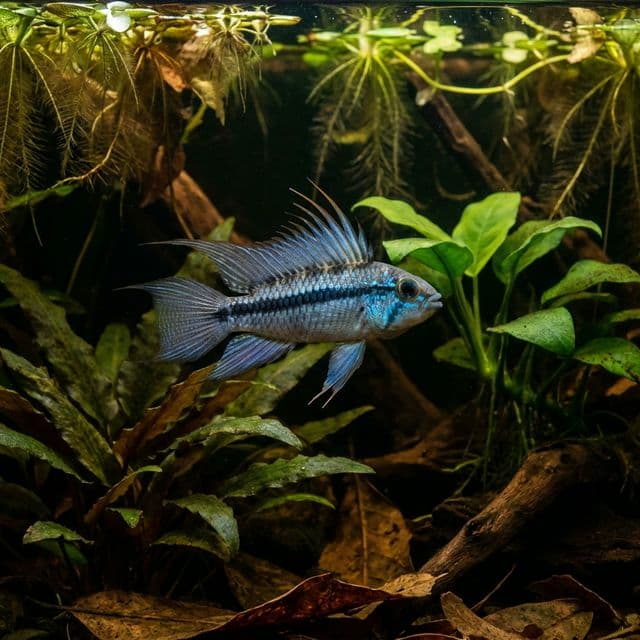
Cockatoo Dwarf Cichlid: Apistogramma cacatuoides
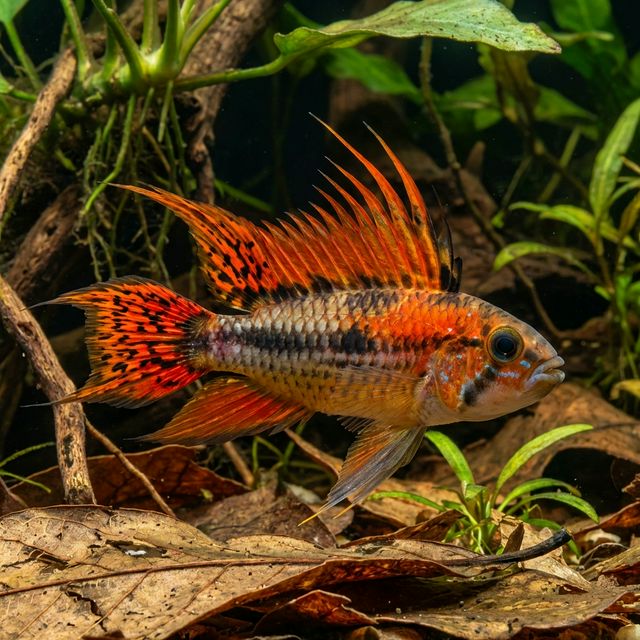
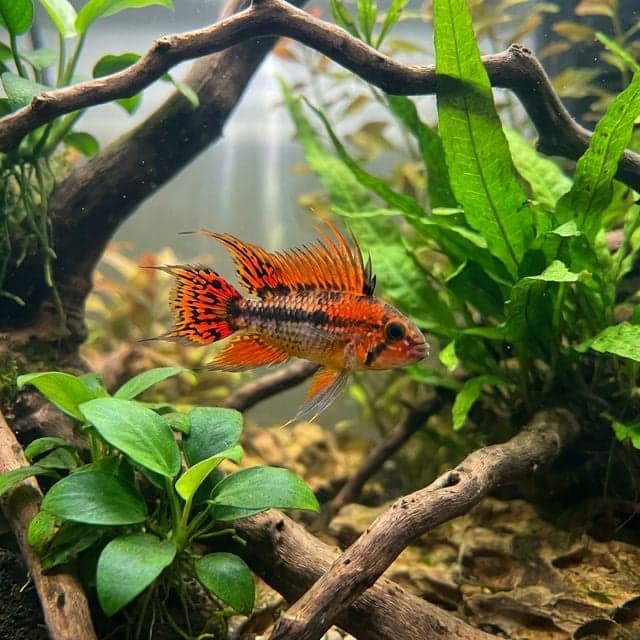
The most popular Apistogramma species. Males have spectacular, cockatoo-like dorsal spines.
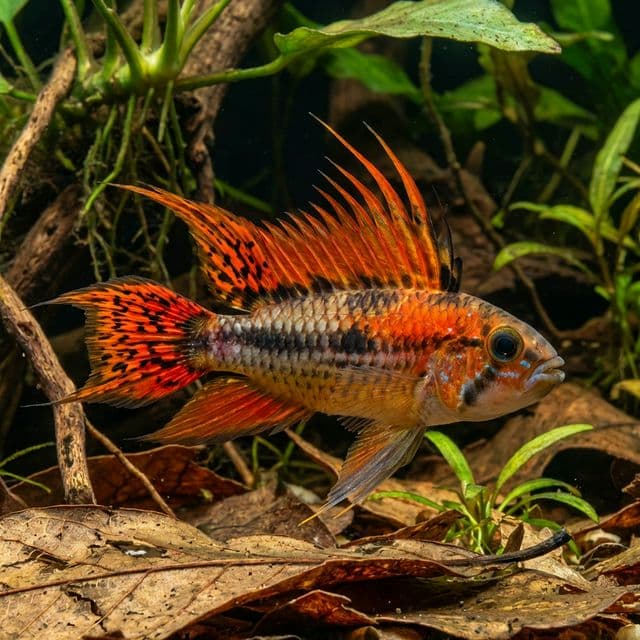
Cockatoo Dwarf Cichlid
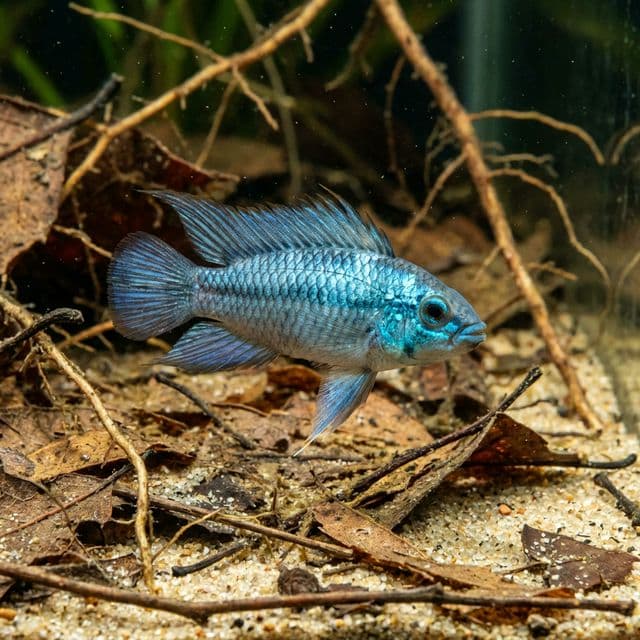
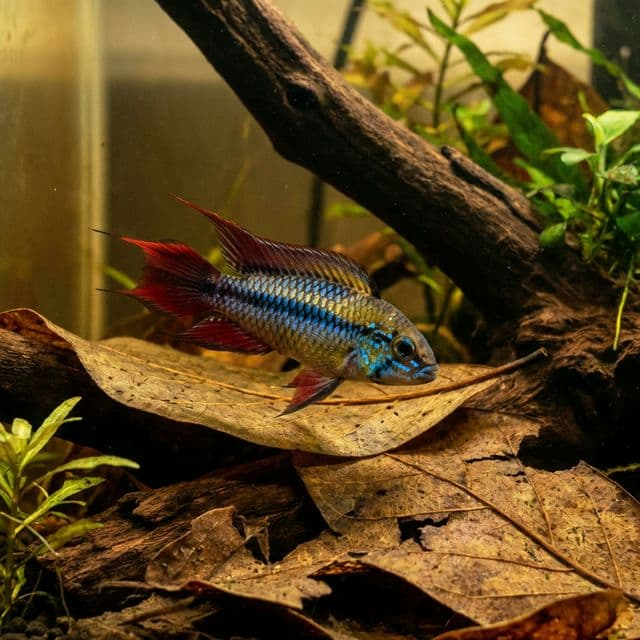
The Cockatoo Dwarf Cichlid, scientifically known as Apistogramma cacatuoides, is a beautifully vibrant species that is highly sought after in the aquarium hobby. Characterized by its stunning coloration, including hues of yellow, orange, blue, and black, this small cichlid adds vivacity to any freshwater tank. Its standout feature is the dorsal fin, which resembles a cockatoo's crest, lending the fish its common name. These fish are not only visually striking but also exhibit fascinating behavior, making them a favorite among aquarists who appreciate both aesthetics and activity in their aquariums.
Significantly, the Cockatoo Dwarf Cichlid hails from the Amazon River basin, primarily thriving in the rich biodiversity of South American waters. Their appeal extends beyond their appearance; they embody a certain charm that captivates both novice fishkeepers and seasoned aquarists alike. As part of a diverse family of cichlids, they contribute to the understanding of fish behavior and ecology, serving as a model for studying territoriality, breeding, and community dynamics in an aquarium setting. They are an excellent choice for hobbyists looking to explore the complexities of fish keeping.
Natural Habitat & Origin
The Cockatoo Dwarf Cichlid is native to the Amazon River basin, chiefly found in countries like Peru and Brazil. It inhabits a variety of environments including slow-moving rivers, streams, and floodplains, often characterized by blackwater conditions. This habitat is rich in organic material, heavily shaded by vegetation, resulting in dark, acidic waters that are low in minerals. The presence of submerged logs and leaf litter provides not only shelter but also aids in filtering out essential microorganisms that these fish require for their survival.
Typically, the Cockatoo Dwarf Cichlid thrives in water with a lower pH, around 5.5 to 7.0, and temperatures ranging from 24°C to 28°C (75°F to 82°F). This specific water chemistry is essential not only for their health but also for replicating their natural environment in a home aquarium. Maintaining such conditions can drastically influence their behavior, breeding success, and overall well-being.
Care Requirements
To provide optimal care for the Cockatoo Dwarf Cichlid, it's essential to maintain specific water parameters: a pH level within the range of 5.5 to 7.0, a soft to moderately hard water hardness (around 2-10 dGH), and a stable temperature between 24°C to 28°C (75°F to 82°F). The minimum tank size should be at least 20 gallons to accommodate their territorial nature, with the option to create distinct territories through strategic placements of rocks and driftwood.
For substrate, fine sand or soft gravel is recommended, as this mimics their natural habitat and allows for foraging. Lighting should be moderate to low, as these fish prefer dimly-lit environments that mirror the shaded waters of their native habitat. Live plants such as Java moss, Anubias, and Cryptocoryne can be included to provide hiding spots and breeding areas, enhancing both the aesthetics and functionality of the aquarium.
Diet & Feeding
The Cockatoo Dwarf Cichlid is an omnivorous species with a varied diet that includes both plant-based and protein-rich foods. In captivity, they thrive on a combination of high-quality flakes, pellets, and frozen or live foods such as brine shrimp, daphnia, and bloodworms. A diet rich in protein supports their growth and health, particularly during breeding periods when their nutritional requirements can increase.
It is advisable to feed them multiple small meals throughout the day rather than one large feeding, to replicate natural foraging behavior and reduce the risk of overfeeding. Additionally, incorporating vegetation, such as spirulina flakes or blanched vegetables, can enhance their diet and ensure they are receiving essential nutrients for optimal health.
Behavior & Temperament
The Cockatoo Dwarf Cichlid exhibits diverse and engaging behaviors, making them a delight to observe. They are generally peaceful but can become territorial, especially during the breeding period. While they do not school in the traditional sense, they can be found in loose groups under the right conditions, which allows for some social interaction. It is important to provide sufficient hiding spots and visual barriers in the aquarium to minimize stress and aggression.
In terms of tank positioning, Cockatoo Dwarf Cichlids tend to occupy the middle to lower levels of the aquarium. They prefer to dart in and out of hiding spots, making their territories among plants and decorations. This vertical placement fosters a dynamic and lively environment, particularly if multiple individuals are present, as they often establish hierarchies that lead to interesting social interactions.
Tank Mates
When selecting tank mates for the Cockatoo Dwarf Cichlid, it is crucial to choose species that can coexist peacefully. Compatible tank mates include smaller, peaceful fish such as neon tetras, rasboras, Corydoras catfish, and certain species of dwarf shrimp. These species typically occupy different levels in the aquarium, reducing the chances of aggression and territorial disputes.
Species to avoid include larger cichlids or aggressive fish that may pose a threat or outcompete the Cockatoo Dwarf Cichlid for resources. Additionally, fast-moving fish that are prone to startling may cause undue stress. Ensuring a balanced community with appropriate tank mates can lead to a harmonious aquarium environment that allows for a diverse display of life.
Breeding
Breeding the Cockatoo Dwarf Cichlid in captivity can be a rewarding endeavor for aquarists. This species exhibits intriguing spawning behavior, often creating a substrate nest among caves or flat stones where the female will lay eggs. To encourage breeding, provide a well-decorated tank with sufficient hiding spots and lower light levels, emulating their natural habitat.
Optimal conditions for breeding include slightly elevated temperatures (around 28°C or 82°F) and a pH close to neutral, which prepares them for successful spawning. After the eggs are laid, the female becomes protective, guarding them fiercely until they hatch, usually within 3 to 4 days. After hatching, the fry can be fed infusoria or finely crushed flakes, ensuring their growth and transition to more varied foods as they mature.
Common Health Issues
Like many freshwater fish, the Cockatoo Dwarf Cichlid can be susceptible to certain health issues including ich, fin rot, and various parasites. Preventative measures include maintaining high water quality through regular water changes and tank cleanings, ensuring proper filtration, and avoiding overcrowded tank conditions.
It is crucial to monitor their behavior regularly and maintain a healthy feeding regimen, as stress and poor nutrition can lower their immunity and lead to health problems. Additionally, quarantining new arrivals before introducing them to the main tank can significantly reduce the spread of pathogens and keep existing inhabitants healthy. Proper care and attention to these details can help ensure the longevity and vitality of Cockatoo Dwarf Cichlids in your aquarium.