Copper Harlequin: Trigonostigma espei
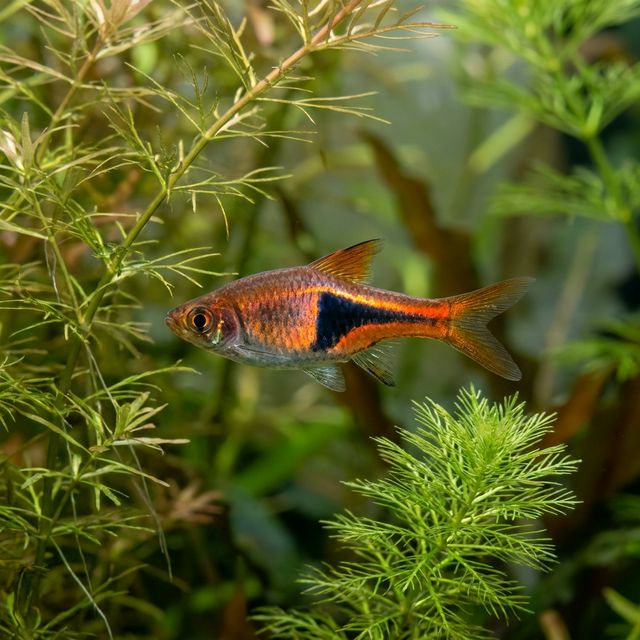
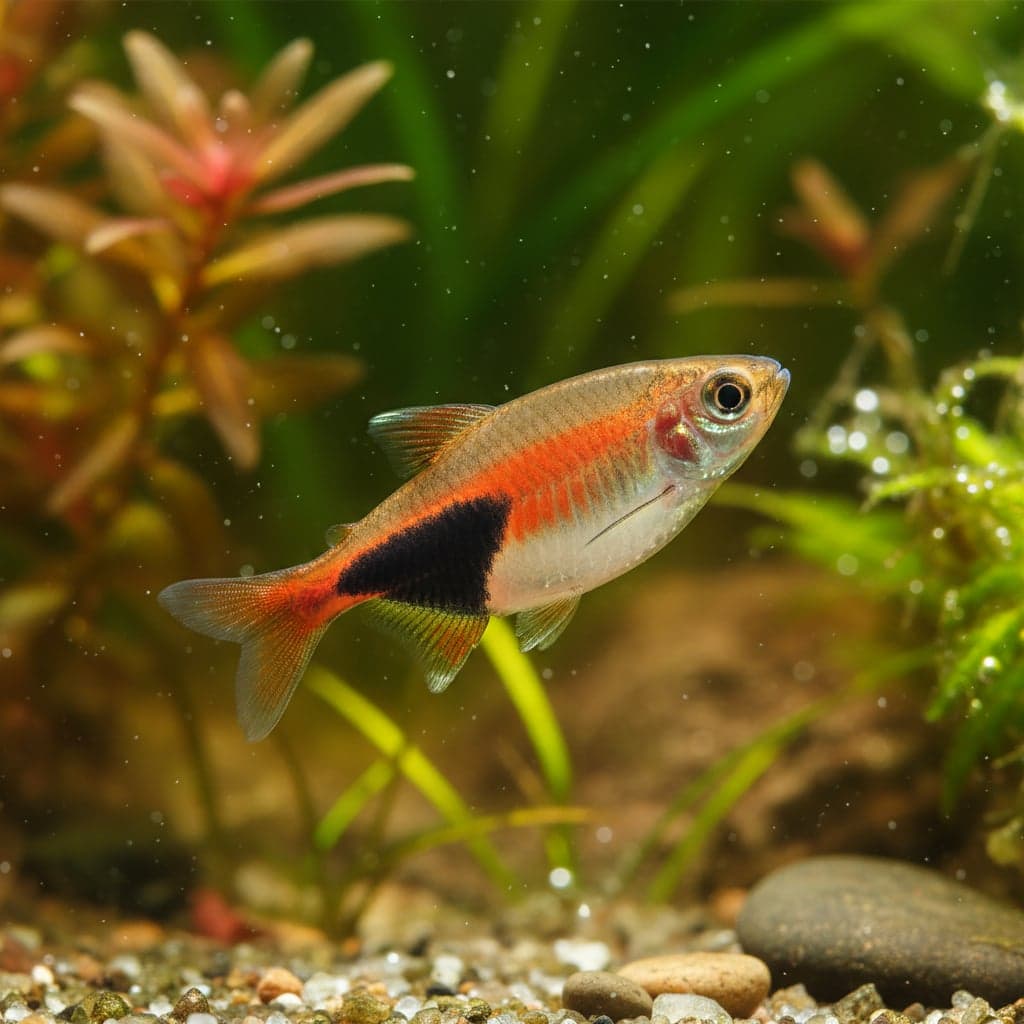
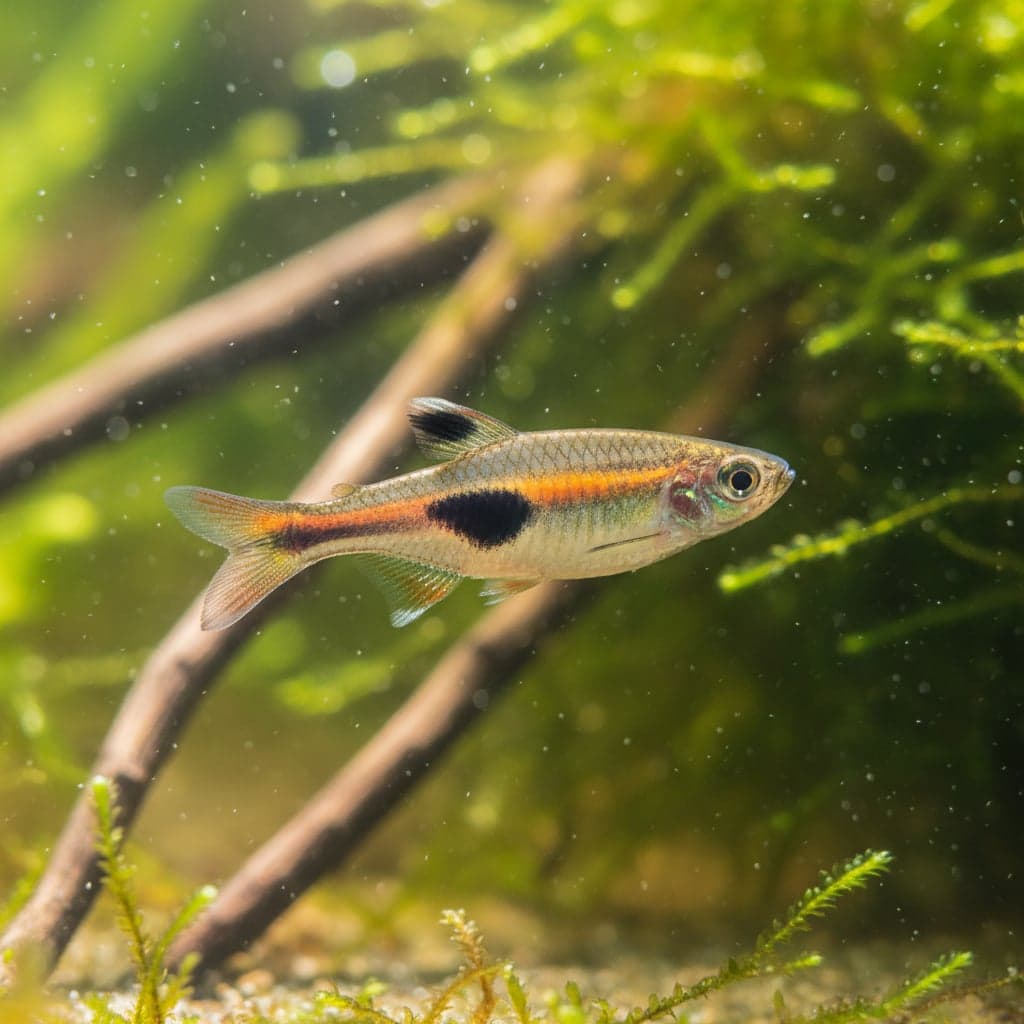
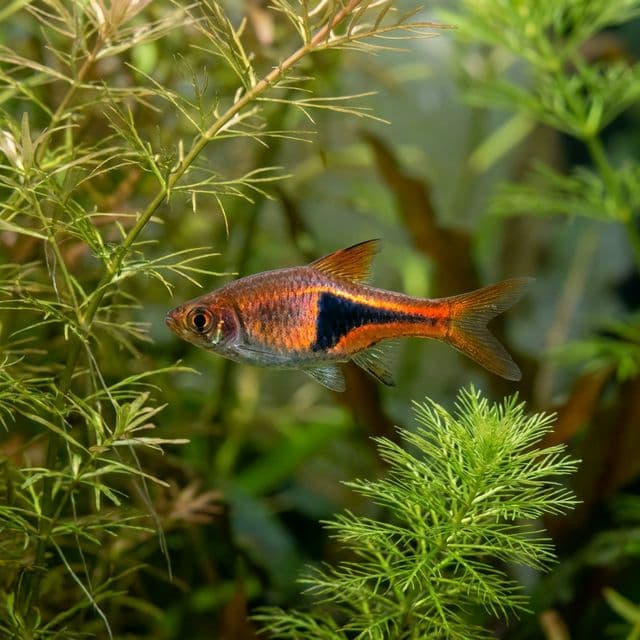
A slimmer, more copper-colored relative of the Harlequin Rasbora. Features a lamb-chop shaped marking.
Copper Harlequin
The Copper Harlequin, scientifically known as Trigonostigma espei, is a small freshwater fish that has gained immense popularity among aquarium enthusiasts for its vibrant coloration and peaceful demeanor. With its striking copper-hued body, adorned with horizontal black stripes and a notable dark spot at the tail, the Copper Harlequin captures the eye and brings an element of elegance to any aquarium setup. These visually appealing fish are not only favored for their beauty but also for their ease of care, making them an excellent choice for both beginner and experienced aquarists alike.
The significance of the Copper Harlequin in the aquarium hobby extends beyond its aesthetic appeal. Known for its calm and social nature, this species thrives in schools, leading to a dynamic and lively display in community tanks. Their active swimming habits and bold presence contribute to the diverse tapestry of life in an aquarium, often serving as a centerpiece in tank showcases or biotope setups. The Copper Harlequin's adaptability and resilience further solidify its status as a favorite amongst fishkeepers seeking to create a captivating aquatic environment.
Natural Habitat & Origin
The Copper Harlequin is native to the streams and rivers of Southeast Asia, particularly in regions of Malaysia and Thailand. In its natural habitat, it is commonly found in slow-moving waters rich in plant life and shaded by overhanging vegetation. These environments typically exhibit blackwater characteristics, which are defined by the presence of tannins leached from decaying plant matter, resulting in dark, stained water with low mineral content. The combination of soft, acidic water and abundant cover provides the Copper Harlequin with both a source of food and protection from predators.
These habitats also feature a variety of natural elements, including leaf litter and submerged roots, all of which play a crucial role in maintaining the ecological balance of the fish's environment. Understanding these characteristics allows aquarists to better replicate the Copper Harlequin's natural conditions, ensuring a healthy and thriving life in captivity.
Care Requirements
To provide optimal care for the Copper Harlequin, maintaining specific water parameters is essential. Ideal conditions include a pH range of 6.0 to 7.0, a water temperature between 22°C to 28°C (72°F to 82°F), and a hardness level of 2 to 10 dGH. This fish prefers slightly acidic to neutral water, making it crucial to monitor parameters regularly for stability.
When setting up the tank, a minimum size of 10 gallons is recommended, with a ratio of at least five Copper Harlequins to ensure their social needs are met. The substrate can be fine gravel or soft sand, which mimics their natural habitat. Incorporating live plants such as Java moss, Anubias, and Cryptocoryne not only provides cover but also contributes to water quality. Moderate lighting is ideal, as it supports plant growth while providing a comfortable environment for the fish. Aqua scaping should also include driftwood or leaf litter, enhancing both the aesthetic value and the fish’s sense of security.
Diet & Feeding
The Copper Harlequin is an omnivorous species that thrives on a varied diet. In captivity, it can be fed high-quality flakes and pellets that sink to the middle or bottom levels of the tank. Additionally, incorporating frozen or live foods such as daphnia, brine shrimp, and bloodworms will greatly enhance their nutritional intake and encourage natural foraging behaviors. It is recommended to feed the Copper Harlequin small amounts multiple times a day to promote optimal health and growth, while being careful not to overfeed, as they can be prone to obesity.
Providing a balanced diet contributes to their vibrant coloration and overall vitality. An age-appropriate diet, matched with good quality commercial foods and occasional live offerings, allows these fish to thrive and display their natural beauty in the aquarium setting.
Behavior & Temperament
The Copper Harlequin is known for its peaceful and social temperament, making it an ideal candidate for community tanks. These fish exhibit strong schooling behavior, and it is recommended to keep them in groups of five or more to reduce stress and enhance their natural social interactions. They tend to inhabit the mid to upper levels of the tank, where they can be seen darting around in playful schools.
In terms of aggression, the Copper Harlequin is generally non-aggressive and coexists well with similarly sized, peaceful species. They can, however, display some mild territorial behavior when breeding or establishing a hierarchy within their group. Providing ample swimming space and hiding spots will help minimize any potential conflict.
Tank Mates
When selecting tank mates for the Copper Harlequin, it is essential to choose species that share similar temperament and size. Ideal companions include small community fish such as Neon Tetras, Rasboras, small Corydoras, and Guppies. These fish not only share similar water requirements but also have peaceful behaviors that complement those of the Copper Harlequin.
Some species to avoid include aggressive or larger fish, such as Cichlids or larger barbs, which may intimidate or prey upon the Copper Harlequin. Additionally, fast swimmers that may perceive the Copper Harlequin as competition for food should be minimized, as they can outcompete the smaller Harlequins during feeding times.
Breeding
Breeding the Copper Harlequin in captivity can be a rewarding experience, although it requires specific conditions for successful spawning. For breeding, it is advisable to set up a separate breeding tank of around 10 to 15 gallons with softer, slightly acidic water having pH levels of 6.0 to 6.5 and a temperature of around 24°C to 26°C (75°F to 79°F). Dense vegetation, such as Java moss, provides an ideal spawning substrate.
During mating, males will display courtship behavior by flashing their colors and chasing the females. After spawning, which occurs on plant leaves, it is crucial to remove the adult fish immediately, as they may eat their eggs. The eggs will hatch in about 24 to 36 hours, and the fry can be fed infusoria or powdered fry food until they are large enough to consume finely crushed flakes.
Common Health Issues
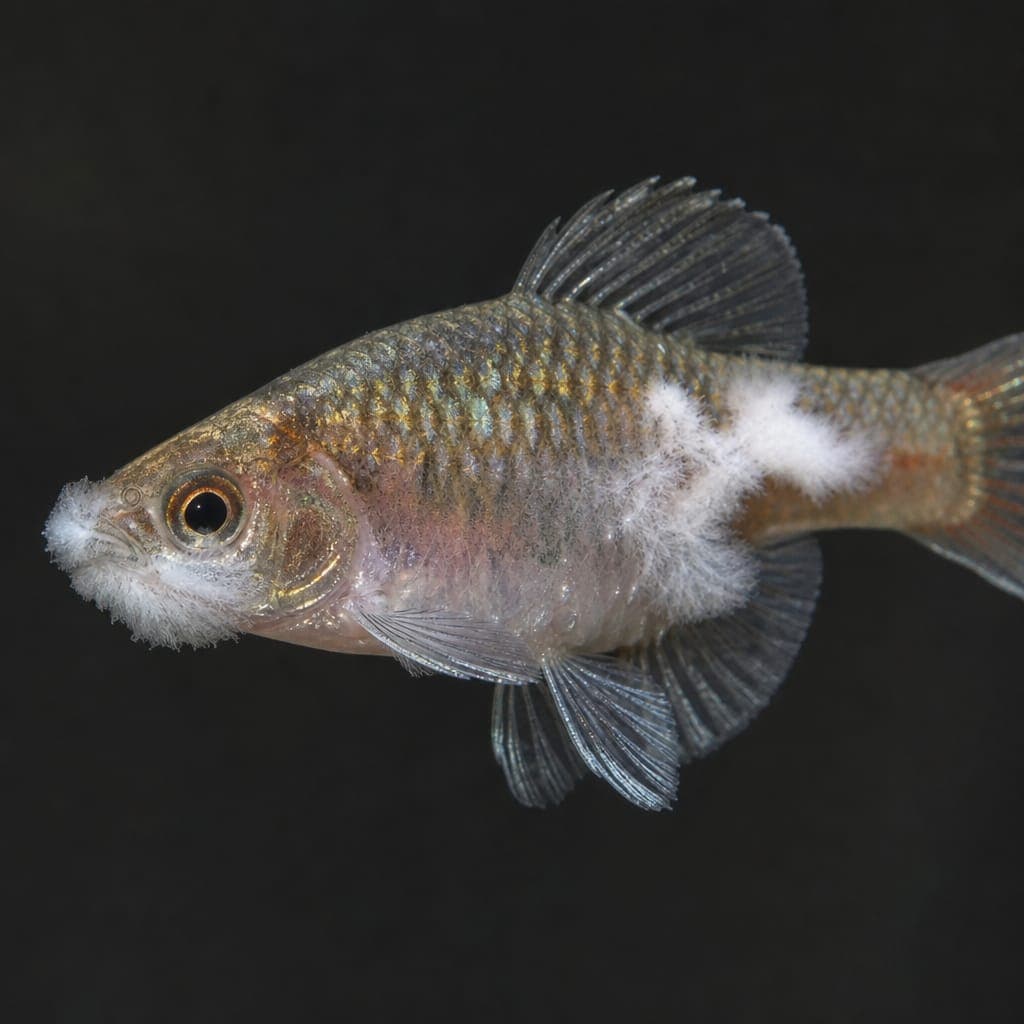
The Copper Harlequin, while generally resilient, can still be prone to certain health issues. Common ailments include ich (white spot disease), fin rot, and fungal infections. To minimize the risk of these diseases, maintaining high water quality and stable water parameters is vital. Additionally, ensure that the fish are not subjected to stressful conditions, such as overcrowding or incompatible tank mates, which can weaken their immune systems.
Preventative measures include regular water changes, proper filtration, and quarantining new arrivals before introducing them into the main tank. Offering a well-balanced diet will also enhance their overall health and resistance to disease, allowing the Copper Harlequin to thrive in the home aquarium setting.