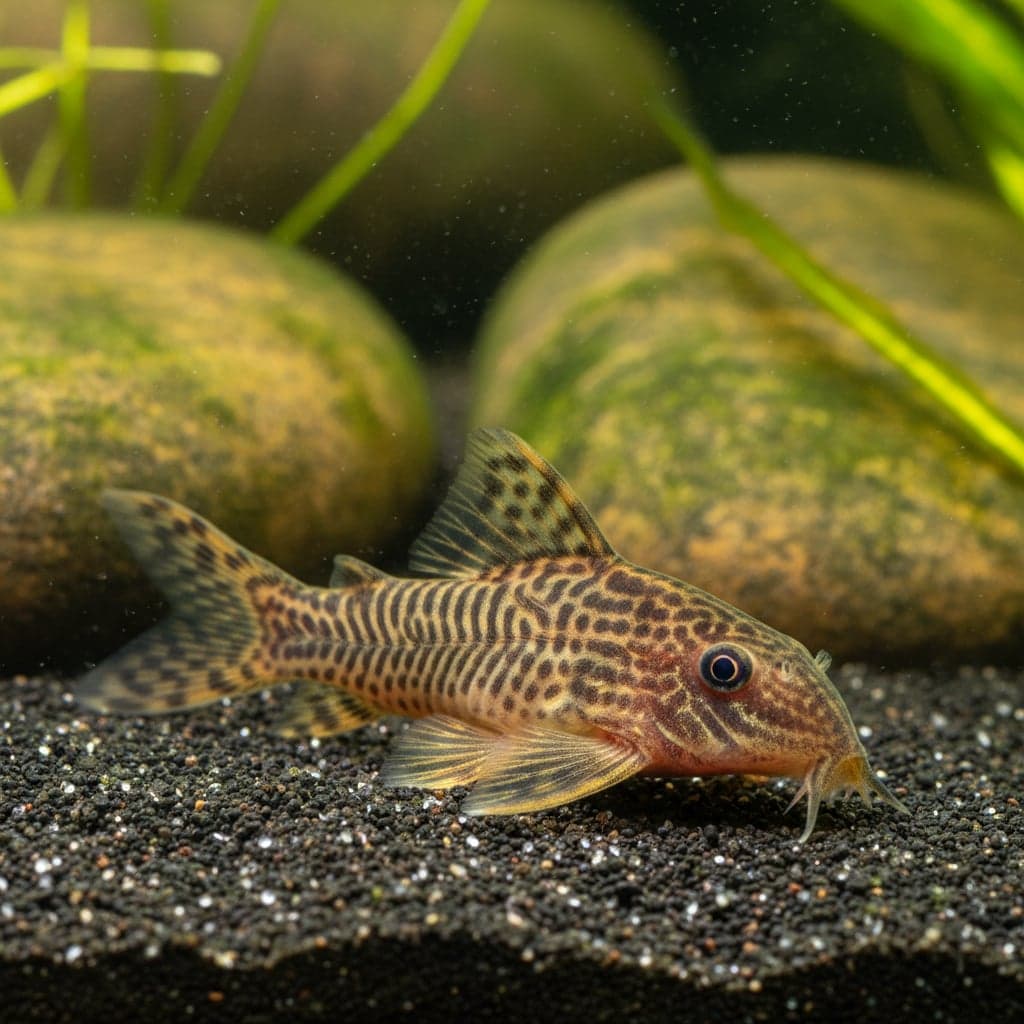
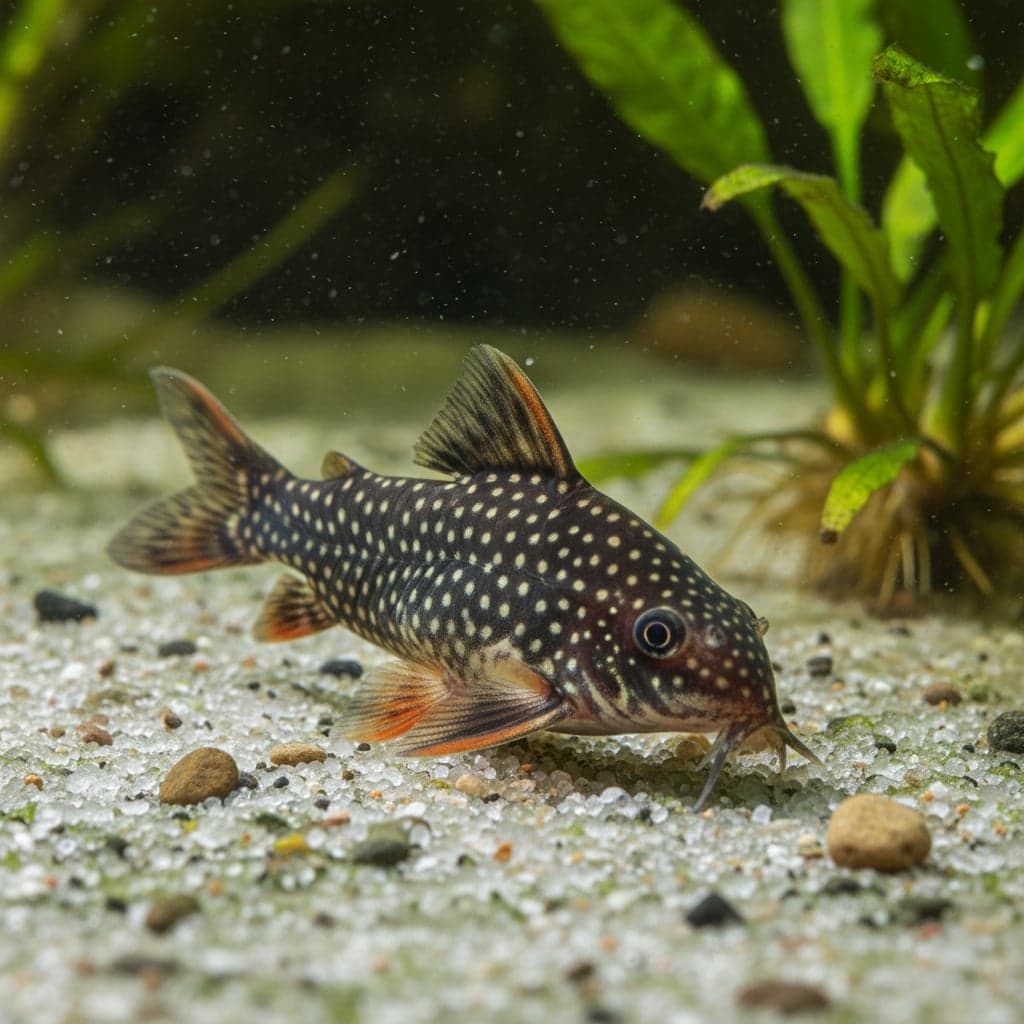
The Panda Corydoras: Corydoras panda
A charming armored catfish with panda-like black eye patches. Social, entertaining, and the perfect bottom-dwelling clean-up crew for any community tank.

Panda Corydoras
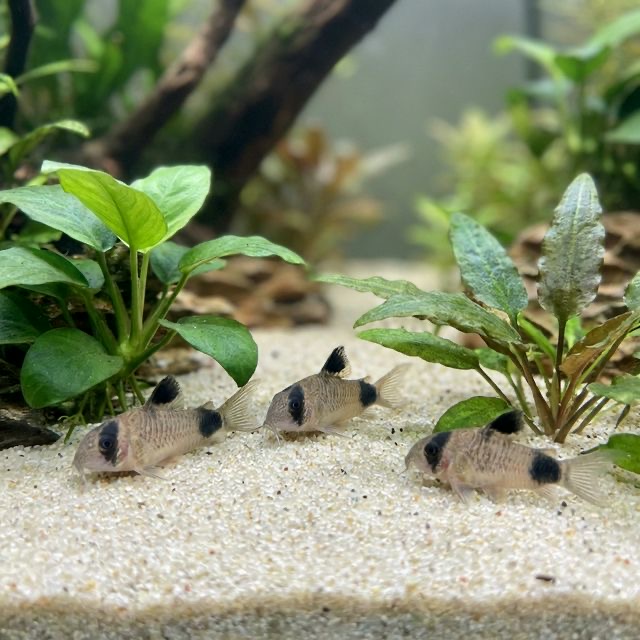
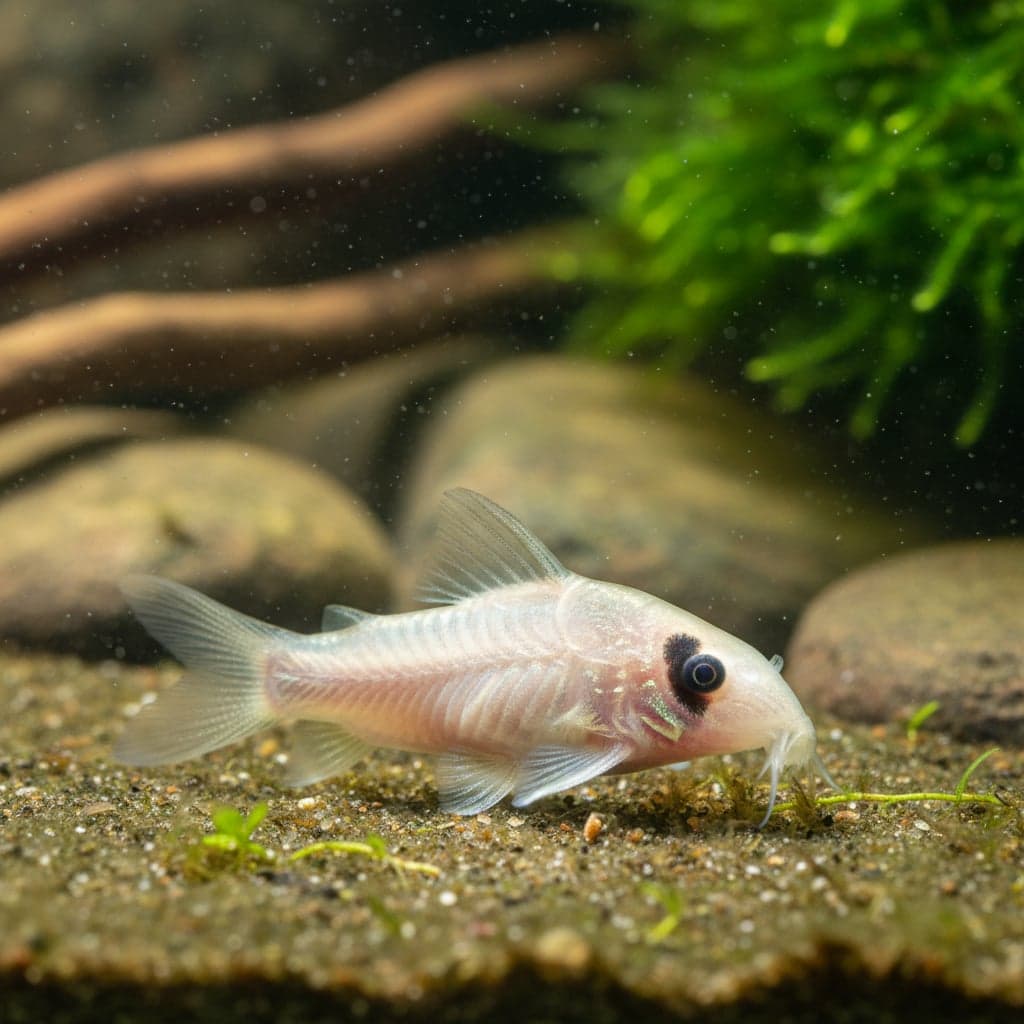
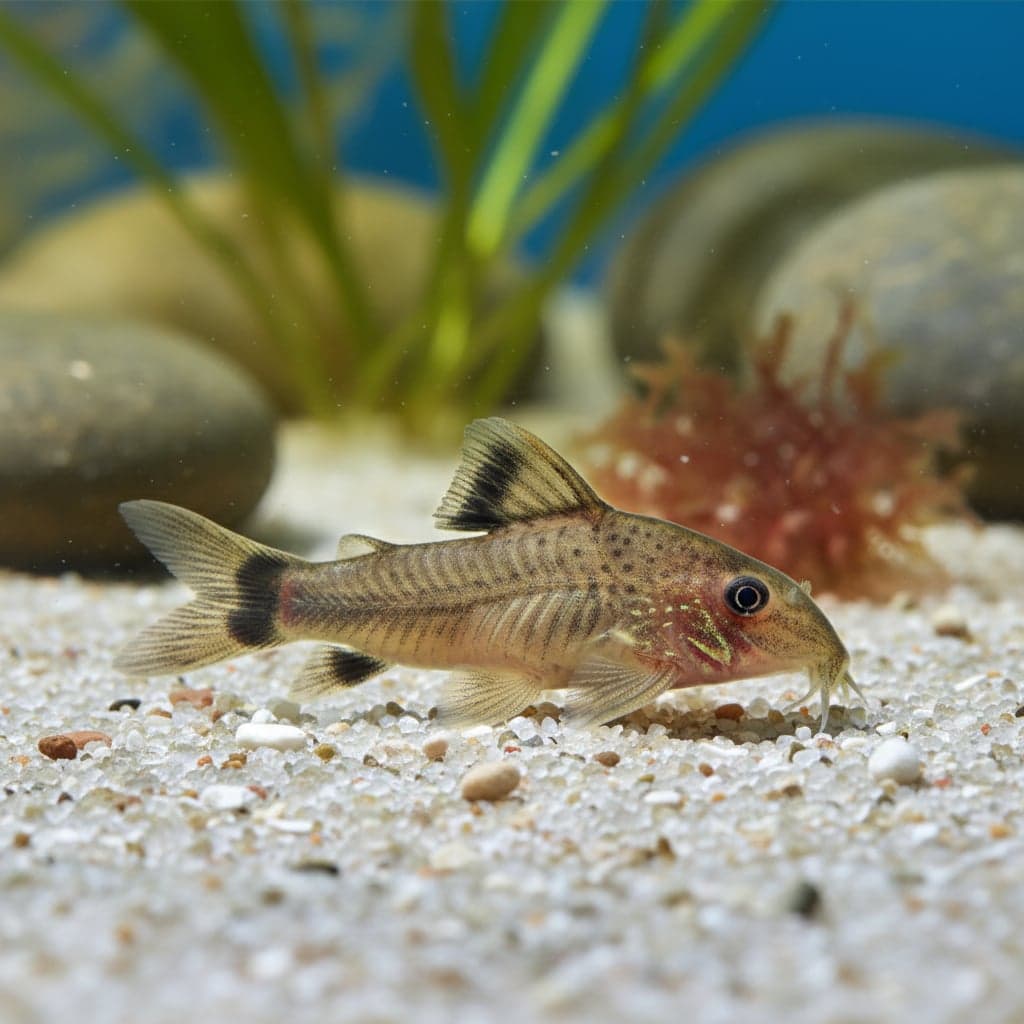
The Panda Corydoras, scientifically known as Corydoras panda, is a small, charming freshwater catfish that has captured the hearts of aquarium enthusiasts worldwide. With its distinct coloration, featuring a white or light beige body adorned with striking black patches on its eyes and dorsal fin, this species stands out in any aquascape. The Panda Corydoras typically grows to about 2.5 inches (6.4 cm) in length, making it an excellent choice for various tank sizes, especially in community settings. Its playful nature and intriguing behavior contribute to its appeal, making it a staple in the aquarium hobby.
In addition to its visual allure, the Panda Corydoras holds significant importance in the aquarium market due to its relatively easy care requirements and compatibility with many species. This fish not only adds liveliness to a community tank but also serves a beneficial role in biotope aquariums, scavenging the substrate for leftover food and debris. As a social fish, they thrive in groups, making them a delightful addition to any aquarium setup while showcasing unique behaviors that captivate both novice and experienced aquarists alike.
Natural Habitat & Origin
The Panda Corydoras hails from the Amazon Basin, specifically in Peru and parts of Brazil. This species favors slow-moving rivers and streams, often found in regions with dense vegetation and submerged leaves. The natural environment of the Panda Corydoras is typically characterized by blackwater systems, where the water is stained dark by tannins released from decaying plant material, creating a unique ecosystem rich in organic matter and relatively low light levels. These habitats usually provide a soft substrate, consisting of fine sand or pebbles, where the fish can forage for food.
In their native waters, the Panda Corydoras experiences a stable temperature range of approximately 72°F to 78°F (22°C to 26°C) and a slightly acidic to neutral pH level of 6.0 to 7.0. Such conditions influence their behavioral patterns and nutritional habits, emphasizing the importance of replicating this environment in aquariums to ensure their health and wellbeing.
Care Requirements
To provide the ideal environment for your Panda Corydoras, it's crucial to maintain specific water parameters. The water pH should range from 6.0 to 7.0, with a soft to moderate hardness of 2-15 dGH and a stable temperature between 72°F to 78°F (22°C to 26°C). Regular water changes and good filtration are essential for maintaining these conditions, as Panda Corydoras are sensitive to poor water quality.
When it comes to tank setup, a minimum tank size of 20 gallons is recommended to accommodate a small school of these sociable fish. A fine, soft substrate, such as sand, allows them to dig and forage while minimizing the risk of injury to their delicate barbels. Dim lighting, perhaps complemented with floating plants, will help simulate their natural habitat. Incorporating plenty of hiding spots using driftwood, caves, or plants provides them with security and contributes to a more enriched environment.
Diet & Feeding
The Panda Corydoras is an omnivorous fish with a diverse diet. In captivity, a varied feeding regimen is essential for their health. Quality sinking pellets or wafers specifically designed for bottom feeders should form the basis of their diet. However, it's also crucial to supplement their nutrition with high-protein foods such as frozen or live brine shrimp, bloodworms, and daphnia, as well as occasional vegetable matter, such as blanched zucchini or spinach.
Feeding them a balanced diet not only supports their growth and vitality but also enhances their foraging behavior, allowing them to engage in their natural instinct to scavenge. Aim to feed them small amounts 2-3 times a day, ensuring that food is consumed within a few minutes to prevent water quality issues.
Behavior & Temperament
The Panda Corydoras is a peaceful and social fish that exhibits fascinating behaviors. These little catfish are inherently schooling fish, thriving in groups of six or more, which helps them feel secure and reduces stress levels. Their playful antics often involve digging in the substrate and exploring their surroundings, making them a joy to observe.
In terms of aggression, the Panda Corydoras is generally non-aggressive and can coexist harmoniously with a variety of fish species. They are primarily bottom dwellers but may occasionally swim in the mid-levels of the tank. When establishing a community tank, it's essential to ensure that tank mates complement their gentle disposition, creating a harmonious aquatic environment.
Tank Mates
Panda Corydoras are compatible with a wide range of community fish due to their peaceful nature. Ideal tank mates include small tetras (such as Neon Tetras and Ember Tetras), smaller rasboras, guppies, and danios. Avoid keeping them with larger or more aggressive species that may outcompete them for food or stress them, including cichlids and larger catfish or barbs.
Additionally, it's advisable to steer clear of fin-nipping species, which could pose a threat to the Panda Corydoras' delicate fins. Overall, creating a balanced community tank where all species coexist peacefully enhances the enjoyment of observing these captivating fish.
Breeding
Breeding Panda Corydoras in captivity can be a rewarding experience, though it requires specific conditions to encourage spawning behavior. When preparing for breeding, maintain optimal water conditions—a slightly cooler temperature around 70°F (21°C) and ensure clean, well-oxygenated water.
To stimulate spawning, introduce a group of Panda Corydoras (at least 4-6 fish) into a well-planted breeding tank featuring soft substrate and ample hiding spots. Mimicking their natural rainy season environment through slight water changes with cooler water can trigger spawning. Females lay adhesive eggs on plant leaves, which males fertilize immediately. After spawning, it's best to remove adults to protect the eggs, as they may consume them. The eggs typically hatch within 3-5 days, and fry should be fed infusoria or finely crushed flake food suitable for their size.
Common Health Issues
Like most aquarium fish, Panda Corydoras may be susceptible to certain health issues if not properly cared for. Common conditions include ich (white spot disease), fin rot, and bacterial infections. Maintaining high water quality, providing a balanced diet, and ensuring adequate tank maintenance are crucial in preventing these issues.
To minimize stress and potential health problems, it's vital to avoid overstocking the tank and to monitor water parameters regularly. Quarantining new fish before introducing them to an established tank helps prevent disease outbreaks. Keeping a close eye on your Panda Corydoras' behavior and physical appearance—such as the clarity of their eyes and the condition of their fins—can aid early detection of health issues, allowing you to address any concerns promptly.