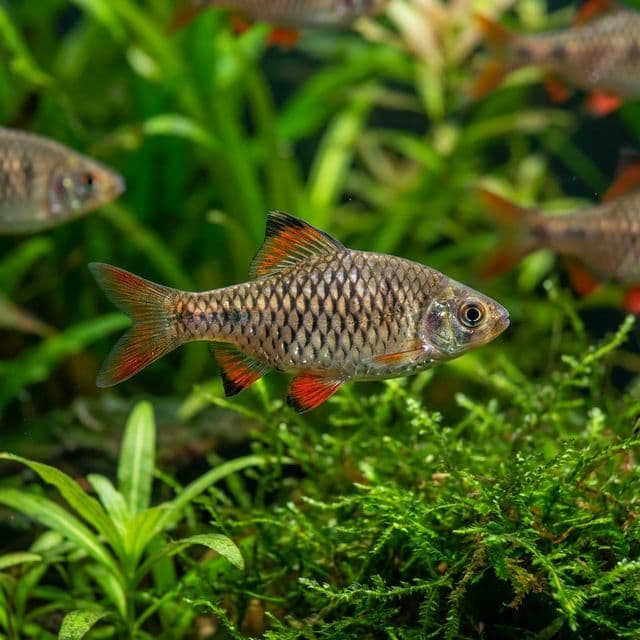
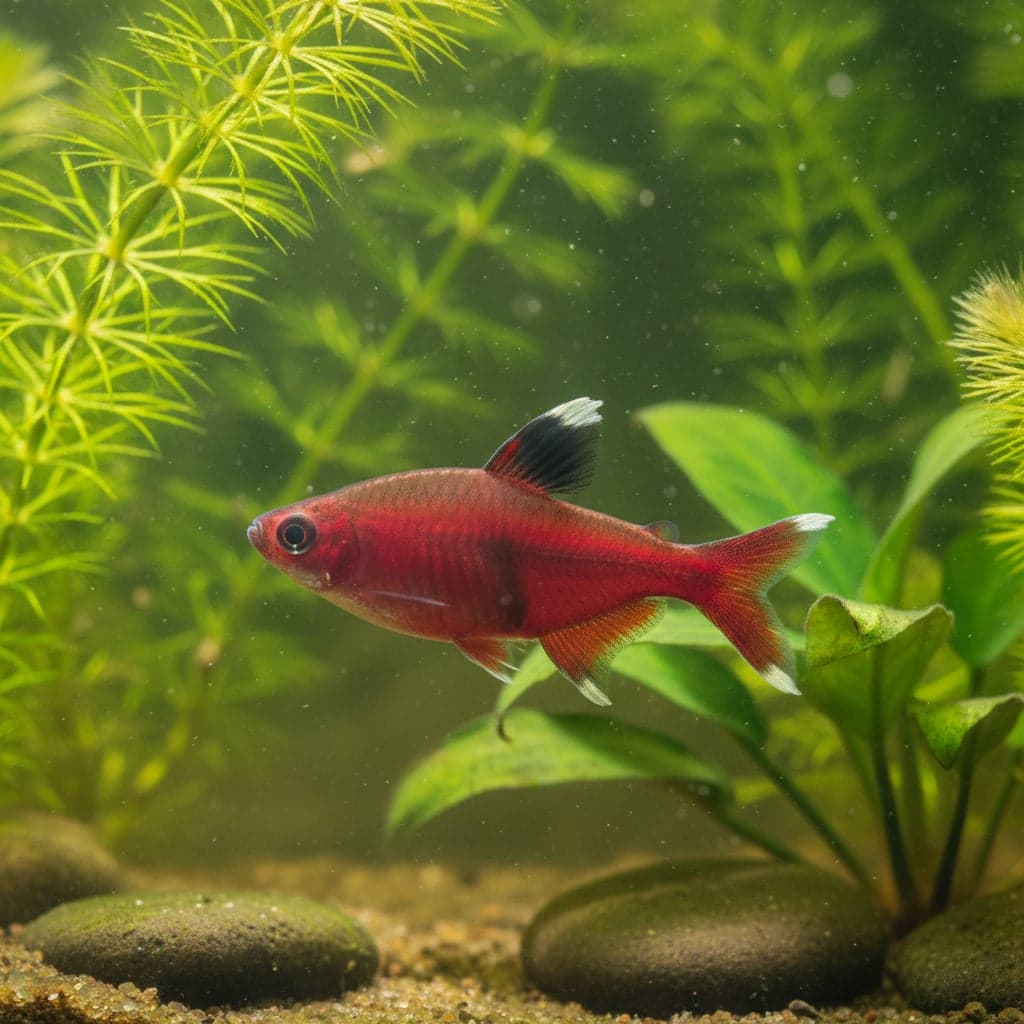
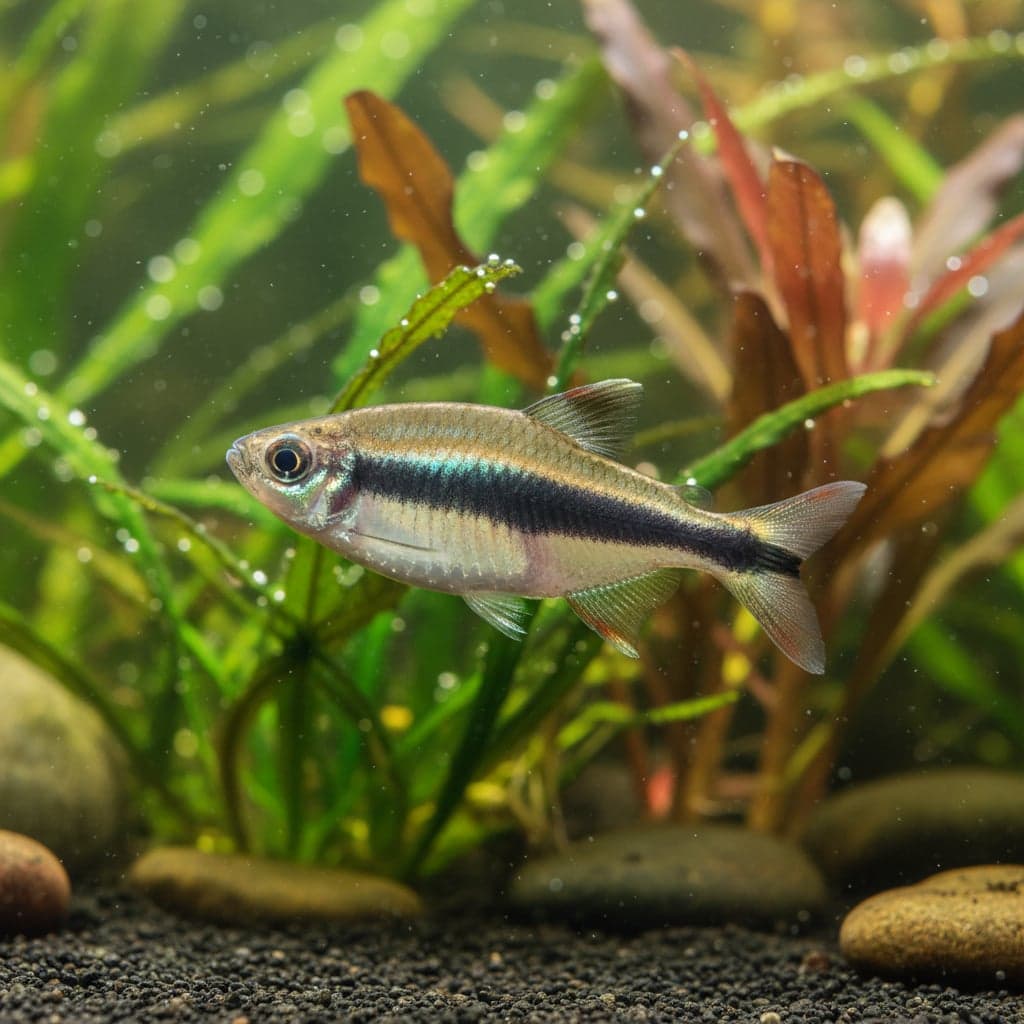
Costa's Tetra: Moenkhausia costae
A larger tetra from Brazilian rivers. Active swimmer with a subtle silver shimmer.
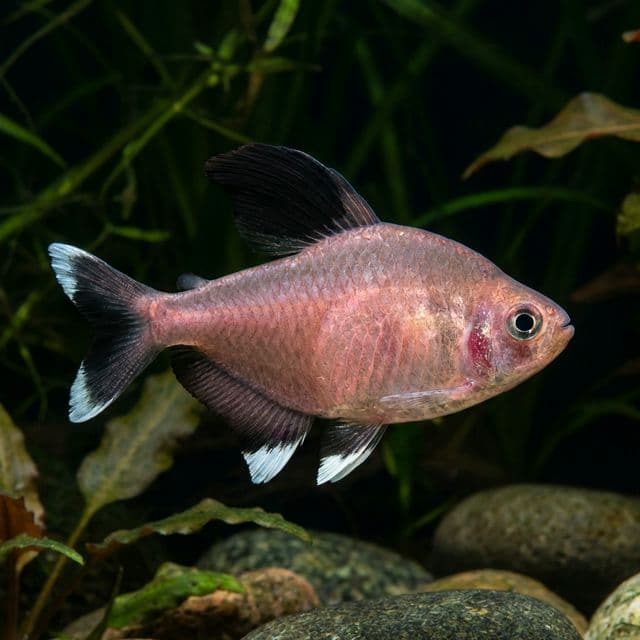
Costa's Tetra
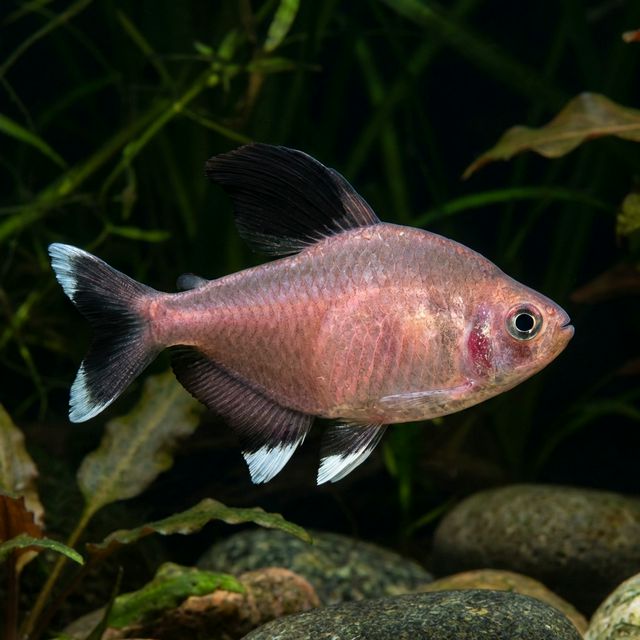
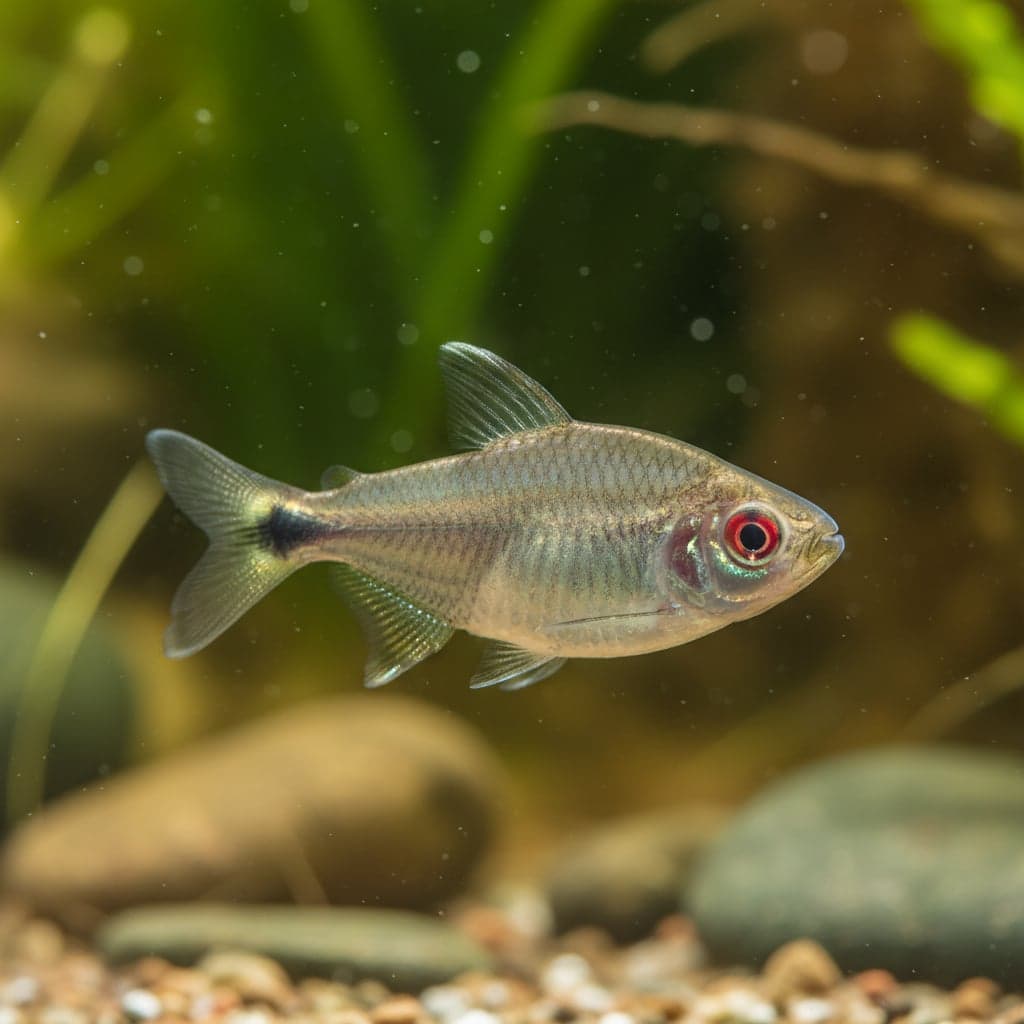
Costa's Tetra (Moenkhausia costae) is a captivating freshwater fish that has gained popularity among aquarium enthusiasts for its vibrant colors and peaceful disposition. This small, schooling fish, native to the waters of South America, showcases an array of striking iridescent hues, predominantly reflecting shimmering shades of blue and silver. Its beauty is enhanced by delicate fin formations and subtle patterns along its body, making it an attractive addition to any community aquarium. The Costa's Tetra is not only visually appealing, but it also represents the diverse biodiversity found in the Amazon River basin, underscoring the importance of habitat preservation and the role of aquatic species in maintaining ecological balance.
In the aquarium hobby, Costa's Tetra serves as a quintessential example of a community fish that thrives in groups, providing both aesthetic beauty and dynamic motion within the tank. These fish are typically active swimmers and engage in social behaviors that contribute to a lively atmosphere. Their peaceful nature makes them suitable for beginners and advanced aquarists alike, as they can adapt to a variety of tank conditions without significant stress. As a species, they not only enrich the visual tapestry of aquatic environments but also play a role in the larger narrative of conservation, drawing attention to the need for sustainable practices in fishkeeping.
Natural Habitat & Origin
Costa's Tetra is primarily found in the slow-moving tributaries and floodplains of the Amazon River and its surrounding regions, particularly in Brazil. Their natural habitat consists of blackwater rivers and streams, characterized by soft, acidic waters rich in organic materials. The presence of tanins, which leach from decaying leaves and plant matter, contributes to the water's distinctive color. Such environments are often densely vegetated, providing ample cover and foraging opportunities for this species. Understanding the Costa's Tetra's natural habitat is vital for replicating the appropriate conditions in captivity, allowing for optimal health and well-being.
These fish thrive in specific environmental conditions, typically preferring warmer waters with a temperature ranging from 75°F to 82°F (24°C to 28°C). The ideal pH level falls between 5.5 and 7.0, and the water hardness should be kept relatively low, around 2 to 10 dGH. To emulate their native habitat effectively, aquarists should also consider incorporating floating plants, driftwood, and leaf litter into the tank, which recreate the shadowy, covered environment that Costa's Tetra naturally inhabits.
Care Requirements
When it comes to providing care for Costa's Tetra, there are several key water parameters that need to be maintained for their optimal health. The temperature should ideally be kept between 75°F and 82°F (24°C to 28°C), with the pH maintained between 5.5 and 7.0. Additionally, a water hardness of 2 to 10 dGH is recommended. A good filtration system is crucial in maintaining clean water, as these fish are sensitive to impurities and buildup of waste. Moreover, regular water changes of 25% every two weeks will help keep the environment stable.
In terms of tank setup, a minimum aquarium size of 20 gallons is recommended for a school of six Costa's Tetras. The substrate can be soft, with options such as fine gravel or sand to ensure comfort and safety. Lighting should be moderate, as these fish prefer somewhat subdued conditions to mimic their natural habitat. Planting plenty of live aquatic plants, like floating varieties such as water sprite or hornwort, not only enhances their surroundings but also provides essential cover and foraging opportunities. Adding driftwood and leaf litter can enhance the aesthetic appeal and further recreate a natural environment.
Diet & Feeding
Costa's Tetra is classified as an omnivore, which means it has a diverse diet that can include both plant and animal matter. A well-balanced diet for these fish should primarily consist of high-quality flake or pellet foods specifically formulated for tropical fish. It is essential to choose a diet that includes protein-rich ingredients to support their active lifestyle and ensure vibrant coloration. In addition to flakes and pellets, offering frozen or live foods such as daphnia, brine shrimp, and bloodworms can provide essential nutrients and stimulate healthy growth.
Feeding should occur 2 to 3 times per day, with small portions to avoid overfeeding and maintain water quality. It is recommended to offer a variety of food types to encourage natural foraging behaviors and keep the Costa's Tetra engaged. Additionally, incorporating blanched vegetables like zucchini or spinach into their diet can promote digestive health and provide essential vitamins, further contributing to their overall well-being.
Behavior & Temperament
Costa's Tetra exhibits a friendly and non-aggressive temperament, making them ideal candidates for community tanks. These naturally schooling fish thrive in groups of six or more, as they feel more secure and display more natural behaviors when surrounded by their peers. Their social nature encourages playful swimming and interaction, which adds to the lively ambiance of an aquarium setting. Although mostly found in the upper and middle levels of the tank, Costa's Tetras will occasionally explore the bottom in search of food or shelter, indicating a well-rounded range of movement.
In terms of behavior, Costa's Tetra is relatively peaceful and gets along well with various species, provided the tank mates are similarly non-aggressive. When housed in appropriately sized groups, they exhibit minimal stress and show a unique dynamic characterized by schooling and displaying. Given their need for social interaction, keeping them in smaller numbers can lead to stress-related issues, such as fin nipping or hiding. For optimal well-being, it is crucial to maintain proper schooling numbers, as well as offer hiding spots and visual barriers within the aquarium to reduce any potential perceived threats.
Tank Mates
Costa's Tetra can thrive in a community tank setting, given their peaceful demeanor. Suitable tank mates include other small, non-aggressive species, such as Neon Tetras, Endler's Livebearers, Corydoras Catfish, and small Rasboras. These compatible species enhance the community atmosphere while ensuring that Costa's Tetra feels safe and secure. Similarly-sized fish that share similar water requirements make excellent companions, allowing for a harmonious environment.
However, it is essential to avoid keeping Costa's Tetra alongside overly aggressive or larger fish species, such as Cichlids, Barbs, or other territorial types. These fish can exhibit aggressive behaviors that may stress or harm Costa's Tetra, leading to health issues. Additionally, keeping them with fin nippers is not advisable, as Costa’s Tetra has delicate fins that might fall prey to such aggressors. Ensuring a well-chosen community for these tetras is fundamental to maintaining a thriving and peaceful aquarium environment.
Breeding
Breeding Costa's Tetra in captivity can be a rewarding challenge for experienced aquarists. These fish are egg-scatterers, which means that they lay their eggs among fine-leaved plants or spawning mops. To initiate breeding, it is crucial to set up a separate breeding tank with suitable conditions. This tank should be well-planted with fine-leaved vegetation that can provide cover for the eggs, as Costa's Tetra parents may eat their offspring if given the opportunity.
The ideal breeding conditions include a slightly acidic pH of 6.0 to 6.5, a water temperature of around 77°F to 80°F (25°C to 27°C), and gentle filtration using an air-driven sponge filter. Conditioning the breeding pair with live and frozen foods for a week prior to spawning will enhance fertility. Spawning usually takes place at daybreak, producing hundreds of non-adhesive eggs that fall among plants. Once spawning concludes, remove the parents promptly to protect the eggs. The fry typically hatch within 24 to 36 hours and become free-swimming a few days later, initially feeding on infusoria before accepting newly hatched baby brine shrimp.
Common Health Issues
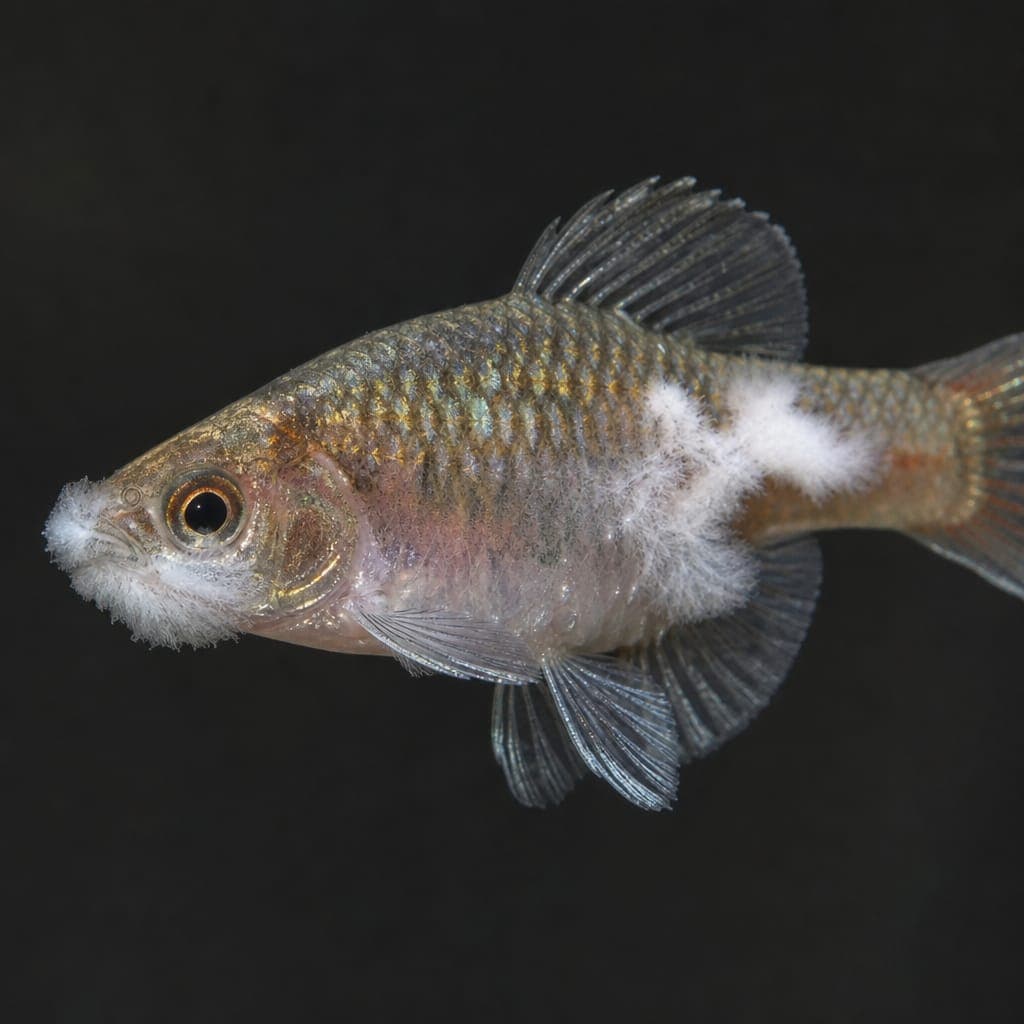
Costa's Tetras are generally resilient and hardy, but they remain susceptible to typical freshwater ailments when subjected to poor water quality or stress. The most common issues include ich (Ichthyophthirius multifiliis), fin rot, and fungal infections. They are sensitive to elevated ammonia and nitrite levels, as well as abrupt temperature shifts. Maintaining regular partial water changes, keeping steady water parameters, and quarantining new fish before introduction will ensure your school of Costa's Tetras stays vibrant and disease-free.