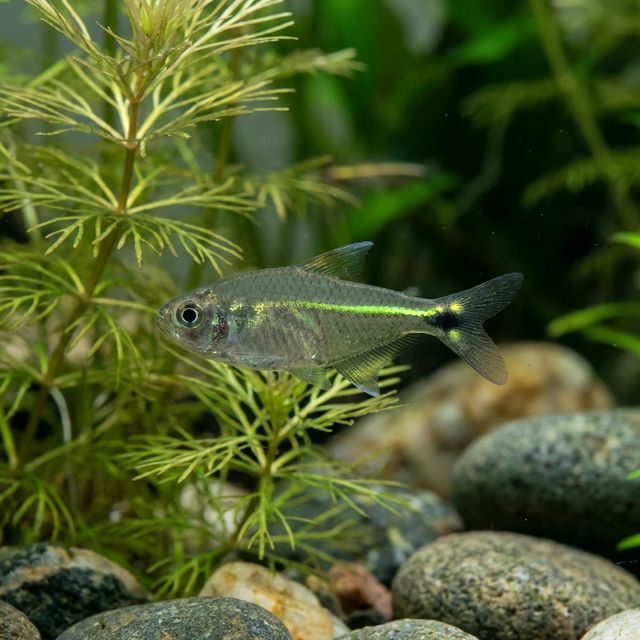
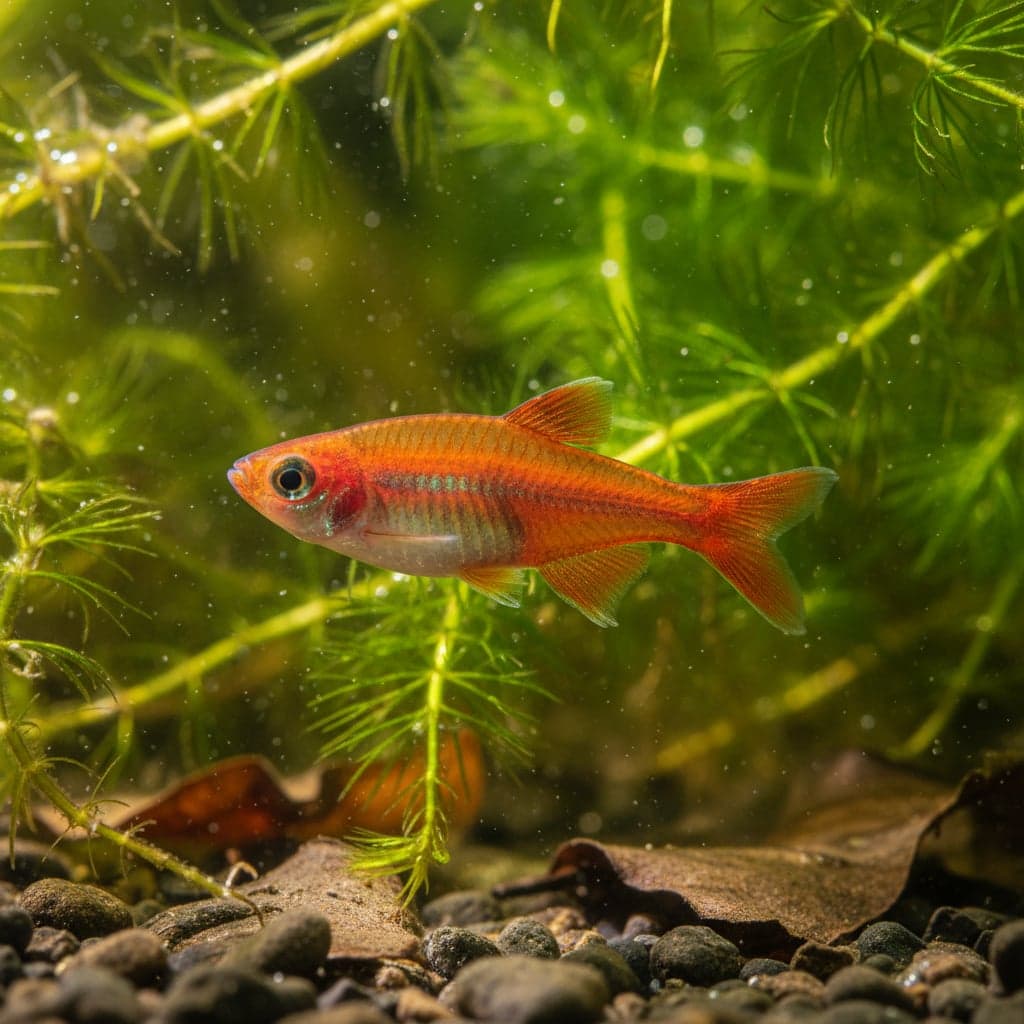
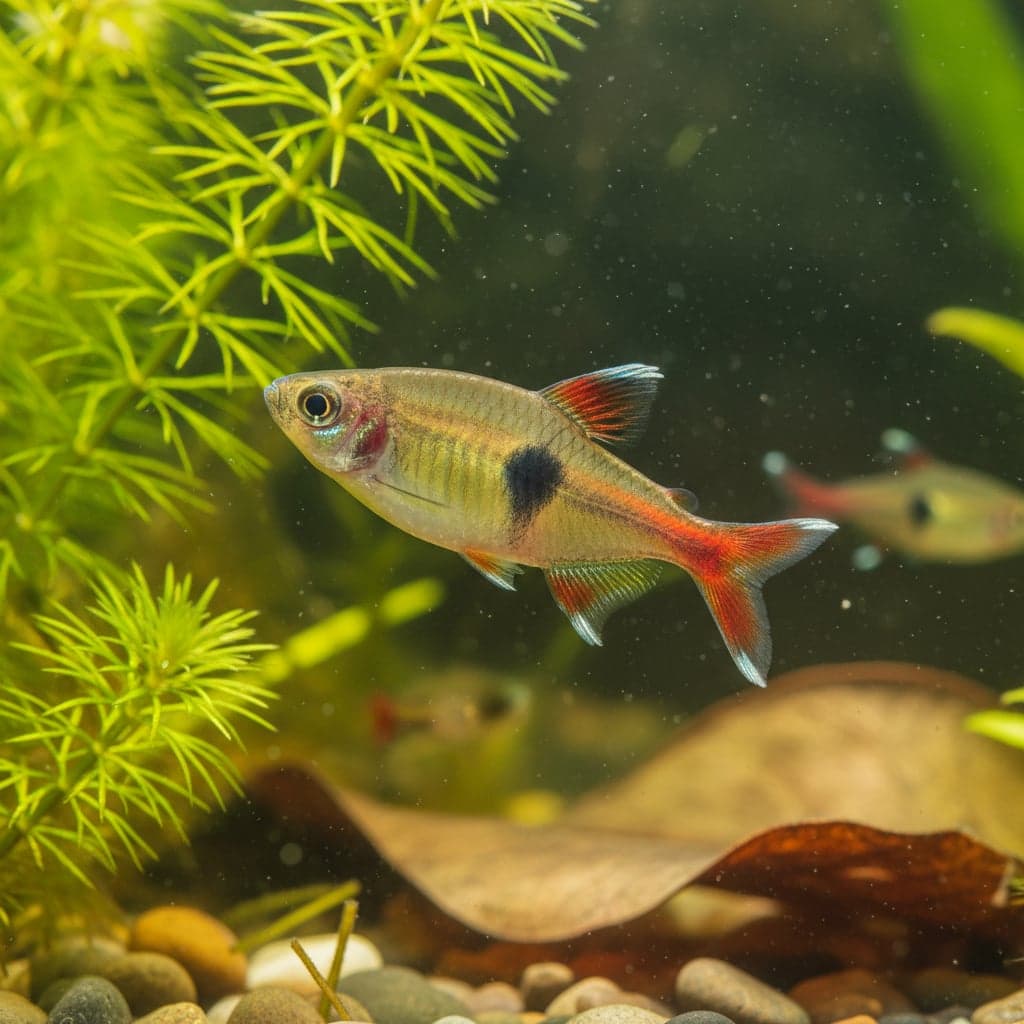
Costello Tetra: Hemigrammus hyanuary
Also called the Green Neon Tetra (not to be confused with Paracheirodon simulans). A subtle beauty.
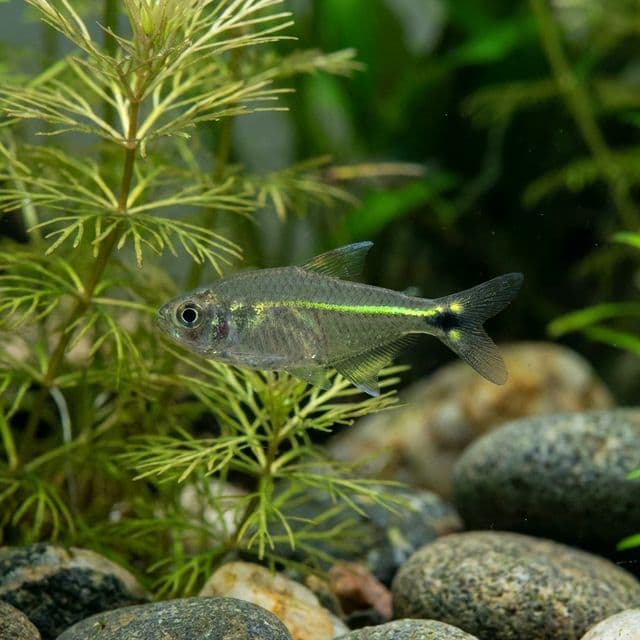
Costello Tetra
The Costello Tetra, scientifically known as Hemigrammus hyanuary, is a captivating freshwater fish that has become a favorite among aquarists due to its vibrant coloration and lively swimming patterns. Displaying a stunning array of iridescent blues and greens, these tetras often showcase a luminescent quality in the right lighting conditions, making them a visual centerpiece in any aquarium. With their slender bodies and elegant fins, Costello Tetras bring grace as they elegantly glide through the water, enchanting observers. Their striking appearance and active nature contribute to the vibrant atmosphere of a community tank, reaffirming their significance in the aquarium hobby.
In addition to their aesthetic appeal, Costello Tetras are relatively hardy and adaptable fish, making them suitable for both novice and experienced aquarists. They are known for their peaceful disposition, making them an excellent choice for community tanks where they can coexist harmoniously with other species. Their captivating behaviors, such as schooling in tight formations and interacting playfully with their environment, provide endless enjoyment for fish enthusiasts. As the demand for stunning and dynamic species grows, the Costello Tetra stands out as an essential addition to the diverse world of aquarium fish.
Natural Habitat & Origin
The Costello Tetra hails from the Amazon River basin in South America, predominantly found in the slow-moving waters of tributaries and floodplains. This geographical origin contributes to its preference for specific aquatic environments, typically characterized by acidic, soft water with low visibility. The natural habitat of these tetras consists of blackwater rivers enriched with decaying plant matter, leaf litter, and submerged logs, which provide both food sources and cover. Such conditions create a complex ecosystem that supports rich biodiversity, allowing Costello Tetras to thrive in their natural setting.
In these blackwater environments, the water is often stained by tannins released from decomposing organic matter, resulting in unique water parameters that favor the fish's needs. The natural tank settings mimic this with plenty of hiding spots and subdued lighting, which is essential for the Costello Tetra's comfort and mental wellbeing. By replicating these conditions in a home aquarium, aquarists can create a suitable environment that reflects the fish's natural habitat, enhancing their colors and overall health.
Care Requirements
To successfully keep Costello Tetras, specific water parameters must be maintained to provide an optimal living environment. The ideal pH levels range from 5.5 to 7.0, with a temperature of 24°C to 28°C (75°F to 82°F) being preferred. Additionally, the hardness of the aquarium water should stay between 2 to 10 dGH, which reflects the soft water conditions found in their natural habitat. Maintaining stable water conditions is crucial, as these fish can be sensitive to changes in their environment.
For tank setup, a minimum size of 20 gallons is recommended, providing ample swimming space for these active schoolers. The substrate should preferably be dark sand or fine gravel, which is gentle on their delicate fins. Incorporating branches, driftwood, and ample plants will help replicate their natural habitat and offer them hiding spots to encourage a sense of security. Soft, diffused lighting enhances their colors while reducing stress, creating a thriving environment for the Costello Tetra to flourish.
Diet & Feeding
Costello Tetras are omnivorous, requiring a varied diet to thrive. In their natural environment, they primarily consume small invertebrates, algae, and plant matter. In captivity, it’s crucial to provide a balanced diet consisting of high-quality flake or pellet food formulated specifically for tetras. Supplementing their diet with frozen or live foods such as brine shrimp, daphnia, or bloodworms can encourage vibrant colors and healthy growth. Occasional vegetable matter, like spirulina or finely chopped greens, can also provide important nutrients that keep them healthy.
It’s best to feed Costello Tetras small portions 2-3 times a day, ensuring that they consume everything within a couple of minutes to maintain water quality. A varied and consistent diet will not only keep the fish healthy but also enhance their natural behaviors and colors, making them an eye-catching addition to your aquarium.
Behavior & Temperament
Costello Tetras exhibit peaceful and social behavior, making them ideal candidates for community tanks. They are shoaling fish and thrive in groups, typically preferring to be kept in schools of at least six individuals. In larger numbers, they display more confident and active behaviors, darting around the tank and showcasing their natural liveliness. While generally non-aggressive, they can become skittish when kept alone or in very small groups, leading to stress and potential health issues.
These fish are known to occupy the mid-level of the tank, often hovering close to the surface or swimming in open water, occasionally darting to the lower levels when seeking cover. Providing plenty of swimming space alongside visual barriers created by plants and decorations can encourage natural behavior and reduce any territorial tendencies.
Tank Mates
When selecting tank mates for Costello Tetras, it is essential to consider their peaceful nature. Compatible species include other small, non-aggressive fish such as Corydoras catfish, Rasboras, various types of Dwarf Cichlids, and other Tetra species like Neon Tetras or Rummy Nose Tetras. They can also coexist comfortably with peaceful invertebrates, such as freshwater shrimp or snails.
However, it is crucial to avoid larger or aggressive species, such as Cichlids, Barbs, or any fish known for fin nipping, as these can stress the Costello Tetra and lead to injury or bullying. Creating a stable and harmonious community tank will enhance the overall health and vitality of these beautiful fish.
Breeding
Breeding Costello Tetras can be a rewarding endeavor for aquarists willing to provide the right conditions. To successfully induce breeding, a separate breeding tank is recommended. The setup should include soft, acidic water with temperatures around 26°C (79°F). A spawning medium, like fine-leaved plants or spawning mops, should be provided to give the female a safe place to lay her eggs.
When ready to breed, males will display more intense colors and can be seen courting the females. Once spawning is initiated, females can lay up to 100 eggs, which are typically adhesive and will stick to surfaces. After spawning, it’s advisable to remove the adults from the breeding tank to prevent them from consuming the eggs. Fertilization occurs quickly; within 24 to 36 hours, the eggs will begin to hatch. The fry will become free-swimming after a few days, and finely crushed flake food or infusoria can provide nourishment as they grow.
Common Health Issues
While generally hardy, Costello Tetras can be susceptible to certain health issues, particularly if tank conditions are not maintained properly. Common diseases include ich (white spot disease), fin rot, and velvet disease. Ensuring stable water parameters, avoiding overcrowding, and maintaining proper filtration are vital in preventing these issues.
Regular observation of your fish's behavior and appearance is crucial for early detection of any health problems. Prompt treatment, such as quarantine for affected individuals and the use of medicated foods or treatments, can effectively manage most ailments. Keeping the tank clean and free of uneaten food will also help minimize the risk of disease, promoting a long, healthy life in the aquarium. Quarantine newcomers, keep ammonia and nitrite at zero, and hold soft acidic parameters with regular partial water changes. Watch for white spots, frayed fins, clamped fins, or listless schooling, and treat promptly in a hospital tank. A school of six or more and a varied omnivore diet support immunity. With clean water and early action, Costello Tetras remain lively mid-water shoalers for years.