Melanotaenia x Glossolepis hybrid: Crossing Rainbowfish
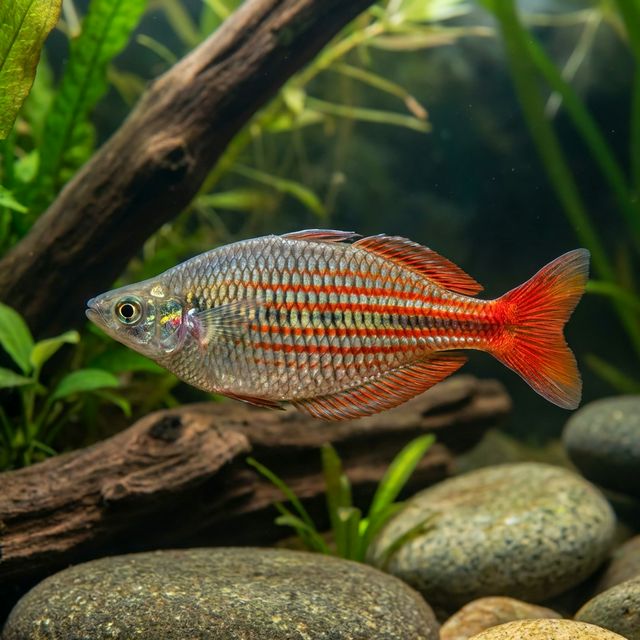
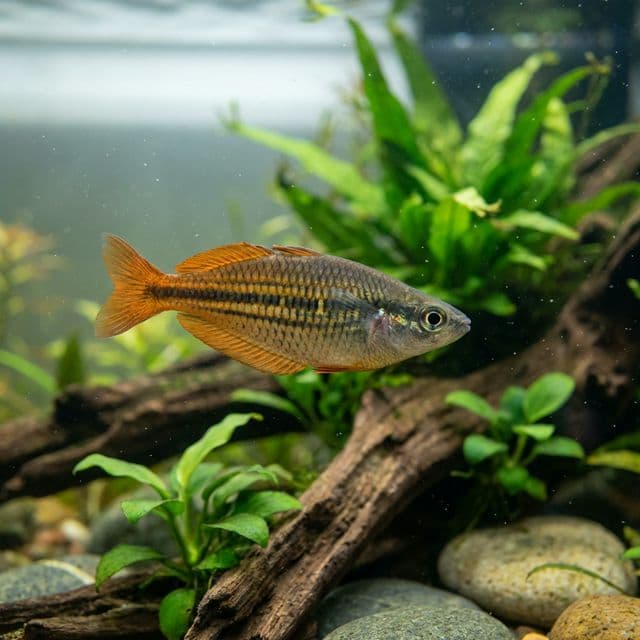
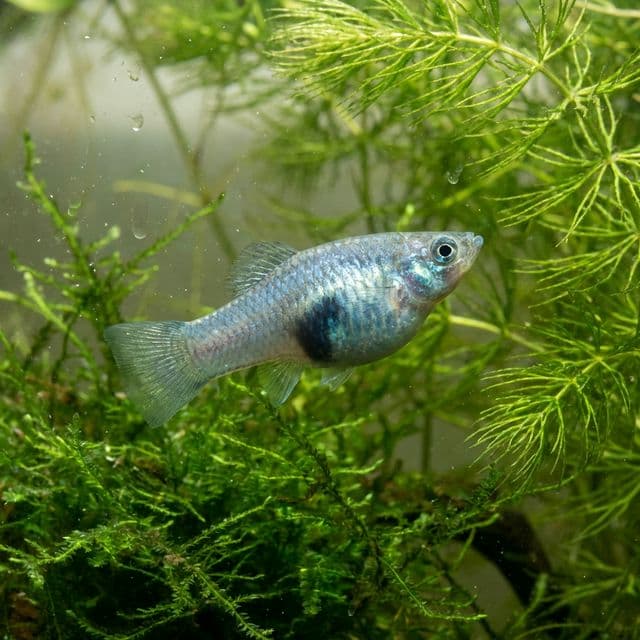
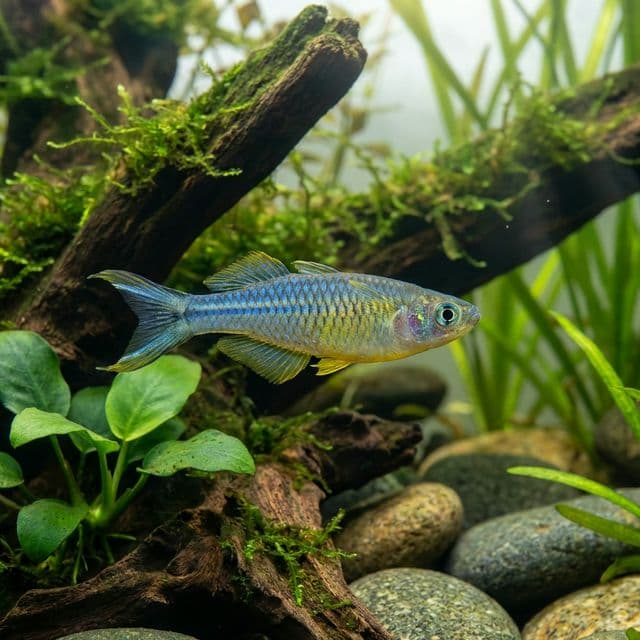
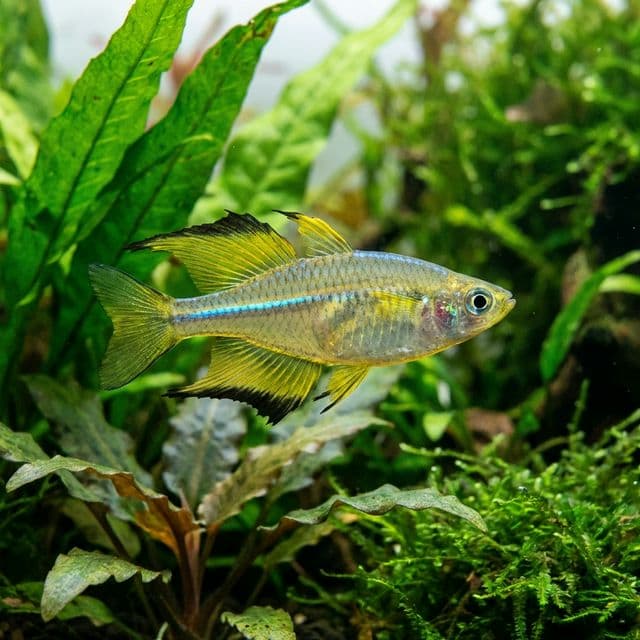
A hybrid rainbowfish. Often found in the hobby as accidental crosses between Melanotaenia and Glossolepis.

Melanotaenia x Glossolepis hybrid
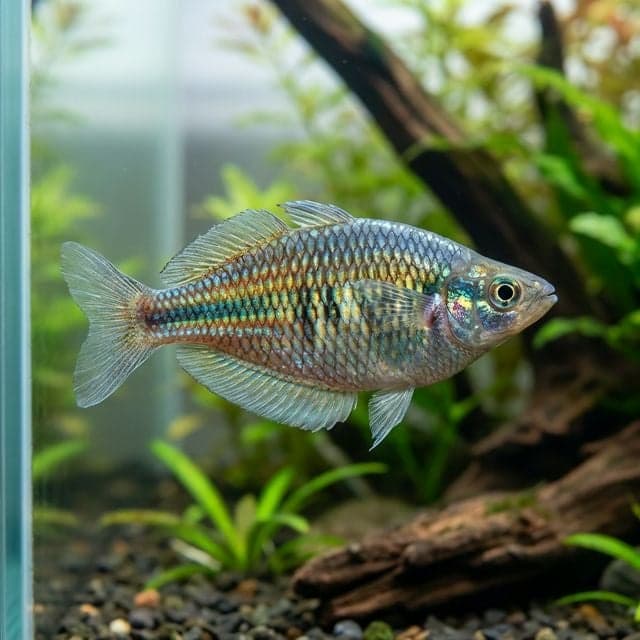
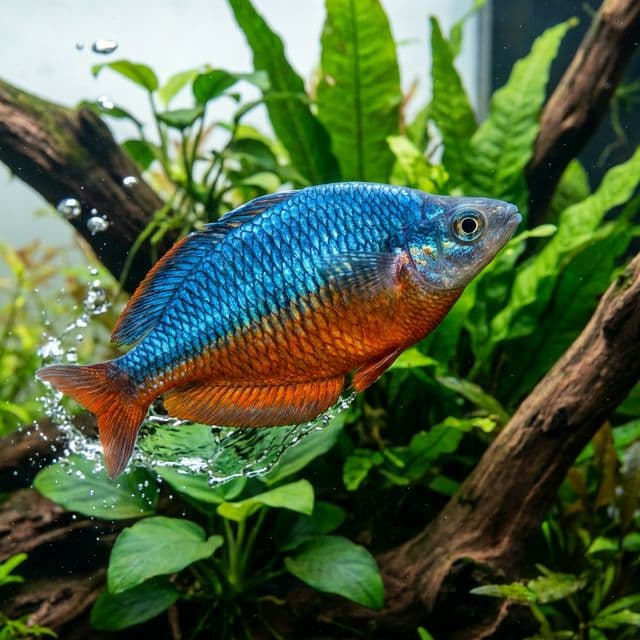
The Melanotaenia x Glossolepis hybrid, popularly known as the "Crossing Rainbowfish," is a vibrant and captivating species derived from the crossing of two beloved genera: Melanotaenia, known for their shimmering colors, and Glossolepis, recognized for their elongated bodies and vivid hues. This hybrid combines the best traits of both parent species, resulting in an eye-catching fish that showcases a palette of colors, including brilliant blues, reds, and yellows. The iridescent scales reflect light beautifully, making this fish a standout in any aquaristic setting. Moreover, their dynamic coloration can shift based on their mood and environmental conditions, adding an interactive visual element to the aquarium.
In the aquarium hobby, the Crossing Rainbowfish holds significant appeal not only for its beauty but also for its adaptability. It exemplifies the innovation and creativity found in fish breeding, offering aquarists a unique alternative to traditional species. Hobbyists appreciate these hybrids for their peaceful nature, making them ideal for community tanks. With proper care and attention, the Melanotaenia x Glossolepis hybrid can thrive and become a striking centerpiece in both freshwater aquariums and aquascape displays.
Natural Habitat & Origin
The Melanotaenia x Glossolepis hybrid originates from the lush waterways of Papua New Guinea and nearby islands. These regions are characterized by an extensive network of rivers, lakes, and streams, often surrounded by dense tropical vegetation. The waters where these fish are found range from clear, flowing streams to shallow lagoons with varying conditions. In their natural habitat, these fish inhabit freshwater environments that are typically rich in vegetation, providing ample hiding spots and breeding grounds. The specific environmental conditions play a crucial role in the hybrid’s development and behavior, contributing to its color vibrancy and overall health.
The water quality in their native habitats is typically soft and slightly acidic, with a pH that generally ranges between 6.0 and 7.5. The temperature in these regions typically averages between 24-28°C (75-82°F), creating an ideal environment for various aquatic life. The substrate often consists of fine sand or soft gravel, mixed with plant debris that offers a natural aesthetic and additional surface area for beneficial microorganisms. Understanding these geographical nuances is essential for aquarium enthusiasts aiming to replicate the natural conditions that foster the health and well-being of the Melanotaenia x Glossolepis hybrid.
Care Requirements
To ensure the optimal health of the Melanotaenia x Glossolepis hybrid, maintaining specific water parameters is crucial. The recommended pH level is between 6.0 and 7.5, with a water hardness of 2-12 dGH. The ideal temperature range is between 24-28°C (75-82°F), aligning with their natural habitat. Regular water changes of approximately 20% per week are essential to maintain water quality, given the fish's sensitivity to fluctuating conditions. A well-cycled aquarium with a reliable filtration system will support the overall stability and quality of the water.
In terms of tank setup, a minimum size of 100 liters (26 gallons) is recommended for a small group of these fish to thrive. The tank should be decorated with a combination of fine gravel or sand substrate, driftwood, and live plants like Anubias, Java Fern, and Vallisneria, which provide cover and encourage more natural behavior. Moderate lighting is ideal, complemented by shaded areas created through the use of taller plants or ornaments. This setup not only enhances the aesthetic appeal but also promotes a healthy and stimulating environment for the Melanotaenia x Glossolepis hybrid.
Diet & Feeding
The Melanotaenia x Glossolepis hybrid is primarily an omnivore and thrives on a varied diet that reflects its natural feeding behavior. In captivity, they benefit from a balanced diet that includes high-quality flakes, pellets, and freeze-dried foods. Additionally, offering frozen or live foods such as brine shrimp, daphnia, and bloodworms can stimulate their natural instincts and promote optimal health. Ensuring a diverse diet not only enhances their coloration but also supports their overall vigor and longevity.
Feeding should be conducted 2-3 times a day, providing only what they can consume within a few minutes to prevent overfeeding and water quality issues. Including vegetable-based options, such as spirulina flakes or algae wafers, is also beneficial to ensure a balanced diet. Regularly varying their food options will help to prevent dietary deficiencies and maximize their vibrancy, contributing to the dynamic beauty these fish bring to an aquarium setting.
Behavior & Temperament
The Melanotaenia x Glossolepis hybrid is known for its peaceful and sociable nature, making it an excellent addition to community aquariums. These fish exhibit strong schooling behavior, seeking comfort and security in groups. Ideally, they should be kept in schools of five or more, as this will not only enhance their confidence but also display their vibrant coloration most effectively. This schooling behavior makes them a lively presence in the aquarium, often seen darting playfully throughout the mid-water column.
While they are generally non-aggressive, the hybrid can exhibit mild territoriality, especially during breeding periods or in smaller tanks. It's essential to provide adequate space and hiding spots to accommodate their social dynamics. The Melanotaenia x Glossolepis hybrid prefers vertical space in the tank and will often be found swimming at various levels, contributing to the dynamic movement within the aquarium.
Tank Mates
Choosing appropriate tank mates for the Melanotaenia x Glossolepis hybrid is vital for maintaining a harmonious aquarium environment. Compatible species include other peaceful freshwater fish such as tetras (e.g., Neon Tetras, Rummy Nose Tetras), danios (like the Zebra Danio), a variety of rasboras, corydoras catfish, and smaller loaches. These species complement the hybrid’s peaceful nature while sharing similar care requirements, ensuring a stable community tank.
Conversely, avoiding aggressive or overly territorial species is crucial. Predatory fish like cichlids, larger barbs, and aggressive catfish are not suitable tank mates, as they can stress the hybrid and create an unbalanced community. Additionally, it’s advisable to avoid keeping them with fin-nipping species, as their elongated fins may attract such behavior. Ensuring a balanced community that promotes peace and vibrancy is the key to a successful aquarium setup.
Breeding
Breeding the Melanotaenia x Glossolepis hybrid in captivity can be a rewarding, yet challenging endeavor. These fish exhibit typical spawning behavior seen in many rainbowfish species. To initiate breeding, it is recommended to set up a separate breeding tank with a soft substrate, plenty of fine-leaved plants, or spawning mop to encourage egg-laying. A slightly acidic and soft water condition, with a pH range of 6.0 to 6.5 and temperatures around 25-27°C (77-81°F), creates favorable conditions for breeding.
During spawning, the male will court the female by displaying his colors and performing elaborate swimming patterns. Once the female is ready, she will scatter eggs among the plants. After spawning, it's advisable to remove the parents from the breeding tank, as they may eat the eggs. The eggs typically hatch within 24 to 36 hours, and the fry become free-swimming a few days later. Feed infusoria or finely crushed flakes until they can accept newly hatched brine shrimp, and perform frequent small water changes to support growth.
Common Health Issues
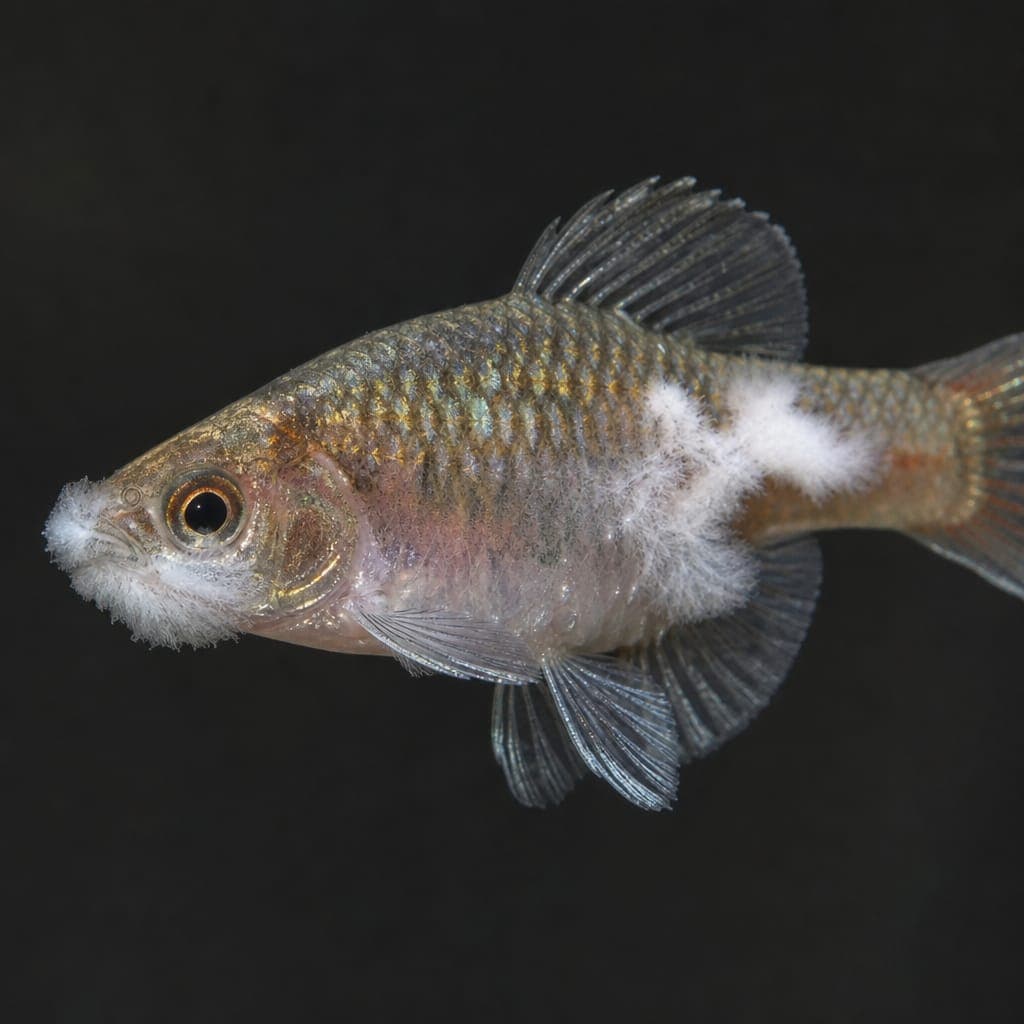
Crossing Rainbowfish are generally hardy but can develop ich, fin rot, or fungal infections when water quality slips or the school is stressed. Maintain stable temperatures, strong filtration, and regular water changes, and quarantine newcomers before adding them to the display. A varied diet and a proper group reduce nipping and immune suppression. Watch for white spots, clamped fins, or lethargy, and treat promptly so these hybrids stay vibrant, active mid-water swimmers for years.