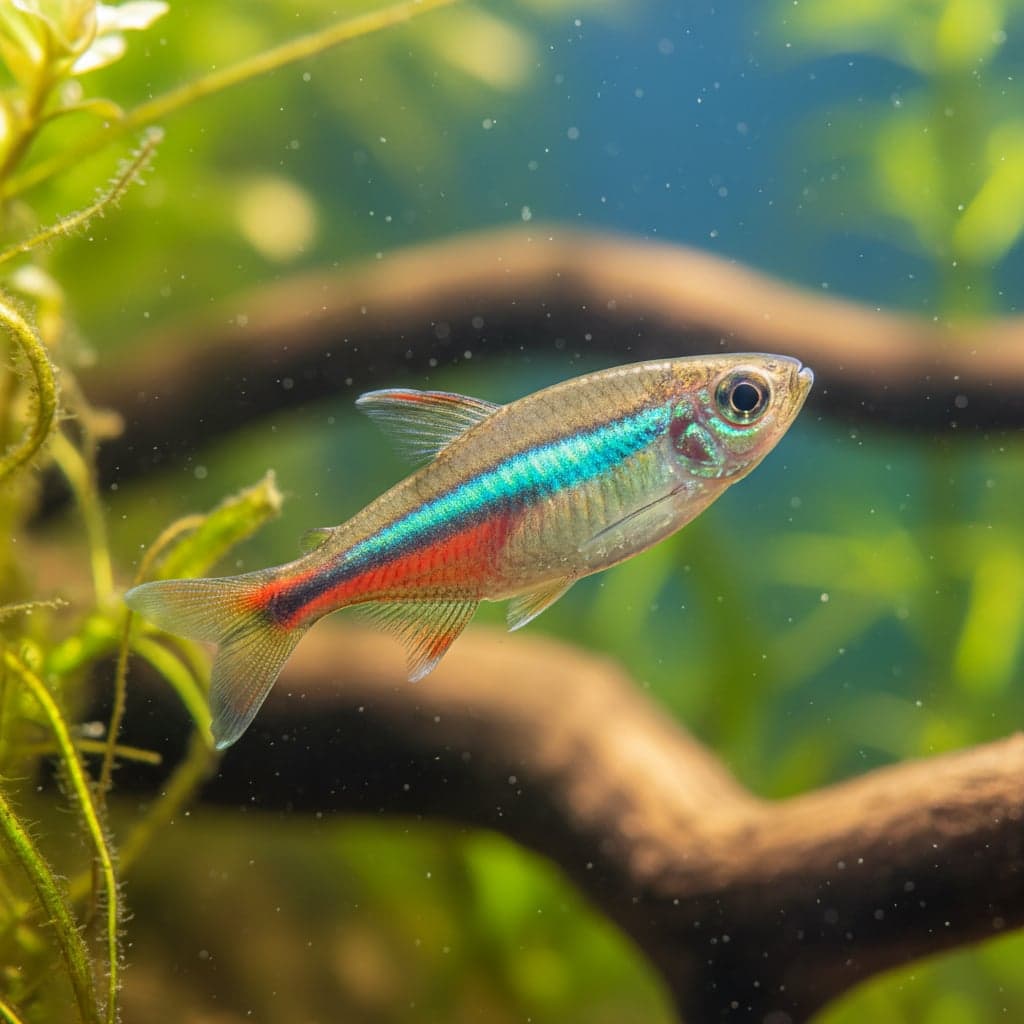
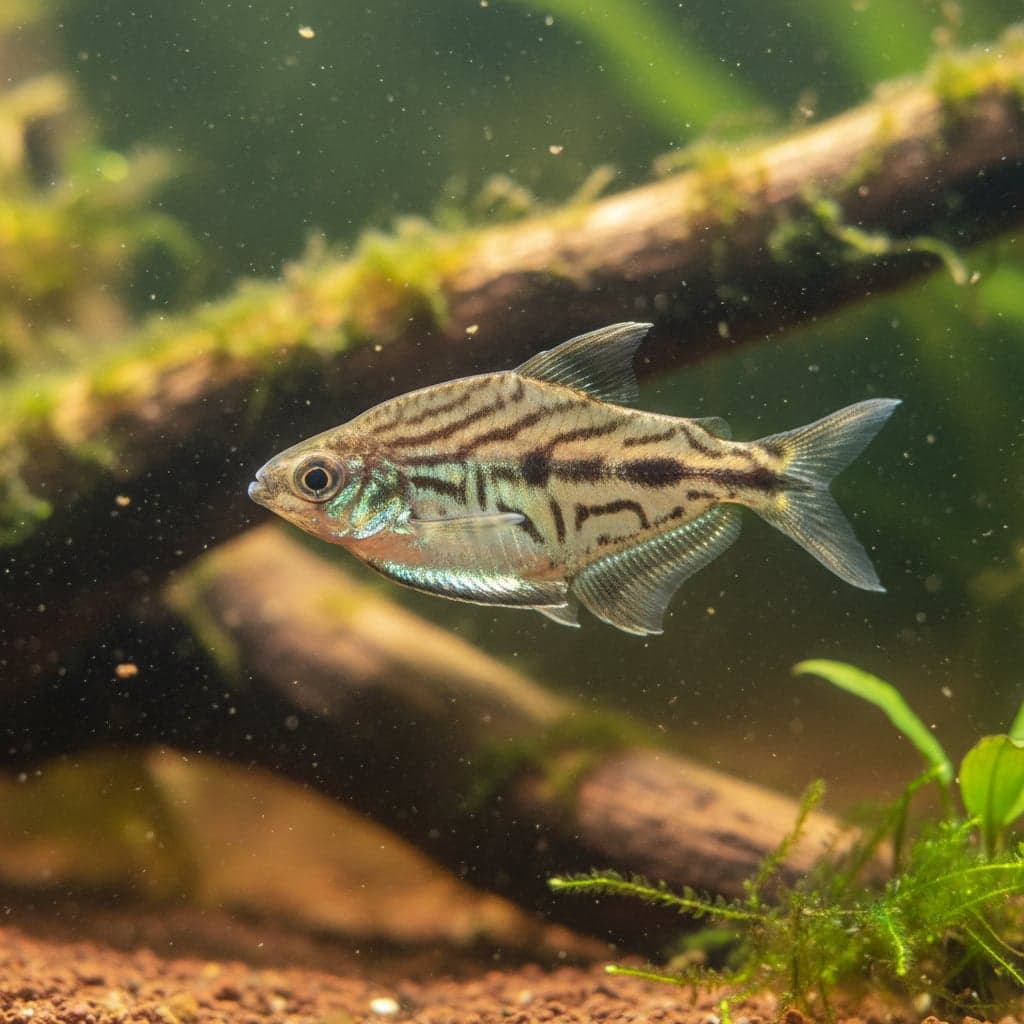
Crying Whiptail: Loricaria sp. Rio Atabapo
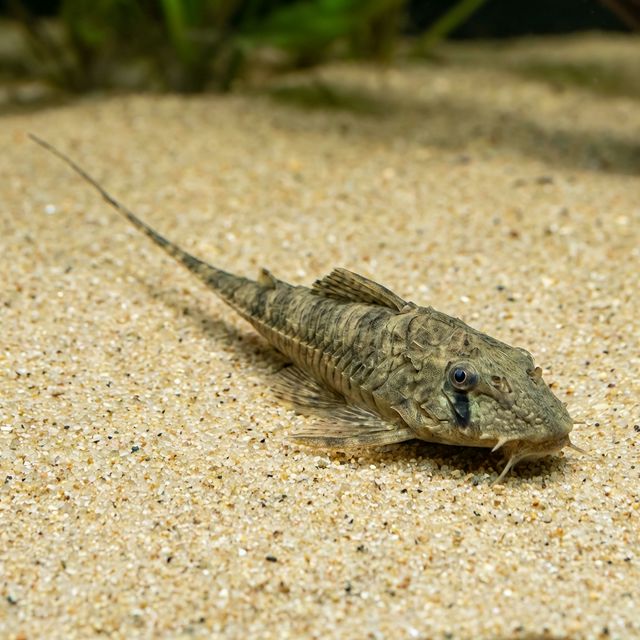
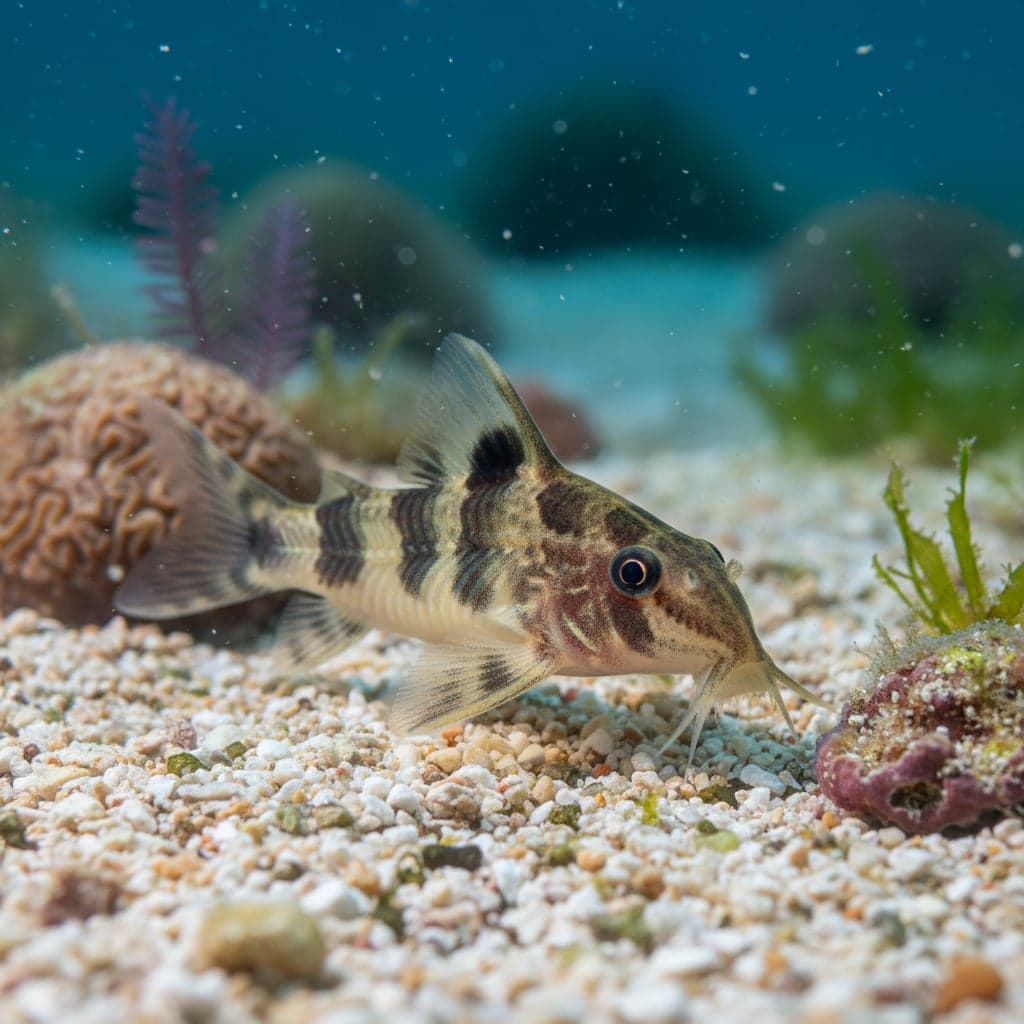
Named for the dark markings below the eyes that look like tear streaks. A dramatic-looking whiptail.
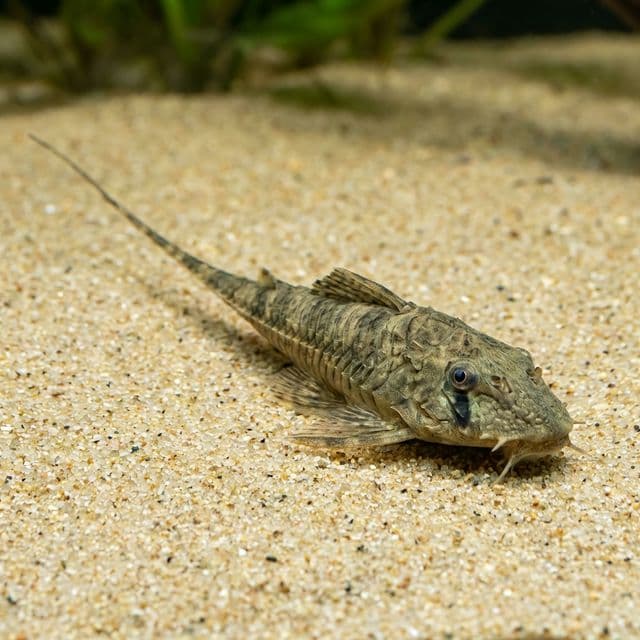
Loricaria sp. Rio Atabapo
The Loricaria sp. Rio Atabapo, commonly known as the Crying Whiptail, is a captivating species of freshwater catfish that has gained popularity among aquarists for its unique morphology and charming behavior. Characterized by its elongated body and distinctive flattened head, this species exhibits a beautiful brown and mottled pattern that allows it to blend seamlessly into its natural habitat, resembling the soft bosom of the substrate where it resides. What makes the Crying Whiptail particularly appealing is the adorable resemblance it exhibits when it is spotted resting on rocks or logs — the fish's subtle facial features and slight down-turned mouth convey a curious and almost whimsical demeanor.
As an integral part of the aquarium hobby, the Loricaria sp. Rio Atabapo serves not only as a stunning display fish but also plays an essential ecological role in its native ecosystem. Its natural feeding habits as an algae grazer help maintain the balance within local aquatic environments, promoting the health of surrounding flora and fauna. The Crying Whiptail's calm temperament and peaceful disposition make it an ideal candidate for community tanks. For hobbyists seeking to add a unique and visually striking species to their aquariums, this fish offers a delightful combination of aesthetic appeal and ecological significance.
Natural Habitat & Origin
The Loricaria sp. Rio Atabapo originates from the Rio Atabapo in Venezuela, a region characterized by its diverse ecosystems. This river and its tributaries are part of the Orinoco River basin, which features predominantly blackwater environments, rich in tannins and organic materials. These blackwater systems are essential for the survival of numerous fish species and are known for their dark, acidic waters, low nutrient levels, and slow-moving currents. The Crying Whiptail is typically found among submerged logs, leaf litter, and fine silt, where it utilizes its natural camouflage to hide from predators and ambush unsuspecting prey.
Encounters with the Loricaria sp. Rio Atabapo in its natural habitat highlight the importance of maintaining similar conditions in captivity to ensure its wellbeing. The water chemistry of the Rio Atabapo plays a significant role in shaping the behaviors and health of this species. Therefore, understanding its native environment is crucial for aquarists aiming to provide optimal living conditions for this fascinating catfish.
Care Requirements
For successful husbandry of the Loricaria sp. Rio Atabapo, specific water parameters must be maintained. The ideal pH range for this fish is between 5.5 and 7.5, and the water temperature should be consistently maintained between 24°C to 28°C (75°F to 82°F). Hardness levels should remain relatively soft, ideally around 2 to 10 dGH, reflecting the typical conditions of their natural blackwater habitat.
When setting up the tank, a minimum size of 75 liters (20 gallons) is recommended to provide ample space for swimming and exploration. The substrate should consist of fine sand or soft gravel to mimic the riverbed, and decorations such as driftwood and smooth, rounded rocks will create hiding places that this species appreciates. Lighting should be moderate to low, replicating the gentle illumination found in natural habitats. Planting dense vegetation, particularly species like Java moss or Anubias, will not only beautify the aquarium but also enhance the overall environment, offering additional hiding spots and feeding grounds.
Diet & Feeding
The Loricaria sp. Rio Atabapo is primarily an omnivore with a preference for herbivorous foods. In captivity, it thrives on a varied diet that includes high-quality algae wafers and sinking pellets. Supplementing its diet with blanched vegetables such as zucchini, cucumber, and spinach will help ensure proper nutrition and promote healthy growth. Additionally, offering occasional protein sources in the form of frozen or live foods — such as brine shrimp, daphnia, or bloodworms — can provide variety and enhance their overall health.
It's important to feed them small amounts multiple times a day rather than one large feeding, as this aligns with their natural foraging behavior. Overfeeding can lead to health issues, so monitoring their consumption and adjusting accordingly is vital. Providing a range of nutritious options will help promote the vibrant colors and robust health of the Crying Whiptail.
Behavior & Temperament
The Loricaria sp. Rio Atabapo exhibits a generally peaceful demeanor, making it suitable for community aquariums. This fish tends to be more solitary or mildly social, often seen foraging along the substrate and occasionally interacting with other compatible species. While they can be found both alone and in small groups, they do not display strong schooling behavior and feel secure when given ample hiding spots and refuge.
In terms of space utilization, the Crying Whiptail prefers the lower and mid-water levels of the tank. They are known to be more active during dawn and dusk, often venturing out to graze on algae and detritus before retreating to shaded areas during the brightest parts of the day. Keeping aquarium mates that reside in upper water layers or are peaceful in nature is essential for maintaining harmony in the tank.
Tank Mates
When selecting compatible tank mates for the Loricaria sp. Rio Atabapo, consider species that share similar water parameter preferences and exhibit non-aggressive behaviors. Suitable companions include community-friendly fish such as tetras, rasboras, peaceful barbs, and small cichlids. Suitable bottom dwellers like Corydoras catfish, Otocinclus, and other Loricaria species can also coexist peacefully with the Crying Whiptail.
Species to avoid include larger, aggressive fish such as cichlids known for territorial behavior, as well as fin-nippers that may stress or harm this gentle catfish. Ensuring compatibility is crucial to provide a balanced and thriving aquatic community for all inhabitants.
Breeding
Breeding the Loricaria sp. Rio Atabapo in captivity can be challenging, as specific conditions are required to induce successful spawning. Typically, breeding occurs when water changes simulate the seasonal rains, signaling to the fish that it is time to reproduce. Elevating the water temperature slightly and maintaining softer, slightly acidic water can also mimic their natural breeding environment.
A breeding setup should include a separate tank with plenty of hiding spots made from rocks or driftwood, as this provides suitable locations for the female to lay her eggs. Males will engage in courtship displays, which may involve nudging and swimming alongside the female. After fertilization, the female will lay adhesive eggs on flat surfaces or within the crevices of the decorations, which the male will then guard diligently. The incubation period lasts around 4 to 6 days before fry hatch, and they should be fed infusoria until they are large enough to accept finely crushed flakes or baby brine shrimp.
Common Health Issues
The Loricaria sp. Rio Atabapo is generally resilient, but it can be prone to certain health issues if the aquarium is not maintained properly. Common diseases include ich (white spot disease), skin infections, and gill flukes, often resulting from stress or poor water conditions. Routine tank maintenance, including regular water changes, proper filtration, and stable water parameters, is essential for preventing these issues.
To prevent ich, ensure that new fish are quarantined before introduction to the main tank, and keep temperatures and water quality steady. Soft substrates and gentle filtration protect their delicate barbels and armor plating. Early treatment of any white spots, clamped fins, or labored breathing, along with a varied diet, keeps the Crying Whiptail healthy and active.