The Crystal Red Shrimp: Caridina cantonensis
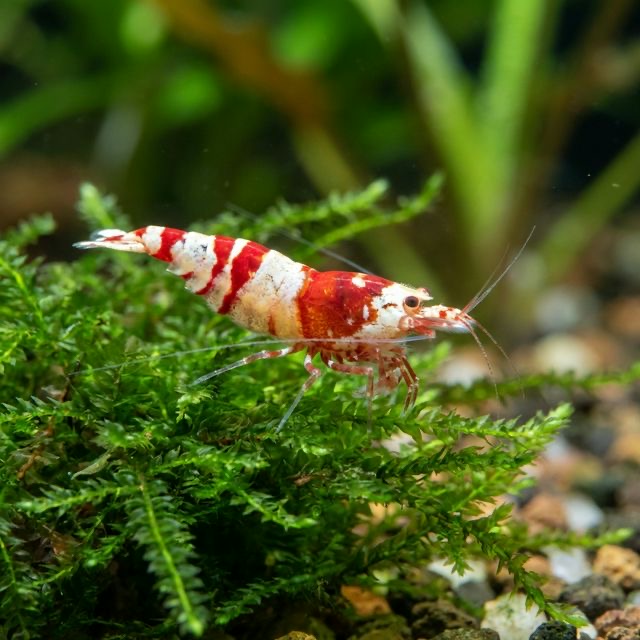
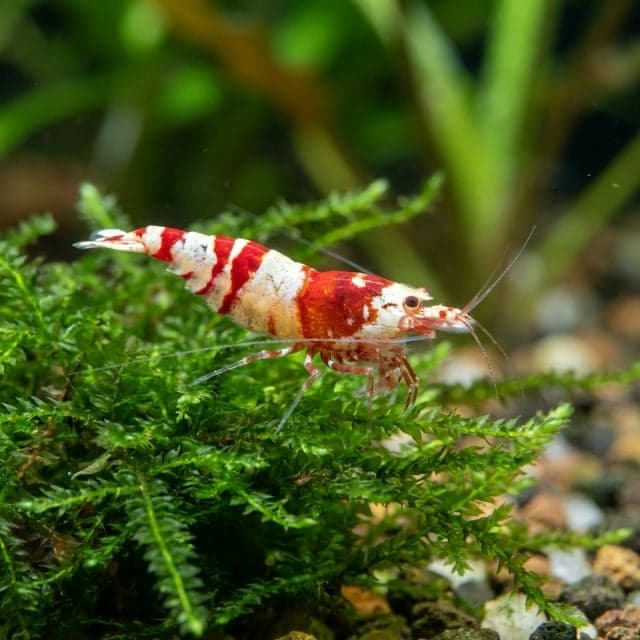
A striking red-and-white striped shrimp graded by its color intensity. A rewarding but demanding species that requires precise water parameters.
Crystal Red Shrimp
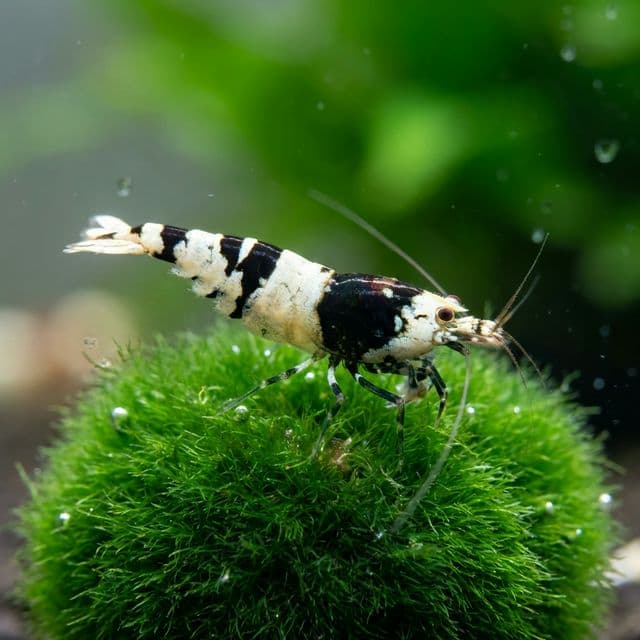
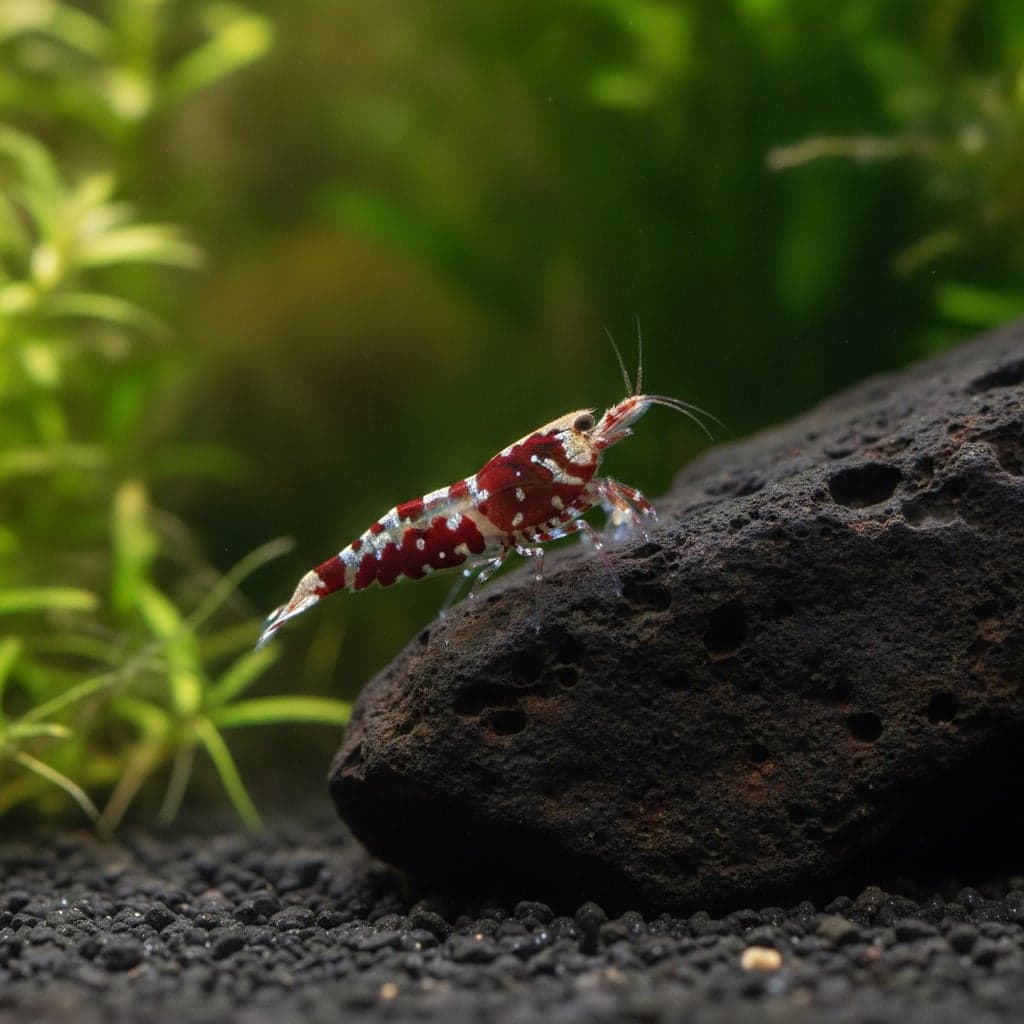
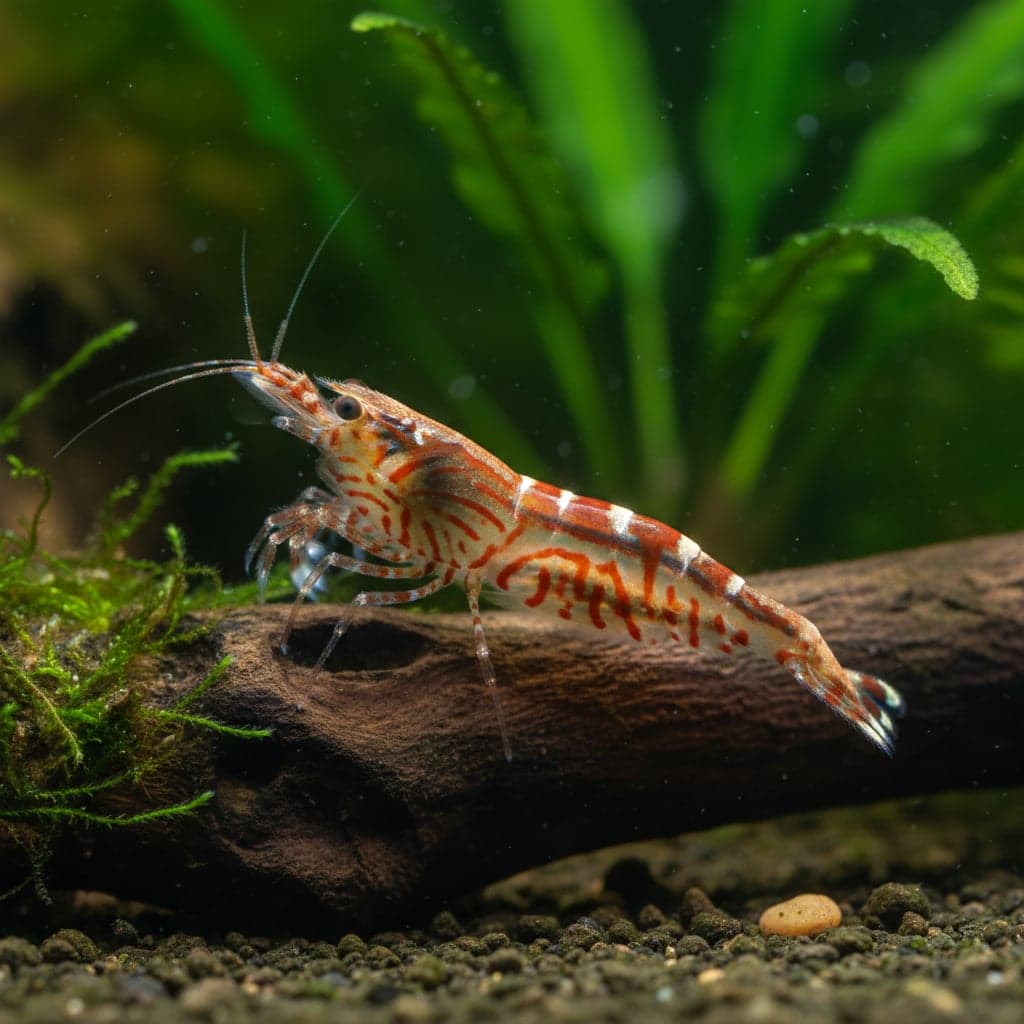
The Crystal Red Shrimp (Caridina cantonensis) is a popular and visually striking freshwater shrimp species in the aquarium hobby, known for its stunning red and white coloration. Breeding of these shrimp has led to a wide variety of morphs, showcasing patterns and shades that captivate aquarists. Their vibrant appearance not only enhances the aesthetic value of a tank but also makes them a sought-after species for both beginners and experienced shrimp keepers. Furthermore, the Crystal Red Shrimp plays an important ecological role in the aquarium setting by aiding in tank maintenance; they feed on algae and organic waste, thereby contributing to a healthier environment.
Beyond their aesthetic appeal, Crystal Red Shrimp are notable for their behaviors and interactions within their habitats. Their small size (typically around 1 to 1.5 inches) and peaceful nature make them ideal for community tanks, where they can thrive without competing with larger, more aggressive fish. As part of the Caridina genus, these shrimp exhibit fascinating social behaviors and can often be seen foraging together, adding life and activity to an aquarium. They are not just ornamental but also contribute to the endearing charm that an aquarist seeks in a well-planned aquatic ecosystem.
Natural Habitat & Origin
Crystal Red Shrimp originate from the mountainous regions of southern China, particularly from the areas surrounding the tributaries of the Pearl River. Their natural habitat includes freshwater streams and rivers characterized by soft, slightly acidic waters, often with a low conductivity. The surrounding environment is typically rich in leaf litter and decaying plant matter, which contributes to their diet and the biofilm they graze upon. This blackwater environment, with its tannin-stained waters, roots, and plants, helps create the perfect setting for Crystal Red Shrimp, offering them both shelter and foraging opportunities.
These shrimp thrive in well-structured habitats with plenty of places to hide and explore. This aspect of their natural habitat emphasizes the importance of replicating their environmental conditions within an aquarium. By mimicking the conditions of their rivers, aquarists can create stable ecosystems conducive to the shrimp's well-being.
Care Requirements
The care requirements for Crystal Red Shrimp are crucial for their health and wellbeing. Optimal water parameters include a pH range of 6.0 to 7.5, with temperatures maintained between 68°F and 74°F (20°C to 24°C). Water hardness should ideally be kept below 6 dGH, as these shrimp prefer softer, more acidic waters typical of their natural habitats. Additionally, regular testing of ammonia, nitrite, and nitrate levels will help maintain a stable environment conducive to their growth and breeding.
For tank setup, a minimum size of 10 gallons is recommended, especially if you plan to keep multiple shrimp. A substrate of fine sand or aqua soil allows for easy burrowing and a natural feel. It's also beneficial to incorporate live plants, as they provide both shelter and grazing surfaces for algae and biofilm. Moderate lighting helps support plant growth while leaving some dimly lit areas for the shrimp to retreat. Filtering should be done gently to prevent shrimp from being sucked into the filter; using a sponge filter is an excellent choice.
Diet & Feeding
Crystal Red Shrimp are omnivorous scavengers, thriving on a diet that includes algae, biofilm, and detritus. In addition to natural foraging, a varied diet of high-quality flakes or pellets specifically formulated for shrimp can ensure proper nutrition. These should be supplemented with blanched vegetables such as spinach, zucchini, and cucumber, providing essential nutrients for optimal health. Frozen or live foods like daphnia, brine shrimp, or bloodworms can also be offered as occasional treats to promote growth and vibrancy.
It is essential to feed them in moderation to prevent water quality issues, as uneaten food can quickly pollute the tank. Additionally, the feeding schedule should be consistent—not exceeding once a day—allowing the shrimp to consume what they can within a short span of time, generally around 2 to 3 hours.
Behavior & Temperament
Crystal Red Shrimp are peaceful and social creatures, often found foraging in groups. They exhibit curious behavior and are known to explore their surroundings actively, making them a joy to observe. These shrimp do not display any aggression, making them ideal for community tanks. They thrive best when maintained in groups, as solitary shrimp can become stressed or skittish.
In terms of placement within the aquarium, Crystal Red Shrimp tend to occupy all levels of the tank, from the substrate to mid-water areas, actively exploring plants and decorations. This level of activity not only enhances their visibility but also contributes to the ecological balance of the aquarium by promoting the health of algae and plant life.
Tank Mates
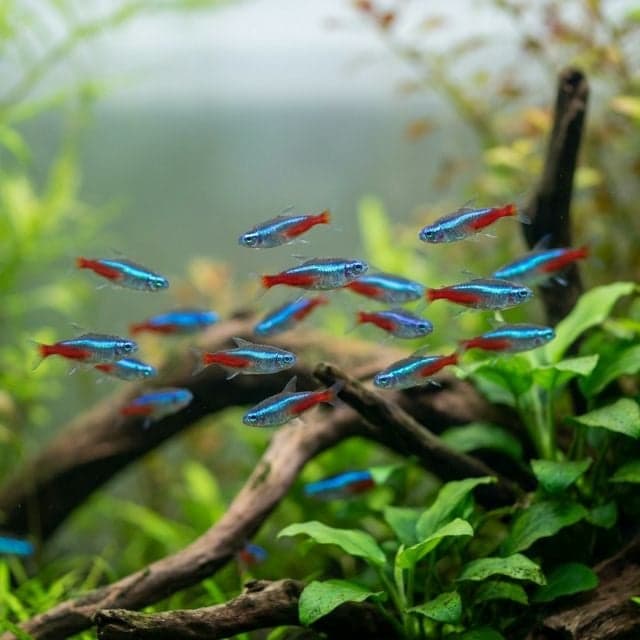
Choosing compatible tank mates for Crystal Red Shrimp is essential to ensure a harmonious community tank. Suitable companions include small, peaceful fish such as neon tetras, guppies, and various rasboras, which will not view the shrimp as food. Other dwarf shrimp species, such as Cherry Shrimp or Amano Shrimp, are also excellent additions, as they share similar care requirements and can coexist peacefully.
However, it is crucial to avoid larger or more aggressive fish species, such as bettas, cichlids, and larger tetras, as they may see the shrimp as a potential snack. Additionally, it's wise to keep away from any predatory species that could threaten the safety of your Crystal Red Shrimp.
Breeding
Breeding Crystal Red Shrimp in captivity is a rewarding endeavor and requires specific conditions to encourage successful reproduction. Mating takes place when females molt, releasing pheromones that attract males. For breeding, it's essential to maintain stable water parameters; a slightly lower pH (between 6.0 and 6.5) can enhance the breeding process. Additionally, providing plenty of hiding spots, such as moss or dense plant growth, gives females a safe place to carry and nurture their eggs.
The female typically carries around 20 to 30 eggs beneath her tail until they hatch into tiny, fully formed shrimp, usually within three to four weeks. It’s essential to maintain excellent water quality and avoid disturbance in the breeding area to ensure a successful breeding cycle.
Common Health Issues
While Crystal Red Shrimp are generally hardy, they can be prone to some common health issues. One prevalent problem is the occurrence of molting difficulties, which may happen if water parameters are not ideal or if there’s insufficient calcium to aid shell formation. It is vital to monitor water quality and ensure that the shrimp have access to calcium-rich foods or additives.
Another issue can be bacterial infections or algae infestations. Keeping optimal tank hygiene, regularly changing water, and ensuring proper filtration will help prevent these diseases. If signs of illness appear, such as lethargy, discoloration, or loss of limbs, prompt isolation and appropriate treatment measures should be taken to safeguard the health of the entire colony. Regular observation and proactive care can significantly reduce the risk of health issues amongst Crystal Red Shrimp.