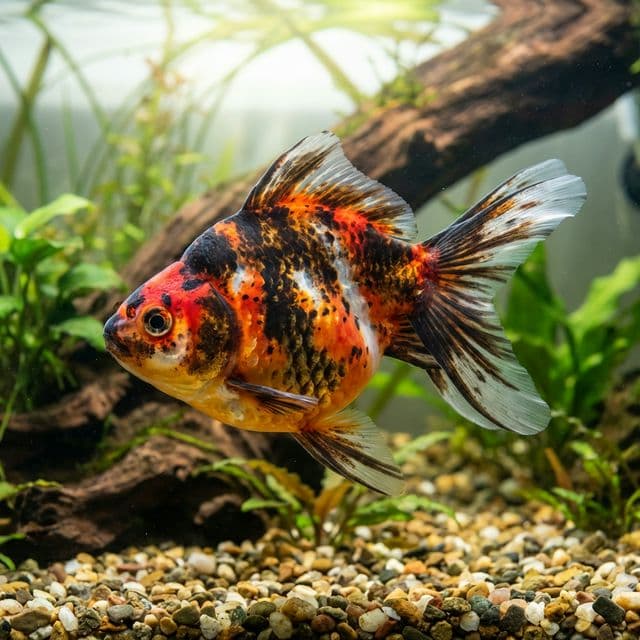
Dark-edged Splitfin: Girardinichthys multiradiatus
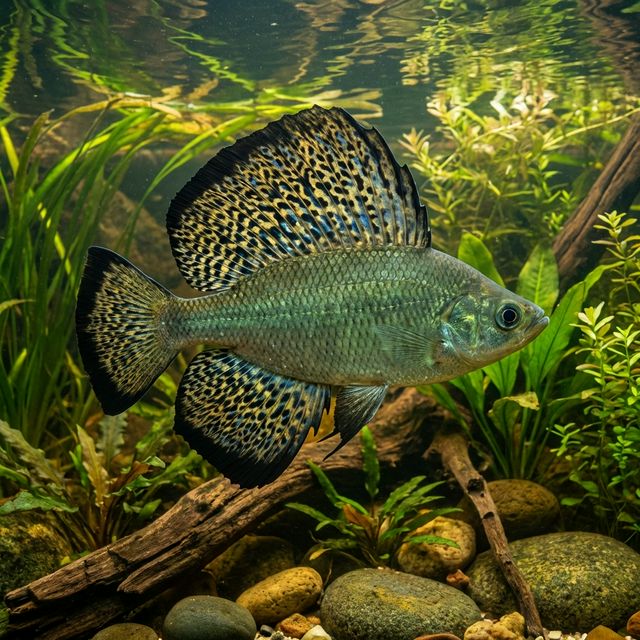
A rare Mexican goodeid. Males have dark edges on their fins and a bright yellow body.
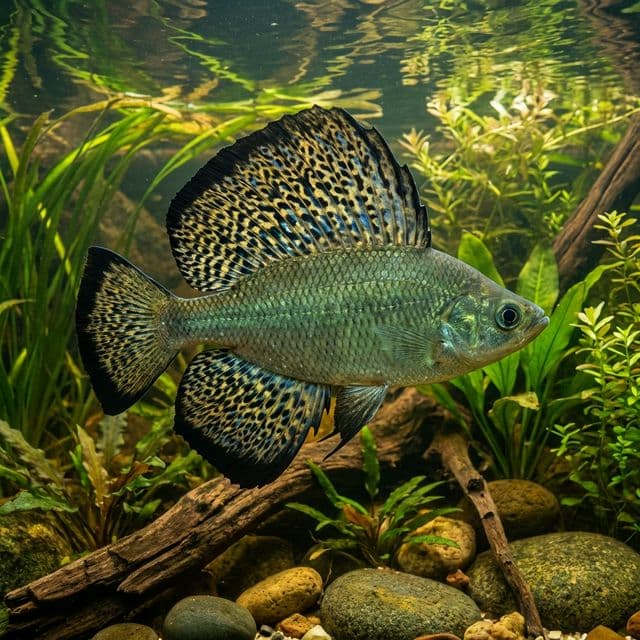
Dark-edged Splitfin
The Dark-edged Splitfin, scientifically known as Girardinichthys multiradiatus, is a strikingly beautiful freshwater fish that captivates aquarists with its unique appearance and charming behavior. This species is characterized by its elongated body and vibrant coloration, which is complemented by dark, prominent edges along its fins. The males typically exhibit more intense colors during breeding seasons, showcasing brilliant iridescence that tends to attract attention. Their captivating looks and unique fin structure make them a highlight in any well-maintained aquarium.
In terms of significance, the Dark-edged Splitfin represents an important species for enthusiasts seeking to introduce rare and lesser-known fish into their tanks. As a staple in the aquarium hobby, it is valued not only for its aesthetic appeal but also for its adaptive behaviors and fascinating social dynamics. Educating aquarists about this species can contribute to its preservation and promote ethical practices when sourcing fish for hobbyists.
Natural Habitat & Origin
The Dark-edged Splitfin is native to the lush wetlands and river systems of Central America, particularly found in Mexico and areas surrounding the Yucatán Peninsula. This fish thrives in a variety of habitats, favoring both slow-moving waters and densely vegetated areas, such as marshes and floodplains. These natural environments are often characterized by soft, acidic waters, abundant leaf litter, and an assortment of aquatic plants. The gentle current and abundant hiding spots contribute to a rich ecosystem that supports not only the Dark-edged Splitfin but also a myriad of other species.
The specific water type that the Dark-edged Splitfin inhabits tends to be more on the blackwater side due to the presence of decomposing organic matter, which adds tannins to the water, creating a tea-colored appearance. This natural condition implies that when creating an aquarium for this species, replicating a similar environment is ideal for their health and well-being.
Care Requirements
To provide a suitable habitat for the Dark-edged Splitfin, it is essential to maintain specific water parameters. The optimal pH level ranges between 6.0 to 7.5, with a temperature of 24°C to 28°C (75°F to 82°F) being ideal. Additionally, a water hardness of 5-15 dGH is recommended for their long-term health.
When setting up a tank for the Dark-edged Splitfin, a minimum size of 60 liters (15 gallons) is suggested to give them ample swimming space. A soft substrate, such as sand or fine gravel, is preferred since it mimics their natural environment. Including driftwood, rocks, and plenty of plants like Amazon swords or Java moss will create hiding spots and help them feel secure. Low to moderate lighting enhances their colors while mimicking the dappled sunlight found in their natural habitat.
Diet & Feeding
The Dark-edged Splitfin is primarily an omnivorous species, requiring a well-rounded diet to maintain optimal health. In captivity, they thrive on high-quality flakes or pellets designed for community fish, along with frozen or live foods such as brine shrimp, daphnia, and bloodworms. This variety ensures they receive essential nutrients and protein for growth and vibrant coloration. It is advisable to feed them small amounts several times a day rather than one large feeding to mimic their natural foraging behaviors and avoid overfeeding.
Behavior & Temperament
The Dark-edged Splitfin is known for its peaceful disposition and social behavior. These fish exhibit schooling habits and thrive when kept in groups of six or more, promoting a sense of security and fostering a more natural behavior pattern. Typically, they reside in the mid to upper levels of the aquarium, often seen swimming gracefully through the water column while darting back into plants for cover. While they are generally non-aggressive, males may display territorial behaviors during breeding season, so providing ample space and hiding spots is essential to alleviate potential skirmishes.
Tank Mates
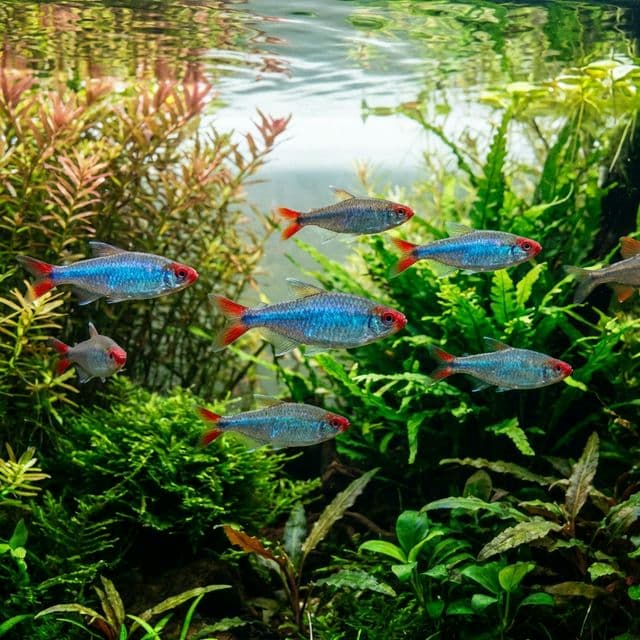
When selecting tank mates for the Dark-edged Splitfin, it is crucial to choose species that share compatibility in temperament and environmental needs. Ideal companions include smaller community fish such as Tetras, Rasboras, and Guppies, which promote harmony within the tank. Species to avoid include larger or aggressive fish, such as Cichlids or large Barbs, as they can pose a threat to the Dark-edged Splitfin due to their peaceful nature. Additionally, bottom-dwelling fish like Corydoras or Catfish can make excellent tank mates, as they usually do not compete with the splitfin for food or space.
Breeding
Breeding Dark-edged Splitfins can be a rewarding experience for dedicated aquarists. They are egg scatterers, requiring a spawning environment that mimics their natural habitat. To encourage breeding, introduce a pair into a soft, well-planted tank with clean, warm water conditions (26°C to 28°C / 78°F to 82°F). The presence of fine-leaved plants or spawning nets will facilitate egg scattering while offering protection for the fry after hatching. After spawning, it’s advisable to remove the parents, as they may consume their eggs. The eggs typically hatch within 24 to 36 hours, and the fry can be fed with infusoria or finely crushed flakes until they are large enough to consume standard fry food.
Common Health Issues
While the Dark-edged Splitfin is generally hardy, like any aquarium fish, it may be susceptible to certain health issues. Common diseases include ich (Ichthyophthirius multifiliis), fin rot, and swim bladder disease. Maintaining optimal water quality is the best preventive measure against these ailments. Regular water changes, proper tank maintenance, and a balanced diet can significantly reduce the risk of illness. Additionally, quarantining new fish before introducing them to the main aquarium can help prevent the spread of disease. Always monitor the behavior and physical condition of your Dark-edged Splitfin to catch any signs of illness early.