Debauwi Catfish: Pareutropius buffei
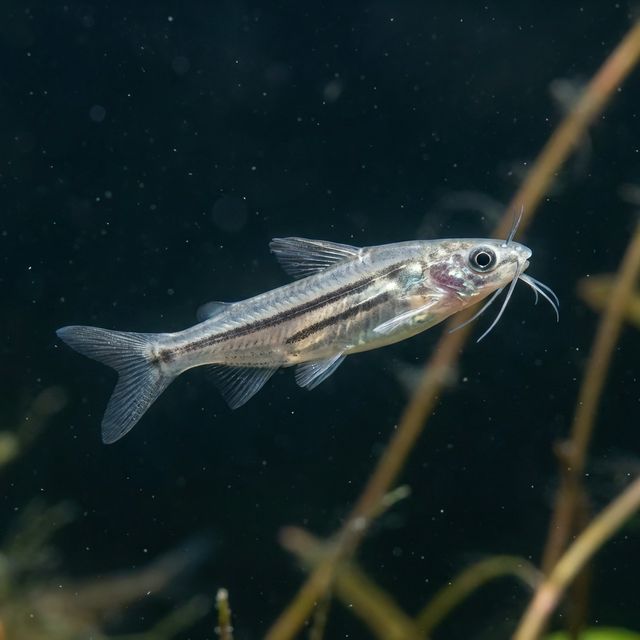
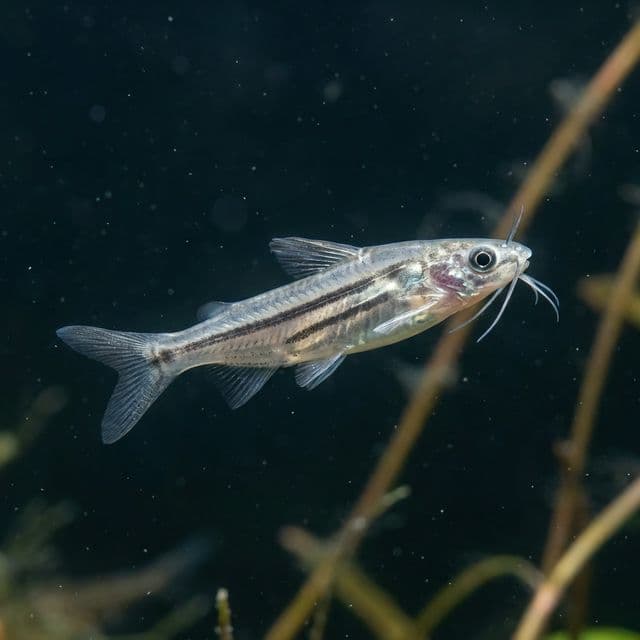
A slender, active, schooling catfish. One of the few catfish that swims mid-water constantly.
Debauwi Catfish
The Debauwi Catfish, scientifically known as Pareutropius buffei, is a captivating species that has gained popularity among aquarists due to its striking appearance and unique characteristics. Native to Central Africa, particularly the Congo River basin, this catfish boasts a sleek, elongated body adorned with beautiful patterns of light and dark shades that resemble the marbled textures often found in nature. Its distinctive coloration and streamlined form not only capture the aesthetic appeal of aquarists but also serve a practical purpose, allowing it to blend seamlessly into its natural habitat. This combination of beauty and function makes the Debauwi Catfish a desirable addition to both community tanks and species-specific setups.
Significance in the aquarium hobby extends beyond mere aesthetics; Debauwi Catfish are often seen as indicators of a healthy aquatic ecosystem, thriving in environments that require precise water quality and suitable tank conditions. Their active nature, coupled with their schooling behavior, adds dynamic movement to any aquarium setting. As more hobbyists look toward enhancing their aquascapes with vibrant, characterful fish, the Debauwi Catfish stands out as an exemplary species that not only enchants viewers but also fosters educational discussions about their natural habitat and the importance of proper care.
Natural Habitat & Origin
The Debauwi Catfish originates from the lush, biodiverse banks of the Congo River and its tributaries. This region features an intricate network of waterways characterized by blackwater and soft, acidic conditions, often teeming with decaying organic matter that contributes to the unique chemistry of the environment. The water in these habitats is typically stained by tannins from surrounding vegetation, creating a dark, tea-colored appearance that is low in nutrients but rich in biological diversity. The Debauwi Catfish has adapted to these conditions, making it crucial for aquarists to replicate similar parameters to ensure its well-being in captivity.
In its natural environment, the Debauwi Catfish often inhabits areas with slow-moving waters, where it can find shelter among submerged logs, leaf litter, and densely planted regions. The gentle flow of these waterways not only provides a constant source of oxygen but also fosters a variety of microorganisms that contribute to the overall health of the ecosystem. Understanding the natural habitat of the Debauwi Catfish is essential for aquarists looking to create a balanced and thriving aquarium that accurately reflects the fish's original environment.
Care Requirements
Caring for the Debauwi Catfish requires attention to specific water parameters and tank setup. Ideal conditions include a pH range of 6.0 to 7.5, with a temperature maintained between 24°C to 28°C (75°F to 82°F). The water should have a soft to moderately hard hardness level (3-12 dGH) to closely mimic their natural habitat. It is recommended that aquariums for Debauwi Catfish have a minimum size of at least 75 gallons, as this species enjoys swimming space and is best kept in schools of five or more individuals.
For tank setup, substrates should consist of soft sand or fine gravel to protect their delicate barbels, which are essential for navigating their environment. Adding driftwood and lush, growing plants will not only provide hiding spots but also replicate their natural surroundings, promoting a sense of security. Moderate lighting is optimal, reflecting the dappled sunlight that penetrates their native waters, while aquarium decorations should allow ample open swimming space for the fish to exhibit their sociable behavior.
Diet & Feeding
Debauwi Catfish are omnivores with a diverse diet focused on high-quality foods that cater to their nutritional needs. In captivity, a well-balanced diet should combine high-quality pellets or flakes specifically designed for omnivorous fish with protein-rich options, such as frozen or live foods like bloodworms, brine shrimp, and blackworms. Supplementing their diet with vegetable matter—such as blanched zucchini or spinach—can help provide necessary fiber and nutrients, contributing to a well-rounded feeding regimen.
To ensure optimal health and coloration, aquarists should provide a varied diet that includes both protein and vegetable material at least once a day. It’s important to avoid overfeeding, as excess food can lead to water quality issues and obesity in the Debauwi Catfish. Observing how the fish respond to different food types will assist in adjusting their diet for optimal growth and vitality.
Behavior & Temperament
Debauwi Catfish are known for their peaceful and social demeanor, often displaying schooling behavior when kept in groups. It is important to provide them with ample space to swim, as they thrive best in a community setting, exhibiting active and playful traits that engage aquarists. Within their school, they will often swim in synchrony, showcasing the dynamic characteristics that make them a joy to observe.
While generally non-aggressive, Debauwi Catfish can exhibit territorial behavior, particularly during breeding or if they feel threatened by larger or more aggressive species. Consequently, it's essential to arrange the tank with plenty of hiding spots and visual barriers using plants and decorations to help mitigate potential conflicts. In terms of vertical placement, these catfish tend to occupy all levels of the aquarium, often preferring the middle areas, which allows them to explore their environment efficiently.
Tank Mates
When selecting tank mates for the Debauwi Catfish, it is advisable to choose species that share similar water parameters and temperaments. Suitable companions include larger schooling fish such as tetras (e.g., Congo Tetra), peaceful cichlids (e.g., Apistogramma species), and other non-aggressive fish like rasboras or loaches. The size and behavior of potential tank mates should complement the Debauwi Catfish's peaceful nature to ensure a harmonious environment.
However, certain species should be avoided to mitigate aggression or competition for resources. Avoid pairing Debauwi Catfish with overly aggressive or territorial fish, such as certain cichlids (e.g., Oscars or Jack Dempseys) or fin-nipping species like barbs or some larger tetras. Additionally, small or delicate fish may become stressors for the Debauwi Catfish or fall victim to accidental harassment. A well-planned community tank with species that have compatible temperaments will enhance the overall success and enjoyment of keeping Debauwi Catfish.
Breeding
Breeding Debauwi Catfish in captivity can be a rewarding challenge for experienced aquarists. While not commonly bred in home aquariums, successful spawning typically occurs under specific conditions that mimic their natural environment. To encourage breeding, maintaining pristine water quality alongside optimal conditions—pH between 6.0 to 7.0 and a slightly lower temperature around 24°C (75°F)—is essential.
Debauwi Catfish are egg-layers; they prefer to spawn in dark, sheltered locations. Providing spawning sites, such as broad-leaved plants or spawning mops, will encourage the female to deposit her eggs, which the male will then fertilize. After breeding, it is advisable to separate the adult fish from the eggs, as they may consume their offspring. Incubation of the eggs typically lasts around 3 to 7 days, after which the fry can be fed suitable infusoria or finely crushed flakes for optimal growth during their early stages.
Common Health Issues
Debauwi Catfish are generally hardy fish, but they can still develop ich, fin rot, or bacterial infections when water quality slips or the group is stressed. Maintain soft, clean water with gentle filtration and regular partial changes, and quarantine newcomers before adding them. Soft sand protects barbels, and a varied sinking diet supports immunity. Watch for white spots, clamped fins, or lethargy, and treat promptly in a hospital tank. Avoid overcrowding and sudden parameter swings. With stable conditions, Debauwi Catfish remain active, schooling mid-water accents for years.