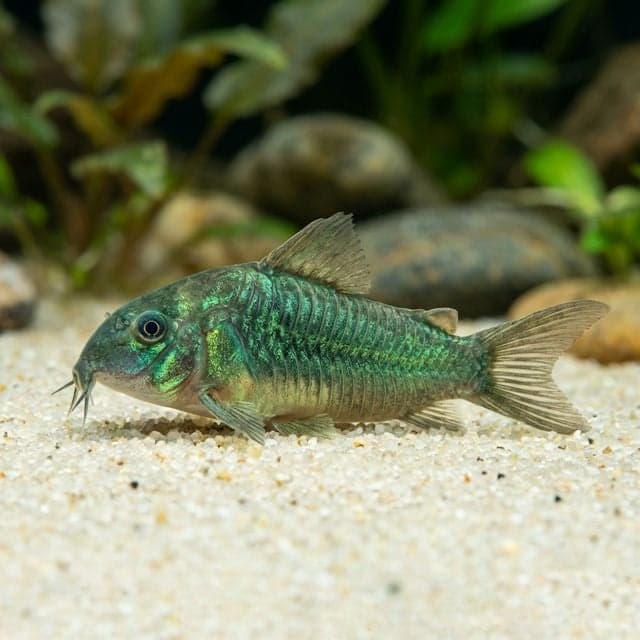
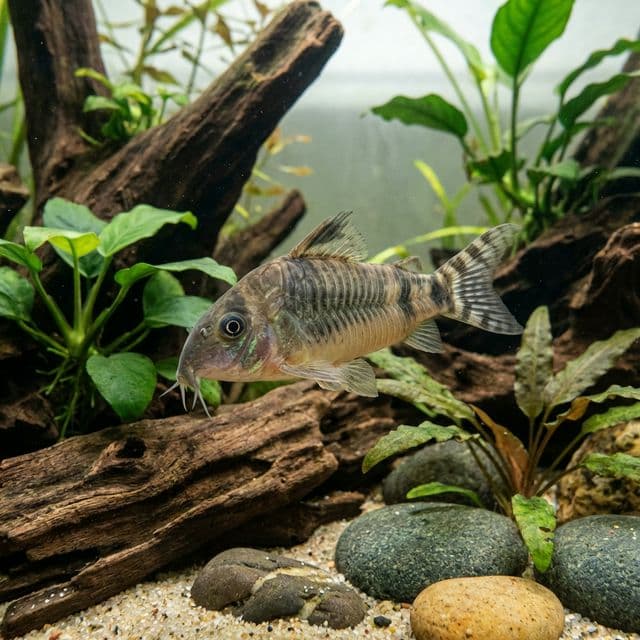
Delphax Cory: Brochis delphax
A rare and larger member of the Brochis/Emerald Cory family. Peaceful and impressive.
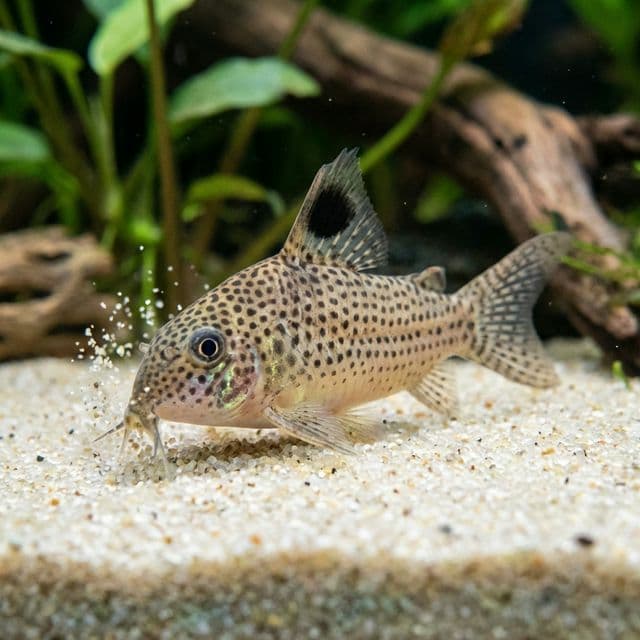
Delphax Cory
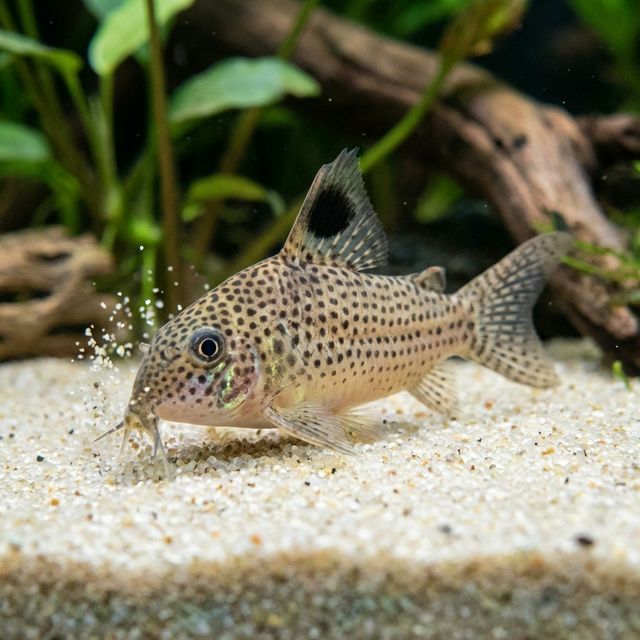
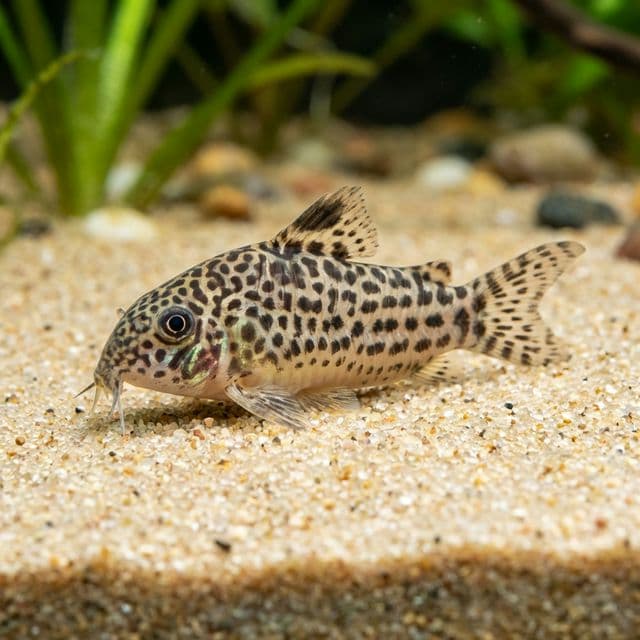
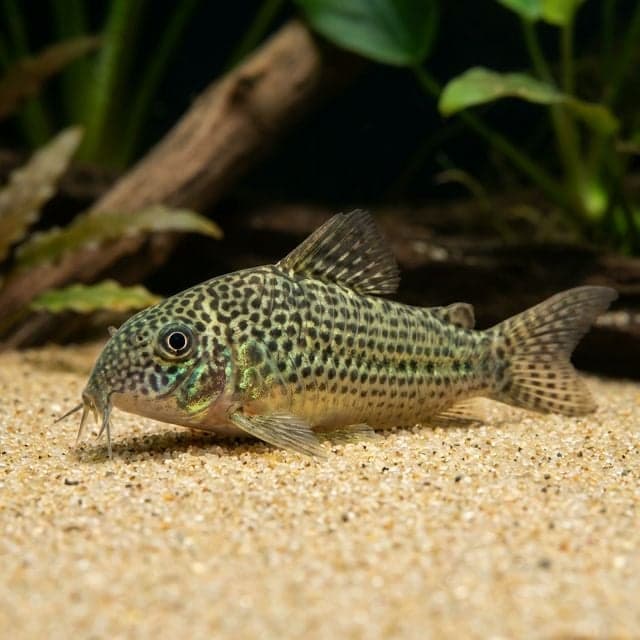
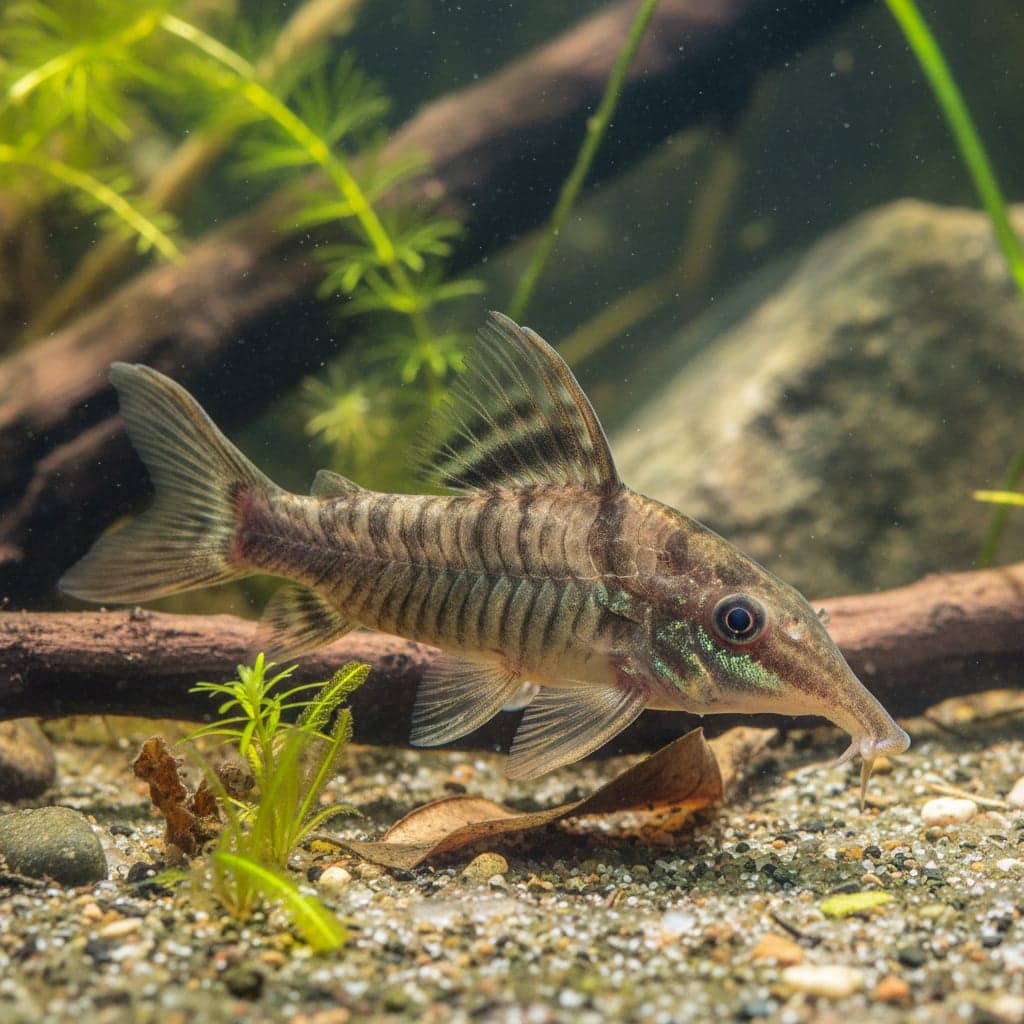
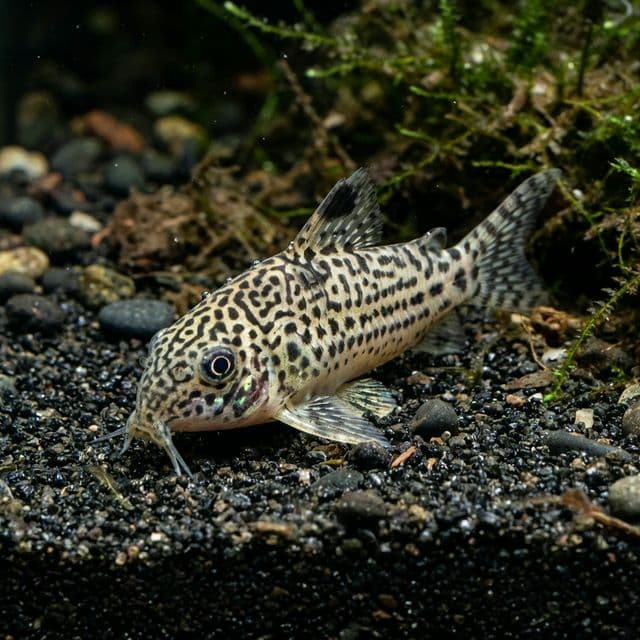
The Delphax Cory, scientifically known as Brochis delphax, is a charming freshwater fish that captivates aquarists with its striking appearance and peaceful demeanor. This relatively small species, often recognized by its intricate patterns and vibrant coloration, boasts a body that can range from subtle shades of olive green to rich bronze, with delicate speckling that adds to its uniqueness. The Delphax Cory's eyes are notably large and expressive, often giving it a curious and inquisitive demeanor, making it a delightful addition to community tanks. Its captivating presence, combined with its calm nature, has made it a favorite among both novice and seasoned aquarists.
In the world of aquarium keeping, the Delphax Cory holds significant value not only for its aesthetic appeal but also for its role as a bottom feeder. This species is known for its engaging behaviors, such as sifting through substrate in search of food, which adds movement and life to the tank. Its peaceful temperament makes it an excellent community fish, capable of cohabitating harmoniously with a variety of species. As a social creature, the Delphax Cory thrives in groups, offering additional entertainment and dynamic interactions for those who admire the lively ecosystem of their aquarium.
Natural Habitat & Origin
The Delphax Cory is native to the Amazon Basin, particularly in regions of Brazil and Peru, where it inhabits slow-moving rivers, streams, and flooded forested areas. Found predominantly in blackwater environments, these waters are characterized by their dark coloration and low nutrient content due to the decomposition of plant materials and the presence of tannins. The natural habitat of the Delphax Cory provides a unique ecosystem that features submerged logs, dense vegetation, and a variety of leaf litter, which are essential for their foraging behavior.
In their natural environment, these fish adapt to soft, acidic waters that are typically rich in organic debris. As such, recreating a similar setup in captivity is vital for their well-being. The blackwater habitats provide shelter and foraging opportunities, which significantly influence the Delphax Cory's behavior and overall health. Understanding their natural habitat is key to creating an optimal aquarium environment.
Care Requirements
To keep Delphax Corys thriving, it's crucial to maintain specific water parameters. Ideally, the water should have a pH range of 6.0 to 7.5, a temperature between 22-28°C (72-82°F), and a hardness level of 2-12 dGH. They prefer well-filtered water that ensures good water quality, as these fish are sensitive to sudden changes in their environment. Regular water changes of 10-15% per week are recommended to maintain optimal conditions.
The tank setup for Delphax Corys should mimic their natural habitat, necessitating a minimum tank size of 20 gallons. A fine, soft substrate such as sand or smooth gravel is ideal, as it allows them to forage without injury. The incorporation of live plants, driftwood, and rocks can provide much-needed hiding spots and visual barriers, enhancing their comfort and reducing stress. Adequate lighting should be provided, but it’s best to keep it moderate to create a more natural atmosphere.
Diet & Feeding
Delphax Corys are omnivorous and have a diverse diet in the wild, feeding on detritus, algae, and small invertebrates found in their environment. In captivity, they thrive on high-quality sinking pellets and flakes that are rich in plant material. Supplementing their diet with frozen or live foods, such as bloodworms, brine shrimp, or Daphnia, can enhance their nutrition and elicit natural foraging behaviors. Offering small amounts of food multiple times a day, rather than one large feeding, is recommended to simulate their natural feeding habits and keep them healthy.
It’s essential to ensure that their diet includes a variety of foods to prevent any nutritional deficiencies. Regular inclusion of vegetable-based foods, such as spirulina flakes or blanched vegetables like zucchini and peas, can also be beneficial, promoting overall health and coloration.
Behavior & Temperament
Delphax Corys are known for their mild-mannered and sociable nature, making them ideal candidates for community aquariums. They exhibit a strong schooling behavior, often preferring to stay in groups of at least six. This schooling instinct not only provides them with security but also encourages their playful antics as they explore the substrate and swim in unison.
In terms of vertical placement, Delphax Corys are primarily bottom dwellers, although they may occasionally venture into the mid-water levels. They are non-aggressive and coexist peacefully with most fish species, which makes them suitable for community tanks. Their friendly demeanor entices them to interact with both their own species and other non-aggressive fish, creating a vibrant aquarium atmosphere.
Tank Mates
Delphax Corys thrive in community tanks with peaceful fish species. Compatible tank mates include small tetras (like Neon or Rummy Nose), rasboras, guppies, and peaceful cichlids. Some species of loaches, danios, and other bottom-dwelling fish may also cohabit well with the Delphax Cory.
It’s best to avoid aggressive or territorial species, as well as larger fish that may see the Delphax Cory as potential prey. Species like bettas, large cichlids, or fish with nip-prone fins can lead to stress and aggression, harming the well-being of the Delphax Cory in a community setting.
Breeding
Breeding Delphax Corys in captivity can be a rewarding challenge, but it requires specific conditions to encourage spawning. A separate breeding tank with soft, slightly acidic water, a temperature around 26-28°C (78-82°F), fine substrate, and ample hiding spots is essential. The breeding process often begins with males displaying courtship behaviors, which involve showing off their colors and performing gentle nudges to entice females.
When ready, females may lay eggs on flat surfaces or between plants. It is crucial to separate the parents post-spawning, as they might eat the eggs. The eggs typically hatch in about 4-5 days, after which the fry will need finely crushed food or infusoria until they are large enough to accept standard fish food.
Common Health Issues
Delphax Corys are generally resilient but can be prone to certain health issues if not properly cared for. Common ailments include ich (a parasitic infection), fin rot due to poor water quality, and various fungal infections. Regular observation of their behavior and physical condition can help catch problems early.
Preventive measures include maintaining high water quality, performing regular tank maintenance, and ensuring a balanced diet. Quarantine new arrivals and monitor them closely to prevent the introduction of diseases. Regularly maintaining optimal water parameters and enhancing tank conditions with plants and hiding spots can significantly reduce stress, contributing to their overall health and longevity.