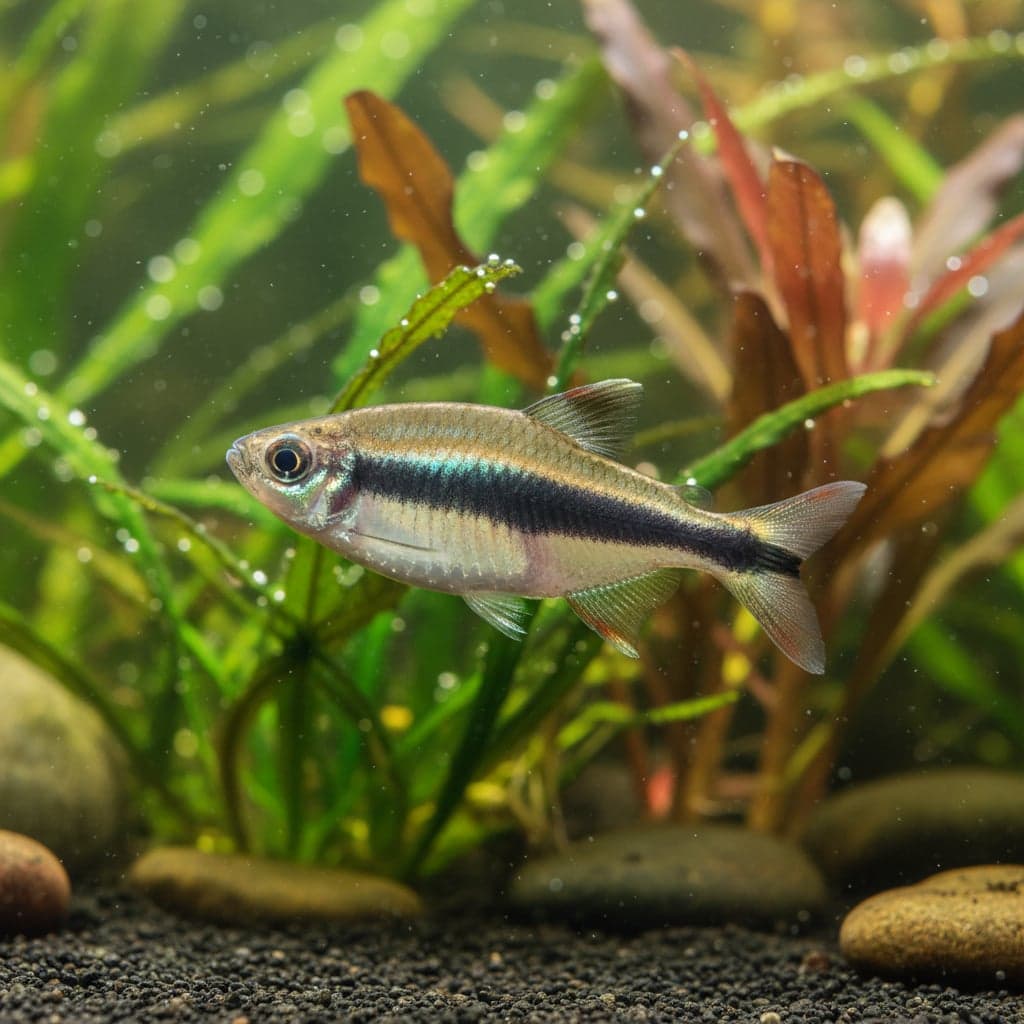
Diamond Tetra: Makunaima pittieri
A classic tetra with diamond-like scales that shimmer brilliantly. Easy to keep.
Also known as: diamond characin · Moenkhausia pittieri
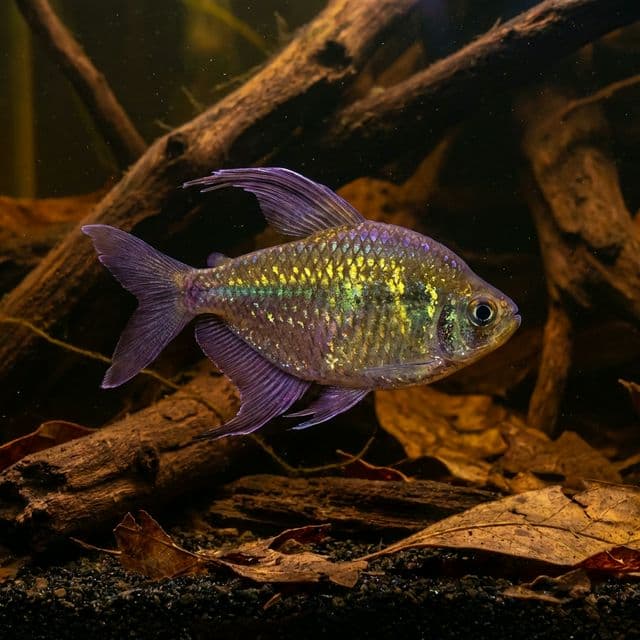
Diamond Tetra
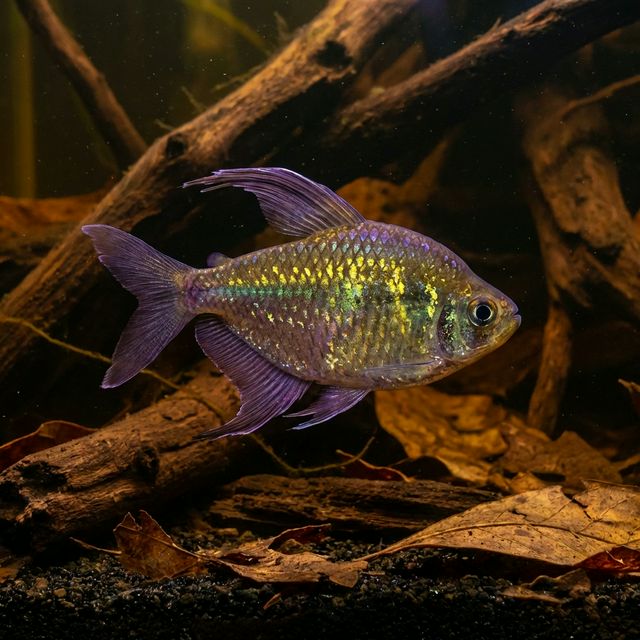
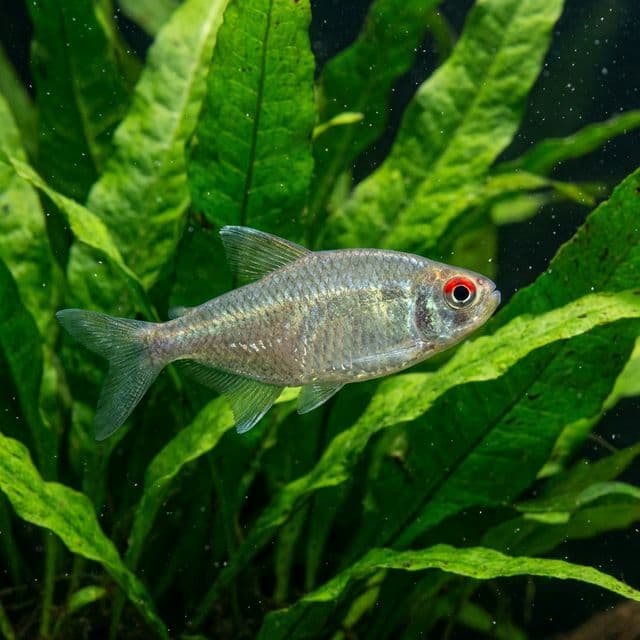
The Diamond Tetra (Makunaima pittieri) is a stunning freshwater fish admired for its captivating beauty and unique traits, making it a popular choice among aquarists. Native to South America, this species features a charmingly iridescent body that glimmers in shades of silvery blue and green, complemented by its distinct diamond-shaped scales. The fish can grow up to 2 inches in length, and its overall appearance showcases vivid fins, particularly the dorsal fin which often exhibits a hint of red or yellow. Due to its striking coloration and peaceful demeanor, the Diamond Tetra serves not only as an ornamental fish but also as an excellent community inhabitant, adding vibrancy and life to aquariums.
Significantly, the Diamond Tetra's popularity is not only due to its aesthetic qualities but also its robust nature, which makes it suitable for both novice and experienced aquarists. Their relatively uncomplicated care requirements allow hobbyists to maintain them successfully in a variety of settings. Beyond its visual appeal, the Diamond Tetra captivates aquarists with its social behavior; being a schooling fish, it thrives in groups and adds dynamic movement to the tank. Collectively, these traits contribute to the Diamond Tetra's enduring status as a favorite in the aquarium hobby, attracting enthusiasts eager to create a lively aquatic environment.
Natural Habitat & Origin
The Diamond Tetra is indigenous to the Orinoco River Basin in Venezuela and Colombia. This species primarily inhabits slow-moving waters including streams, rivers, and floodplain lakes. The natural environment of the Diamond Tetra embodies characteristics typical of blackwater ecosystems, where submerged vegetation, leaf litter, and various organic materials contribute to darker, stained waters. The low pH levels and high biodiversity found in these areas foster a habitat that the Diamond Tetra has adapted to thrive in, as it influences their behavior, diet, and overall well-being.
In its natural habitat, temperature ranges from 22°C to 28°C (72°F to 82°F), with slightly acidic conditions typically ranging from pH 5.5 to 7.0. The presence of tannins from decomposing plant matter infuses the water with a distinct brown shade, providing not only a refuge for various aquatic organisms but also hiding spots and breeding grounds for the fish. Understanding these environmental contexts is crucial for aquarists seeking to replicate the Diamond Tetra's habitat, ensuring a thriving and healthy environment for these striking fish.
Care Requirements
When it comes to caring for the Diamond Tetra, proper water parameters are essential to mimic its natural environment and promote optimal health. Ideal water conditions include a temperature range of 24°C to 27°C (75°F to 81°F), a pH level between 5.5 and 7.0, and a hardness of 2 to 15 dGH. Such favorable conditions provide a stable aquatic environment that allows these fish to thrive and exhibit their best colors and behaviors.
In terms of tank setup, a minimum size of 20 gallons is recommended to accommodate a school of at least six Diamond Tetras. The aquarium should ideally have a soft substrate, such as sand or fine gravel, to replicate their natural riverbeds. Incorporating driftwood, leaf litter, and live plants like Java moss and Amazon swords creates hiding spots and promotes a sense of security. Dim lighting complemented by shaded areas will help replicate the low-light conditions found in their native habitats, reducing stress and encouraging natural behaviors.
Diet & Feeding
The Diamond Tetra is an omnivorous fish with a varied diet that can encompass both plant and protein-based foods. In the wild, their diet consists of small invertebrates, insects, and plant matter. To ensure optimal health and coloration in captivity, it is advisable to provide a balanced diet comprising high-quality flakes or granules specifically designed for omnivores. Additionally, supplementing their diet with frozen or live foods like brine shrimp, daphnia, and bloodworms enhances their nutritional intake and encourages natural hunting behaviors.
Feeding should be moderate, ensuring that the Tetras receive adequate food without causing excessive waste or compromising water quality. Ideally, hobbyists should target feeding two to three times daily in small amounts that can be consumed within a few minutes. Such an approach not only meets the nutritional needs but also fosters the vibrant nature that these fish are known for, enhancing their colors and liveliness in the aquarium.
Behavior & Temperament
Diamond Tetras are known for their peaceful and sociable nature, making them an ideal choice for community tanks. They are schooling fish that thrive in groups of six or more, where they exhibit active swimming patterns and social interactions. In a well-planned aquarium, you will often see them darting through the water in playful bursts, showcasing their shimmering bodies.
In terms of behavior, the Diamond Tetra displays very low aggression levels, even towards other species. They tend to occupy the middle to upper levels of the aquarium, making them an excellent addition to multi-layered tank designs. Providing adequate space and hiding spots is essential, as it encourages natural behavior and reduces stress, promoting a more harmonious community atmosphere.
Tank Mates
When selecting tank mates for the Diamond Tetra, compatibility is key to ensure a peaceful environment. Ideal tank mates include other small, non-aggressive fish such as Neon Tetras, rasboras, dwarf cichlids, and Corydoras catfish. Such species share similar water requirements and social behaviors, enhancing the community aspect of the aquarium.
Conversely, it is advisable to avoid larger or aggressive species that may pose a threat to the Diamond Tetra, such as cichlids, larger barbs, or fish known for fin-nipping behavior, like some varieties of angelfish. Maintaining an appropriate balance of compatible species will ensure that all inhabitants live harmoniously, as well as highlight the beauty and graceful movements of the Diamond Tetra within the tank.
Breeding
Breeding Diamond Tetras can be a rewarding experience if the right conditions are established in captivity. They typically engage in spawning behavior during the evening when the water temperature is slightly elevated to around 26°C (79°F). To create a conducive breeding environment, a separate breeding tank with a soft, spawning substrate, like fine-leaved plants or spawning mops, is recommended.
During the breeding process, males will exhibit courtship displays to attract females, often swimming around them while flashing their colors. After fertilization, the eggs are usually laid amongst the plants, and parents should be removed to prevent them from eating the eggs. In optimal conditions, the eggs will hatch in approximately 24 to 36 hours, after which the fry will begin their journey towards independence. Careful monitoring of water quality and providing appropriate food (infusoria or finely crushed flakes) for the fry is essential for their successful growth and development.
Common Health Issues
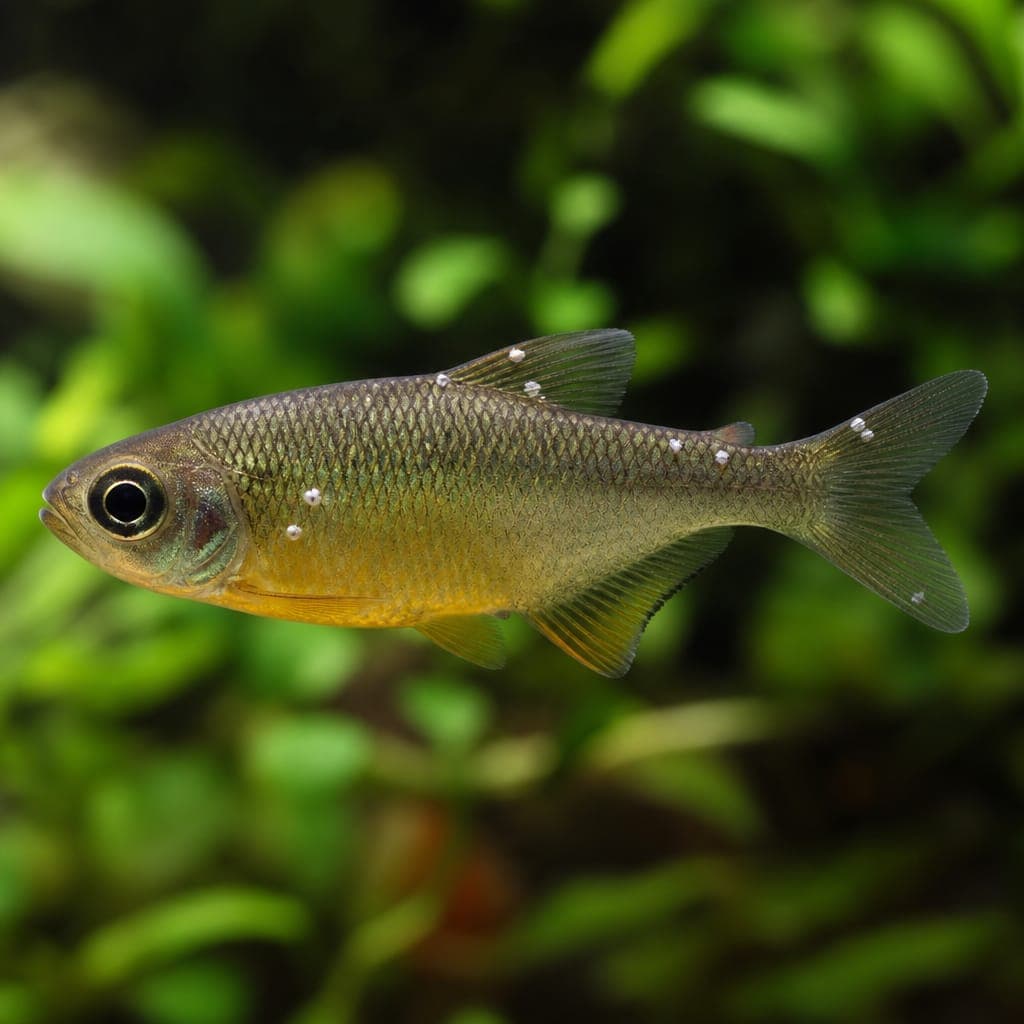
While the Diamond Tetra is generally robust, they can be prone to common ailments that affect freshwater fish. Notable diseases include Ich (Ichthyophthirius multifiliis), fin rot, and various parasitic infections. Preventing these issues involves maintaining stable water conditions—regular water changes and monitoring pH and ammonia levels are pivotal in keeping these fish healthy.
Providing a balanced diet, minimizing stress through adequate schooling, and avoiding overcrowding are also crucial preventive measures. Additionally, introducing any new species gradually and taking a quarantine period seriously will greatly reduce the risk of introducing pathogens into an established school.