The Discus: Symphysodon sp
The King of the Aquarium. A disc-shaped cichlid with otherworldly color patterns—demanding in care but unmatched in beauty and presence.
Also known as: discus fish · Symphysodon

Discus
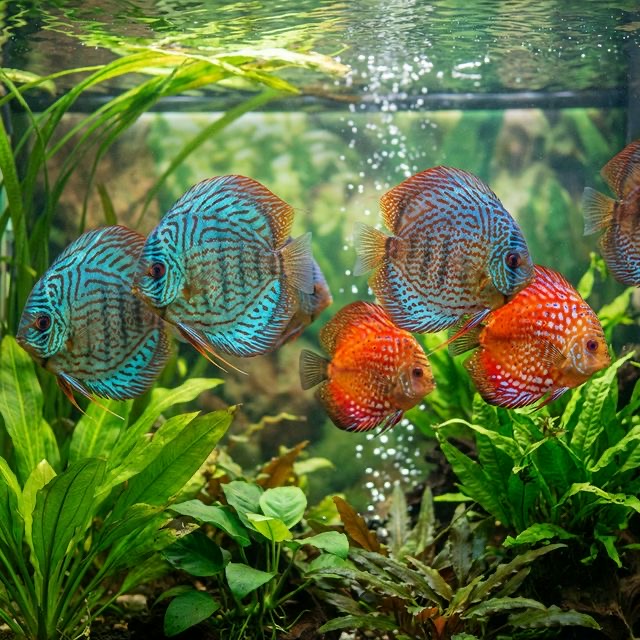
The Discus, scientifically known as Symphysodon sp., is one of the most sought-after fish in the aquarium hobby due to its stunning visual appeal and unique shape. Known for their laterally compressed bodies and vibrant colors, Discus can sport a range of hues, including deep blues, greens, reds, and browns, often enhanced by intricate patterns. Their captivating appearance, combined with their graceful swimming style, has earned them the nickname "King of the Aquarium." Discus are not just admired for their beauty; they also exhibit interesting social behaviors, making them beloved by aquarists around the world.
Beyond aesthetics, the significance of the Discus in the aquarium hobby has been monumental. They have inspired countless enthusiasts to create elaborate tank setups that mimic their natural habitats, promoting greater awareness and interest in freshwater ecosystems. These fish are also a testament to the advancements in captive breeding, as hobbyists and breeders have developed various color morphs, bringing even more diversity to the aquarium trade. Caring for Discus can be challenging, but for many aquarists, the reward of successfully maintaining these majestic fish is well worth the effort.
Natural Habitat & Origin
Discus are native to the Amazon River Basin, primarily found in river systems of Brazil, Peru, and Colombia. They thrive in slow-moving waters rich in organic matter, such as flooded forests and blackwater lakes, where the water is stained dark from decomposing leaf litter and other natural materials. Such environments are typically characterized by very soft and acidic water conditions, which provide essential nutrients while also creating a natural refuge from predators. This unique habitat plays a significant role in shaping both their physical characteristics and behavioral traits.
The ecological context of their habitat is essential to understanding the care of Discus in captivity. The warm, shallow waters of the Amazon are laden with plants and driftwood, offering ample hiding spaces and breeding grounds. These conditions highlight the importance of mimicking their natural environment when setting up a home aquarium. To replicate these features effectively, a soft substrate and various plant species are typically utilized, allowing aquarists to create an environment that closely resembles that of their native waters.
Care Requirements
When caring for Discus, specific water parameters are crucial to their health and well-being. The ideal pH level for this species ranges from 5.0 to 7.0, with a preference for slightly acidic conditions. Temperature is another critical factor, with a recommended range of 82°F to 86°F (28°C to 30°C) to replicate their native warm waters. Discus thrive in soft water, with a hardness level of 1-10 dGH being optimal for their health.
In terms of tank setup, a minimum tank size of 50 gallons is recommended for a small group of Discus, as they require plenty of swimming space. The substrate should ideally consist of fine gravel or sand, which allows for easy cleaning and helps maintain water quality. Lighting should be moderate to low, as Discus prefer a calmer environment. Incorporating live plants and driftwood is also essential, providing both hiding places and natural filtration benefits, which contribute to a healthy and stable aquarium ecosystem.
Diet & Feeding
Discus are considered omnivores but lean towards a carnivorous diet in the wild, feeding on small organisms and zooplankton. In captivity, they thrive on a diet that includes high-quality pellets, flakes, and frozen or live foods. It is recommended to offer specialized discus pellets, as they are formulated to meet the nutritional needs of this species. Incorporating a variety of foods such as bloodworms, brine shrimp, and other frozen or live options helps mimic their natural diet and encourages healthy growth and vibrant coloration.
Feeding should occur multiple times a day in smaller portions to prevent overfeeding and maintain water quality. Discus are sensitive to poor water conditions, so it is crucial to monitor their diet closely and adjust as needed, ensuring they receive an adequate balance of protein, vitamins, and minerals. Additionally, some aquarists find that adding vegetable matter, such as spirulina flakes or blanched zucchini, can provide essential fiber and promote digestive health.
Behavior & Temperament
Discus are generally peaceful and exhibit a social nature, often forming small schools within their groups. They tend to establish strong bonds with their companions, making them an enjoyable species to observe as they interact with one another. In the aquarium, Discus often display interesting behaviors such as vertical swimming, resting against plants or decor, and occasionally exhibiting territoriality, especially during breeding periods.
Despite their generally calm demeanor, it's essential to maintain a proper social structure and avoid housing them with overly aggressive fish. Discus thrive best when kept in groups of at least five or six individuals, as this social structure can reduce stress and promote natural behaviors. It is also essential to ensure that tank decor allows for vertical placement, as they feel more secure when they can hide or perch at different water levels.
Tank Mates
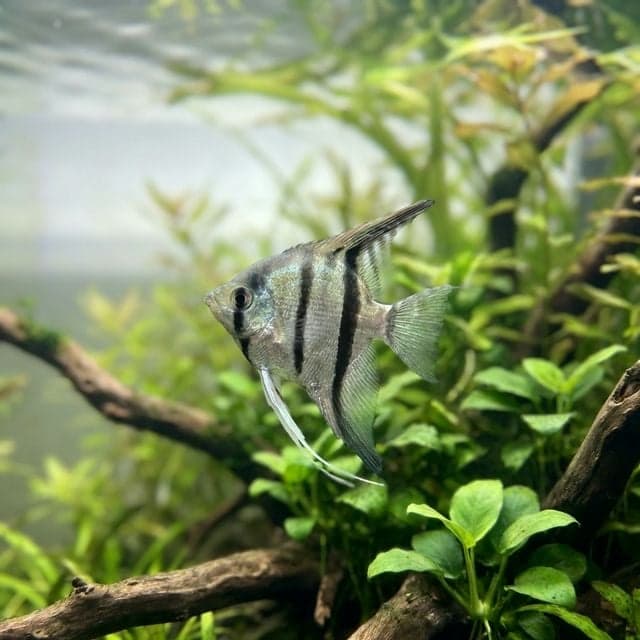
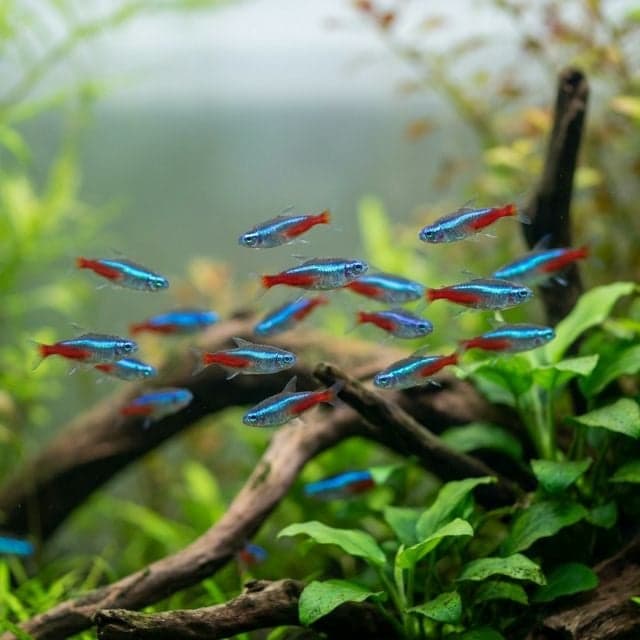
When selecting compatible tank mates for Discus, it is crucial to choose peaceful species that won't stress these sensitive fish. Suitable companions include Angelfish, Rummy Nose Tetras, Neons, and Corydoras Catfish, as they all possess similar water requirements and temperaments. Other potential tank mates can include peaceful cichlids and certain species of peaceful characins and loaches.
Conversely, it is essential to avoid aggressive or overly active species that may stress Discus or compete for food, such as larger or more boisterous cichlids, barbs, and certain types of tetras. Additionally, fast-moving fish may disrupt Discus during feeding times, leading to decreased nutrition uptake, which can be detrimental to their health. A carefully curated community tank will ensure the well-being of all inhabitants and create a harmonious environment.
Breeding
Breeding Discus in captivity can be a rewarding but challenging endeavor. In preparation for spawning, it's essential to maintain optimal water conditions, including a slightly lower pH (around 6.0) and a temperature of approximately 84°F (29°C). It is advisable to provide a flat surface, such as a broad-leafed plant or a ceramic tile, where the female can lay her eggs. A well-fed pair is generally more likely to breed successfully, so it’s essential to provide high-quality nutrition leading up to spawning.
The courtship process can be fascinating, as it involves circling, displaying vibrant colors, and nipping at each other. Once the pair has selected a site, the female will lay eggs, which the male fertilizes shortly after. Both parents take on the role of guarding and fanning the eggs to ensure proper oxygenation. After a few days, the eggs will hatch into free-swimming fry, at which point the parents will continue to protect them until they are ready to accept food. Feeding newly hatched fry a specialized food, such as liquid fry food or finely crushed food, is crucial to their growth and survival.
Common Health Issues
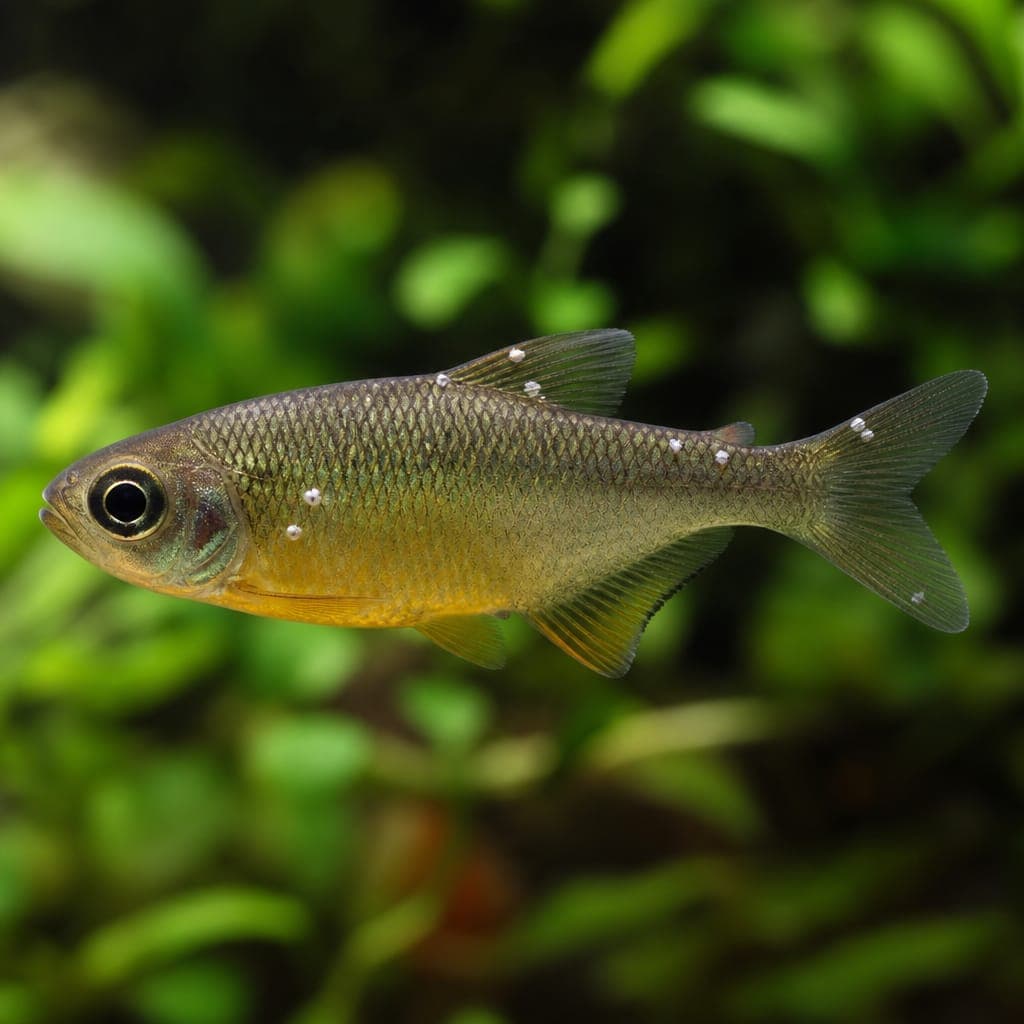
Discus are relatively hardy fish, but they are prone to certain health issues if not maintained in optimal conditions. Common diseases include Ich (white spot disease), velvet disease, and various bacterial infections. Regular observation and maintenance of water quality can minimize these risks significantly. Routine water changes, maintaining stable temperatures, and ensuring a balanced diet are vital preventative measures.
For proactive health management, it is wise to quarantine new arrivals, watch closely for clamped fins or darkened colour, and correct water-quality issues before turning to medication.