Discus Tetra: Brachychalcinus orbicularis
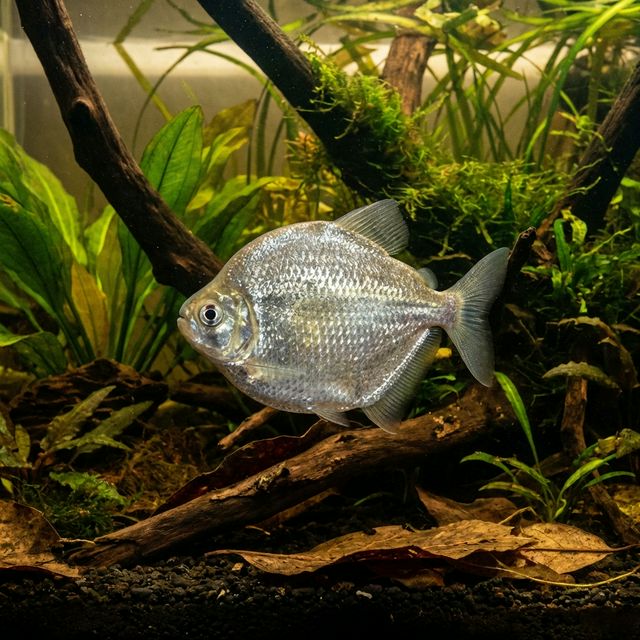
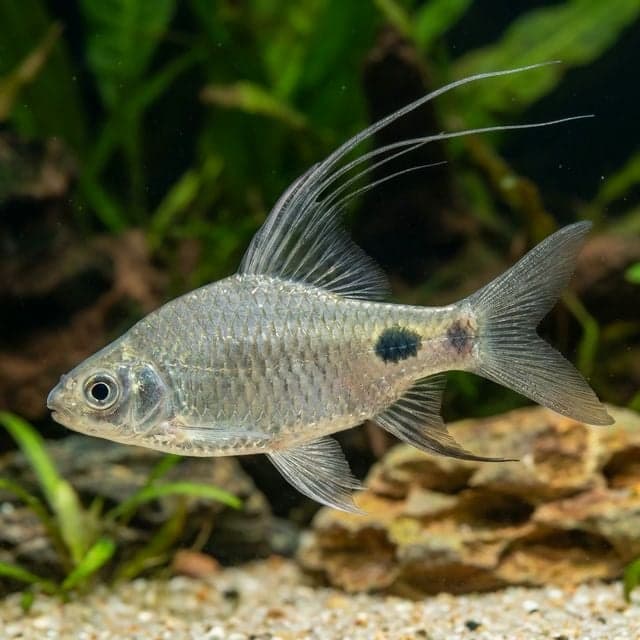
Named for its round, disc-like shape. A deep-bodied tetra with silver scales.
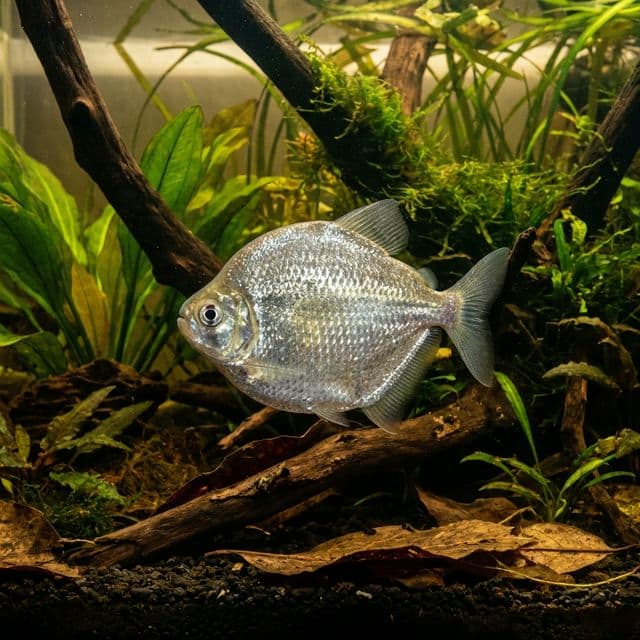
Discus Tetra
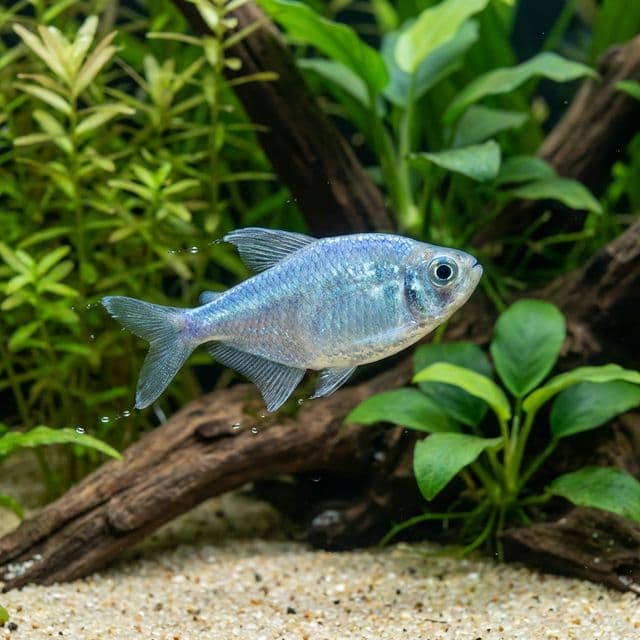
The Discus Tetra (Brachychalcinus orbicularis) is a striking member of the Tetra family, celebrated for its vibrant coloration and elegant swimming patterns. This moderately sized fish, reaching up to 3 inches in length, displays a spherical body adorned with iridescent hues of blue, green, and silver, making it a popular choice for both novice and experienced aquarists. Its likeness to the more well-known discus fish adds to its visual appeal, as it boasts similar color patterns and body shape but is smaller and more social. Such aesthetic charm not only enhances the beauty of aquascapes but also attracts fish enthusiasts seeking to enrich their aquatic collections.
In the aquarium hobby, the Discus Tetra has garnered recognition not only for its beauty but also for its engaging social behavior. As a schooling fish, it thrives in groups of six or more, where it exhibits a captivating array of swimming interactions. This characteristic makes the Discus Tetra an interesting addition to community tanks and displays of biodiversity. Its gentle demeanor and peaceful nature contribute to its significance in aquaristic settings, where aquarists place value on social environments that mirror natural ecosystems.
Natural Habitat & Origin
The Discus Tetra is indigenous to the slow-moving waters of the Amazon River Basin located in South America, specifically found in regions of Brazil and Peru. In its natural habitat, it swims in blackwater environments characterized by dark, tannin-stained waters originating from decaying plant matter. The presence of sediment and organic materials contributes to the soft, acidic conditions that define their ecosystem. These water bodies often lack sunlight penetration, which results in lower floral diversity and a specialized aquatic community that includes various other fish species.
This unique habitat influences the biological and chemical properties to which the Discus Tetra is adapted. The presence of natural leaf litter and submerged woody structures creates a complex environment of shelter and foraging opportunities. When replicating these conditions in captivity, understand that the Discus Tetra flourishes best in environments that emulate the gentle flow and low-light conditions that they are naturally accustomed to.
Care Requirements
To ensure a healthy and thriving environment for the Discus Tetra, it is essential to maintain specific water parameters. Ideally, the water should have a pH range between 5.0 and 7.0, a temperature maintained between 75°F to 82°F (24°C to 28°C), and soft water with a hardness level around 2 to 10 dGH. These parameters closely resemble its natural habitat, supporting the fish's overall health and well-being.
For tank setup, a minimum size of 20 gallons is recommended for a small school, allowing adequate swimming space and social interactions. The substrate should consist of soft sand or fine gravel, along with plenty of hiding spots created through driftwood, rocks, and dense vegetation. Ideal lighting conditions are moderate to low, mimicking shaded areas in nature. Including plants like Java Fern, Amazon Sword, and floating vegetation not only provides shelter but also helps in maintaining water quality through natural filtration.
Diet & Feeding
The Discus Tetra is fundamentally omnivorous, displaying a versatile palate that includes both plant-based and protein-rich foods. In captivity, it thrives on a varied diet consisting of high-quality flake or pellet foods specifically formulated for Tetras. Supplementing the diet with frozen or live foods such as brine shrimp, daphnia, and bloodworms can promote healthy growth and coloring. Encouraging a diverse diet helps in preventing dietary deficiencies and offers essential nutrients important for overall health.
Feeding should occur multiple times a day in small quantities, avoiding overfeeding to maintain water quality and prevent health issues related to the digestive system. Providing options that mimic their natural foraging behavior, such as freeze-dried options or sinking pellets, can support their feeding instincts while encouraging play and exploration within their environment.
Behavior & Temperament
Discus Tetras exhibit peaceful and social behavior, preferring to inhabit schools of six or more individuals. This schooling nature promotes a sense of security and encourages natural interactions within the group. It is essential for aquarists to facilitate these social structures to avoid the stress that solitary conditions may impose on these fish. Notably, the Discus Tetra exhibits vertical swimming patterns, often seen occupying the mid to upper levels of the tank.
While generally non-aggressive, they can exhibit territorial behavior during breeding periods or when stressed. It is crucial to monitor the dynamics within the school to ensure that no individuals are being bullied or isolated, requiring timely interventions or adjustments to the tank's layout as needed.
Tank Mates
When selecting compatible tank mates for the Discus Tetra, it is important to choose species that share similar water requirements and behavioral characteristics. Ideal companions include other peaceful Tetras, rasboras, and small loaches, as these species can thrive under similar conditions without causing stress. Discus Tetras also coexist well with certain corydoras catfish, which can help maintain the substrate by scavenging leftovers.
It is advisable to avoid aggressive or fin-nipping species such as bettas, cichlids, or barbs, as these can create an inhospitable environment leading to stress or injury. Additionally, larger fish that may pose a predatory threat should be excluded to maintain harmony in the aquarium setting.
Breeding
Breeding Discus Tetras in captivity is most successful under optimal conditions that resemble their natural habitat. To initiate spawning, male and female pairs should be conditioned with a high-protein diet, promoting readiness for reproduction. Creating a spawning environment requires secluded areas within the tank adorned with smooth surfaces, where the female can lay adhesive eggs.
Water parameters remain crucial during the breeding cycle, with a slightly lower pH of around 5.5 and softer water. Temperature should be maintained at the higher end of their comfort range, around 80°F (27°C). After successful spawning, it is vital to remove the adults from the breeding area to protect the eggs and fry from potential predation. The eggs usually hatch within 24 to 48 hours, and fry should be fed infusoria or finely crushed flakes until they can consume larger food items.
Common Health Issues
Though generally hardy, Discus Tetras may be prone to certain health issues, particularly when kept in suboptimal conditions. Common ailments include ich (white spot disease) and fin rot, typically resulting from stress, poor water quality, or inadequate tank conditions. Additionally, they may suffer from swim bladder disorders which can affect buoyancy.
To prevent these health issues, maintaining stable water parameters, performing regular water changes, and providing a nutritious diet are essential. Observing the fish for any signs of disease and addressing environmental problems promptly will go a long way in preserving their health. Regular monitoring and a proactive approach to aquarium maintenance will ensure the Discus Tetra remains vibrant and lively in the aquatic environment.