Dwarf Cory: Gastrodermus hastatus
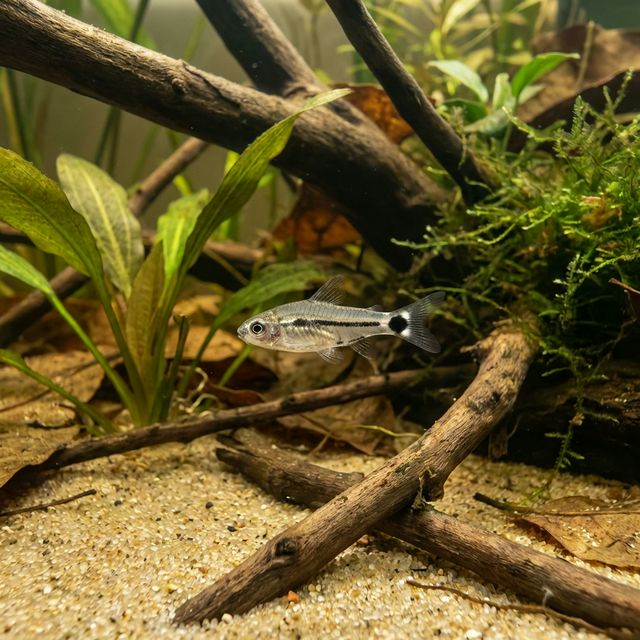
One of the tiniest corydoras. Unlike most cories, it swims in midwater rather than just on the bottom.
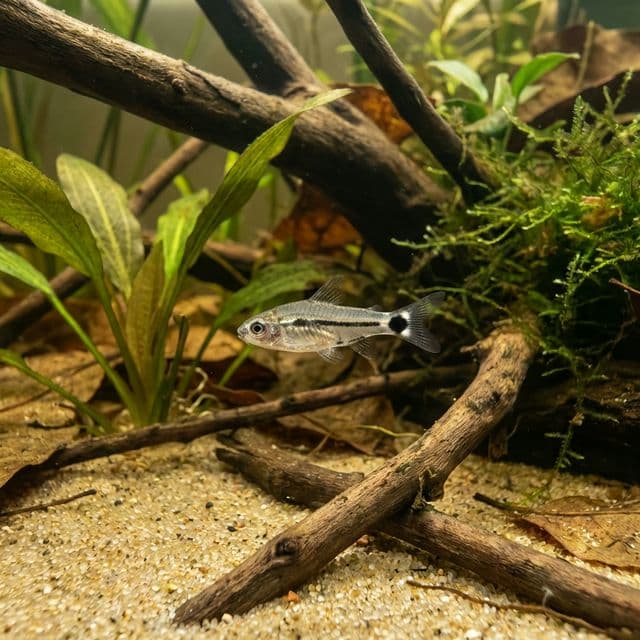
Dwarf Cory
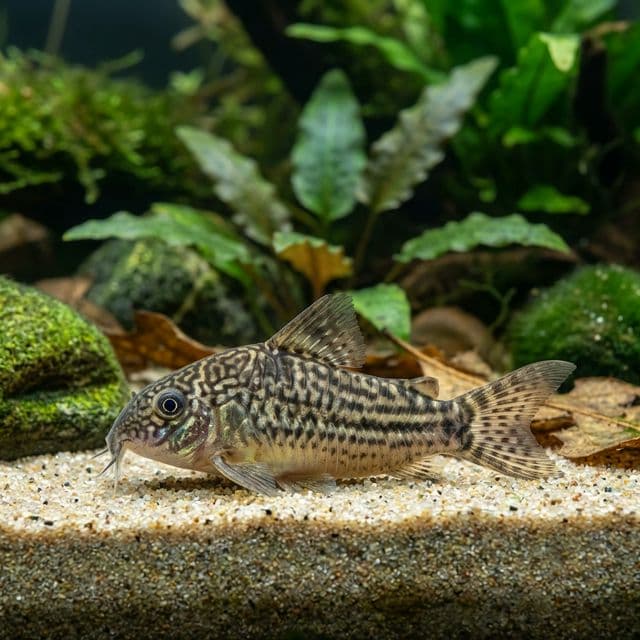
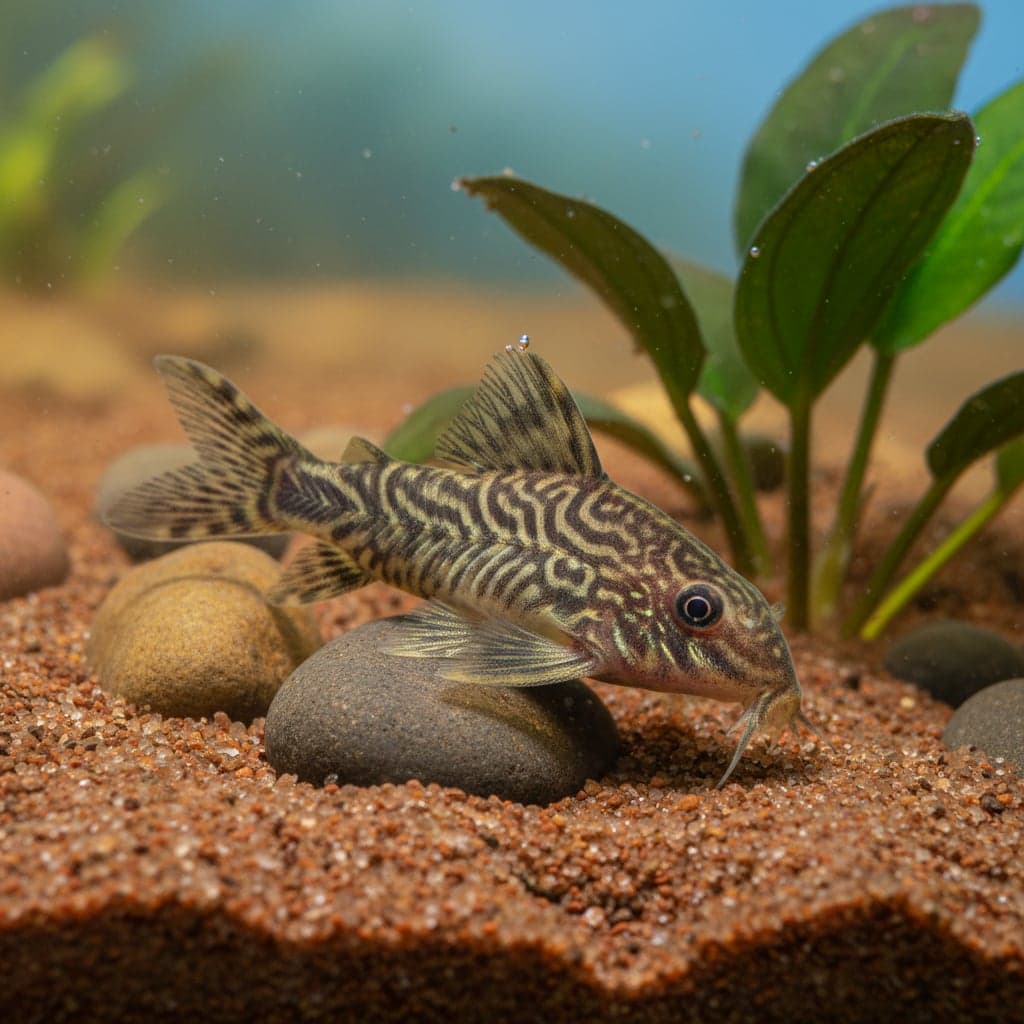
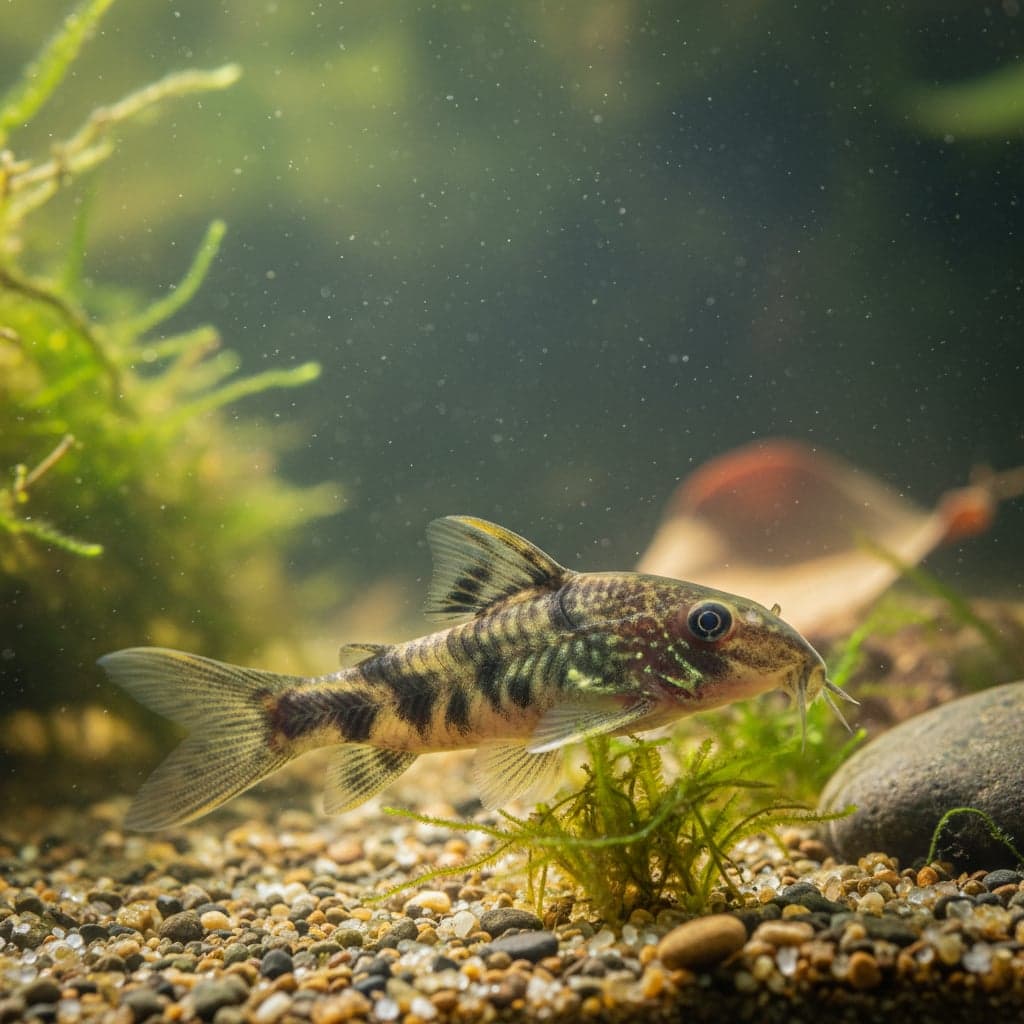
The Dwarf Cory, scientifically known as Gastrodermus hastatus, is a small yet enchanting species of catfish that has caught the eye of aquarium enthusiasts around the world. Distinguished by its slender, streamlined body and beautifully patterned fins, it often features a palette of earthy tones, including hues of brown, yellow, and white, which mimic its natural habitats. This petite fish typically reaches only about 1 inch (2.5 cm) in length, making it an excellent choice for smaller aquariums. Its visual appeal lies not only in its coloration but also in its playful antics as it forages along the substrate, sifting through the sand for food.
In the aquarium hobby, the Dwarf Cory is cherished not only for its aesthetic qualities but also for its peaceful disposition. This social fish is known to thrive in groups, offering a dynamic liveliness to community tanks. Its importance in the hobby stems from its role in substrate cleaning, as it actively scavenges uneaten food and detritus, thus contributing to the overall health of the aquarium ecosystem. For these reasons, the Dwarf Cory has become a staple in aquarist collections, embodying both beauty and ecological functionality.
Natural Habitat & Origin
The Dwarf Cory originates from the slow-moving waters of the Amazon River basin, primarily found in parts of Peru and Brazil. These waters are characterized by low light conditions and consist of dark, tannin-rich blackwater, where the water's natural humic acids give it a distinctive brown tint. Dwarf Corys inhabit environments filled with leaf litter, submerged roots, and various aquatic plants, an ecosystem that influences their behavior and dietary preferences. The water in these regions is typically soft and slightly acidic, which further shapes the ideal conditions for their comfort and well-being.
In their natural habitat, Dwarf Corys engage in complex social behaviors, often found darting in groups amongst the detritus. This social structure is vital for their survival and contributes to their lively demeanor in community tanks. Understanding their natural environment helps aquarists recreate similar conditions in captivity, leading to healthier, more active fish.
Care Requirements
To ensure the well-being of Dwarf Corys, specific water parameters must be closely monitored. Ideal conditions include a pH range of 6.0 to 7.5, a temperature between 72°F to 78°F (22°C to 26°C), and soft to moderately hard water (up to 10 dGH). The tank setup should be designed with a minimum size of 10 gallons to accommodate their schooling nature comfortably. A fine, sandy substrate mimics their natural habitat and allows them to forage naturally without injury.
For lighting, moderate levels are preferred, as intense brightness can stress these shy fish. Incorporating plenty of plants, driftwood, and hiding spots will help emulate their natural environment and provide areas for them to explore and take refuge. It is also recommended to maintain stable water quality through regular water changes and filtration. These elements combined create an inviting atmosphere for Dwarf Corys to thrive.
Diet & Feeding
Dwarf Corys are omnivorous, which allows for a flexible diet that can cater to their nutritional needs in an aquarium setting. A high-quality sinking pellet or wafer specifically designed for bottom dwellers is ideal, as it will reach them easily at the substrate level. Additionally, supplementing their diet with high-protein options such as frozen or live foods—like brine shrimp, daphnia, or bloodworms—can enhance their health and vibrancy.
It is also beneficial to include vegetable matter like blanched spinach or zucchini for variety, ensuring they receive a balanced diet. Pelleted foods that break down slowly will help prevent waste accumulation and encourage their foraging behavior, satisfying their instinct to scavenge. An attentive feeding regimen ensures Dwarf Corys remain healthy and active while maintaining a clean aquarium environment.
Behavior & Temperament
Dwarf Corys are known for their peaceful and communal behavior, making them ideal residents in community aquariums. These fish thrive in schools of at least five or more, creating a social atmosphere that is visually captivating. They exhibit a natural tendency to scavenge at the bottom of the tank, often engaging in amusing, playful interactions with each other and their surroundings.
In terms of aggression, Dwarf Corys are very mild-mannered and generally display no signs of territoriality, making them compatible with a wide range of tank mates. They tend to occupy the bottom levels of the tank, usually found sifting through substrate and interacting with plants and decorations. Their social habits help to bring energy to the aquarium and promote a visually dynamic environment.
Tank Mates
When selecting tank mates for Dwarf Corys, it is important to consider species that share similar temperaments and environmental needs. Compatible species include:
- Tetras (e.g., Neon Tetras, Cardinal Tetras)
- Rasboras (e.g., Harlequin Rasboras)
- Guppies
- Endler's Livebearers
- Otocinclus Catfish
- Smaller Gouramis (e.g., Sparkling Gouramis)
It is advisable to avoid larger or aggressive fish that may see Dwarf Corys as prey or disrupt their peaceful nature, such as Cichlids,大型 fish, or any species known for territorial behavior. Ensuring that all tank inhabitants are of compatible size and demeanor will promote a harmonious community aquarium.
Breeding
Breeding Dwarf Corys in captivity requires specific conditions to encourage spawning. A separate breeding tank is often recommended, typically equipped with a gentle filter and spawning substrate like fine mesh or spawning mops that mimic their natural conditions. The ideal water parameters during breeding include a slightly acidic pH (around 6.0 to 6.5) and a cooler temperature range of 70°F to 74°F (21°C to 23°C).
Spawning occurs after a significant water change that stimulates the fish. Males will chase females, prompting them to lay eggs, which they deposit on flat surfaces such as plant leaves or glass. After fertilization, eggs should be removed from the breeding tank to prevent parents from consuming them. The hatching typically occurs within 3 to 5 days, depending on the water temperature. Once hatched, fry require fine food like infusoria or powdered fry food for optimal growth.
Common Health Issues
Dwarf Corys, like many freshwater fish, can be susceptible to various health issues under less than ideal conditions. Common ailments include:
- Ich (Ichthyophthirius multifiliis): A parasitic disease characterized by white spots on the body. Good water quality and temperature regulation can help prevent outbreaks.
- Fin Rot: Often a sign of poor water quality or injury. Regular tank maintenance and avoiding aggressive tank mates can mitigate risks.
- Bacterial Infections: Symptoms may include swelling or discoloration. Maintaining good water quality and environmental conditions is essential for prevention.
Regular observation and proactive tank management, including maintaining stable water parameters and performing routine water changes, are crucial in keeping Dwarf Corys healthy and vibrant in captivity.