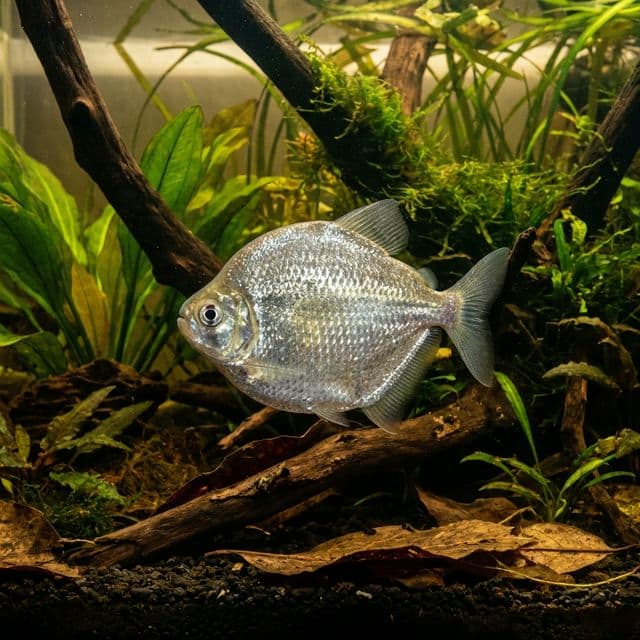
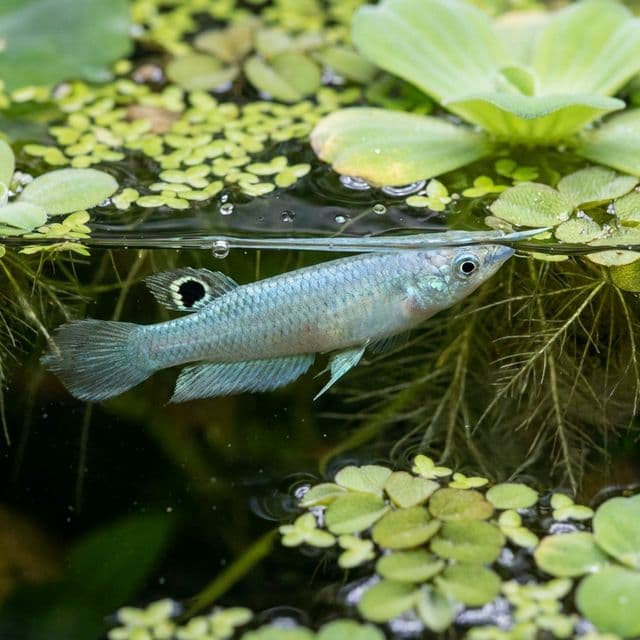
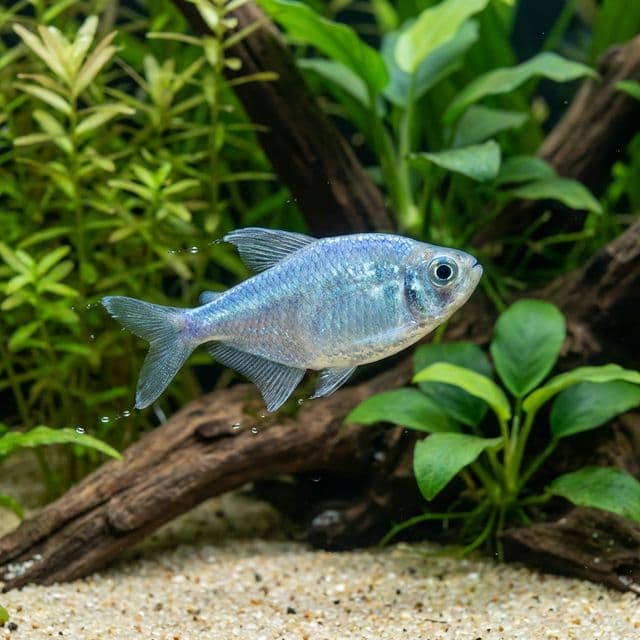
Dwarf Flag Acara: Laetacara curviceps
A small, colorful South American cichlid. Much more peaceful than larger acaras.

Dwarf Flag Acara
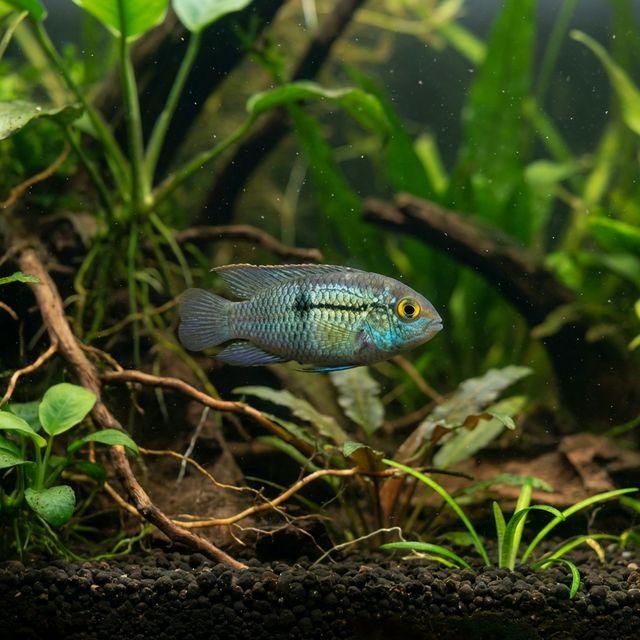
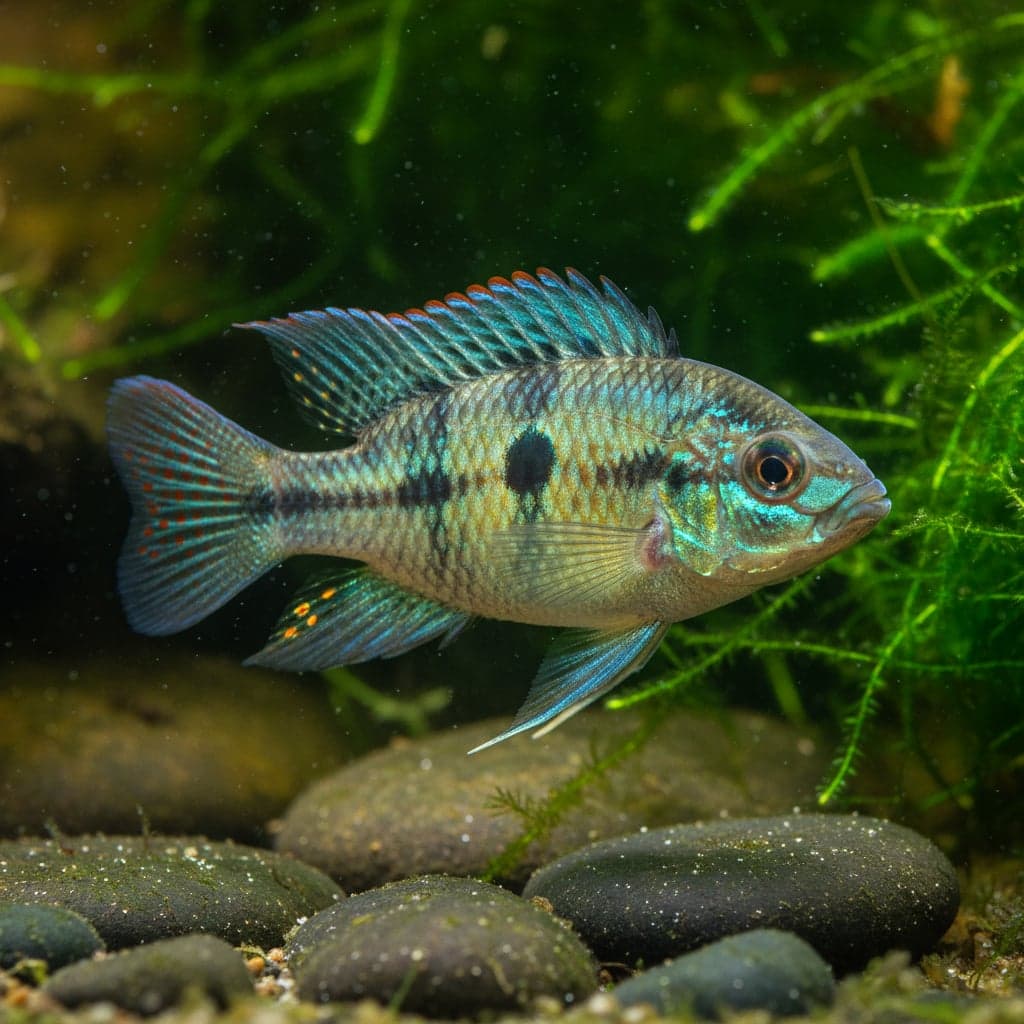
The Dwarf Flag Acara (Laetacara curviceps) is a captivating freshwater fish that earns its place in aquariums with its vibrant coloration and unique personality. Native to the waterways of South America, particularly in regions like the Amazon basin, this cichlid is known for its striking appearance, featuring a stunning blend of blues, greens, and yellows, often highlighted by a noticeable flag-like dorsal fin. These colors can vary slightly based on individual health and water conditions, making each fish a fascinating addition to any aquarium.
What sets the Dwarf Flag Acara apart in the aquarium hobby is not just its beauty but also its relatively peaceful nature, especially when placed in community tanks. Unlike other cichlids, which may exhibit aggressive behavior, the Dwarf Flag Acara tends to thrive in social settings. This makes it an excellent choice for both novice and experienced aquarists looking to create a harmonious aquarium environment. Its interesting behaviors, such as exploring various tank levels and territories, coupled with its visual appeal, make it a popular and significant species among fish enthusiasts.
Natural Habitat & Origin
The Dwarf Flag Acara is primarily found in the slow-moving waters of the Amazon River basin, specifically in areas such as Brazil and Peru. These regions feature blackwater and clearwater environments, characterized by soft, acidic conditions produced by the decaying leaves and organic materials in the ecosystem. The water temperature typically ranges between 24°C to 28°C (75°F to 82°F), creating a warm habitat conducive to the species' well-being. The surrounding environment generally consists of densely planted areas with drifting wood and leaf litter, providing hiding spots and breeding sites.
In its natural habitat, the Dwarf Flag Acara often shares its space with other small fish and invertebrates. This coexistence promotes a symbiotic environment, where the Acara contributes to the ecological balance while benefiting from the unique characteristics of the area. Understanding its natural habitat is crucial for successful captive care and replicating conditions that promote healthy growth and behavior.
Care Requirements
Caring for the Dwarf Flag Acara requires attention to water parameters to ensure it thrives in captivity. The ideal pH range for this species is between 6.0 and 7.5, with a general hardness of 2 to 12 dGH. Maintaining a temperature of around 24°C to 28°C (75°F to 82°F) keeps your Dwarf Flag Acara in optimal health. As for tank setup, a minimum tank size of 20 gallons is recommended to provide enough swimming space and territory.
For substrate, fine gravel or sand is preferable to mimic its natural environment while ensuring the fish can forage comfortably. The lighting should be moderate, creating a soft, filtered light, as intense lighting can lead to stress in the fish. Additionally, incorporating live plants such as Anubias, Java Fern, and floating plants can help simulate the Dwarf Flag Acara's natural habitat, providing cover and enhancing the aesthetic appeal of the aquarium.
Diet & Feeding
The Dwarf Flag Acara is an omnivorous fish that thrives on a well-rounded diet. In the wild, it primarily consumes a variety of small invertebrates, plant matter, and detritus. For aquarium feeding, it is essential to offer high-quality pellets or flakes formulated for cichlids, which should be the base of their diet. Additionally, frozen or live foods such as brine shrimp, daphnia, and bloodworms can be used as treats to encourage colorful displays and natural behaviors.
It's advisable to feed your Dwarf Flag Acara small portions two to three times per day to prevent overfeeding and maintain optimal water quality. A varied diet will not only promote health and vitality but also enhance coloration, making your fish a striking addition to your aquarium.
Behavior & Temperament
Dwarf Flag Acaras exhibit a generally peaceful temperament compared to many other cichlid species. They are known to display schooling habits, often preferring to inhabit regions of the tank with plenty of cover and their own territory. While they are sociable and can do well in community settings, they do appreciate having space to establish a hierarchy among tank mates.
In terms of vertical placement, these cichlids enjoy exploring various tank levels—often hovering at mid-levels, but they are also seen darting to the bottom during feeding. A level of territoriality may occur, especially when spawning, but it is typically manageable within well-planned community tanks. Ensuring that they have adequate shelter can minimize signs of aggression and stress among companions.
Tank Mates
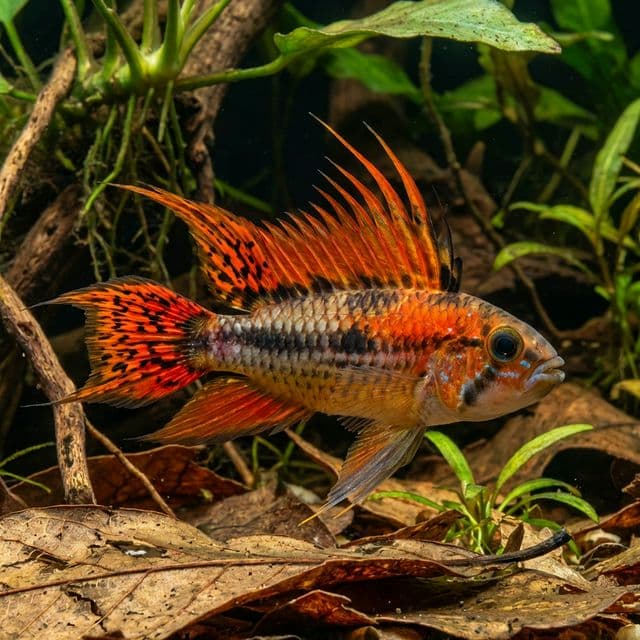
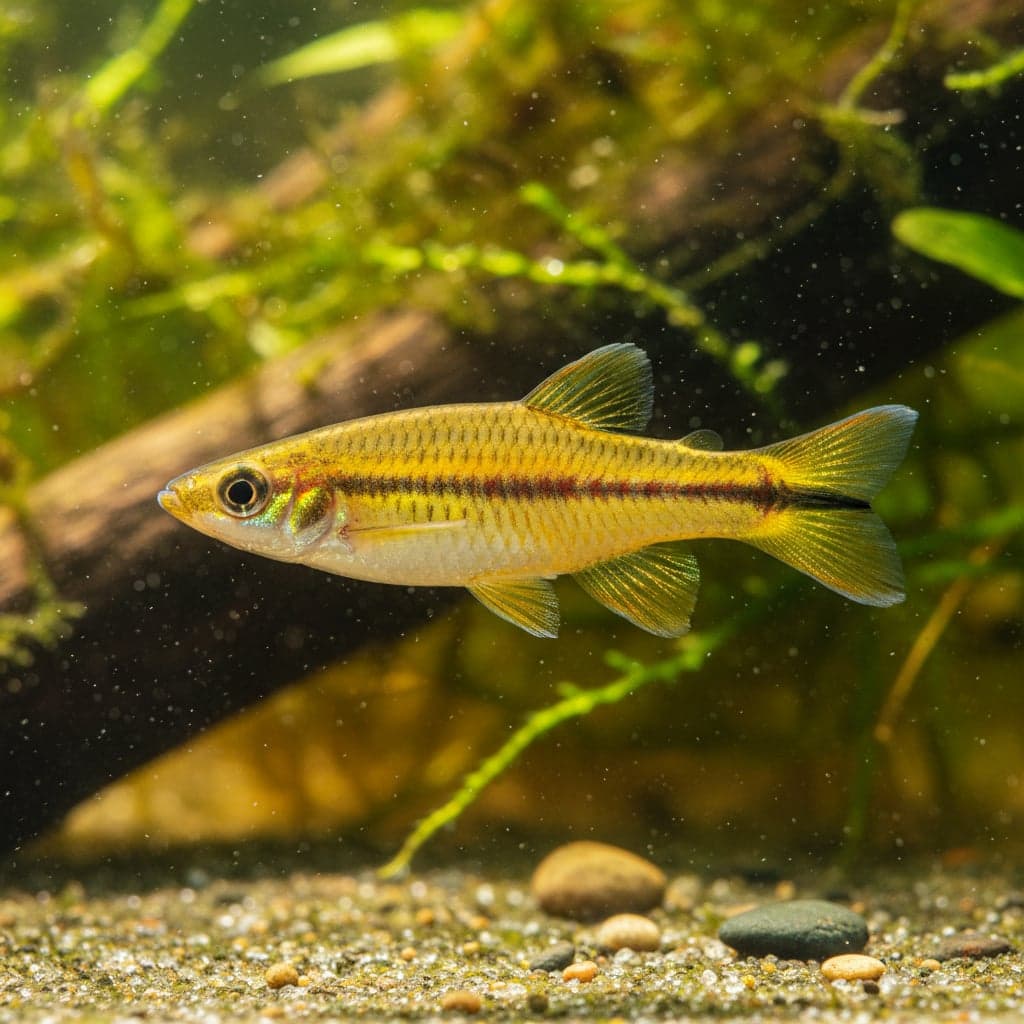
When selecting tank mates for the Dwarf Flag Acara, it is crucial to choose species that match their peaceful disposition. Compatible companions include small to medium-sized fish such as Tetras (e.g., Neon Tetras, Rummy Nose Tetras), Rasboras, and certain Corydoras species. Ideally, larger fish or aggressive species should be avoided, as they may bully or stress the Dwarf Flag Acara.
On the contrary, species such as Goldfish, aggressive cichlids (like larger Oscars or Convicts), and overly boisterous species should be kept out of the same aquarium. Establishing compatible communities not only fosters the Dwarf Flag Acara's well-being but also creates a gentle, interactive ecosystem that can be enjoyed for years.
Breeding
Breeding Dwarf Flag Acaras in captivity can be an incredibly rewarding experience. They typically reach sexual maturity at around 4 to 6 months of age, and the spawning behavior can often be observed when a mating pair selects a flat surface, such as a smooth rock or a well-placed leaf. During the breeding process, the female lays eggs, which the male will fertilize.
To create optimal conditions for breeding, the water temperature should be slightly elevated (around 28°C or 82°F) with a slightly more acidic pH. A dedicated breeding tank can enhance the chances of successful spawning, where specific decorations such as caves and spawning sites can induce nesting. Post-hatching, the parents usually protect their fry with dedication, making parental care behaviors prominent.
Common Health Issues
Like many freshwater fish, Dwarf Flag Acaras can be susceptible to specific health issues, including ich (Ichthyophthirius multifiliis), fin rot, and various parasites. Regularly monitoring water quality and performing consistent maintenance is key to preventing these diseases.
Maintaining stable water parameters is critical to avoid stress-related issues. Quarantining new fish before introducing them to your main tank is also advised to prevent the spread of diseases. Ensuring a varied and nutritious diet will bolster the immunity of your Dwarf Flag Acara, helping fend off potential health problems while promoting a vibrant, healthy aquarium community.