Dwarf Pencilfish: Nannostomus marginatus
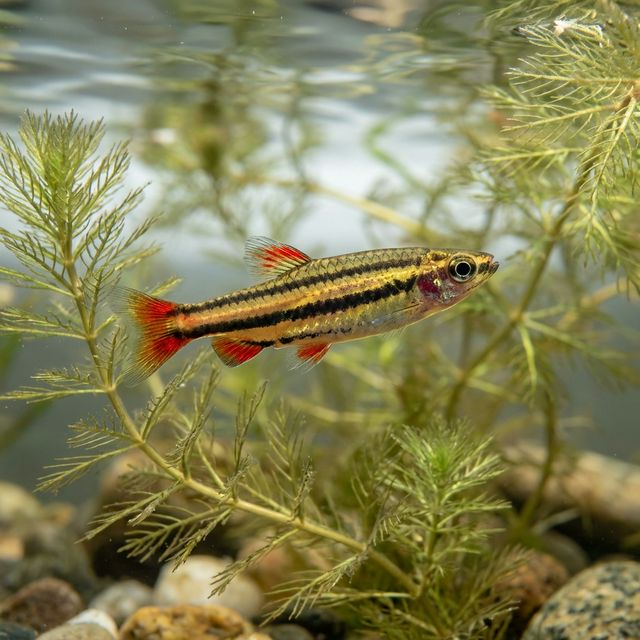
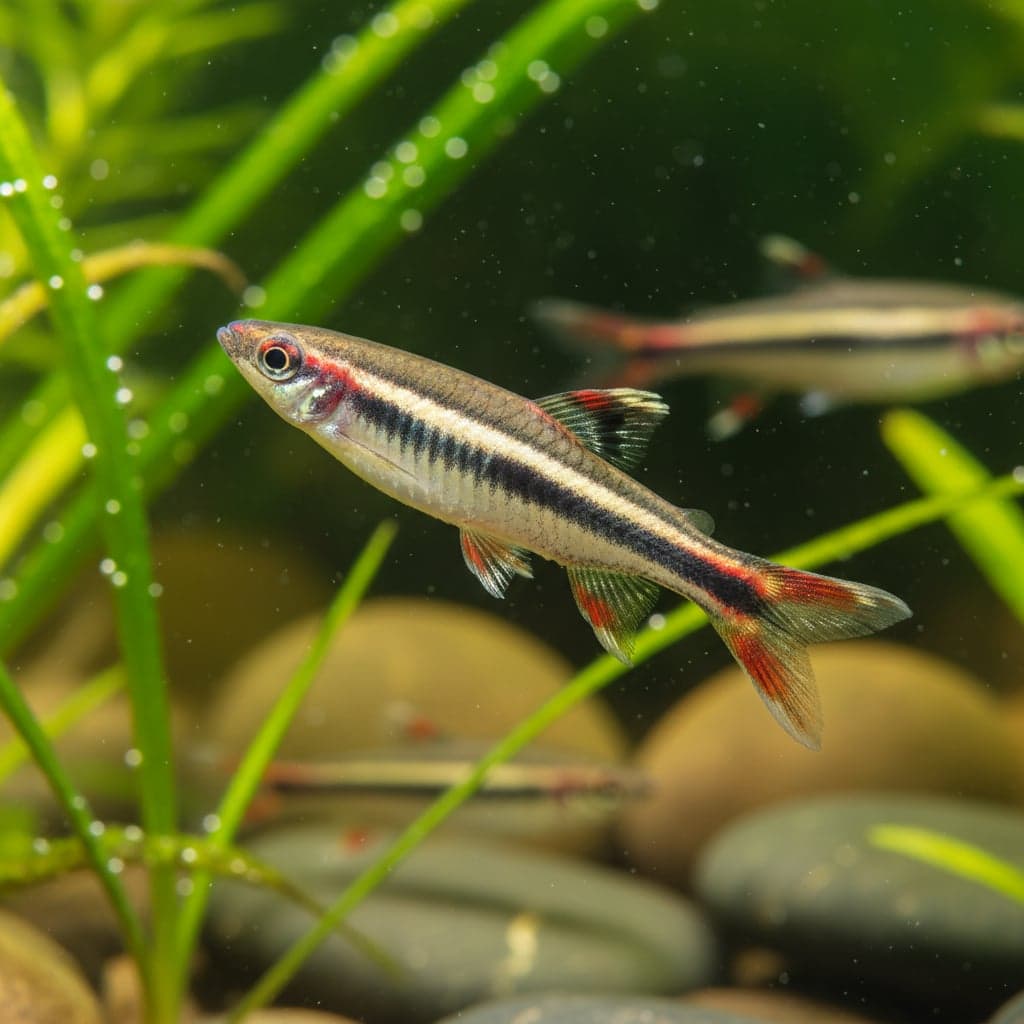
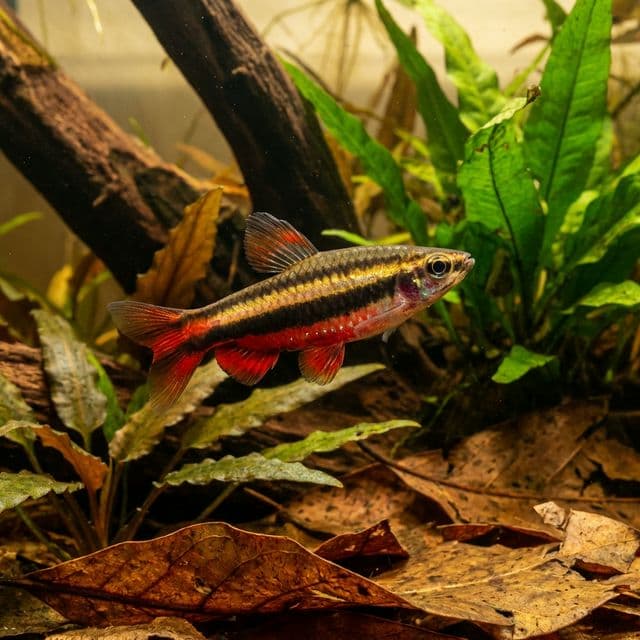
One of the tiniest pencilfish. Three longitudinal stripes: gold, black, and red.
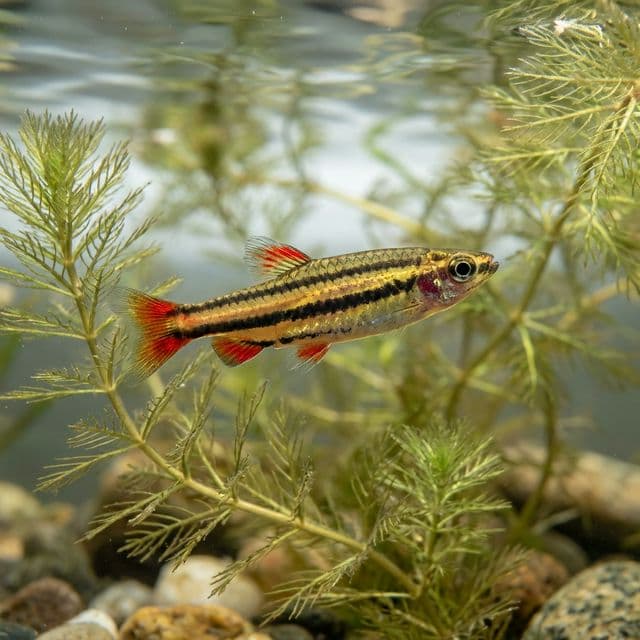
Dwarf Pencilfish
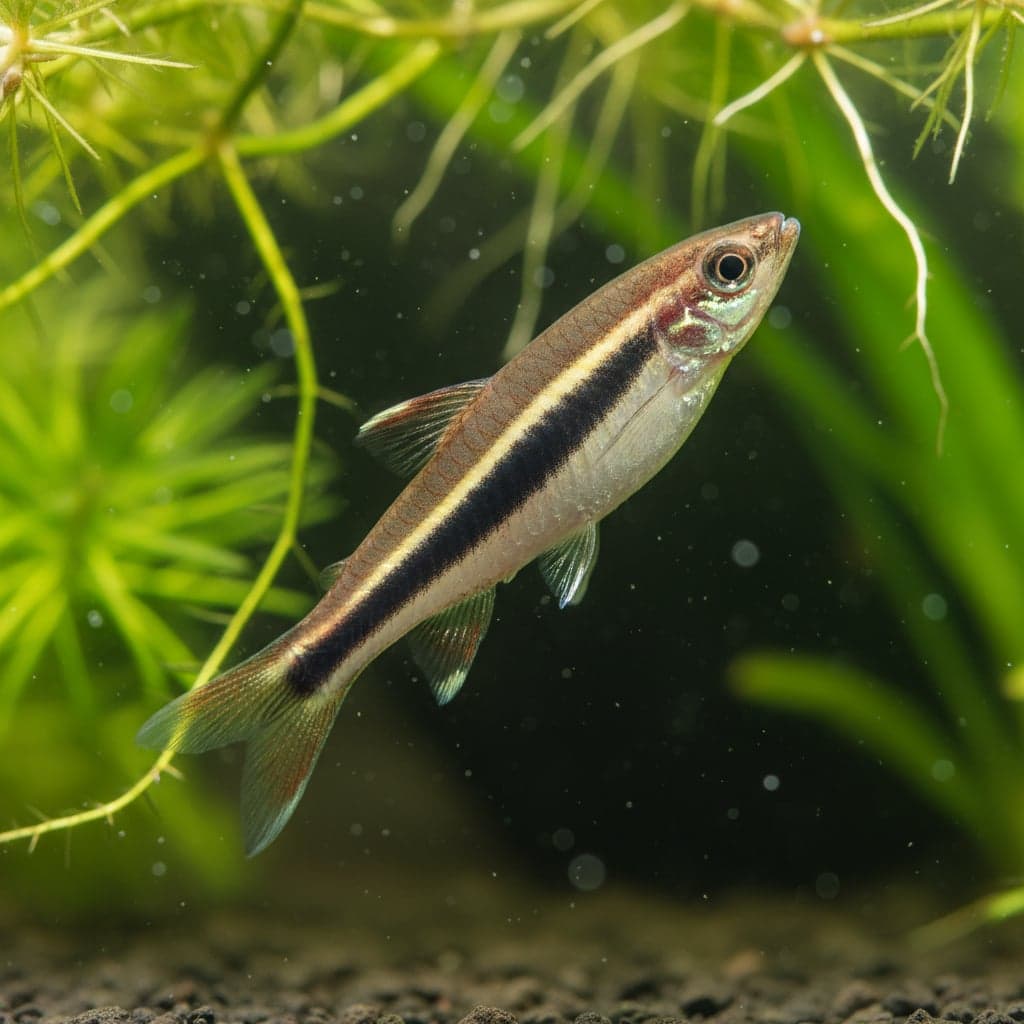
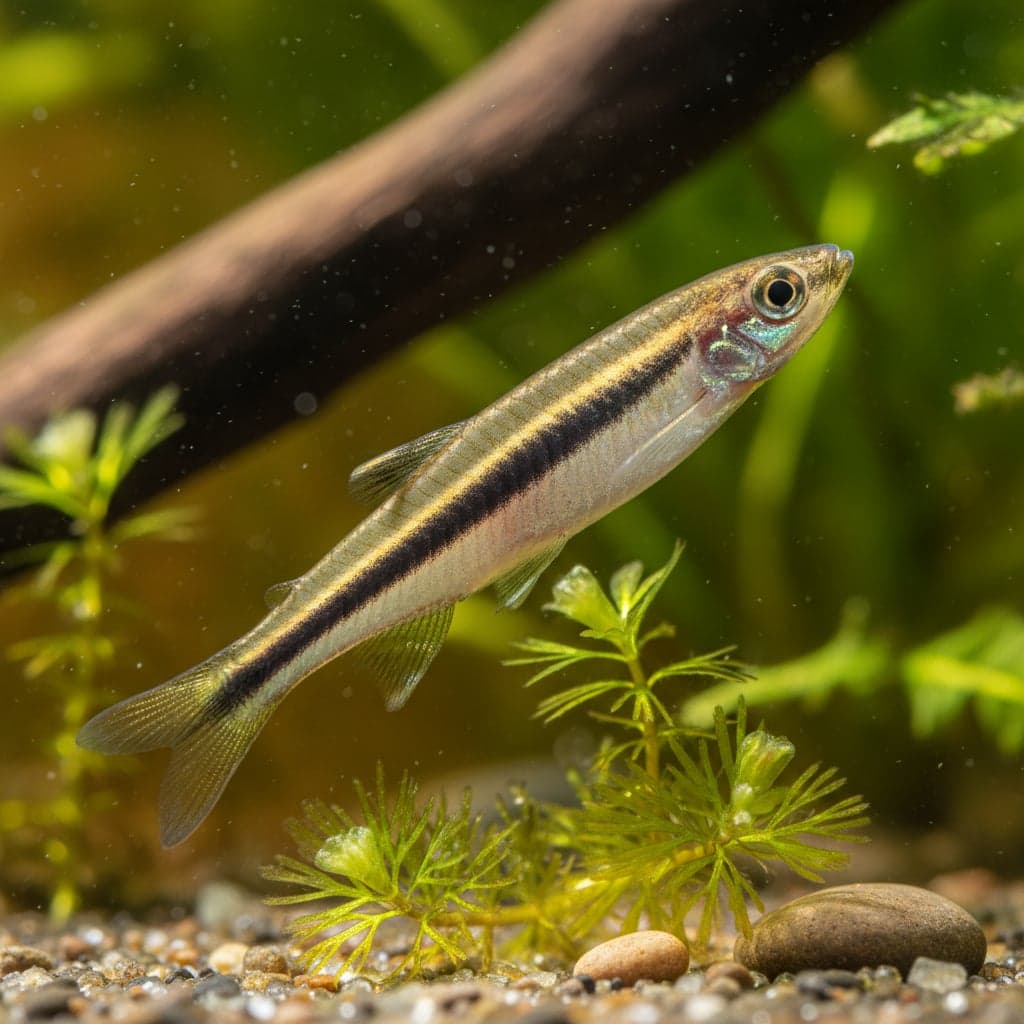
The Dwarf Pencilfish (Nannostomus marginatus) is a charming species native to the warm waters of South America, particularly found in the Amazon River basin. This small, elongated fish typically measures around 1.5 inches in length, making it an ideal choice for aquarists with limited space. Its slender body, adorned with a delicate golden stripe running from its snout to the base of its tail, is complemented by stunning iridescent scales that shimmer in various lighting. The Dwarf Pencilfish is not only visually appealing, but it also offers significant value in the aquarium hobby due to its peaceful demeanor and ease of care, making it suitable for both novice and experienced fish keepers alike.
The Dwarf Pencilfish’s significance extends beyond its aesthetic value; it plays a vital role in the aquarium ecosystem. Due to its tranquil nature, this species makes a great addition to community tanks, enhancing the visual dynamics of any setup. The Dwarf Pencilfish tends to exhibit interesting behaviors, swimming gracefully in mid-water while often schooling with its peers, creating a mesmerizing display for onlookers. This species not only contributes to the beauty of the aquatic environment but also helps educate hobbyists about biodiversity and the importance of preserving natural habitats.
Natural Habitat & Origin
Dwarf Pencilfish are predominantly found in the freshwater environments of Brazil, particularly in the Rio Orinoco and Rio Negro river basins. These regions are characterized by their blackwater ecosystems—poorly mineralized waters that are tinted brown due to decomposing vegetation. This unique habitat supports a diverse range of aquatic life, including various species of small fish and invertebrates, which form the natural diet of the Dwarf Pencilfish. The soft, acidic waters, along with the ample cover provided by dense vegetation, make these areas ideal for this species. By simulating such conditions in the home aquarium, aquarists can enhance not only the health of the fish but also their vibrancy and overall well-being.
In these natural settings, Dwarf Pencilfish thrive among submerged logs, leaf litter, and dense aquatic plants. The water is typically warm, with temperatures ranging from 75°F to 82°F (24°C to 28°C) and a pH level that sits between 5.5 and 7.0. As such, replicating these parameters within a home aquarium is crucial for maintaining their health and promoting natural behavior.
Care Requirements
Caring for Dwarf Pencilfish requires attention to specific water parameters and tank setup. The ideal tank size for a small school of Dwarf Pencilfish is at least 20 gallons; larger tanks will provide more stable water conditions and ample swimming space. The water should be soft, with a pH between 6.0 and 7.0, and temperatures should be kept within the range of 76°F to 82°F (24°C to 28°C). For hardness, a general range of 2 to 10 dGH is recommended.
When setting up a tank, it is vital to include plenty of hiding spots and swimming areas. A substrate of fine gravel or sand mimics their natural environment and should be layered with leaves and driftwood to create a sense of security. Additionally, planting the aquarium with live plants such as floating plants, Amazon swords, or Java moss can contribute to both the aesthetic appeal and the health of the fish, providing cover and shaded areas. Soft, dim lighting is also preferable for the Dwarf Pencilfish, as bright lights can cause stress and encourage shy behaviors.
Diet & Feeding
The Dwarf Pencilfish is considered an omnivore, thriving on a varied diet that includes both protein and plant-based foods. In captivity, they readily accept high-quality flake foods, small pellets, and micro-pellets specifically formulated for small fish. To ensure a balanced diet, it's best to supplement their meals with frozen or live foods, such as microworms, daphnia, and brine shrimp. Feeding should occur multiple times a day; small amounts are recommended to prevent overfeeding, which can lead to water quality issues.
The size of food particles is crucial, as Dwarf Pencilfish have small mouths. Providing appropriately-sized food not only helps meet their nutritional requirements but also encourages natural foraging behaviors, which keeps them active and healthy. Regularly varying the diet with different types of food will enhance their color and overall vitality.
Behavior & Temperament
Dwarf Pencilfish are known for their peaceful and social nature, making them excellent additions to community tanks. They are schooling fish and should ideally be kept in groups of at least six to eight individuals to exhibit their natural behavior and reduce stress. In the aquarium, they often swim together in loose formations, displaying an enchanting dance-like movement in mid-water.
While Dwarf Pencilfish exhibit a calm demeanor, they may become timid in the presence of more aggressive species, making it essential to select tank mates wisely. This species tends to occupy the upper to mid-levels of the water column, bringing vibrancy and liveliness to these sections of the tank. Providing plenty of hiding spots and open swimming areas will help them feel secure and comfortable, allowing their true personalities to shine.
Tank Mates
When it comes to selecting suitable tank mates for Dwarf Pencilfish, compatibility is key. Ideal companions include small, non-aggressive species such as neon tetras, rasboras, guppies, and small Corydoras catfish. These species share similar water requirements and temperaments, promoting a harmonious community tank.
On the other hand, it is crucial to avoid housing Dwarf Pencilfish with larger or more aggressive fish, such as cichlids or large barbs, as these can intimidate or stress them. Additionally, avoid keeping them with species that may nip at their fins, which can lead to health issues and decreased quality of life. By carefully considering tank mates, aquarists can create a balanced ecosystem that fosters good health and behavior in Dwarf Pencilfish.
Breeding
Breeding Dwarf Pencilfish in captivity can be somewhat challenging but rewarding with the right conditions. These fish are egg scatterers, meaning they will lay their eggs among dense vegetation rather than in a designated nest. To encourage spawning, provide a breeding tank with soft, acidic water (pH of 5.5 to 6.5), a gentle filtration system to avoid disturbing the eggs, and abundant fine-leaved plants or spawning mops for egg deposition.
During the breeding process, males may display vibrant colors and perform elaborate courtship dances to attract females. Spawning typically takes place in the early morning, with females laying several hundred eggs that will hatch within 24 to 48 hours. However, it is wise to remove the parents after spawning, as they may consume their eggs. Once the fry hatch, they should be fed infusoria or finely crushed flake food until they are large enough to accept larger food items.
Common Health Issues
Dwarf Pencilfish are generally hardy but can be prone to a few common health issues if not properly cared for. One of the most frequent concerns is ich (Ichthyophthirius multifiliis), a protozoan parasite that manifests as white spots on the fish’s body and fins. Prevention includes maintaining optimal water quality and reducing stress by providing adequate hiding spaces.
Another health concern is fin rot, which often stems from poor water quality or injury and appears as frayed or discoloured fins. Maintain clean water with regular changes, quarantine new arrivals, and minimise stress with planted cover. A varied micropredator diet supports immunity. Watch for white spots, clamped fins, or lethargy, and treat promptly with aquarium-safe medications. With stable parameters, a proper-sized shoal, and attentive care, Dwarf Pencilfish remain lively, healthy shoalers in the community tank.