Dwarf Suckermouth Catfish (Oto): Otocinclus sp.
The tiny algae-eating catfish. Essential for planted tanks. Keep in groups.
Dwarf Suckermouth Catfish
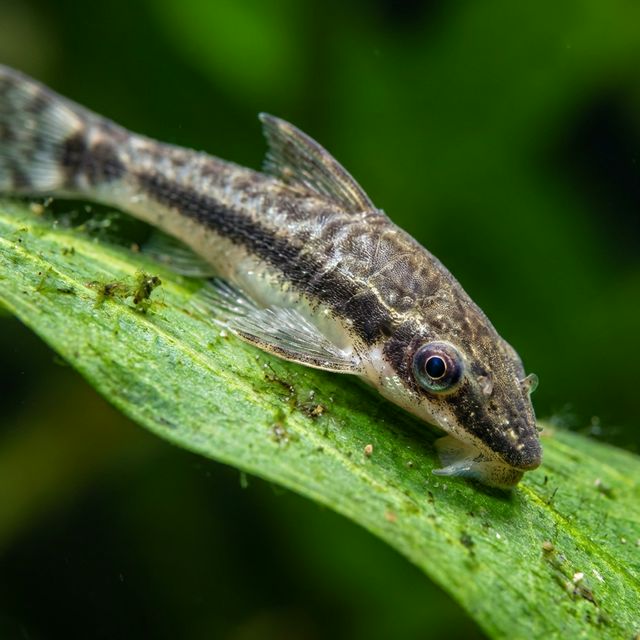
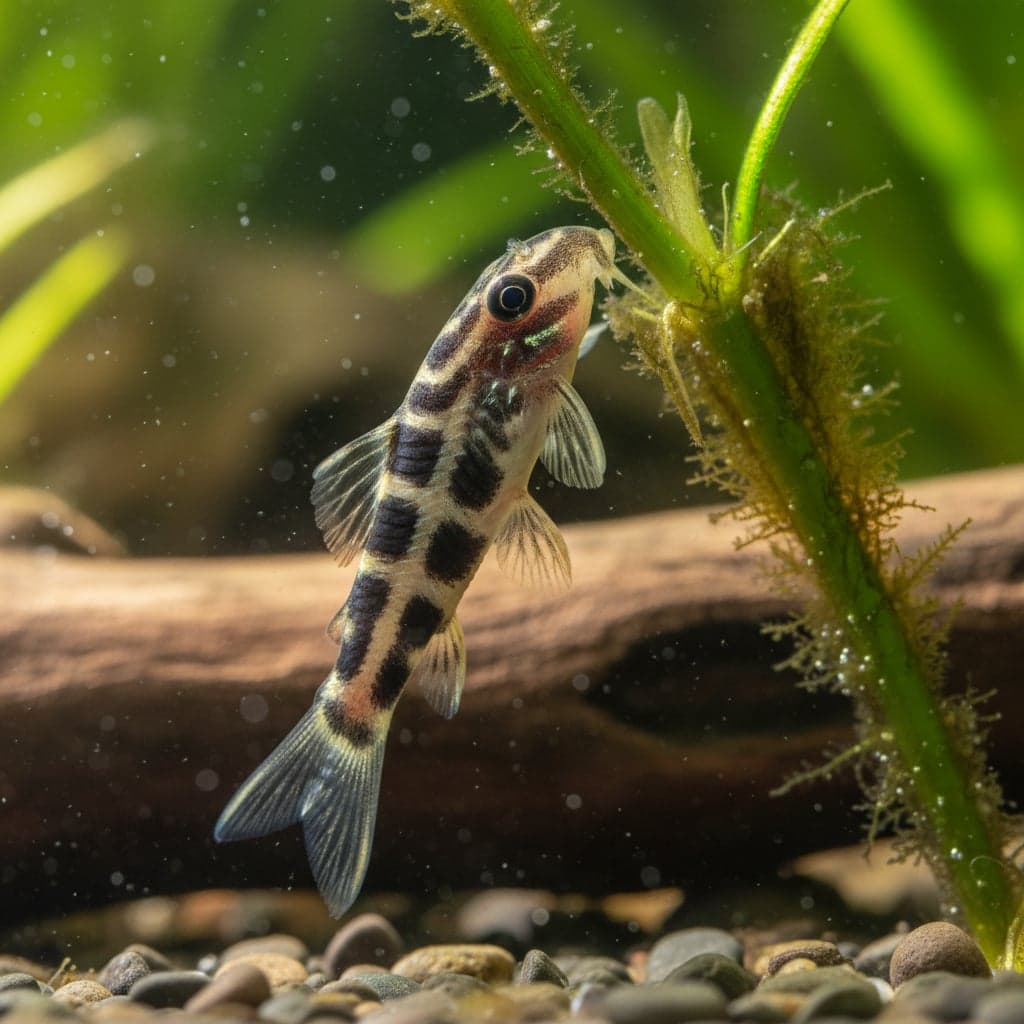
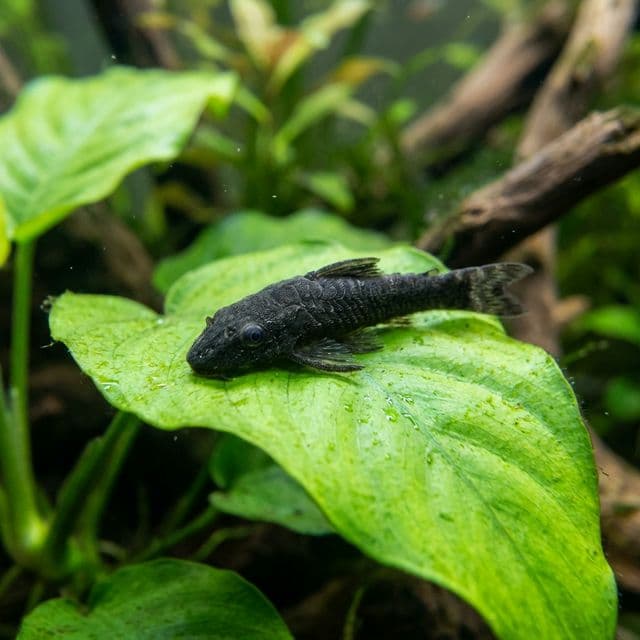
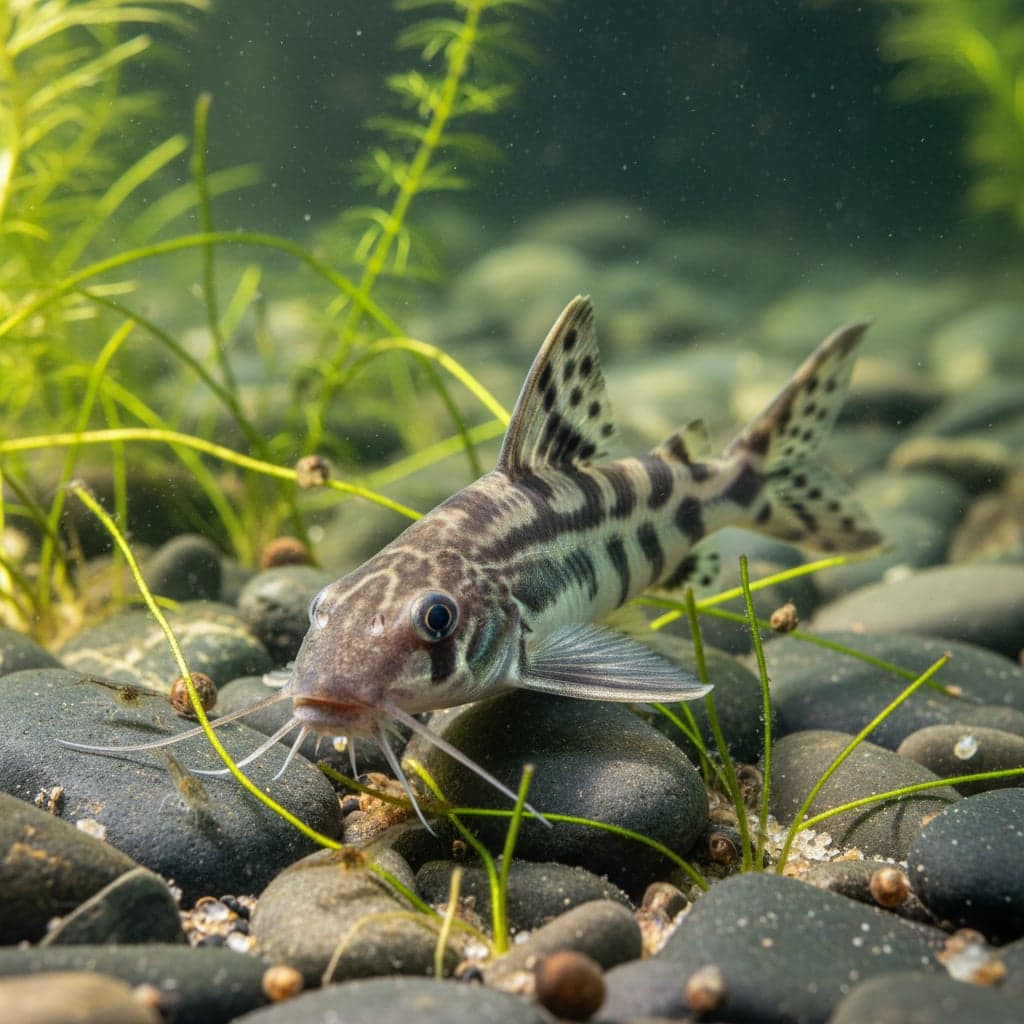
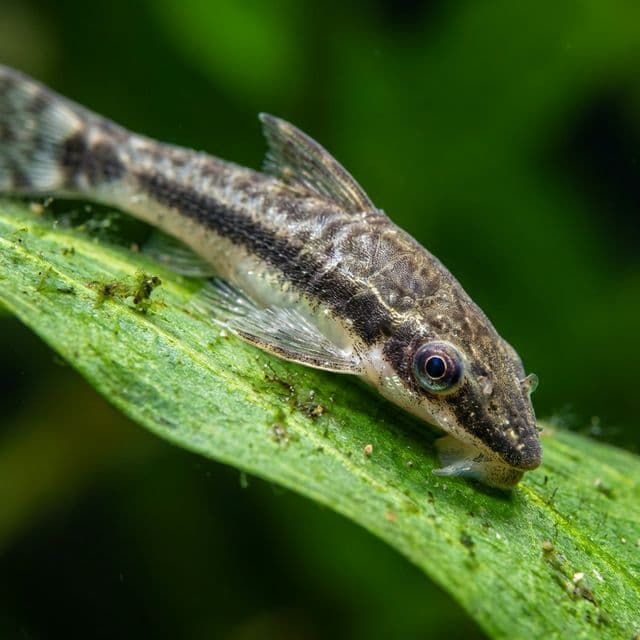
The Dwarf Suckermouth Catfish, scientifically known as Otocinclus sp., is a small freshwater fish that has become a favorite among aquarists due to its charming appearance and helpful algae-eating capabilities. Typically growing to a size of 1 to 2 inches, these fish have a slender, elongated body with a distinctive pattern of contrasting dark and light spots that provide camouflage in their natural habitat. Their gentle demeanor, coupled with their active behaviors, makes them a delightful addition to any peaceful community aquarium. The Dwarf Suckermouth Catfish is not only visually appealing, but it also plays a crucial role in maintaining aquarium health by keeping algae growth in check, which is vital for a balanced ecosystem.
In the aquarium hobby, the Dwarf Suckermouth Catfish represents a perfect balance of beauty and utility. These fish are often kept in schools, providing dynamic movement and interactions that captivate hobbyists. Their peaceful nature makes them suitable for community tanks, where they coexist harmoniously with a variety of other species. Their significance in the hobby extends beyond their aesthetic and practical roles; they are a living testament to the intricate ecosystems of freshwater bodies from which they originate, reflecting the importance of biodiversity preservation in aquatic environments.
Natural Habitat & Origin
The Dwarf Suckermouth Catfish originates from the freshwater rivers and streams of South America, particularly in the Amazon basin. This geographical region is characterized by its lush vegetation and diverse aquatic life, providing a rich ecosystem that supports these small catfish. The waters in which Otocinclus sp. are found tend to be soft and slightly acidic, with pH levels typically ranging from 6.0 to 7.5. These fish thrive in clearwater environments where they can forage for algae and detritus among submerged plants and natural debris.
The natural habitat of the Dwarf Suckermouth Catfish is often described as a blackwater environment, resulting from the decomposition of leaf litter and organic materials that stain the water with tannins. This setting not only provides essential nutrients for the ecosystem but also offers cover and protection for the fish themselves. Understanding their natural habitat is essential for replicating the ideal conditions for these fish in captivity, ensuring their health and well-being.
Care Requirements
To successfully keep Dwarf Suckermouth Catfish, specific water parameters must be maintained: a pH between 6.0 to 7.5, a temperature range of 72°F to 78°F (22°C to 26°C), and water hardness of 2 to 10 dGH. These parameters are conducive to their well-being, allowing them to thrive in a stable environment. Additionally, the minimum tank size for a school of five to six Dwarf Suckermouth Catfish should be no less than 20 gallons to provide ample swimming space and reduce stress.
When setting up their tank, incorporating a soft substrate, such as sand or fine gravel, will protect their delicate bodies. Lighting should be moderate, with options for live plants that can provide cover and grazing surfaces for these herbivorous fish. Floating plants can also be added to soften the light and create a more natural ambiance, echoing their native habitat. Hardscape elements like driftwood and rocks can be utilized to create hiding spots, ensuring these fish feel secure in their environment.
Diet & Feeding
Dwarf Suckermouth Catfish are primarily herbivorous, but they also exhibit omnivorous feeding habits. In the wild, they consume a diet consisting of algae, biofilm, and plant matter. To ensure optimal health in an aquarium setting, it is essential to provide a varied diet that includes high-quality algae wafers, spirulina flakes, and blanched vegetables such as zucchini, cucumber, and spinach. These foods not only supply the necessary nutrients but also mimic their natural grazing behaviors.
While they do appreciate dry foods, it’s crucial to supplement their diet with occasional offerings of frozen or live foods, such as daphnia or brine shrimp, which can enhance their overall well-being and enrich their diet. Ensuring they have access to both plant-based and protein-rich foods will allow Dwarf Suckermouth Catfish to flourish and contribute to a balanced aquatic ecosystem.
Behavior & Temperament
The behavior of Dwarf Suckermouth Catfish is characterized by their docile and peaceful nature. They are sociable fish that prefer to live in groups of at least five to six individuals, which helps them feel secure and reduces stress. In the aquarium, they are often seen grazing on algae-covered surfaces, showcasing their active foraging habits. As a bottom-dwelling species, they tend to occupy the lower levels of the tank, frequently engaging in communal activity with their tankmates.
This species is non-aggressive and exhibits very little territorial behavior, making them ideal companions in community tanks. However, it is essential to avoid housing them with larger, more aggressive fish that may intimidate or harm them. Dwarf Suckermouth Catfish thrive in tranquil environments, where they can explore their surroundings and interact with their fellow community members in a peaceful manner.
Tank Mates
When it comes to selecting tank mates for Dwarf Suckermouth Catfish, compatibility is key. They thrive in community setups with other peaceful species. Suitable companions include smaller tetras (like Neon Tetras or Ember Tetras), rasboras, gouramis, and peaceful dwarf cichlids. Additionally, other algae-eating fish, such as the Amano Shrimp or nerite snails, can coexist well with Dwarf Suckermouth Catfish, contributing to overall tank cleanliness.
However, it’s crucial to avoid placing them with larger or more aggressive species, such as cichlids or more boisterous fish like barbs, which may pose a threat to their safety and comfort. Selecting tank mates with similar water parameter requirements and behavioral traits will help create a harmonious environment, ensuring that all species can thrive together.
Breeding
Breeding Dwarf Suckermouth Catfish in captivity can be a rewarding endeavor, although it is rarely achieved due to their specific spawning requirements and the challenges of providing optimal conditions. To encourage spawning, a separate breeding tank with soft, acidic water (pH around 6.0) is recommended. The tank should be densely planted with fine-leaved plants, providing the fish with suitable hiding spots.
During the breeding process, the males will engage in a courtship display, often nudging the females and leading them to suitable spawning sites among the plants. After a successful courtship, females will lay adhesive eggs on the leaves of the plants. It's essential to separate the adults from the eggs after spawning, as the parents may consume them. With the right conditions, eggs will hatch in approximately 3 to 5 days, and the fry can be fed infusoria or finely crushed flakes until they are large enough to consume more substantial foods.
Common Health Issues
Dwarf Suckermouth Catfish are generally hardy fish; however, they can be prone to specific health issues if not kept in optimal conditions. Common problems include ich, fin rot, and bloating due to overfeeding. Preventative measures include maintaining stable water parameters, performing regular water changes, and providing a balanced diet to avoid digestive issues.
Regular monitoring for any signs of distress, such as sunken bellies, clamped fins, or rapid breathing, is critical because Otocinclus catfish have very little body mass and can decline quickly if starved or stressed. They rely heavily on a constant supply of natural soft green algae and biofilm, so they should only be added to mature, well-established tanks. Supplementing their diet with blanched zucchini, spinach, and high-quality spirulina algae wafers ensures they remain well-nourished. Given high dissolved oxygen levels, pristine water quality, and a dedicated school of conspecifics, Dwarf Suckermouth Catfish will remain industrious, charming cleaners in your planted aquarium.