Dwarf Synodontis Catfish: Microsynodontis batesii
One of the tiniest Synodontis species. A rarity in the hobby.
Dwarf Synodontis Catfish
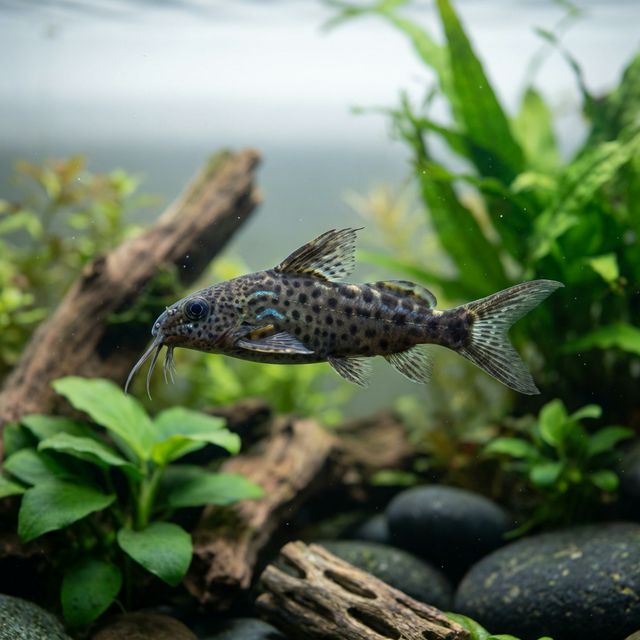
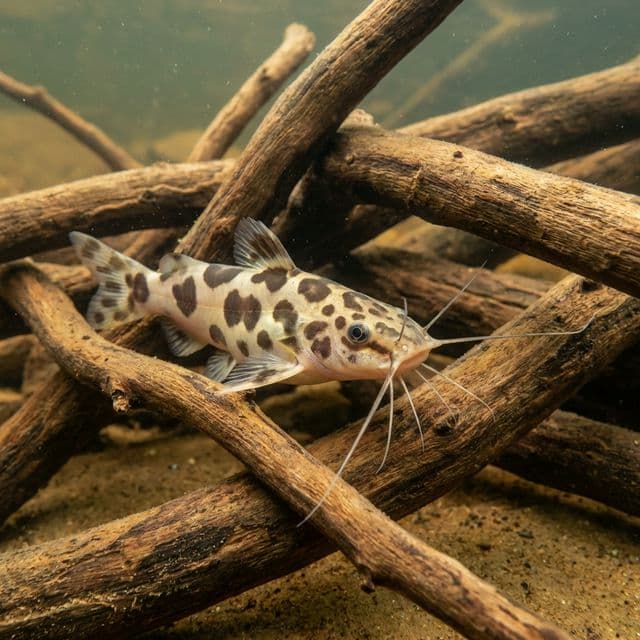
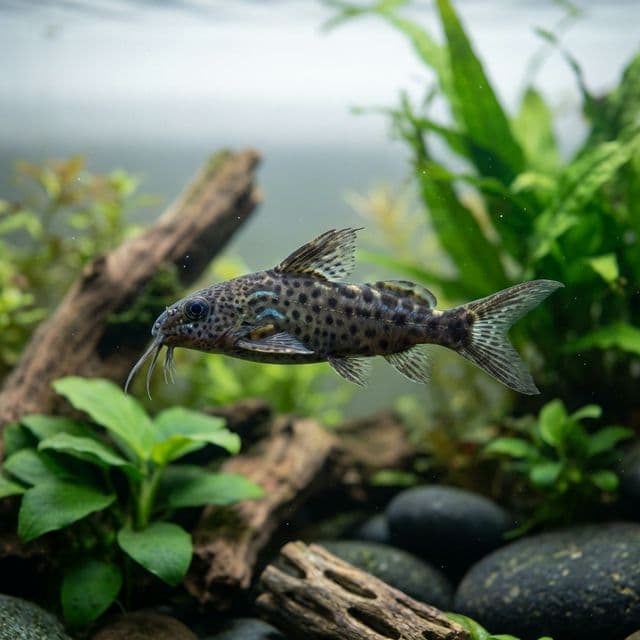
The Dwarf Synodontis Catfish, scientifically named Microsynodontis batesii, is a charming and petite species of catfish known for its unique appearance and lively personality. Unlike many other catfish, this species only grows to about 2 inches (5 cm) in length, making it an ideal candidate for aquarists with limited tank space. Its body is adorned with an attractive pattern of dark and light coloration, showcasing distinctive spots along a cream-colored body that contribute to its visual appeal in the aquarium. In addition to its aesthetic qualities, the Dwarf Synodontis Catfish plays a significant role in the aquatic ecosystem, as it helps maintain a balanced environment by scavenging detritus and uneaten food from the substrate.
In the aquarium hobby, the Dwarf Synodontis Catfish is prized for its unique behavior and social nature. This species is often observed climbing on driftwood and rocks, showcasing its agile movements and playful demeanor. Its relatively peaceful disposition makes it suitable for community tanks, and aquarists often appreciate the dynamic it adds to their setups. While they may be small, Dwarf Synodontis Catfish bring a lively essence to the tank that can be both entertaining and visually stunning, making them a sought-after species among fish enthusiasts.
Natural Habitat & Origin
Dwarf Synodontis Catfish are native to the lower Congo River Basin in Central Africa, particularly in regions where slow-moving waters provide a rich habitat. They thrive in blackwater streams and rivers, where the water is stained by decomposing organic materials, creating a dark, tannin-rich environment. This natural habitat is characterized by dense foliage, submerged logs, and a soft substrate of leaf litter and fine silt, which serve as both concealment and food sources for these catfish. The ability to adapt to variable water conditions in their native habitats has made the Dwarf Synodontis Catfish a remarkably resilient species, able to thrive in well-maintained aquarium environments.
Care Requirements
To maintain the health and well-being of Dwarf Synodontis Catfish in an aquarium setting, specific water parameters should be carefully monitored. The ideal pH range is between 6.0 and 7.5, with water temperature maintained between 75°F and 80°F (24°C - 27°C). Hardness levels should be kept at a moderate range of 4-15 dGH. Considering their natural habitat, it is essential to provide them with a soft substrate—such as sand or fine gravel—where they can comfortably forage and explore. Lighting should be subdued, mimicking the dim conditions of their native waters; using floating plants can help create shaded areas in the tank. Additionally, providing plenty of hiding spots using driftwood, rocks, and plant coverage will foster a secure environment for these catfish.
Diet & Feeding
Dwarf Synodontis Catfish are omnivorous, which means they thrive on a varied diet. In captivity, they readily accept high-quality flake food, sinking pellets, and frozen foods such as bloodworms or brine shrimp. A diverse diet not only ensures their nutritional needs are met but also enhances their overall health and vitality. While they can be fed commercial fish food, it is beneficial to supplement their diet with live foods occasionally, as this stimulates natural foraging behavior. Regular feeding should include small quantities up to two times a day, ensuring that uneaten food is promptly removed to maintain water quality.
Behavior & Temperament
The Dwarf Synodontis Catfish exhibits a generally peaceful temperament, making them a suitable addition to community tanks. They display social behavior, often preferring to be kept in small groups of at least three to foster a sense of security and comfort. Despite their sociability, be aware that they can also be somewhat territorial, especially when it comes to claiming hiding spots. Their active swimming tends to occur near the bottom of the aquarium, where they often take refuge among rocks and plants. While they may occasionally engage in playful sparring with their own kind, they are not aggressive and are more likely to focus their energy on foraging and exploring their environment.
Tank Mates
When selecting tank mates for Dwarf Synodontis Catfish, it is essential to choose peaceful species that enjoy similar water parameters. Compatible tank mates include tetras, rasboras, small barbs, and peaceful cichlids like Apistogramma species. They can also coexist with bottom-dwelling fish such as shrimp, as long as the shrimp are of a suitable size. It is crucial to avoid aggressive or territorial species that may bully the Dwarf Synodontis Catfish, such as larger cichlids or overly aggressive barbs. By carefully curating a compatible community, aquarists can ensure a harmonious environment that keeps both the catfish and their tank mates thriving.
Breeding
Breeding Dwarf Synodontis Catfish in captivity can be challenging, but it is feasible with the right conditions. During spawning, these catfish exhibit unique behaviors, including the male chasing the female and the duo performing a courtship dance, which leads to the laying of eggs on smooth surfaces, such as flat rocks or leaf stems. It is recommended to condition the fish with a high-protein diet prior to breeding to promote successful egg development. A separate breeding tank may be beneficial to minimize stress and predation. Maintaining slightly warmer temperatures and soft, slightly acidic water can stimulate spawning. After laying eggs, the parents should be removed from the breeding tank to protect the eggs, which typically hatch in 24-48 hours.
Common Health Issues
Despite their hardiness, Dwarf Synodontis Catfish can be susceptible to a few common health issues. These fish may face challenges such as ich (whitespot disease), fin rot, and bacterial infections, typically resulting from suboptimal water conditions or stress. Regular water changes and maintaining appropriate water parameters are vital for keeping these catfish healthy. To prevent diseases, ensure a well-filtered and clean environment, minimize competition for resources, and avoid overcrowding. Close observation of behavior and physical appearance is essential; any signs of illness should be promptly addressed to prevent the spread of disease to other tank inhabitants.