Eight Banded False Barb: Eirmotus octozona
A tiny, rare nano fish from Southeast Asian peat swamps. Features eight vertical bars.
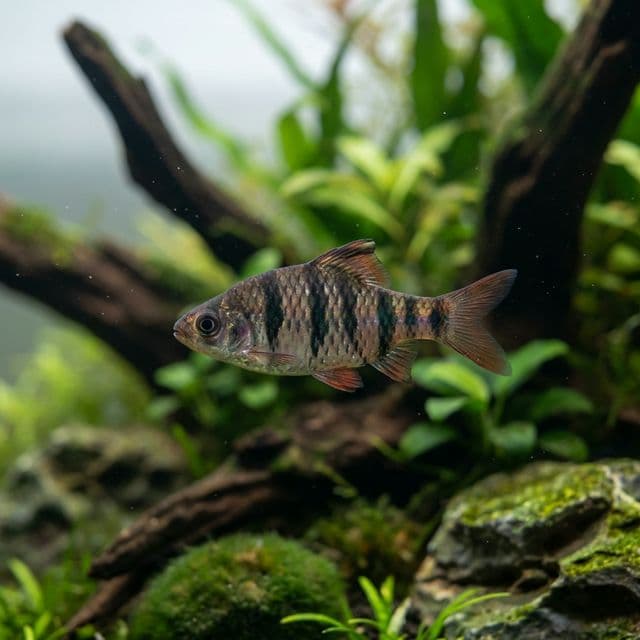
Eight Banded False Barb
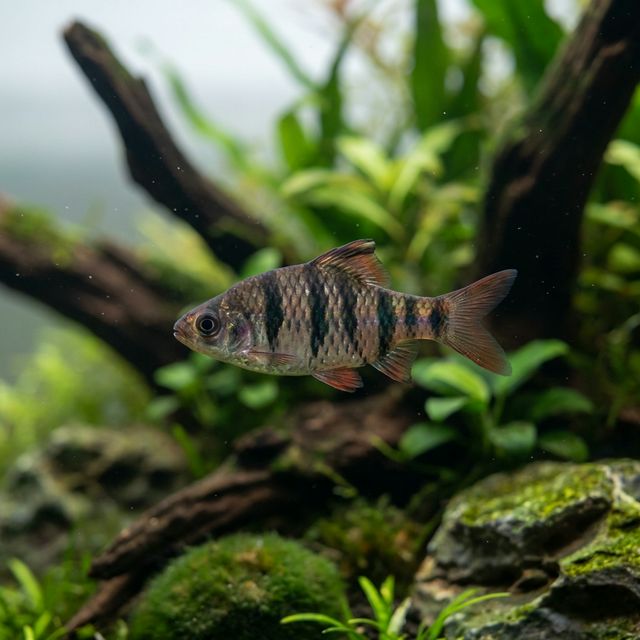
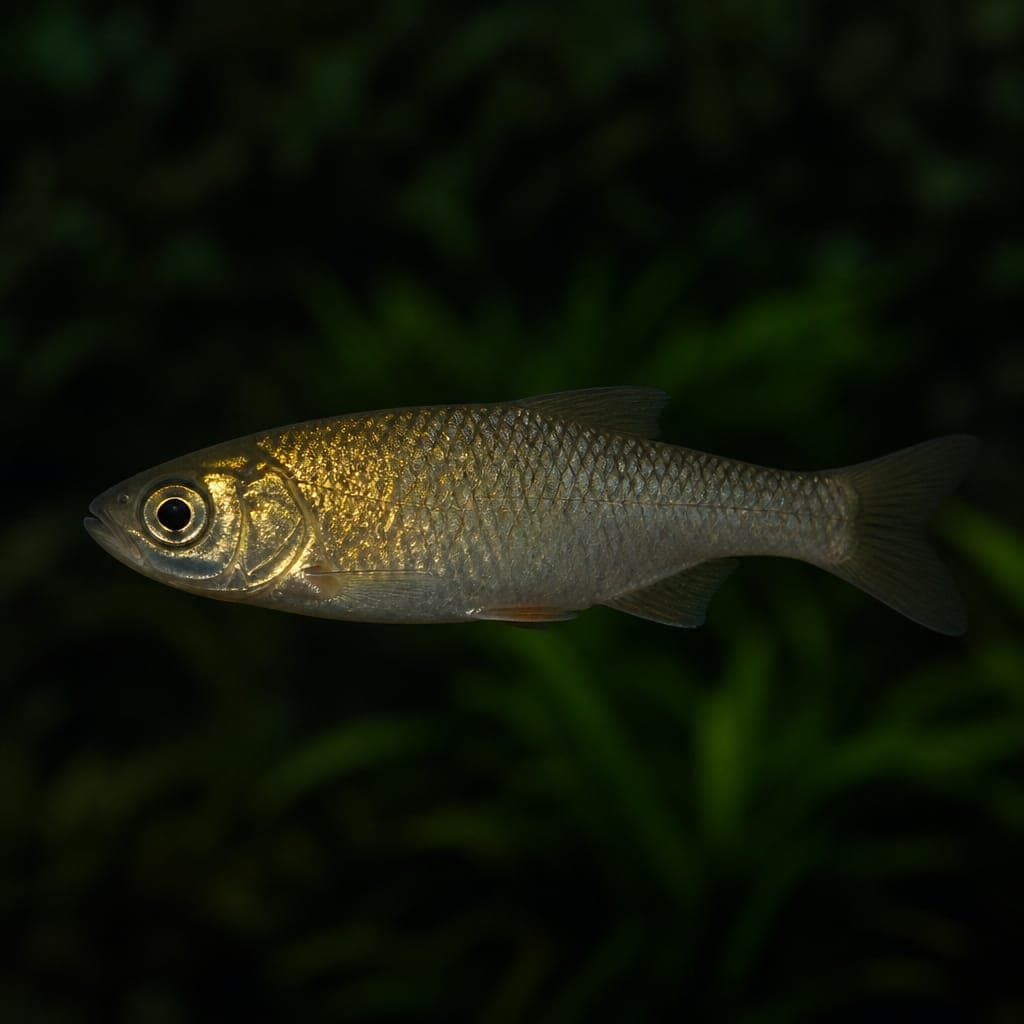
The Eight Banded False Barb, scientifically known as Eirmotus octozona, is an elegant species of freshwater fish that captivates aquarium enthusiasts with its striking appearance and active demeanor. Characterized by its distinctive eight vertical black bands against a pale silvery body, this fish exhibits a vibrant and dynamic nature, making it a fascinating addition to community tanks. The contrast between its sleek body and pronounced markings allows the Eight Banded False Barb to stand out, offering visual intrigue to any aquarist's collection. Moreover, they are often regarded as hardy fish, making them suitable for both novice and experienced hobbyists.
In the aquarium hobby, the Eight Banded False Barb is valued for its engaging behavior and compatibility with a range of species. Known to be lively schoolers, these fish thrive in groups, which not only promotes their natural behavior but also enhances their visual display when they dart around the tank. Their sociable nature and voracious swimming patterns make them an excellent choice for community tanks focused on creating a vibrant, dynamic environment. As such, they have garnered popularity in freshwater aquascaping, contributing to their significance in the industry.
Natural Habitat & Origin
The Eight Banded False Barb is native to the waters of Southeast Asia, particularly found in the rivers and streams of Thailand and Malaysia. These regions are characterized by a warm tropical climate, providing an ideal environment for this species to thrive. In their natural habitats, the Eight Banded False Barb typically inhabits clear, slow-moving waters, where they can be found in shallow areas among submerged vegetation, roots, and leaf litter. These ecosystems often exhibit a variety of water chemistry, but the fish prefer slightly acidic to neutral waters, rich in organic materials, which provide them with a protective and nourishing environment.
The natural environment of the Eight Banded False Barb is often described as a combination of clearwater and slightly turbid water conditions, which encourages the presence of soft substrates and dense plant coverage. These aquatic ecosystems are essential for their survival, as they provide shelter and breeding grounds while supporting a diverse food web. Understanding this natural habitat is crucial for aquarists aiming to replicate the ideal conditions for the Eight Banded False Barb in their own tanks.
Care Requirements
When maintaining Eight Banded False Barbs in captivity, it's essential to provide water conditions that closely resemble their natural habitat. Ideal parameters include a pH range of 6.5 to 7.5, a temperature between 75°F to 80°F (24°C to 27°C), and a water hardness of 2 to 12 dGH. These parameters help ensure the overall health of the fish and their ability to thrive in a community setting.
Regarding tank setup, a minimum aquarium size of 30 gallons is recommended, as these fish are active swimmers and require ample space to explore. A soft substrate, such as fine gravel or sand, mimics their natural environment, while the incorporation of live plants, driftwood, and rocky structures can provide hiding spots and enhance their sense of security. Lighting should be moderate to highlight the natural colors of the fish while providing a comfortable environment. Aquarists should ensure regular water changes and proper filtration to maintain water quality, which is crucial for the health and activity of the Eight Banded False Barb.
Diet & Feeding
The Eight Banded False Barb is an omnivorous fish, thriving on a varied diet that includes both plant and animal matter. In captivity, they can be fed high-quality flakes or pellets formulated for freshwater community fish, providing a balanced nutritional foundation. Additionally, supplementing their diet with frozen and live foods, such as brine shrimp, daphnia, and bloodworms, can enhance their growth and overall health.
To promote optimal coloration and vitality, it is also beneficial to include vegetable matter in their diet. This can be achieved by offering blanched spinach, zucchini, or specialized algae wafers. Regular feeding should occur 2-3 times a day, with only what they can consume within a few minutes to maintain water quality and prevent overfeeding.
Behavior & Temperament
The Eight Banded False Barb exhibits lively and playful behavior, often best enjoyed when kept in schools of six or more individuals. This schooling behavior not only fosters their social nature but also reduces stress and displays their vibrant activity levels. In a properly sized tank, these fish are generally peaceful, exhibiting mild temperament and minimal aggression towards their companions.
They tend to occupy the mid to upper levels of the aquarium, utilizing the entire water column for swimming. While they are generally harmless, it's important for aquarists to monitor their interactions with more timid species, as their energetic antics can sometimes inadvertently stress other fish. Maintaining a balanced community ensures their active nature benefits the overall harmony of the tank.
Tank Mates
When selecting compatible tank mates for the Eight Banded False Barb, it’s essential to choose species that can withstand their energetic and sociable temperament. Suitable companions include other small to medium-sized tetra species, rasboras, danios, and various species of peaceful barbs. Additionally, larger corydoras catfish or peaceful loaches can also thrive alongside the Eight Banded False Barb.
Species to avoid include those that are highly territorial or aggressive, such as cichlids, large gouramis, or fish known for nipping, like some types of bettas. It's always best to research each species' compatibility before introducing them into a community setting to maintain an enjoyable and stable aquarium environment.
Breeding
Breeding the Eight Banded False Barb in captivity can be rewarding, though it requires specific conditions to succeed. Generally, these fish engage in spawning during the early morning hours, preferring to lay their eggs in soft vegetation or spawning mops designed to mimic their natural environment. To promote breeding, maintain slightly softer and more acidic water conditions, as this mimics the habitat where they naturally spawn.
Conditioning the breeding pair with a nutritious diet high in protein about a week before breeding is crucial for successful egg development and health. Once the eggs are laid, the parent fish should be removed, as they may consume the eggs. The eggs will typically hatch within 24–48 hours, and young fry should be fed infusoria or finely crushed flakes until they are large enough to take on more substantial food.
Common Health Issues
While the Eight Banded False Barb is generally hardy, they can be susceptible to some common freshwater fish diseases. These include ich (ichthyophthirius), fin rot, and velvet disease, often resulting from poor water quality or stress. Regular monitoring of water parameters and maintaining a clean tank are essential preventive measures.
To help prevent disease outbreaks, maintain a stable environment, and avoid overcrowding or introducing sick fish. Quarantining new arrivals for at least two weeks before adding them to the main tank can also significantly decrease the risk of introducing pathogens. Regular observation for unusual behavior or physical signs of distress will help ensure the health and well-being of the Eight Banded False Barb in your aquarium.