The Endler Livebearer: Poecilia wingei
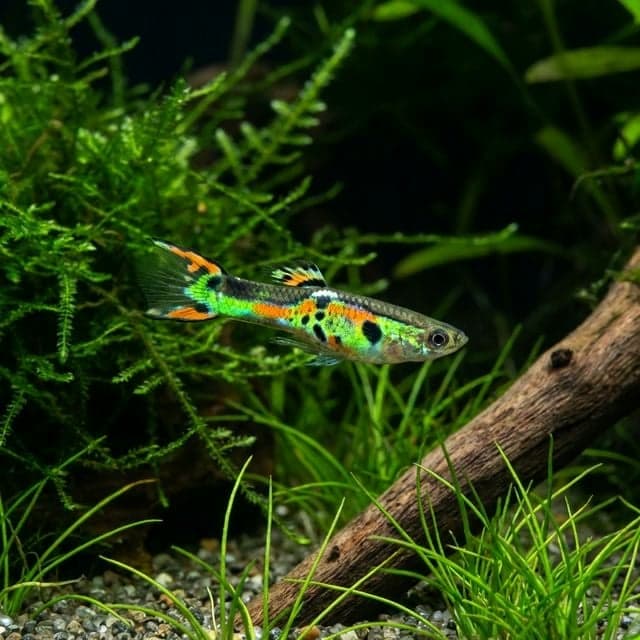
A smaller, more colorful relative of the guppy. Males display dazzling metallic colors in a compact package that is perfect for nano tanks.
Endler Livebearer
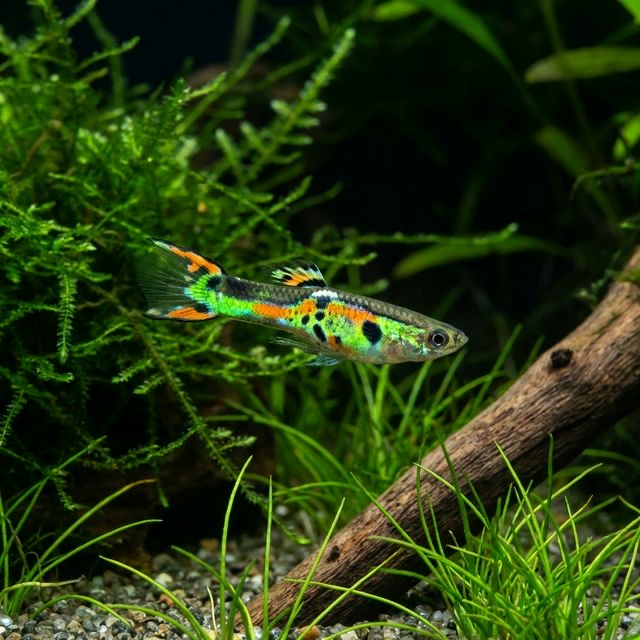
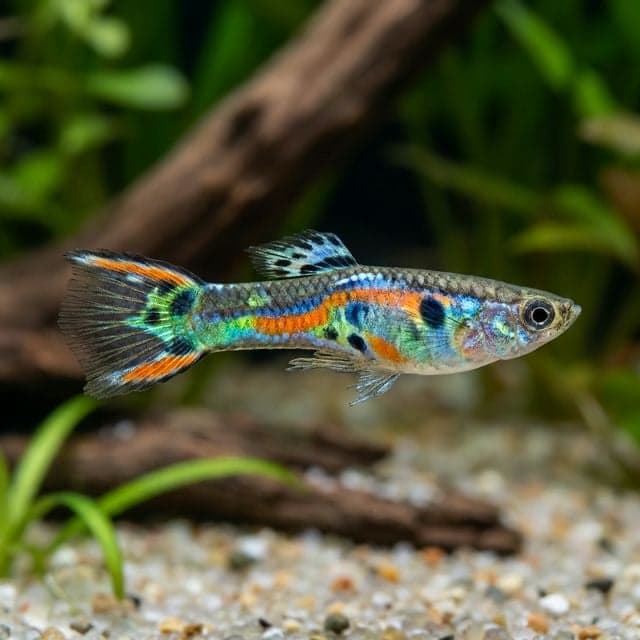
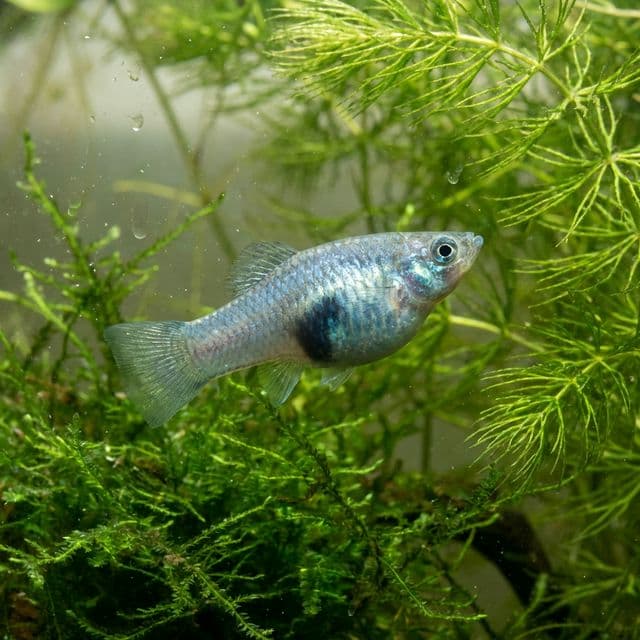
The Endler Livebearer, scientifically known as Poecilia wingei, is a small but visually stunning freshwater fish that has gained immense popularity among aquarium enthusiasts and hobbyists alike. Initially discovered in the early 1970s near the brackish lagoons of Venezuela, this species has captivated aquarists with its vivid colors and unique patterns. With males typically measuring around 1-1.5 inches and displaying vibrant palettes ranging from iridescent greens to bright oranges and blues, they exemplify the beauty of freshwater fish. In contrast, females are larger and less colorful, reaching up to 0.8-1.2 inches (2-3 cm) in length and providing a nice balance to the dynamic coloration of their male counterparts. Their remarkable appearance has not only made them a favorite in home aquariums but also highlights the importance of conservation efforts for their natural habitats.
Beyond their aesthetic appeal, the Endler Livebearer holds significant value in scientific research and conservation awareness. Due to its close genetic relationship with the common guppy (Poecilia reticulata), this species has become an essential resource for studying evolutionary biology and hybridization. Additionally, their popularity in the aquarium trade raises awareness about habitat conservation, as the species is susceptible to environmental changes in its native regions. This dual importance enhances the Endler Livebearer's status, making it an emblematic species within the aquarium hobby and promoting proactive efforts in freshwater ecology.
Natural Habitat & Origin
The Endler Livebearer is native to the coastal regions of northeastern Venezuela, specifically around the town of Cumana. In its natural habitat, the Endler thrives in warm, shallow lagoons, estuaries, and coastal swamps characterized by specific water conditions. The water in these areas is typically clear to slightly turbid, with a mix of soft, slightly acidic to neutral pH levels. It often boasts sandy substrates and various aquatic vegetation, allowing the Endler to take cover and seek refuge from potential predators. These rich ecosystems are vital for the Endler's survival, providing food sources and safe breeding grounds.
The natural environment of the Endler Livebearer is also marked by seasonal changes, which influence its breeding cycles. During the wet season, the fish readily spawn, taking advantage of the abundant food sources that emerge with increased plant growth. The preservation of their natural habitats is crucial as urban development and industrial pollution pose significant threats to these delicate ecosystems. As such, understanding their origins and environmental context emphasizes the need for protective measures in conservation efforts.
Care Requirements
To maintain a healthy tank environment for the Endler Livebearer, specific water parameters are essential. The ideal pH level should range between 6.5 to 7.5, with a water temperature maintained at around 72°F to 82°F. Soft to moderately hard water, with a hardness of 5-15 dGH, is preferable for optimal health and growth. A minimum tank size of 10 gallons is recommended to provide adequate space for swimming and breeding. It's essential to keep in mind that larger tanks can help reduce aggression and stress levels among the fish.
In terms of tank setup, a soft substrate is recommended to mimic their natural habitat, along with plenty of live plants like Java moss, Hornwort, or Anubias to offer hiding spots and improve water quality. Moderate lighting will help the plants thrive while creating a comfortable environment for the Endlers. Additionally, including driftwood or rocks will encourage exploration and provide additional grazing surfaces. Regular water changes and good filtration are crucial components of their care regime to keep the water parameters stable and the environment clean.
Diet & Feeding
The Endler Livebearer is an omnivorous species that thrives on a diverse diet. In captivity, it's important to replicate their natural feeding habits by providing a balanced mix of foods. High-quality flake or pellet foods formulated for small tropical fish can form the base of their diet, supplemented with live or frozen foods such as brine shrimp, daphnia, and bloodworms. These protein-rich options are particularly beneficial, especially during breeding periods, as they support the overall health and vigor of the fish.
Offering a variety of foods will not only enhance their colors but also ensure they meet their nutritional needs. Moreover, providing blanched vegetables like zucchini or spinach can be a great addition, encouraging natural foraging behavior. It's vital to feed them only what they can consume within a few minutes to avoid overfeeding and maintain water quality in the tank.
Behavior & Temperament
The Endler Livebearer is known for its lively and peaceful temperament, making it an excellent choice for community aquariums. These fish are social creatures that thrive in groups, and it is recommended to keep them in schools of six or more individuals to promote natural behavior and reduce stress. Males display active courtship behaviors, often engaging in lively displays and territorial posturing to attract females, which adds vibrancy to any aquarium setup.
In terms of vertical placement in the tank, Endler Livebearers typically inhabit the middle to upper levels of the water column, where they can be seen swimming freely and exploring aquatic vegetation. While males may exhibit some territorial behavior, especially during breeding displays, they rarely pose a threat to other non-aggressive species. However, caution should be exercised in pairing them with overly aggressive fish, as this can lead to stress and disruption in their social structure.
Tank Mates
When selecting tank mates for the Endler Livebearer, it’s essential to choose peaceful species that share similar water parameter requirements. Some excellent compatible species include:
- Guppies
- Neon Tetras
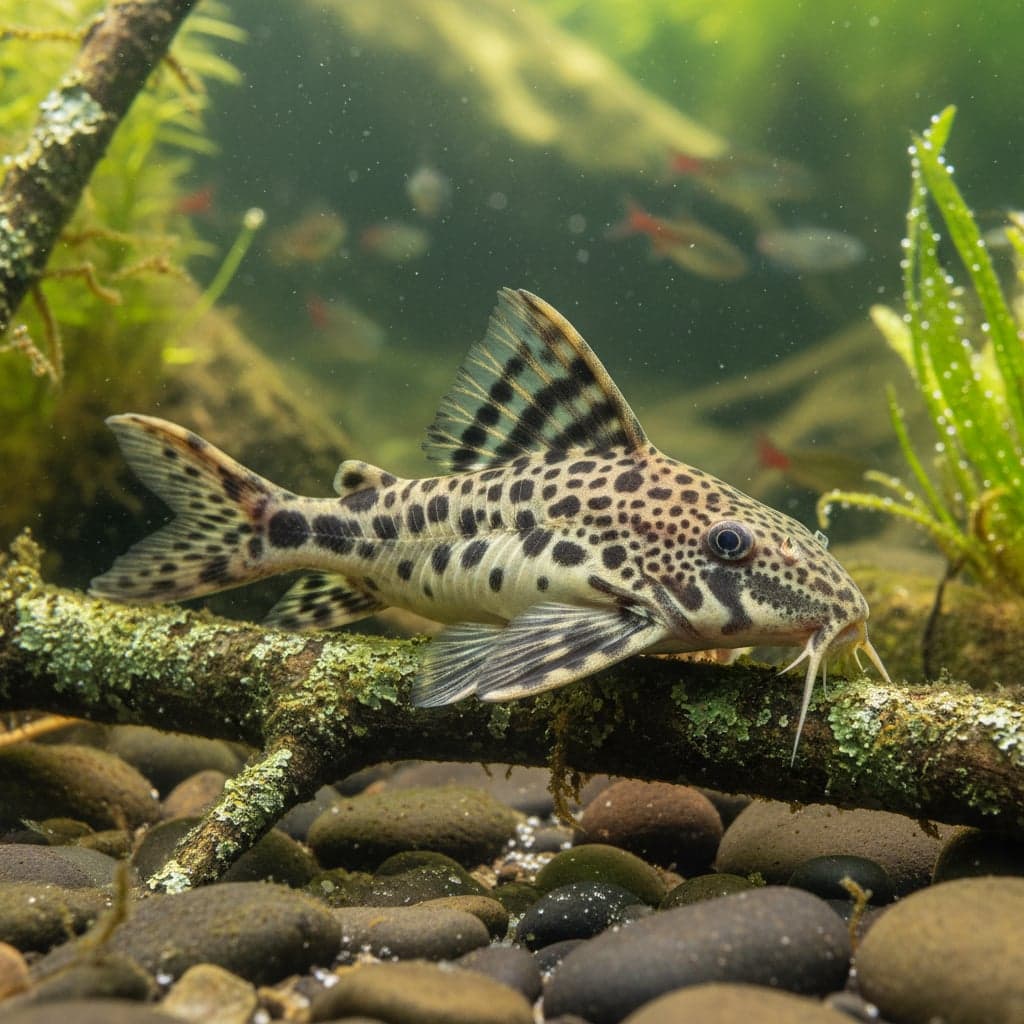
- Corydoras Catfish
- Cherry Barbs
- Rasboras
- Otocinclus Catfish
These species not only coexist harmoniously but also add diversity to the aquarium. However, it is crucial to avoid aggressive or larger fish that may pose a threat to the Endler Livebearers. Species such as bettas, cichlids, and larger barbs could bully or eat them, leading to a stressful environment. A well-thought-out selection of tank mates can create a balanced and thriving community aquarium.
Breeding
Breeding the Endler Livebearer in captivity is relatively straightforward due to their livebearing nature. To encourage spawning, it is essential to provide a well-planted tank with plenty of hiding spots for males and females. A spawn will typically begin when the male engages in courtship displays, which can lead to successful mating. Females can store sperm from males for several weeks, allowing them to produce multiple batches of fry without requiring frequent mating.
After a gestation period of about 3 to 4 weeks, the females will give birth to live, free-swimming fry, commonly referred to as Endler babies. Providing dense vegetation or a breeding box can improve fry survival rates, as adult fish may eat their young. Offering a nutrient-rich diet during the fry rearing stage will significantly contribute to their growth and development. Ensuring stable water parameters and low tank stress levels will also enhance breeding success within your aquarium.
Common Health Issues
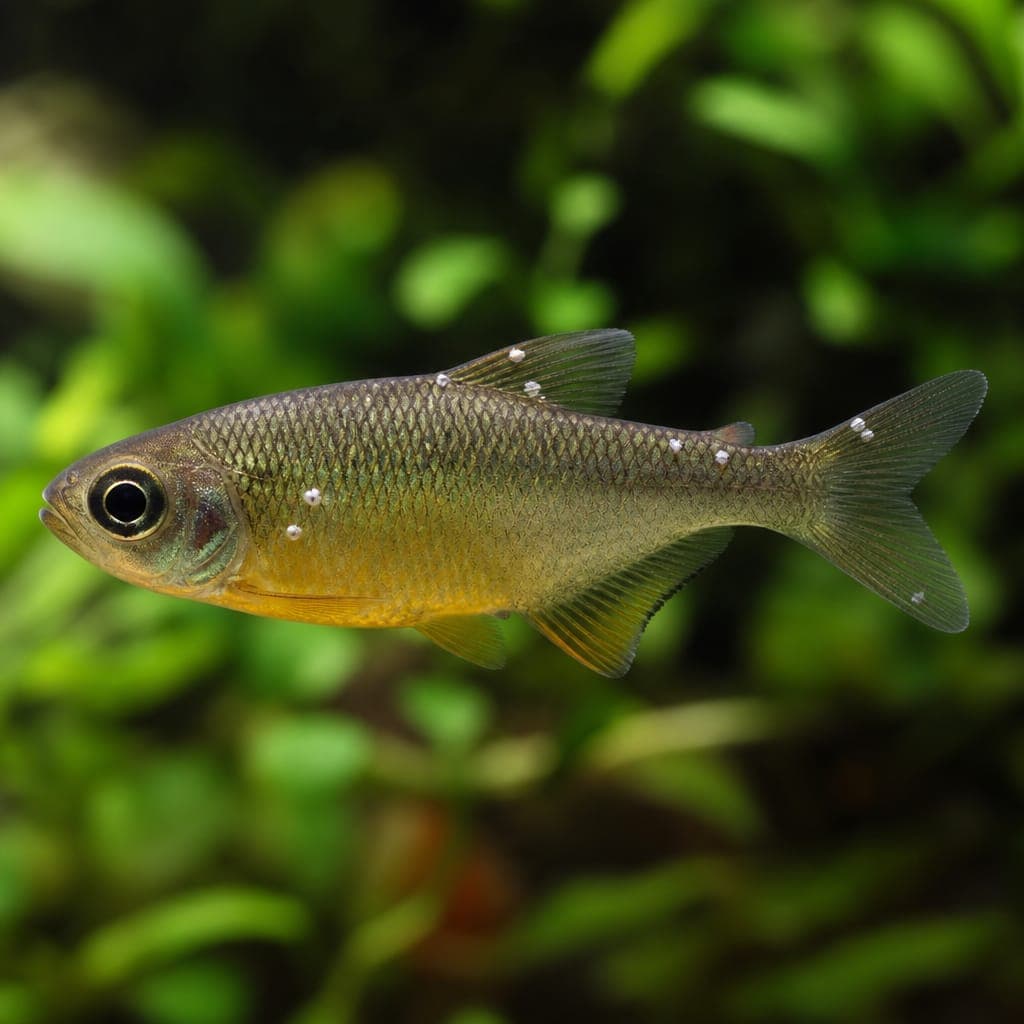
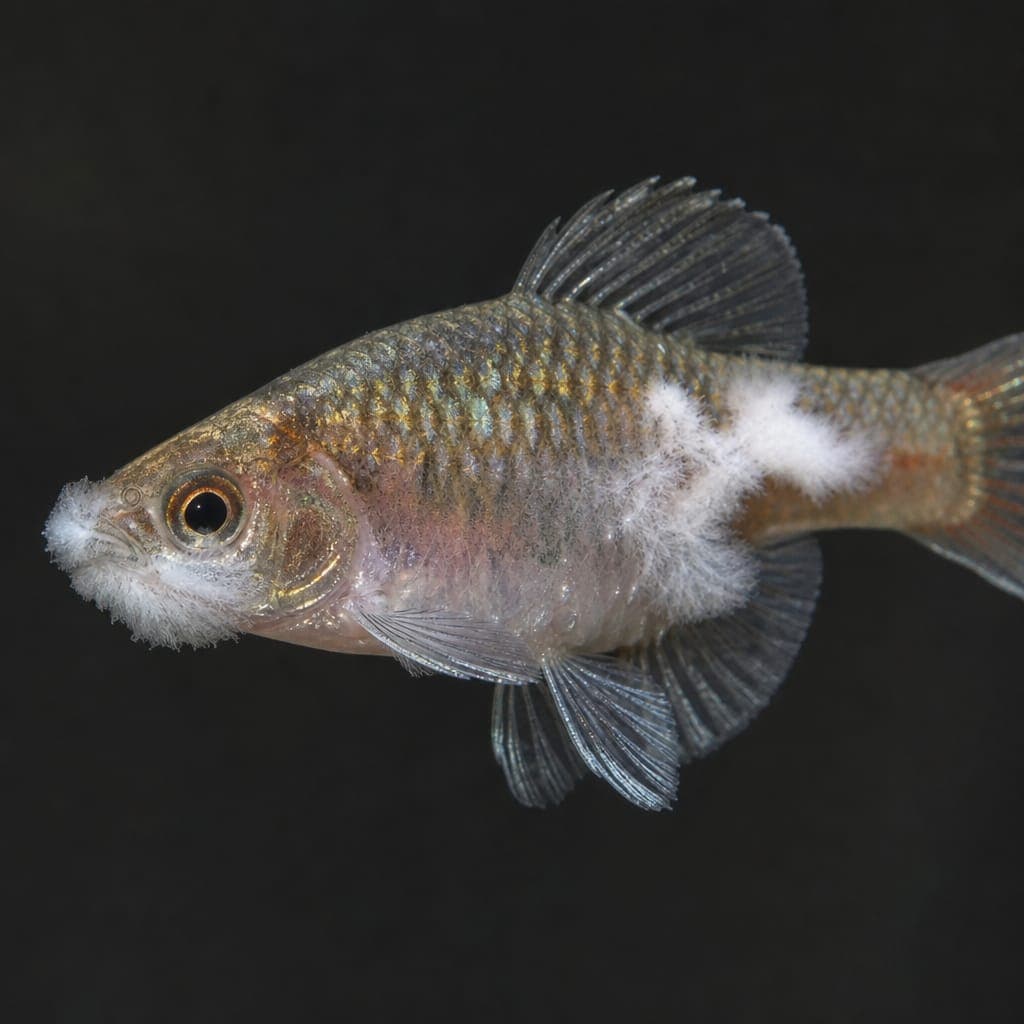
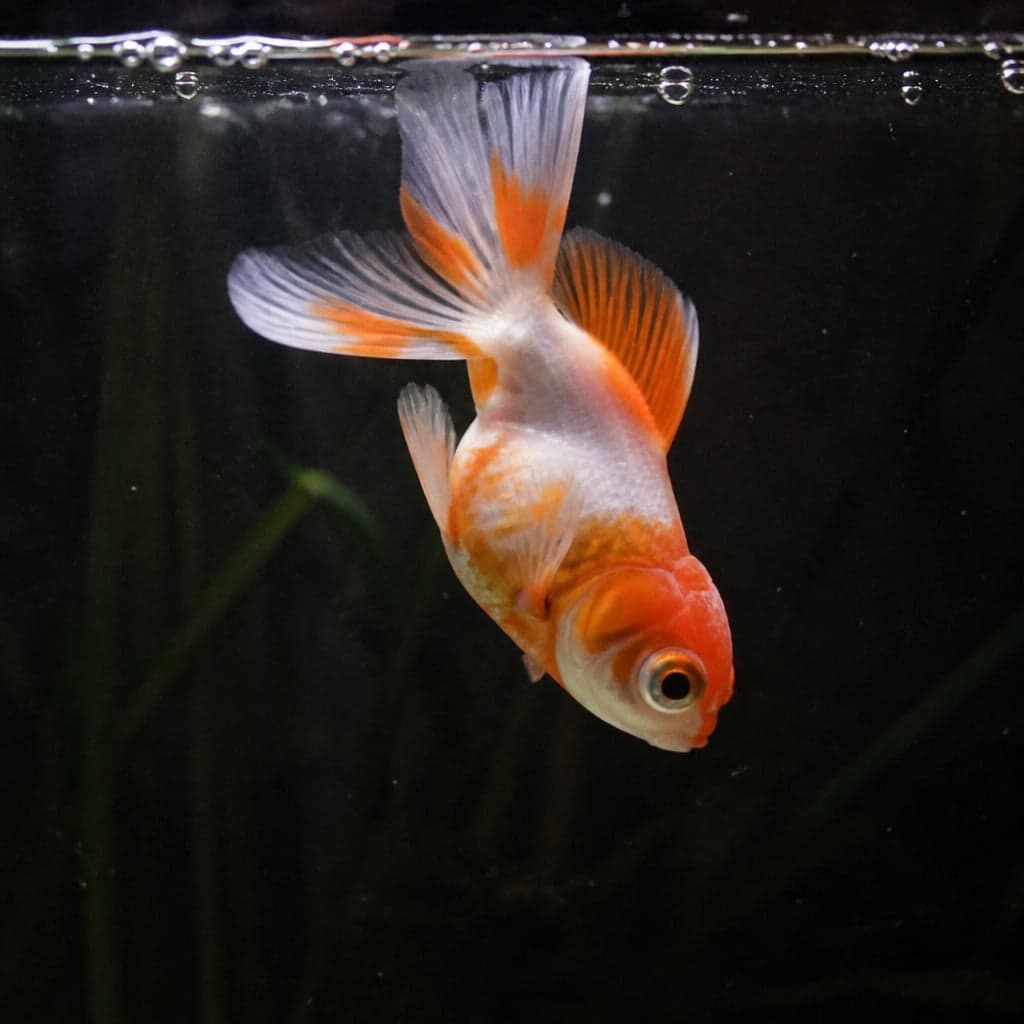
While the Endler Livebearer is generally resilient, they can be susceptible to certain health issues if proper care is not provided. Common ailments include:
- Ich (White Spot Disease)
- Fin Rot
- Cotton Wool Disease (Fungal infection)
- Swim Bladder Disorder
Preventative measures such as maintaining stable water temperatures, providing clean water through consistent weekly changes, and avoiding overcrowding will keep their immune systems strong. Because Endlers thrive in moderately hard to hard water with a neutral to slightly alkaline pH (7.0–8.0), keeping them in overly soft or acidic water can weaken their slime coat and increase disease vulnerability. Providing a balanced omnivorous diet with spirulina and small live or frozen foods, alongside routine quarantine of any new arrivals, ensures a vibrant and prolific colony of Endler Livebearers.