Fairy Cory: Hoplisoma atropersonatum
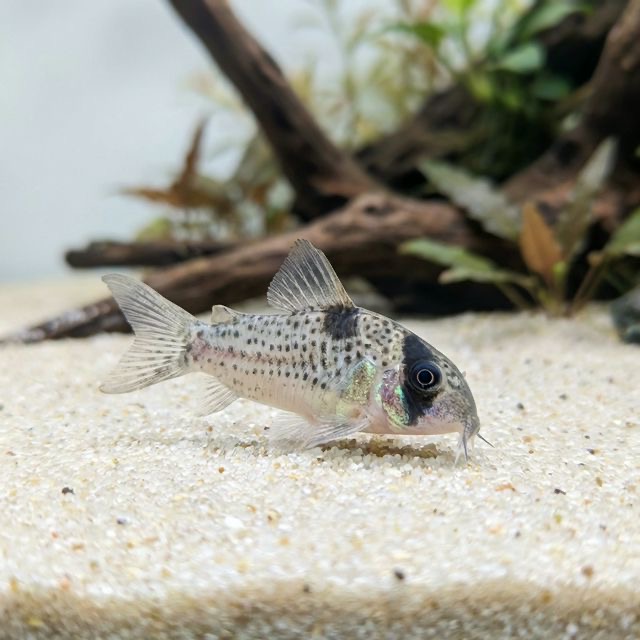
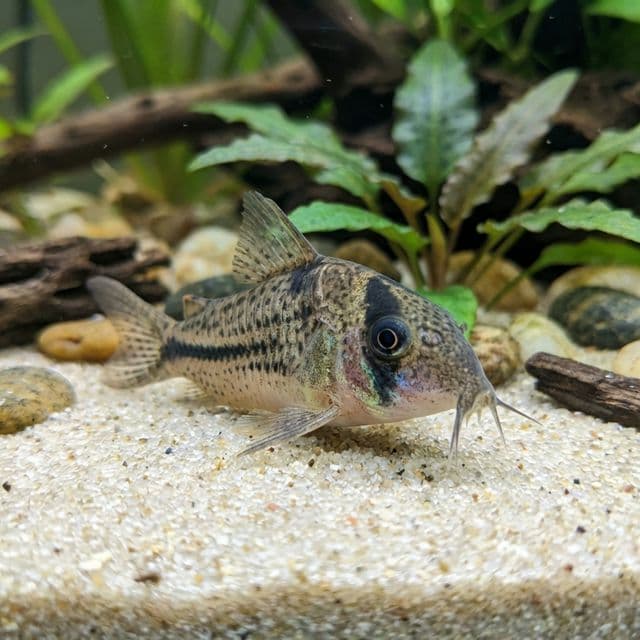
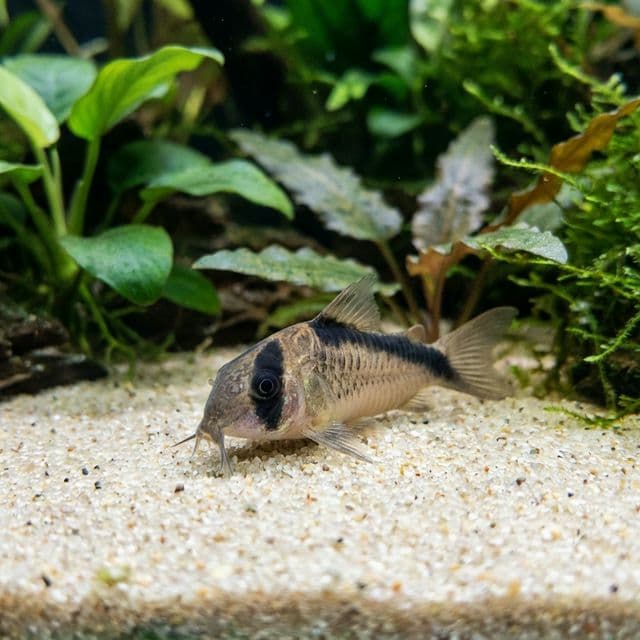
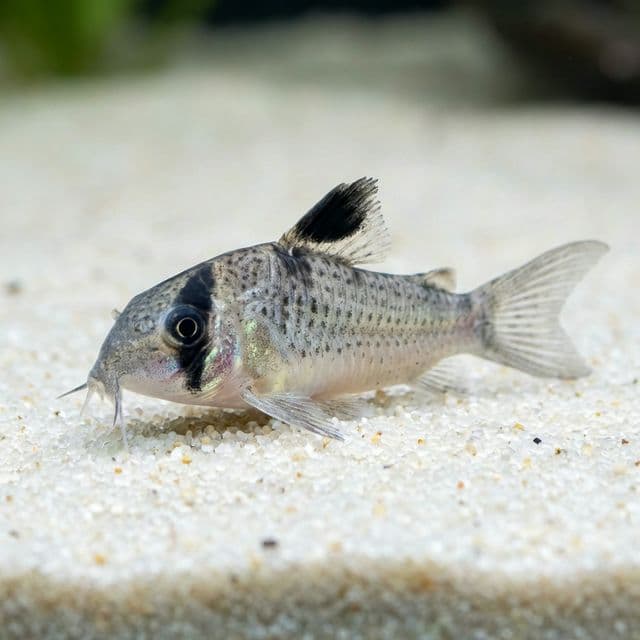
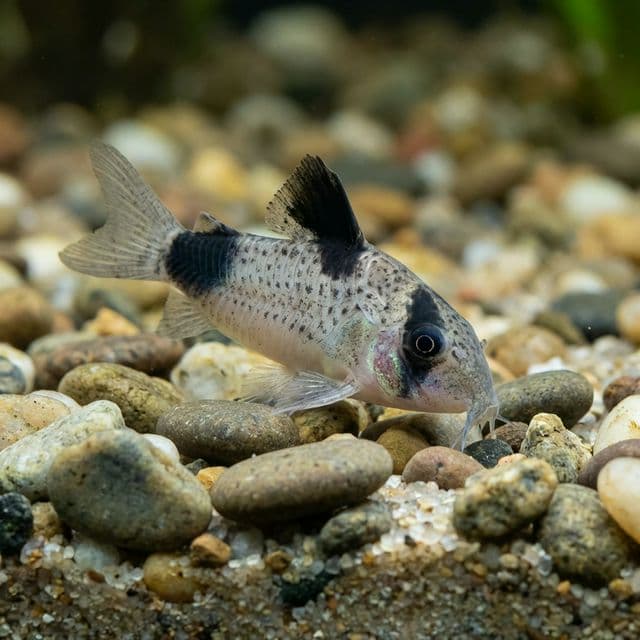
A beautiful corydoras with a dark mask and spotted body. Peaceful shoaler.

Fairy Cory
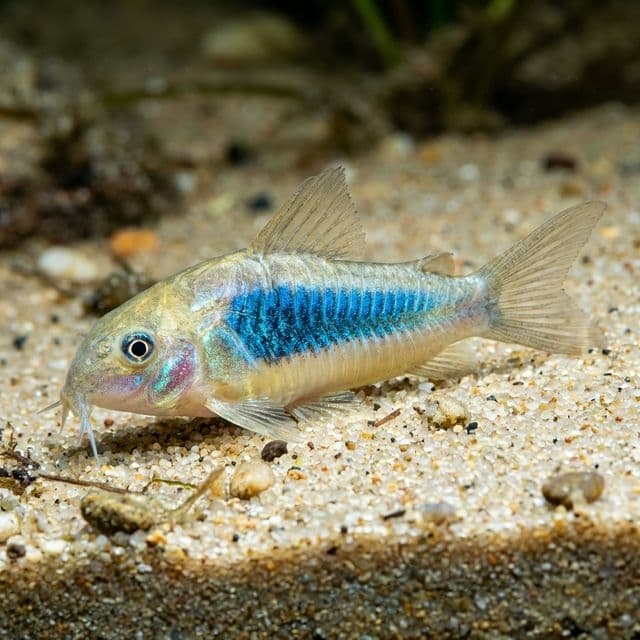
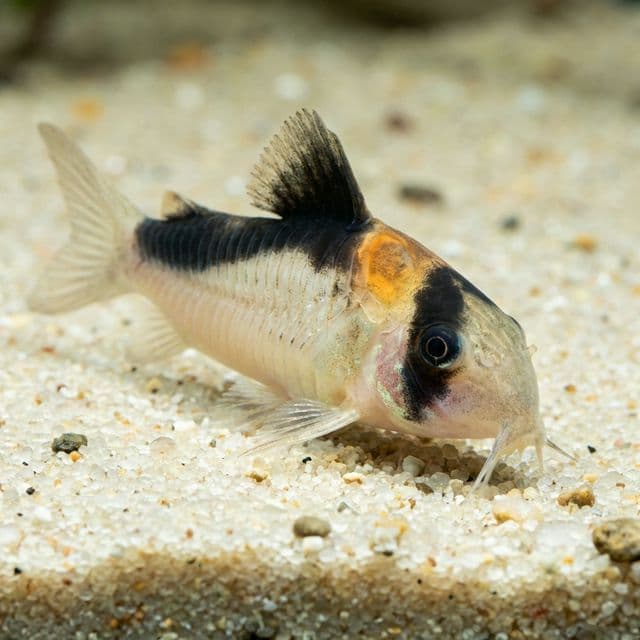
The Fairy Cory, scientifically known as Hoplisoma atropersonatum, is an enchanting freshwater fish that captures the attention of aquarium enthusiasts with its unique aesthetics and playful demeanor. This petite species showcases iridescent colors that shimmer under aquarium lighting, predominantly showcasing hues of orange, yellow, and black. The body of the Fairy Cory is more elongated compared to other corydoras, sporting a distinctive pattern that resembles a fairy's delicate wings. Its vivid coloration and charming behavior make it a prized addition in community tanks and specialized aquascapes alike.
In the aquarium hobby, the Fairy Cory holds substantial significance not only for its beauty but also for its lively personality. These fish are known for their scavenging nature, aiding in keeping the substrate clean while interacting amusingly with their tank mates. Their non-aggressive temperament makes them suitable for various community setups, where they thrive alongside equally peaceful species. The Fairy Cory's appealing features and ecological importance in naturally maintaining tank environments underscore its status as a beloved species among aquarists.
Natural Habitat & Origin
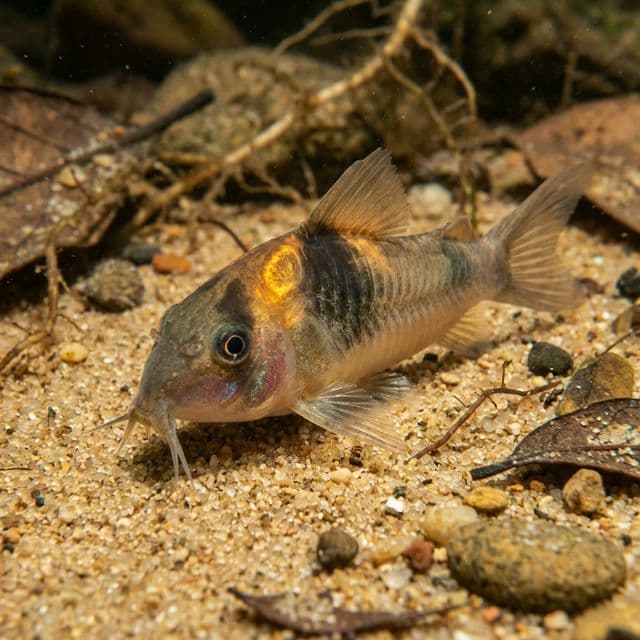
The Fairy Cory hails from the Amazon Basin, specifically within the regions of Colombia and Peru. In its natural habitat, this fish is commonly found in slow-moving waterways, including small streams and rivers that provide a dense canopy of vegetation. The water in these areas tends to be rich in organic matter, creating a blackwater environment filled with tannins and a slightly acidic pH. The surrounding foliage plays a critical role in the ecosystem by providing shelter and foraging opportunities for the Fairy Cory while maintaining the light quality needed for survival.
These fish thrive in areas with abundant leaf litter and soft substrate, making them adept at foraging for food. Their habitat preference for shallow waters also influences their comfort levels in captivity, necessitating an understanding of their natural environment to successfully replicate it. Creating a similar ecosystem in an aquarium setting allows the Fairy Cory to display its natural behaviors and promotes overall well-being.
Care Requirements
To best care for the Fairy Cory, it is essential to replicate their natural habitat conditions in the aquarium. The ideal water parameters include a pH range of 6.0 to 7.0, with a temperature between 24°C to 28°C (75°F to 82°F). The hardness should be soft to moderately hard, ideally between 2 to 15 dGH. A well-maintained environment not only helps in keeping the fish stress-free but also promotes vibrant coloration and active behavior.
In terms of tank setup, a minimum tank size of 40 liters (about 10 gallons) is recommended to accommodate the social nature of the Fairy Cory, as they prefer being in groups of six or more. The substrate should consist of fine sand or smooth gravel to prevent injuries during foraging. Incorporating plenty of hiding spots using driftwood, rocks, and live plants can create a comfortable and stimulating environment. Moderate lighting is ideal, allowing for a balanced environment while still promoting plant growth.
Diet & Feeding
The Fairy Cory is an omnivorous fish that benefits from a varied diet, which plays a crucial role in its health and vitality. In captivity, it is essential to provide high-quality flake foods, sinking pellets, and occasional frozen or live food such as brine shrimp and daphnia. The inclusion of plant-based foods, such as spirulina or algae wafers, is also beneficial, ensuring a balanced intake of nutrients. These fish are natural scavengers, so encouraging foraging behaviors by scattering food across the substrate can stimulate their exploration and feeding instincts.
To maintain optimal health, it's advisable to feed them small portions 2-3 times a day, ensuring that all food is consumed within a few minutes to prevent water quality degradation. A balanced diet will not only promote a vibrant appearance but will also boost the Fairy Cory’s immune system, allowing it to thrive in a captive environment.
Behavior & Temperament
The Fairy Cory is renowned for its peaceful demeanor, making it an excellent choice for community tanks. These fish are social creatures that exhibit schooling behavior, often grouping together in close-knit pods for both comfort and security. Ideally, a minimum of six Fairy Corys should be kept together to promote natural behaviors and minimize stress. Their playful nature can further enrich the aquarium, as they engage in lighthearted displays of chasing and interacting with one another.
Their behavior tends to be primarily horizontal within the tank; however, they can often be seen exploring the upper levels of the aquarium. While they are generally non-aggressive, their inquisitive nature may lead them to interact with more passive species in the tank. Monitoring their interactions with other tank inhabitants is crucial to ensure a harmonious environment.
Tank Mates
When selecting tank mates for the Fairy Cory, it is important to choose compatible species that share similar water parameters and non-aggressive temperaments. Ideal companions include smaller, peaceful fish such as tetras (e.g., Neon Tetra, Ember Tetra), rasboras, and guppies. Additionally, peaceful bottom-dwellers like other species of corydoras may also be successful companions, providing a cohesive social structure within the tank.
Species to avoid include larger or more aggressive fish, such as cichlids or larger barb species, which may view the Fairy Cory as potential prey. Fast, boisterous fish could also stress them out; hence, ensuring a balanced community of peaceful and equally sized fish is key to maintaining a tranquil environment.
Breeding
Breeding the Fairy Cory can be a rewarding endeavor for aquarists, although it requires careful attention to specific conditions to succeed. To encourage spawning, it is advised to prepare a breeding tank that mimics their natural breeding environment. This setup should feature soft, slightly acidic water with a pH around 6.0 to 7.0 and a temperature of 26°C to 28°C (79°F to 82°F). Providing fine-leaved plants or spawning mops will offer suitable surfaces for the female to lay her eggs.
The breeding process typically begins with a courtship display, where males will exhibit vibrant colors and perform graceful movements to entice the female. Once she is receptive, the female will lay eggs, which the males will fertilize. Post-spawning care is essential to prevent parents from consuming the eggs; therefore, it is advisable to remove the adults once the eggs are laid. The eggs will usually hatch within 3-5 days, and the fry can be fed infusoria or finely crushed flakes until they are large enough to consume baby brine shrimp.
Common Health Issues
Though the Fairy Cory is generally resilient, there are a few common health issues that aquarists should be aware of. One of the prevalent issues is ich (Ichthyophthirius multifiliis), a parasitic infection that manifests through white spots on the fish’s body. Ensuring water quality and maintaining stable parameters can prevent such outbreaks. Additionally, bacterial infections often arise due to poor water conditions; observing fish for unusual behavior can facilitate early intervention and treatment.
To promote the health and longevity of the Fairy Cory, maintaining regular water changes and a clean tank environment is crucial. Offering a varied diet and minimizing stress through proper tank mates can also serve as preventive measures against common health concerns. Regular observation and prompt action in response to any signs of illness will help maintain a thriving population of these delightful fish.