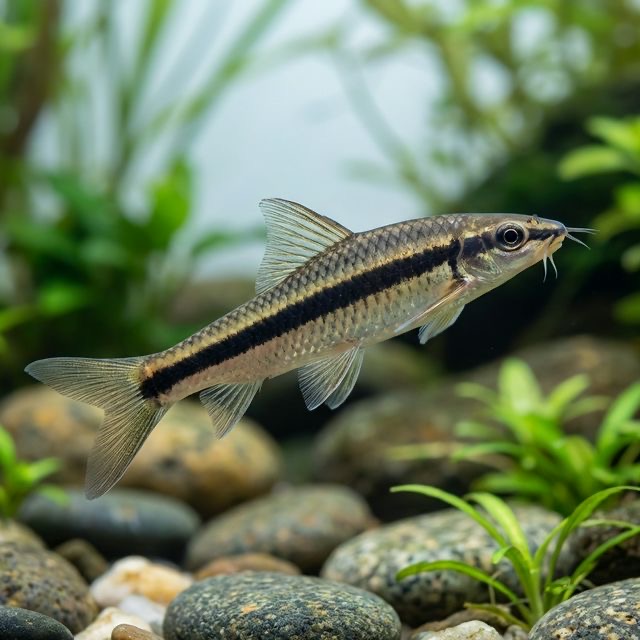
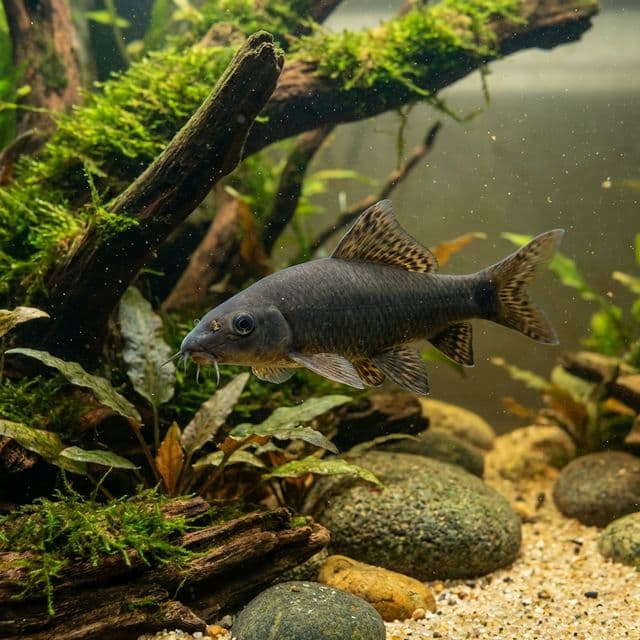
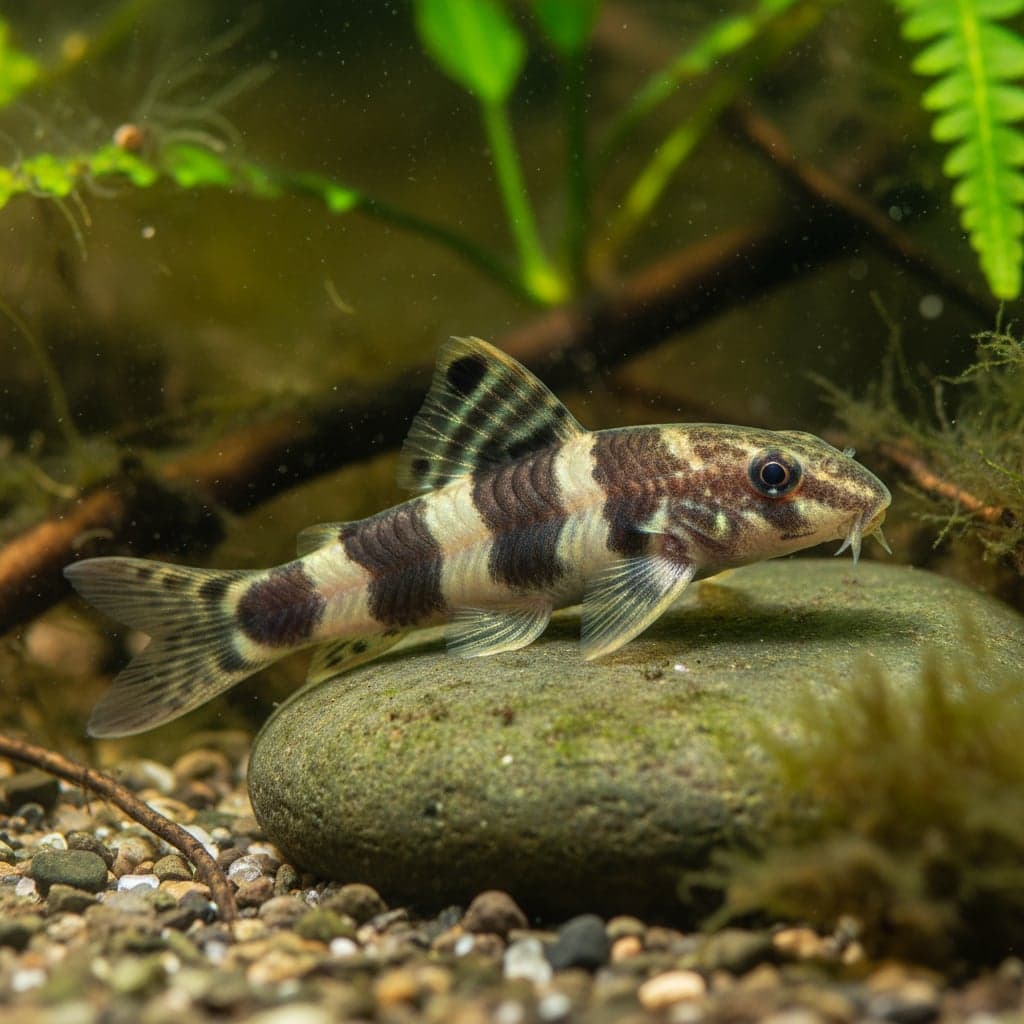
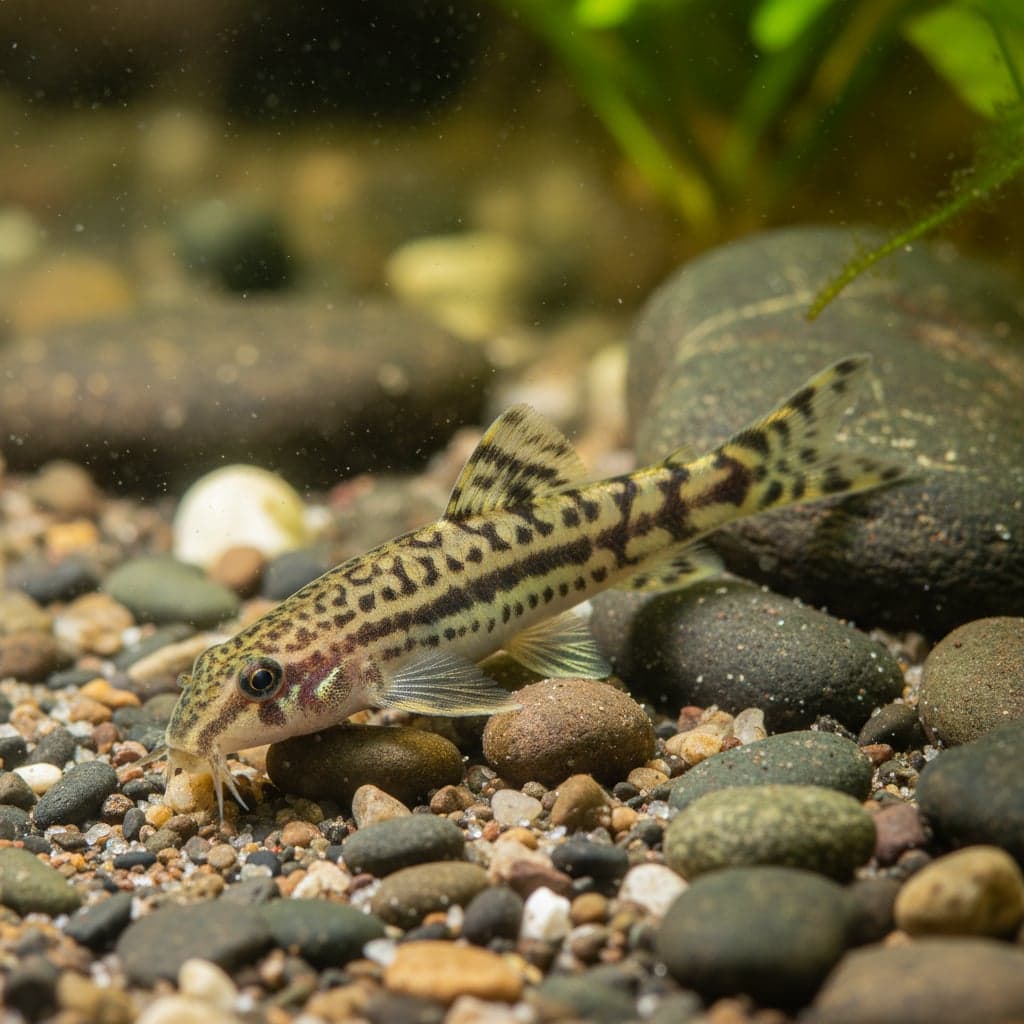
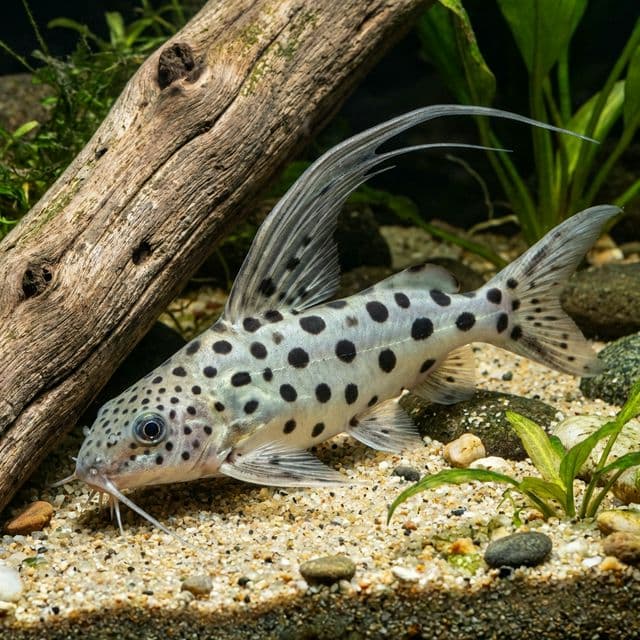
False Siamese Flying Fox: Ceratogarra cambodgiensis
Often confused with the true SAE. Eats algae when young but becomes more omnivorous and aggressive with age.
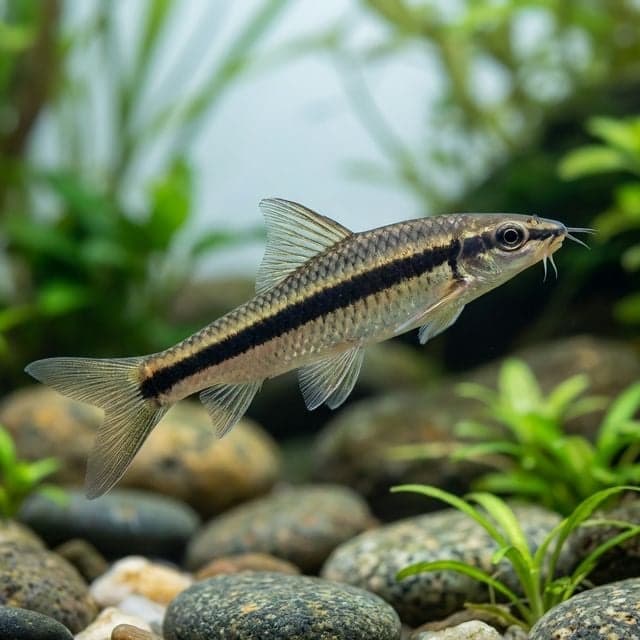
False Siamese Flying Fox
The False Siamese Flying Fox, scientifically known as Ceratogarra cambodgiensis, is a captivating freshwater fish that has gained popularity in the aquarium hobby for its unique appearance and active behavior. Often confused with the true Siamese Flying Fox, this species boasts a striking coloration featuring a gold to light brown body accentuated with a prominent black stripe running from the snout to the caudal fin. Its streamlined body and long, flowing fins add to its visual charm, making it a prized addition to many aquatic displays. Additionally, the False Siamese Flying Fox exhibits gentle, playful movements that provide a dynamic presence in the tank, captivating viewers.
In the aquarium trade, the False Siamese Flying Fox holds significance for both aesthetics and biodiversity. While it adds beauty to community tanks, its utility comes in the form of algae control, making it a suitable candidate for aquarists who prioritize natural tank maintenance. However, understanding its specific needs and behaviors is essential for keeping it healthy in captivity. This species not only enhances the visual appeal of an aquarium but also enriches the ecosystem, making it an integral part of responsible fishkeeping practices.
Natural Habitat & Origin
The False Siamese Flying Fox is native to Southeast Asia, primarily found in the freshwater rivers and streams of Cambodia, Vietnam, and Thailand. This species thrives in freshwater environments characterized by slow-moving waters, dense vegetation, and a substrate of soft mud or sand. Reputed for its adaptability, the False Siamese Flying Fox can be found in both clearwater and blackwater systems, which are often rich in organic matter, making for a diverse habitat loaded with microorganisms and algae. The unique conditions of these ecosystems play a crucial role in the fish's life cycle and contribute to its health and well-being in captivity.
The presence of floating plants and submerged roots in its natural habitat enriches the environment, providing hiding spots and shelter. The water in these regions typically has a slightly acidic to neutral pH, moderate hardness, and a range of temperatures that can vary significantly. Understanding these environmental contexts allows aquarists to create a suitable captive environment that mirrors the natural conditions the False Siamese Flying Fox is accustomed to, promoting its health and longevity.
Care Requirements
To successfully maintain the False Siamese Flying Fox in an aquarium, it’s important to replicate its natural water parameters as closely as possible. Ideally, the water should have a pH level ranging from 6.0 to 7.5, a temperature that stays within 24°C to 28°C (75°F to 82°F), and a hardness level of 2 to 15 dGH. In terms of tank setup, a minimum size of 75 liters (around 20 gallons) is recommended, providing ample swimming space for this active species. A fine sand or smooth gravel substrate is suitable, as it allows them to forage naturally.
The lighting in the aquarium should be moderate, mimicking the dappled sunlight found in their natural habitat. Incorporating live plants enhances the aesthetic appeal and provides hiding spots, which are crucial for their sense of security. Floating plants, such as Water Sprite or Java Moss, can also help in diffusing the light and creating a more natural ambiance. Furthermore, caves and driftwood can be added to enrich the environment, ensuring that the False Siamese Flying Fox thrives in a well-planned aquarium setup.
Diet & Feeding
The False Siamese Flying Fox is an omnivorous fish that enjoys a varied diet to maintain its health and vibrancy. In the wild, it feeds on algae, detritus, and small invertebrates, which resemble foods suitable for an aquarium setting. A balanced diet can include high-quality fish flakes, sinking pellets, and frozen or live foods such as brine shrimp or daphnia. It is essential to provide a variety of food types to ensure proper nutrition, encouraging natural foraging behavior and preventing boredom.
When feeding the False Siamese Flying Fox, it's important to remember their propensity for grazing on algae. Supplementing their diet with algae wafers or blanched vegetables, such as zucchini or spinach, can be beneficial. These additional food sources not only contribute to their diet but also promote a healthy digestive system. Regular feeding practices should consist of small portions twice daily to avoid overfeeding and ensure water quality is maintained.
Behavior & Temperament
In terms of behavior, the False Siamese Flying Fox exhibits a peaceful and social nature. These fish are generally best kept in groups of at least three to five, as they enjoy the company of their own kind and thrive in a social environment. A schooling dynamic contributes to their overall well-being and reduces stress. However, it’s important to note that they can be territorial when it comes to resources, especially if kept in smaller tanks.
Despite their friendly demeanor, False Siamese Flying Foxes are active swimmers, often occupying the middle tier of the aquarium, where they utilize their full range of motion. They enjoy swimming in open spaces but also appreciate areas with vegetation and hiding spots to explore. This combination of shyness and exuberance makes them an intriguing species to observe, as they engage in playful activities while simultaneously seeking comfort from their surroundings.
Tank Mates
When selecting tank mates for the False Siamese Flying Fox, it is crucial to choose species that complement their peaceful nature. Ideal companions include other peaceful fish such as Tetras (e.g., Neon Tetras, Rummy Nose Tetras), Rasboras, Danios, or Calm Gouramis. Similarly, smaller catfish and peaceful shrimp species can coexist harmoniously. Ensure that tank mates are not overly aggressive or territorial, as this could lead to stress and conflict.
Species to avoid include larger, more aggressive fish such as Cichlids or aggressive barbs that might harass or disturb the False Siamese Flying Fox. Similarly, fin-nipping species should be avoided, as they can create a stressful environment. Ultimately, a well-thought-out community tank with compatible species will lead to a more harmonious aquarium, promoting the health and well-being of all inhabitants.
Breeding
Breeding the False Siamese Flying Fox in captivity can be challenging, as it requires specific conditions. Spawning typically occurs when males and females are conditioned through a varied diet and optimal water parameters; the ideal temperature for breeding is slightly elevated at around 26°C (78°F). Setting up a breeding tank with softer, slightly acidic water and utilizing fine-leaved plants encourages spawning behavior, as the fish lay eggs among the vegetation.
Once the eggs are laid, it’s beneficial to remove the adults to prevent them from consuming their offspring. The eggs hatch after approximately 24 to 36 hours, and the fry can be fed infusoria or specially formulated fry food until they are large enough to consume small powdered flakes. Ensuring a stable environment with gentle water movement will further encourage the survival of the young.
Common Health Issues
The False Siamese Flying Fox, while generally hardy, can be susceptible to various health issues if not cared for properly. Common ailments include Ich, fin rot, and various parasitic infections. Maintaining optimal water quality, performing regular water changes, and ensuring a balanced diet are essential for prevention. Additionally, stress factors such as overcrowding, poor tank mates, or inadequate conditions can contribute to health problems.
Preventative measures are key; establish a routine for tank maintenance and monitor water parameters regularly.