Fang's Puffer: Pao cochinchinensis
A freshwater puffer from Southeast Asia. Smaller and more manageable than many puffers.
Also known as: Cochin puffer · Fang's puffer · Pao cochinchinensis
Fang's Puffer
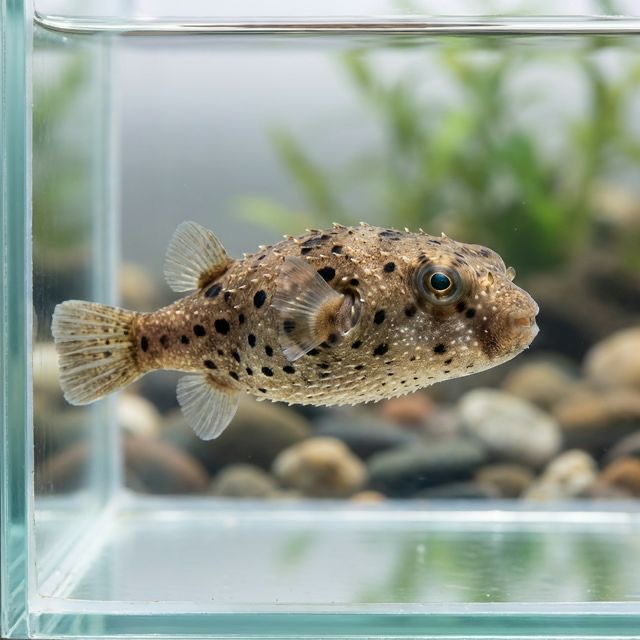
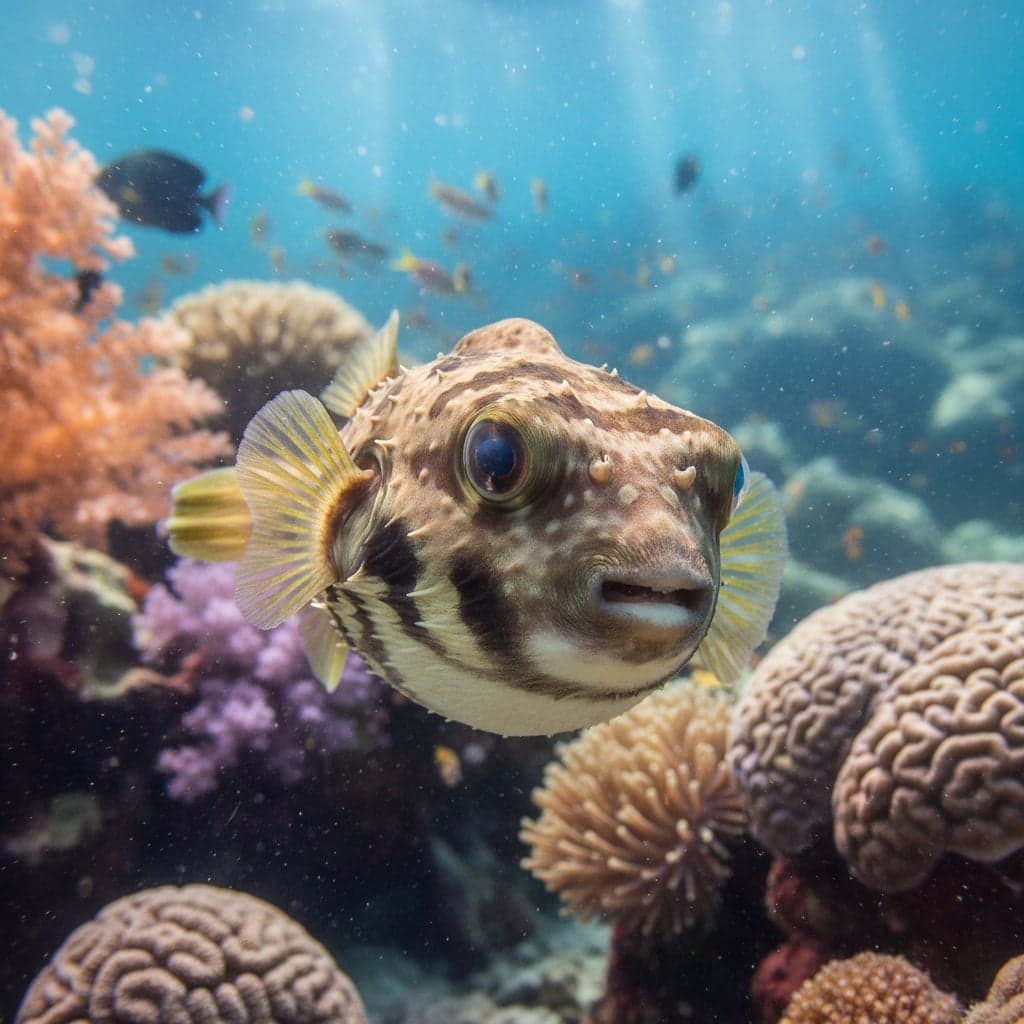
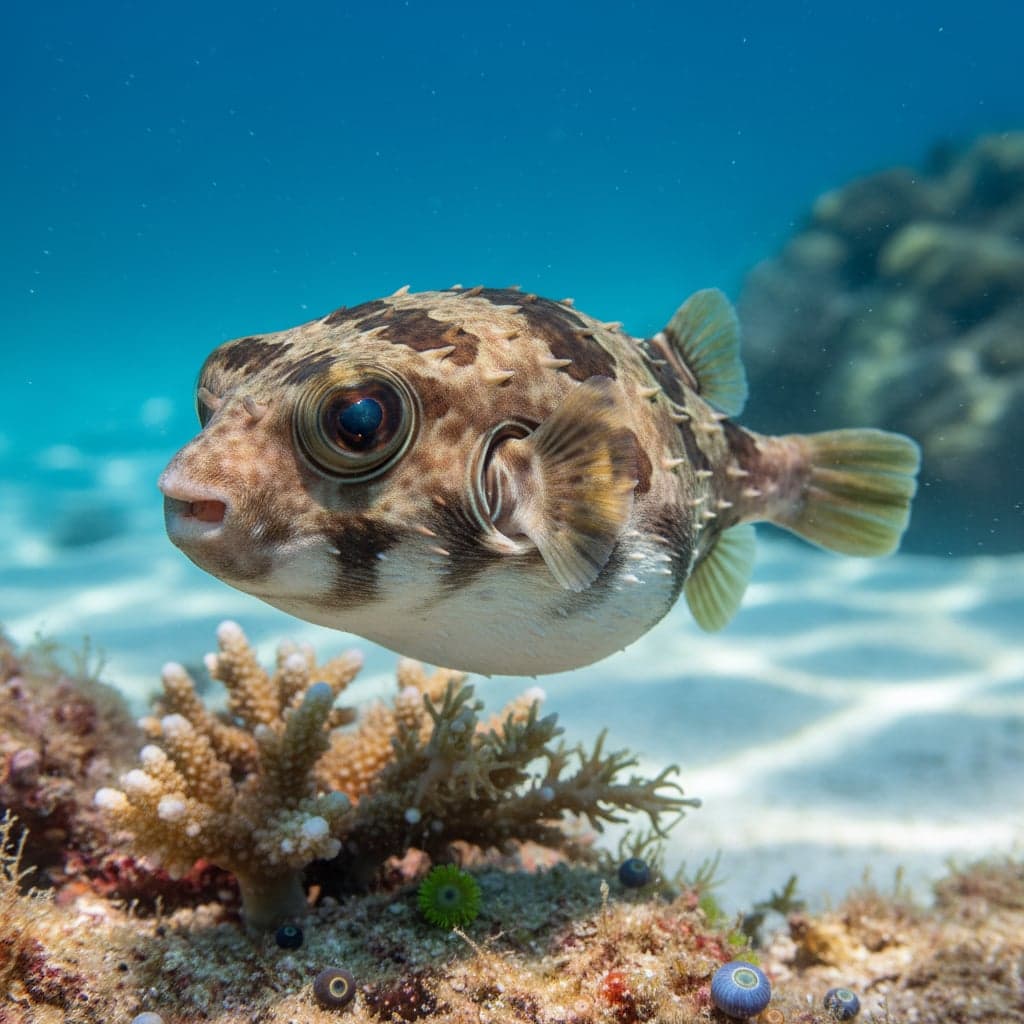
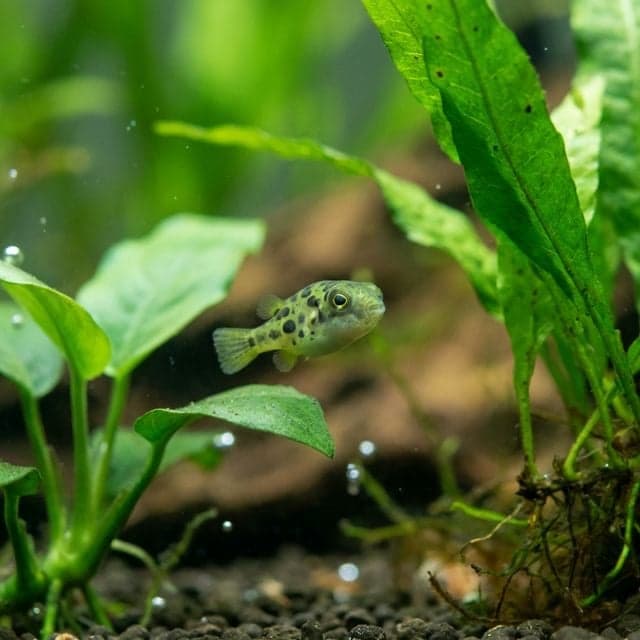
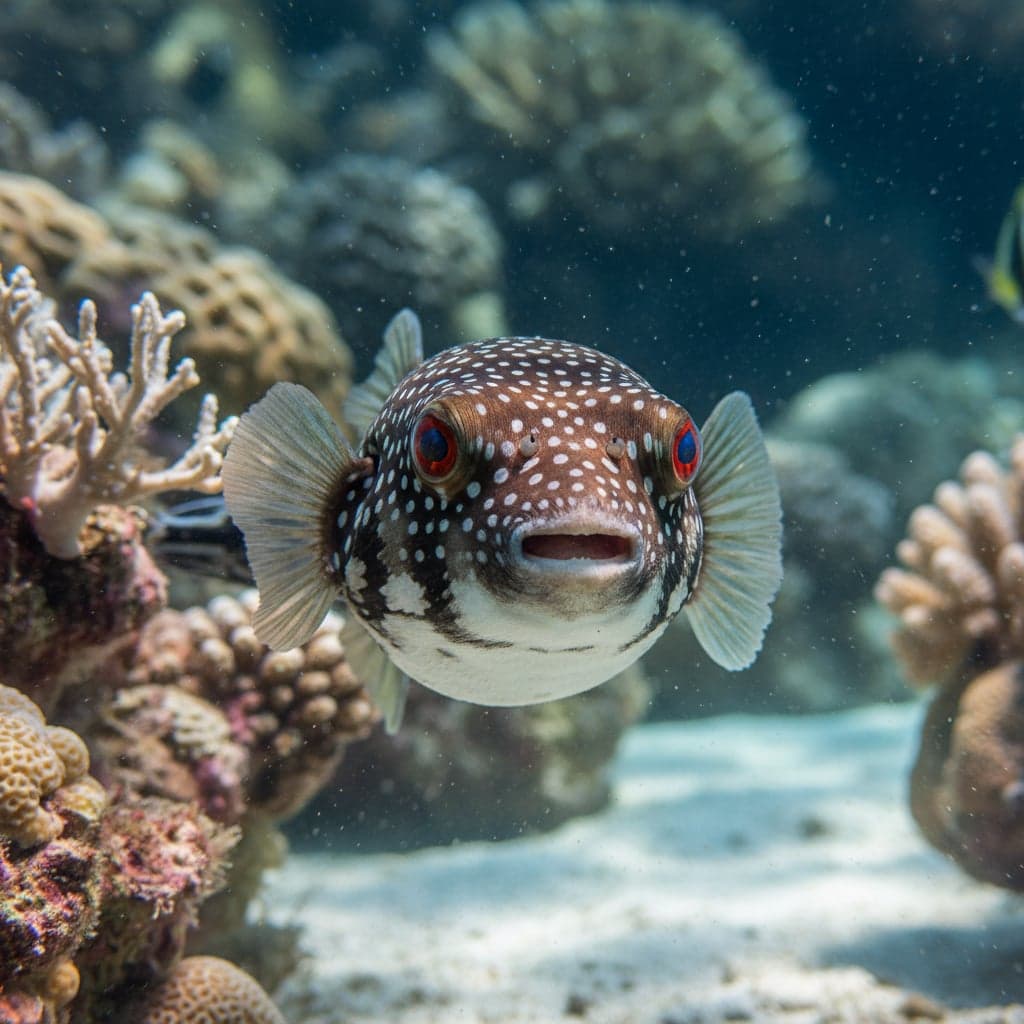
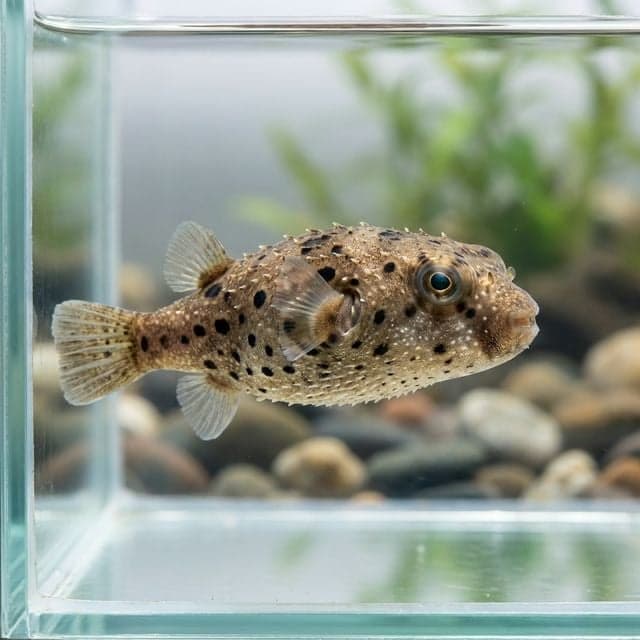
Fang's Puffer, scientifically known as Pao cochinchinensis, is a captivating freshwater species that has gained popularity among aquarium enthusiasts for its unique appearance and intriguing behavior. With its characteristic round body, large eyes, and pronounced beak-like mouth, this fish stands out as a visual marvel in any aquatic setup. The Fang's Puffer exhibits a mottled coloration that can vary from greenish-brown to beige, with darker spots that help it camouflage within its natural habitat. Beyond its striking aesthetics, the Fang's Puffer is significant in the aquarium hobby due to its captivating personality and interactive nature, making it a cherished favorite for both experienced and novice aquarists.
Known for its playful disposition, the Fang's Puffer engages its owners with an array of behaviors, including investigating their surroundings and displaying curiosity towards tank mates. Furthermore, these fish exhibit fascinating feeding habits, often nibbling on various substrates and objects in their environment. Their charm lies not only in their appearance but also in their intelligence, which allows them to recognize their keepers and react accordingly. With the right care and environment, Fang's Puffers can thrive, offering a rewarding experience for those willing to embrace their unique needs.
Natural Habitat & Origin
Fang's Puffer is indigenous to the rivers and streams of Southeast Asia, particularly found in regions like Vietnam and Thailand. This species thrives in freshwater environments characterized by low to moderate flow, often residing in slow-moving waters rich in organic debris and plant life. The natural habitats of Fang's Puffer typically exhibit blackwater settings, where the water is stained by decomposing plant matter, resulting in a darker or tea-colored appearance. Such environments are often accompanied by ample cover of submerged roots, overhanging vegetation, and leaf litter, which serve as both foraging grounds and essential hiding spots from potential predators.
The geographical origin of Fang's Puffer contributes significantly to its environmental adaptations. In the wild, they inhabit areas where water conditions can vary throughout the year, fluctuating in parameters due to seasonal changes. These natural fluctuations allow these fish to adjust and thrive in a variety of water conditions, making them resilient, yet specific in their care requirements when introduced into an aquarium setting.
Care Requirements
To ensure the health and well-being of Fang's Puffer, it is crucial to maintain specific water parameters within the aquarium. The ideal pH level for this species ranges from 6.5 to 7.5, with a temperature maintained between 25°C to 30°C (77°F to 86°F). Water hardness should be kept around 5-15 dGH (degrees of general hardness). It is essential to use a good quality filtration system, as Fang's Puffers produce significant waste, making regular water changes vital to maintain optimal water quality.
In terms of tank setup, a minimum size of 75 gallons is recommended to accommodate these active swimmers comfortably. Providing a well-structured environment with plenty of hiding spots is critical; substrate should consist of soft gravel or sand to prevent damage to their sensitive bodies. Incorporating live plants, driftwood, and rocks will create a naturalistic environment, while moderate lighting will help plants thrive without over-stressing the fish. Care should be taken to ensure that any decor has smooth edges to avoid injuring their delicate skin.
Diet & Feeding
Fang's Puffer is primarily a carnivorous species, thriving on a diet that mimics its natural foraging behavior. In captivity, these fish require a varied diet that includes a combination of high-quality pellets, flakes, frozen foods, and occasional live offerings. A good staple would be floating or sinking pellets formulated for carnivorous fish, while frozen options like brine shrimp, bloodworms, and mussels can provide the necessary protein and nutrients. It is essential to provide a diverse diet to prevent dietary deficiencies and ensure optimal health. Due to their beak-like mouths, care should be taken to offer appropriately sized food.
Overfeeding should be avoided, as Fang's Puffers have a tendency to become obese. Feeding small portions 2-3 times a week will help maintain a healthy nutrient level and gut health. Aquarists should also introduce hard-shelled foods occasionally, such as snails or crustaceans, to help naturally wear down their constantly growing beak, preventing overgrowth issues that can impair feeding.
Behavior & Temperament
Fang's Puffer displays a curious and interactive nature, making them a joy to observe in an aquarium setting. These fish tend to be solitary by nature, and while they may show some social behavior, they are not typical schooling fish. Rather, they prefer to explore their environment on their own terms, spending time hiding and foraging. Despite their playful demeanor, it is essential to note that Fang's Puffers can exhibit territorial behaviors, particularly as they establish their space within the tank. This can lead to aggressive interactions with incompatible tank mates, especially during feeding time or if they feel threatened.
In terms of vertical placement, Fang's Puffers generally occupy the mid to lower levels of the aquarium, often hovering near the substrate or within plants. Their inquisitive behavior involves turning over rocks and decorations, which mimics their natural foraging in the wild. It is vital to ensure that the tank environment provides ample opportunities for exploration, as a stimulated Fang's Puffer is a healthy Fang's Puffer.
Tank Mates
When selecting compatible tank mates for Fang's Puffer, it is crucial to choose species that are similarly sized and not overly aggressive. Some suitable companions include peaceful fishes like tetras, rasboras, and danios, which can add movement to the tank while avoiding fin nipping. Larger species like gouramis and peaceful cichlids can also coexist well.
However, it is essential to avoid housing Fang's Puffer with smaller or more aggressive fish that may be viewed as prey or that could provoke territorial disputes. Species such as aggressive barbs and aggressive cichlids, as well as smaller fish like guppies and neon tetras, could be at risk in the same tank. Due to their beak, Fang's Puffers can also be harmful to delicate shrimp and snails, so it is best to avoid these species to prevent conflict.
Breeding
Breeding Fang's Puffer in captivity can be a challenging endeavor, as their specific reproductive behaviors and needs require closely monitored conditions. To trigger spawning, a separate breeding tank is ideal, with soft, slightly acidic water that mimics their natural habitat. The tank should be well-planted and include areas where the female can lay eggs, typically among fine-leafed plants.
Fang's Puffers are egg layers and will scatter their eggs, which require protection and aeration. Males may show increased aggression during the breeding season, displaying courtship behaviors such as chasing the female and exhibiting color changes. Post-spawning, it is recommended to remove the adults from the tank to prevent them from consuming the eggs, as parental care does not occur. Fry are relatively small but will grow quickly with a diet of finely crushed food and suitable live foods to ensure their development.
Common Health Issues
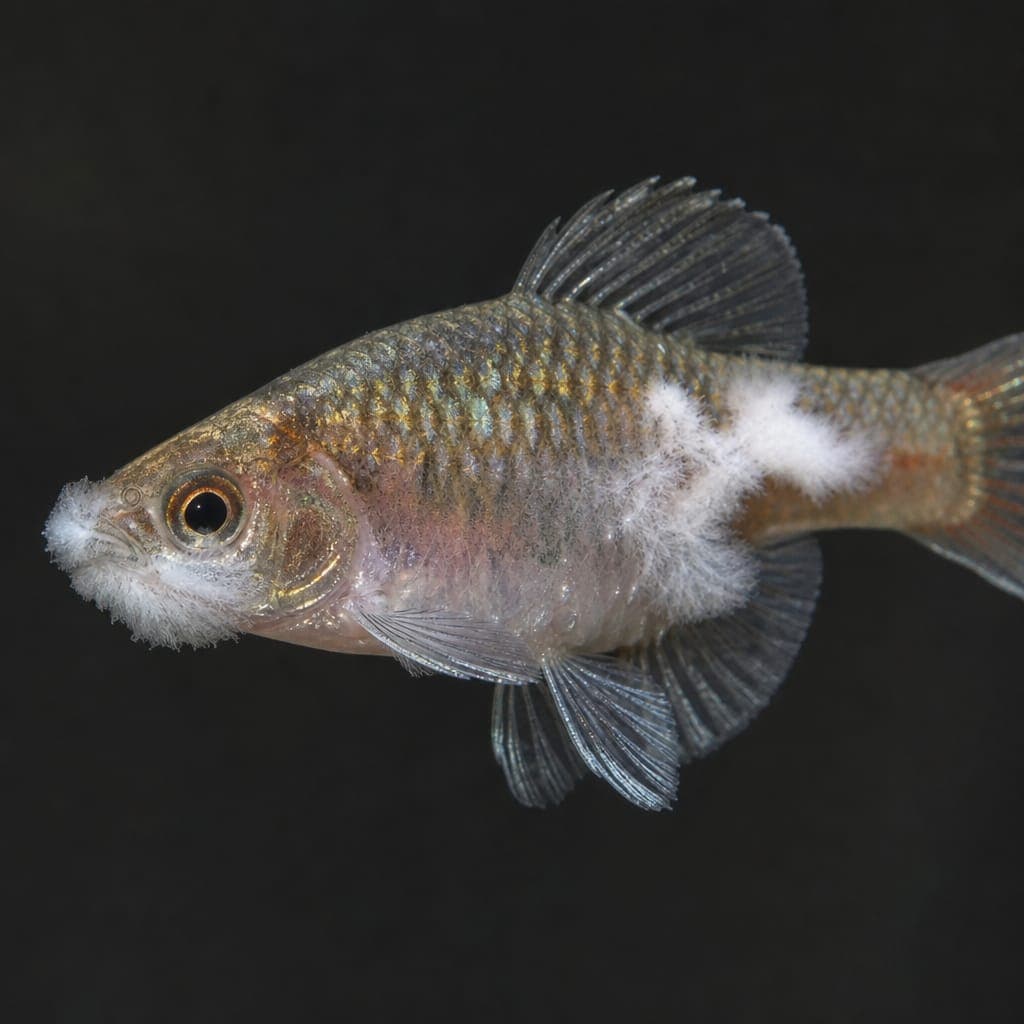
Fang's Puffers may be susceptible to several health issues, primarily due to environmental stress or poor water quality. Common diseases in this species include ich (Ichthyophthirius multifiliis), fin rot, and fungal infections. Because puffers are scaleless fish, they are unusually sensitive to common aquatic medications, particularly copper, formalin, and concentrated salt treatments, requiring careful dosing at half-strength or alternative remedies. Additionally, overgrown dental plates (beaks) can prevent them from eating if their diet lacks crunchy, hard-shelled mollusks and crustaceans. Ensuring rigorous water quality through frequent partial water changes, low nitrate levels, and proper dental maintenance will keep Fang's Puffer healthy and active throughout its lifespan.