The Figure of Eight Puffer: Dichotomyctere biocellatus
A charming, intelligent pufferfish with distinct yellow markings resembling the number 8. Thrives in low-end brackish water.
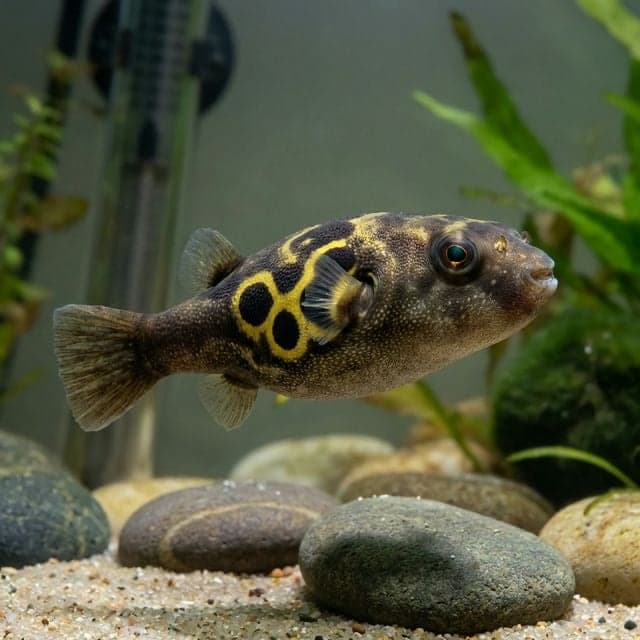
Figure of Eight Puffer
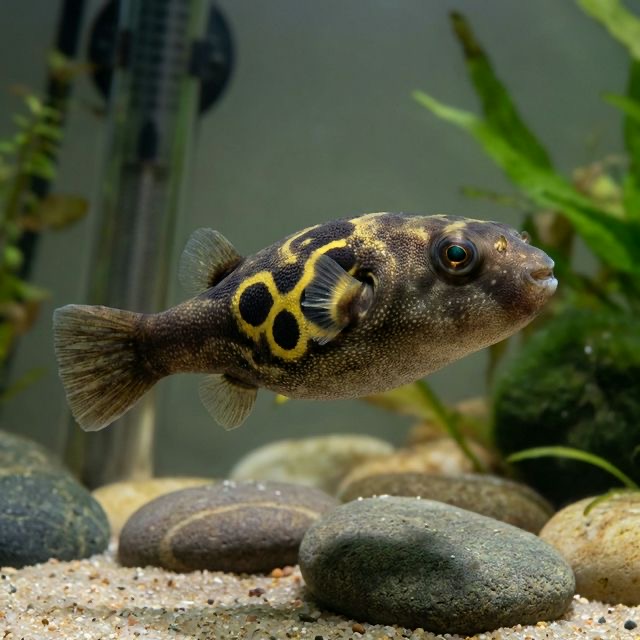
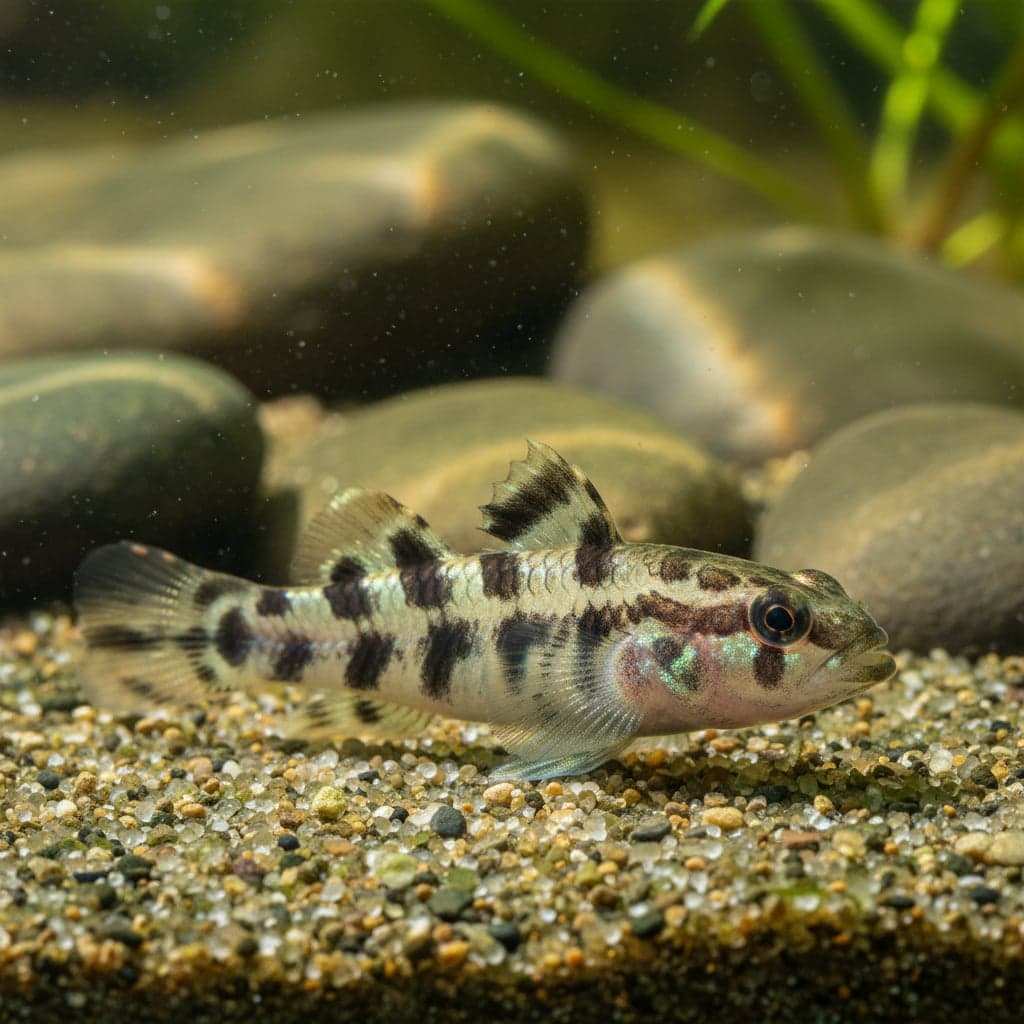
The Figure of Eight Puffer, scientifically known as Dichotomyctere biocellatus, is a fascinating freshwater fish native to Southeast Asia. Recognized for its enchanting appearance, this puffer features a unique pattern of black spots on its yellowish-brown body that resembles the characteristically figure-eight shape, giving it both its name and visual allure. Typically growing to about 3 inches (8 cm) in length, these fish possess a rounded body and distinctive, expressive eyes that bring a lively character to any aquarium. Their ability to inflate when threatened only adds to their charm and uniqueness, making them a prized addition for dedicated aquarists seeking something out of the ordinary.
In the aquarium hobby, the Figure of Eight Puffer holds significance not only for its captivating looks but also for its engaging behavior. As a relatively intelligent species, it exhibits curiosity and can recognize its caretaker. Enthusiastic and often entertaining, these puffer fish can develop individual personalities, making them a joy to observe. However, potential keepers must be prepared to meet their specific care requirements and understand their temperamental nature to foster a thriving environment, ensuring the longevity and health of these charismatic fish.
Natural Habitat & Origin
The Figure of Eight Puffer hails from the brackish waters of Southeast Asia, primarily found in the coastal regions of Thailand, Malaysia, and Indonesia. These fish often inhabit estuaries and mangrove forests, where freshwater rivers meet the ocean, creating a unique environment characterized by varying salinity levels. Its natural habitat is typically rich in organic material, featuring a muddy substrate and a variety of plant life. The water in which these puffers thrive tends to be somewhat acidic with a low to moderate hardness, providing them with a favorable setting for natural survival. This ecological context is essential for aquarium keepers to recreate a suitable environment that closely mimics their indigenous habitat.
Care Requirements
To successfully care for the Figure of Eight Puffer, it is crucial to maintain specific water parameters. Ideal conditions include a pH level between 6.5 to 7.5, a temperature range of 75°F to 82°F (24°C to 28°C), and a water hardness of 5 to 15 dGH. Because these puffers thrive in brackish water, incorporating marine salts into their freshwater environment can help replicate their native conditions, thus promoting overall health. As for tank setup, a minimum tank size of 20 gallons is recommended for a single specimen, with 30 gallons or more for groups. The substrate should be soft, such as sand or fine gravel, to prevent injury to their delicate bodies. Additionally, ensuring ample swimming space and providing hiding spots through the use of driftwood, caves, and aquatic plants can help create a comfortable and secure environment.
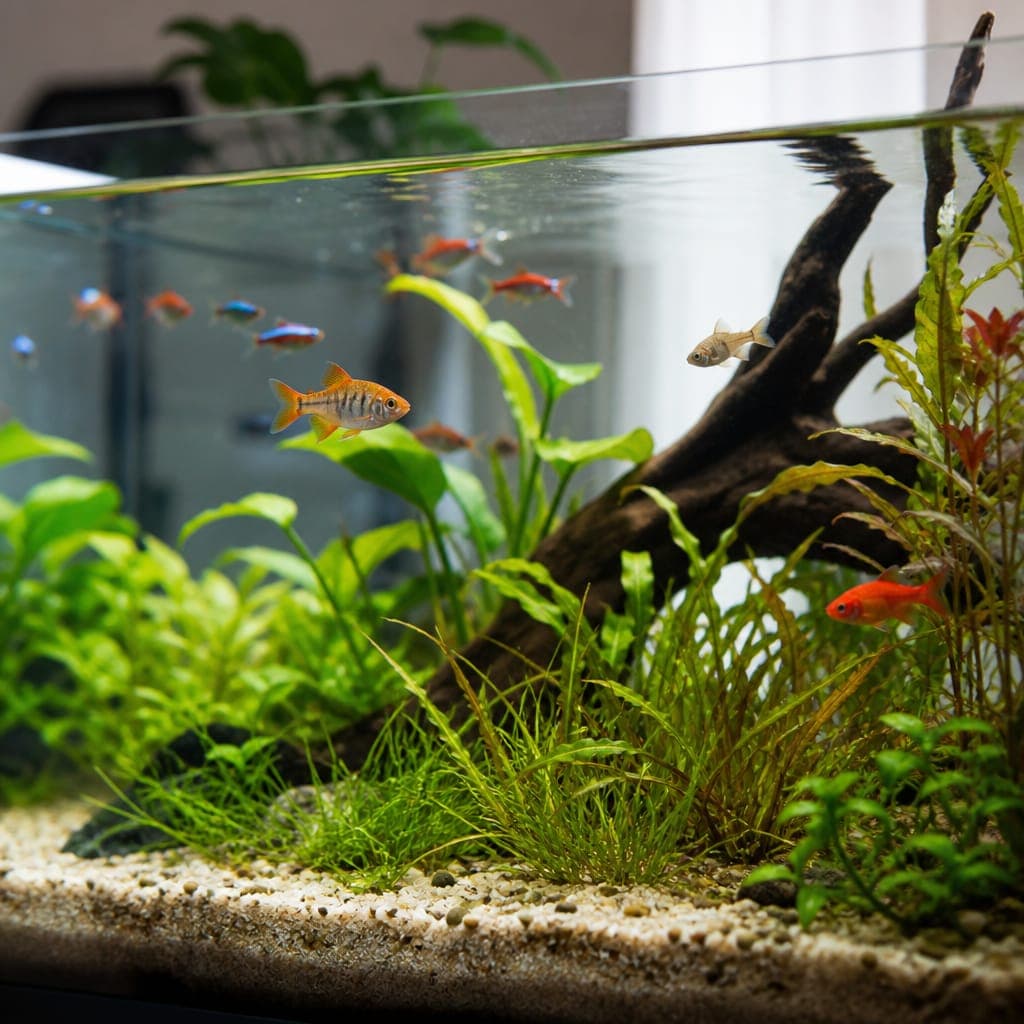
Lighting should be moderate, as Figure of Eight Puffers prefer slightly dimly lit tanks, mimicking their natural habitat. Live plants such as Java Fern or Anubias can be added to create shaded areas and offer refuge while contributing to the tank's aesthetic appeal. Regular water changes and filtration are paramount for maintaining water quality, which is vital for these puffers' health and longevity.
Diet & Feeding
The Figure of Eight Puffer is an omnivorous species that requires a varied diet rich in protein and different food sources. In the wild, their diet primarily consists of crustaceans, small fish, mollusks, and various plant materials. For optimal health in an aquarium setting, it is recommended to feed them high-quality pellets or flakes designed specifically for carnivorous fish, as well as offering a range of frozen or live foods like brine shrimp, bloodworms, and snails. Snails are particularly beneficial because they help file down the puffer's continuously growing beak-like teeth. It is advisable to vary their diet to ensure they receive all necessary nutrients, while keeping an eye on their feeding habits to prevent overeating.
Feeding should occur once or twice a day, with portion sizes appropriate for the fish's size. To prevent spoilage and maintain water quality, uneaten food should be removed promptly. Moreover, providing food in different locations within the tank encourages natural foraging behavior, further stimulating the Figure of Eight Puffer and promoting its overall well-being.
Behavior & Temperament
Figure of Eight Puffers are known for their inquisitive and somewhat sociable nature; however, they can be territorial. Socialization in a community tank should be approached with caution, as this species does not typically school and may display aggression towards tank mates, especially when they feel crowded. When kept in groups, it's advisable to house them with sufficient space and hiding spots to minimize confrontations. They can also display aggressive behavior during feeding times, which can further lead to territorial disputes.
In terms of tank placement, these puffers generally occupy the mid to bottom levels of the aquarium, where they can comfortably explore dens and swim amidst vegetation. Positioning decorations and plants at varying heights can create a stimulating environment, allowing these puffers to exhibit their natural behaviors while providing adequate coverage from potential threats.
Tank Mates
Choosing suitable tank mates for the Figure of Eight Puffer requires careful consideration of their temperament and dietary needs. Compatible species include peaceful, robust fish that can withstand the puffer's occasional nips. Some suitable tank mates may include larger danios, certain types of catfish (like Corydoras), and various species of snails and shrimp. These tank mates typically exhibit behaviors enabling them to coexist harmoniously with the eclectic nature of the Figure of Eight Puffer.
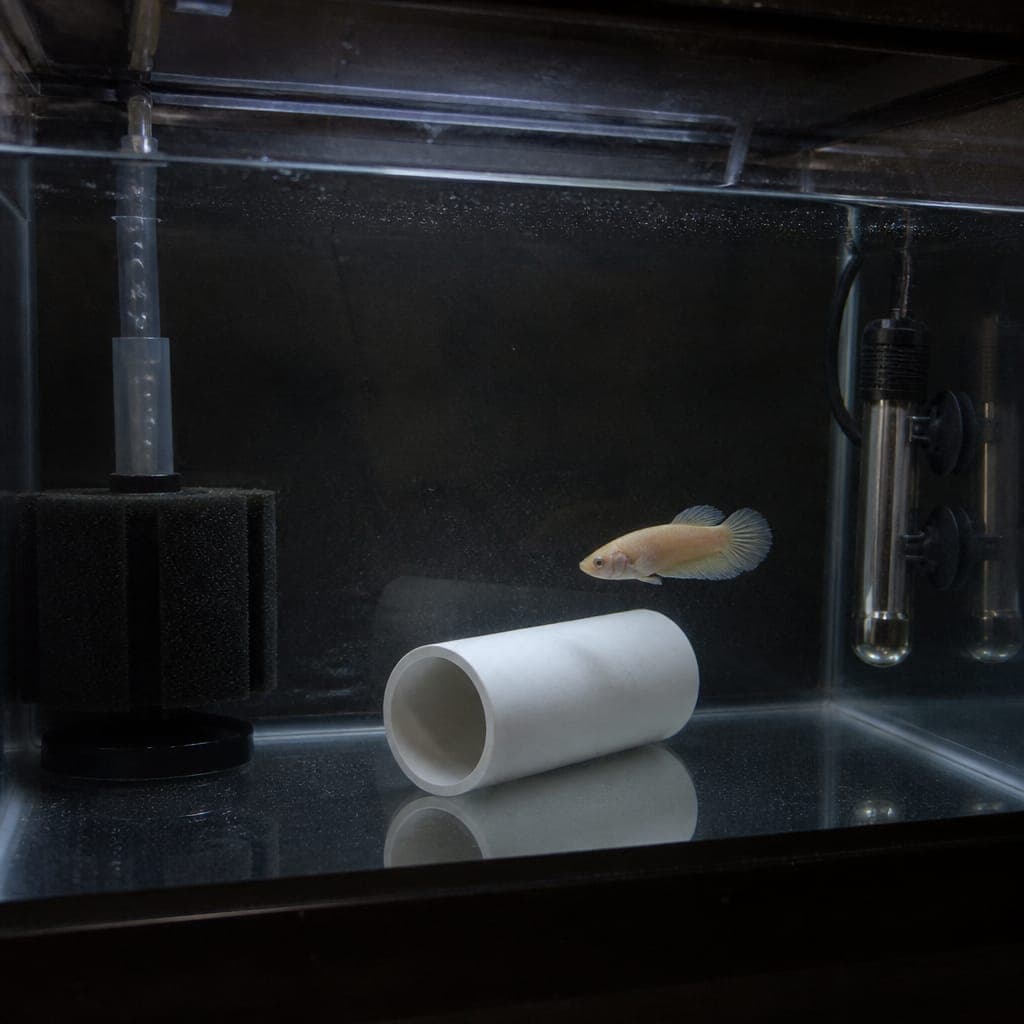
Conversely, there are several species to avoid in their company. Small, slow-moving fish like guppies or neon tetras may become targets for aggression or be perceived as food. Similarly, fin-nipping species like bettas or aggressive cichlids can heighten stress levels for the Figure of Eight Puffer and provoke an adverse environment. Always monitor the interactions between tank mates closely, as individual personalities can vary.
Breeding
Breeding the Figure of Eight Puffer in captivity presents unique challenges, largely due to their particular reproductive requirements. Interestingly, these puffers are known to be mouthbrooders, typically laying eggs in a chosen nesting area. When attempting to breed these fish, it is essential to establish a slightly brackish environment while maintaining consistent water conditions, with a slightly elevated temperature range of 80°F to 84°F (26°C to 29°C).
Creating a breeding setup that includes structures for hiding, such as clay pots or dense vegetation, can help encourage natural spawning behaviors. It is advisable to separate a breeding pair into a dedicated breeding tank to increase the likelihood of successful spawning. After mating, the female will lay eggs that she will protect in her mouth until they hatch, a process that usually takes about 3 to 4 weeks. Once the fry are free-swimming, it is crucial to provide them with suitable foods like finely crushed flakes and infusoria to ensure healthy development.
Common Health Issues
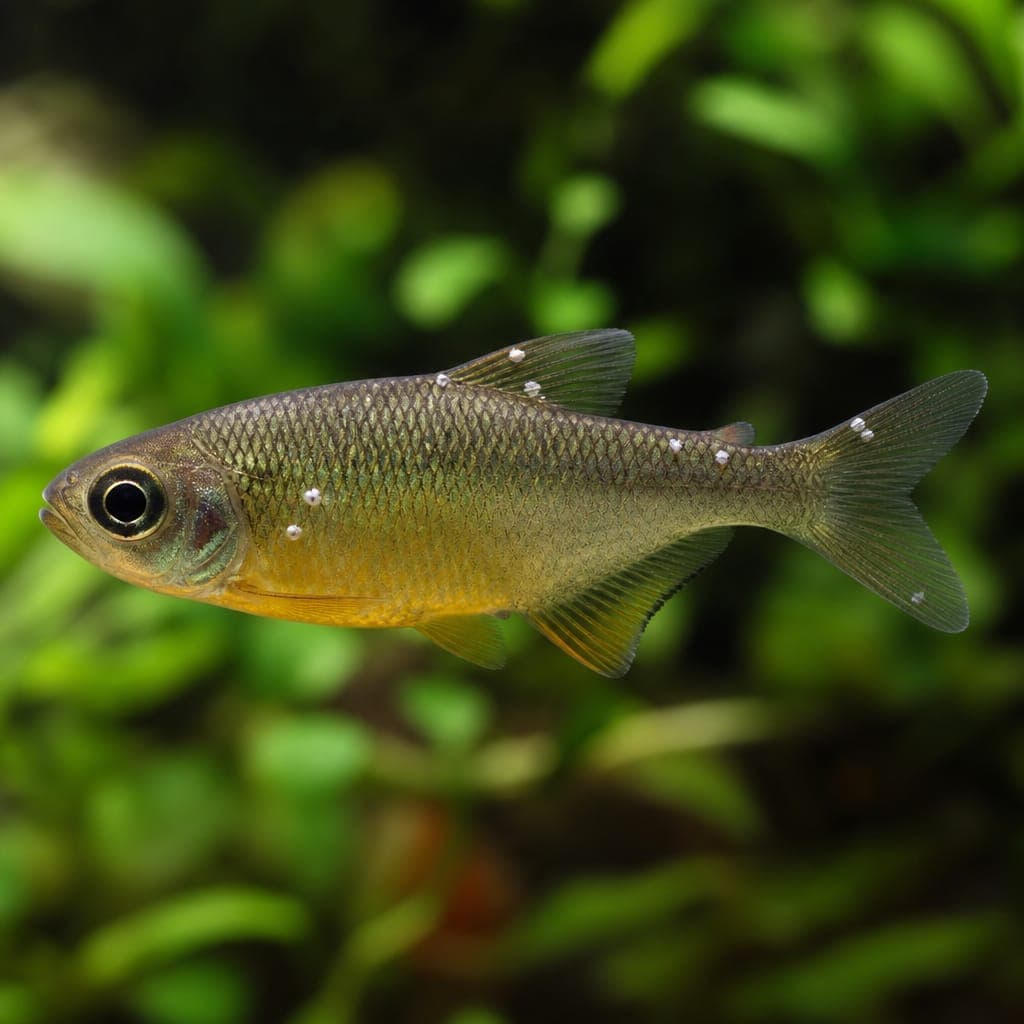
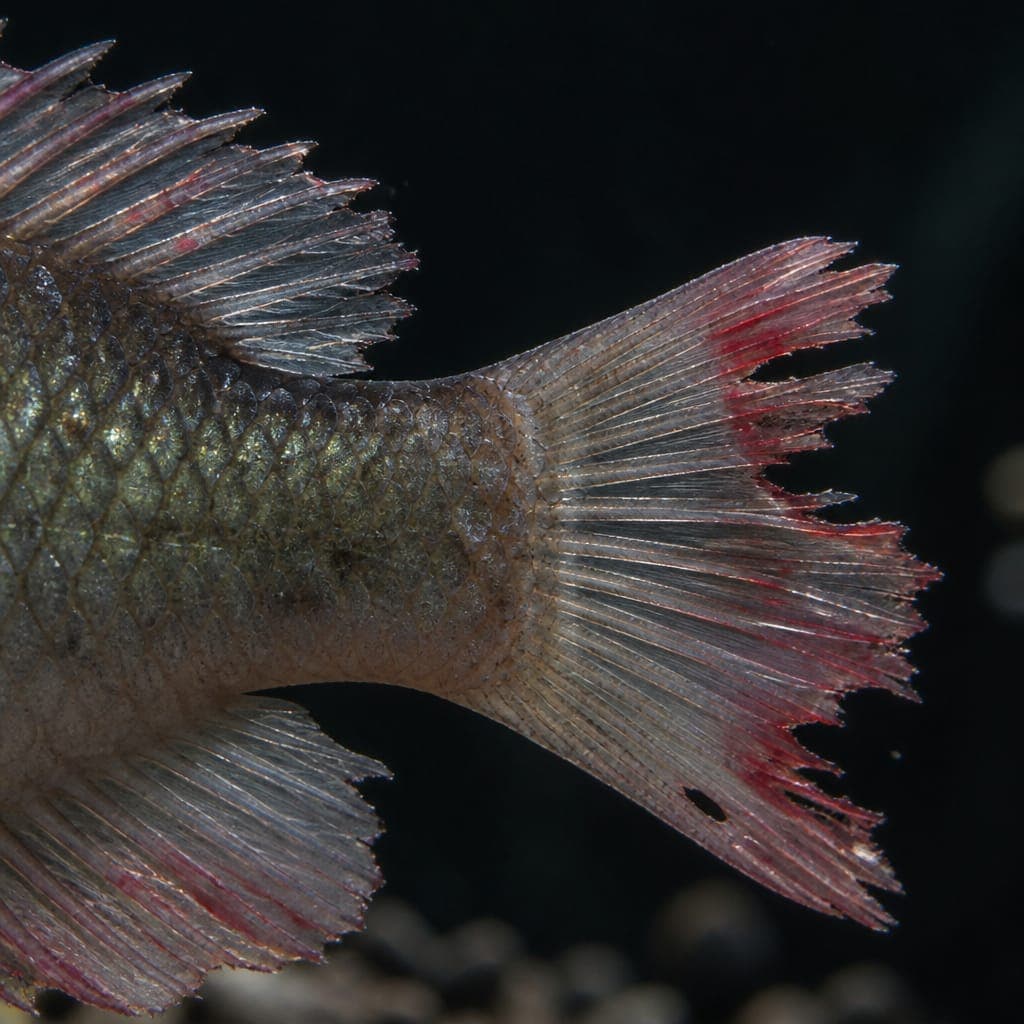
The Figure of Eight Puffer can be susceptible to various health issues primarily associated with poor water quality, stress, and dietary deficiencies. Common ailments include ich (white spot disease), fin rot, and parasites. Ensuring optimal water conditions through regular monitoring and maintenance can minimize the risk of these diseases.
Adding aquarium salt can help maintain a balanced electrolyte level in their bodies, combating osmotic stress in brackish setups. Offer hard-shelled foods regularly to wear down their continuously growing teeth, and quarantine newcomers before introduction. Avoid copper medications if invertebrates are present. Prompt attention to white spots, frayed fins, or appetite loss keeps Figure of Eight Puffers healthy and active.