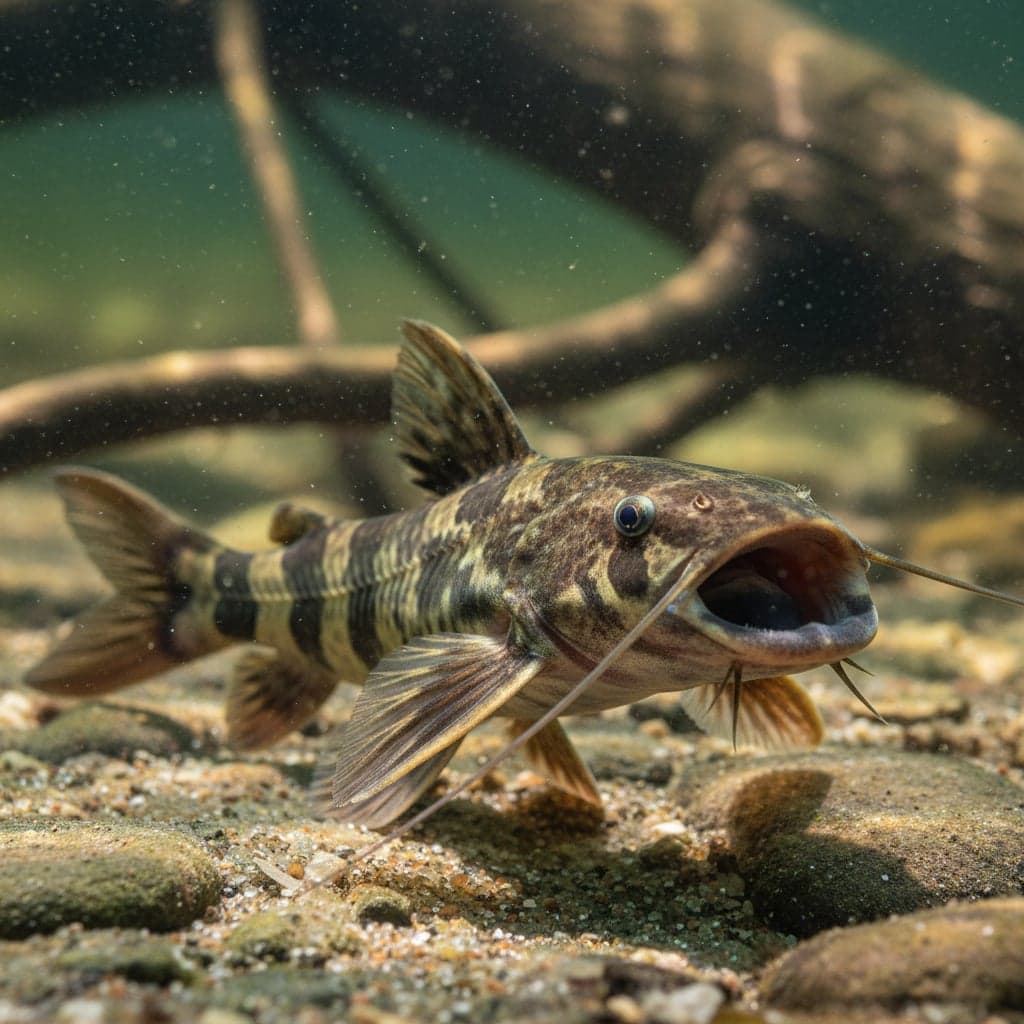
Fire & Ice Snakehead: Channa pyrophthalmus
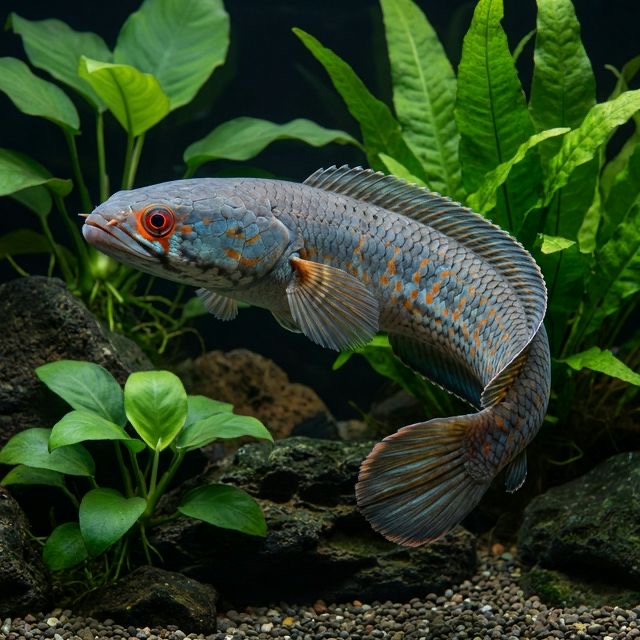
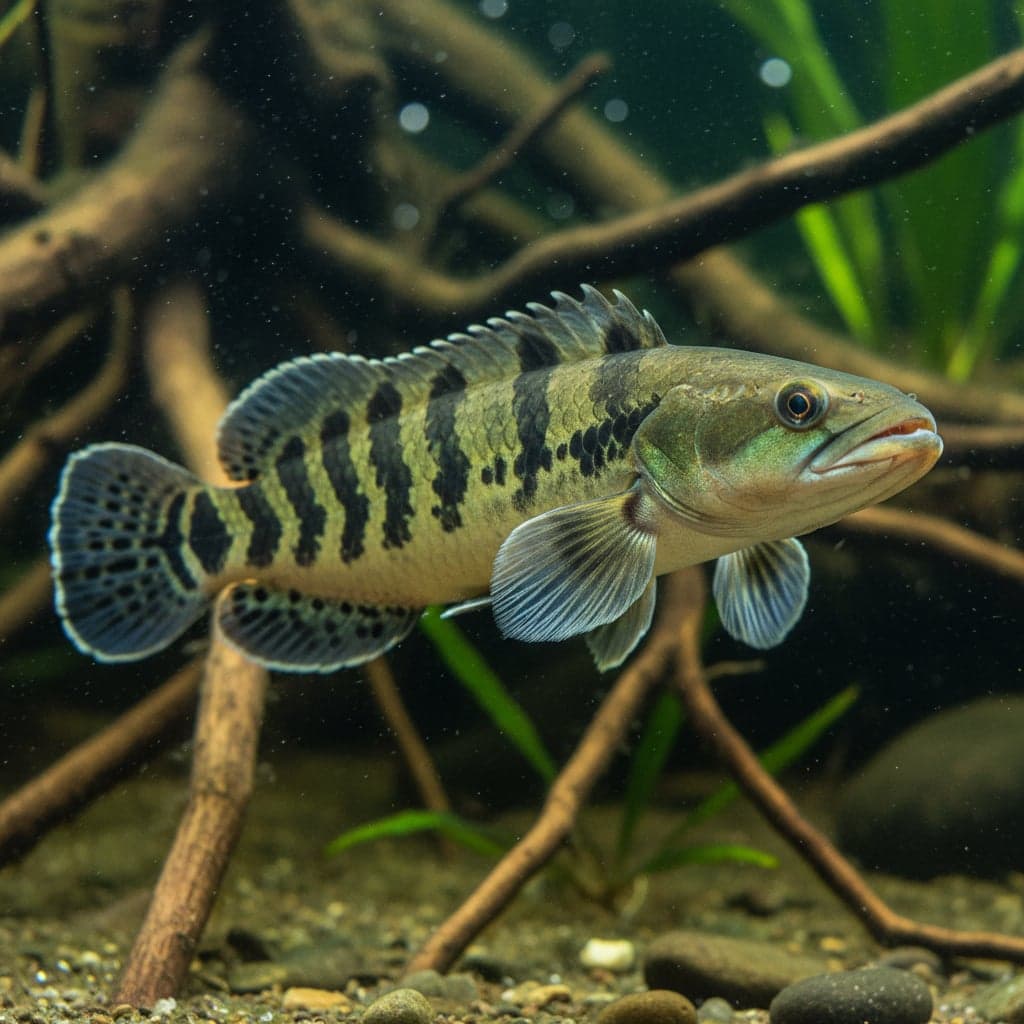
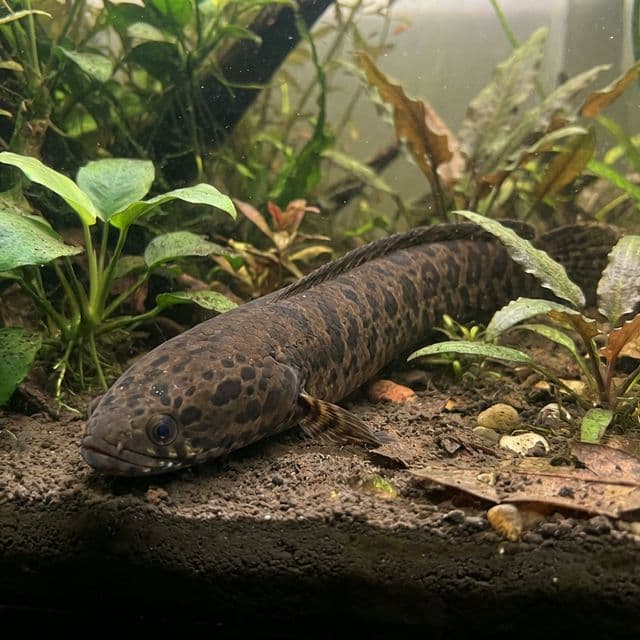
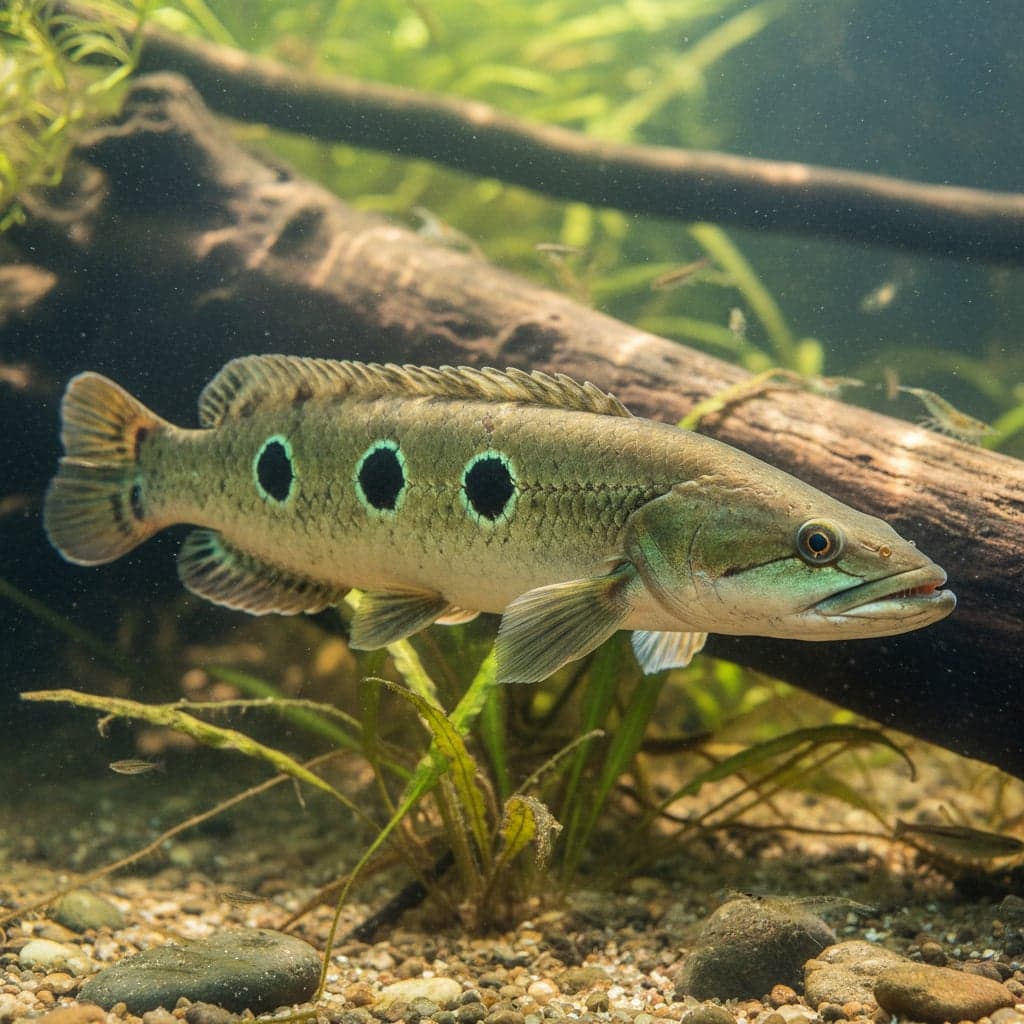
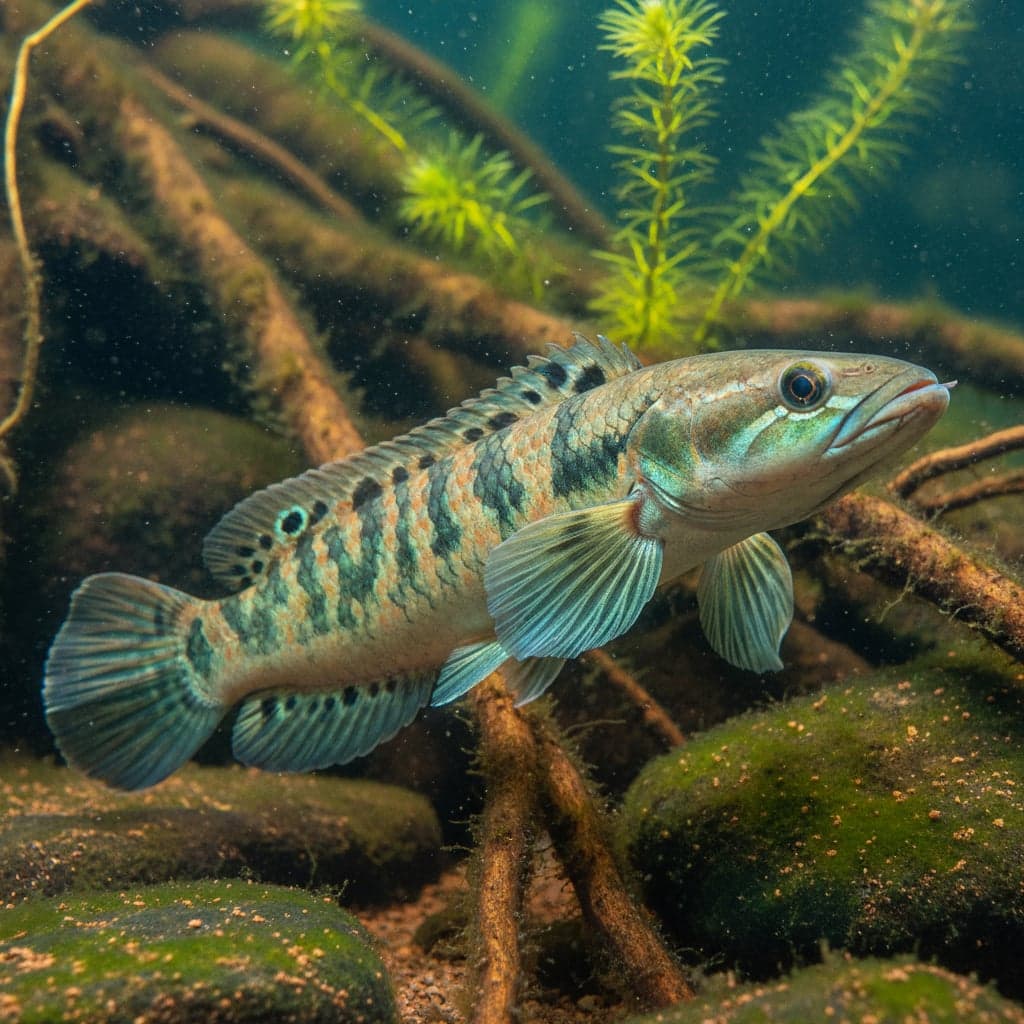
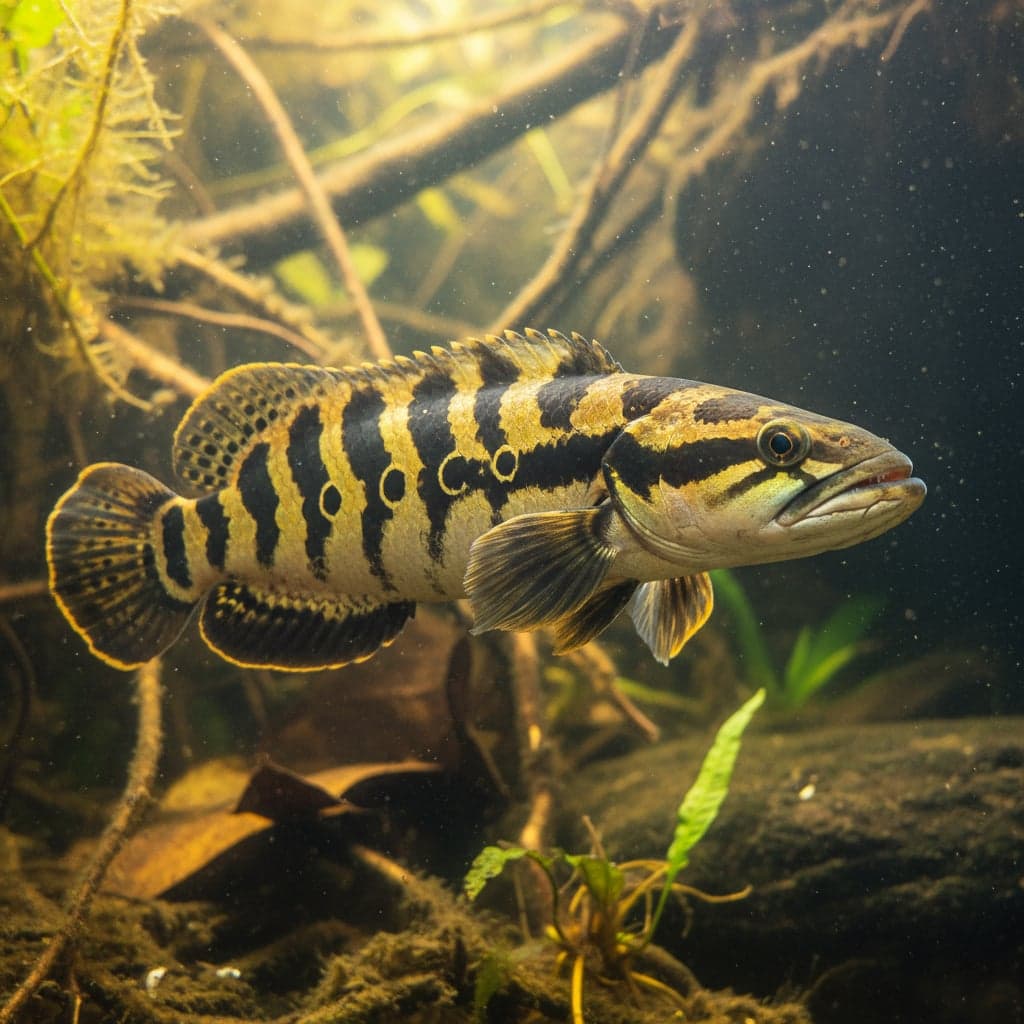
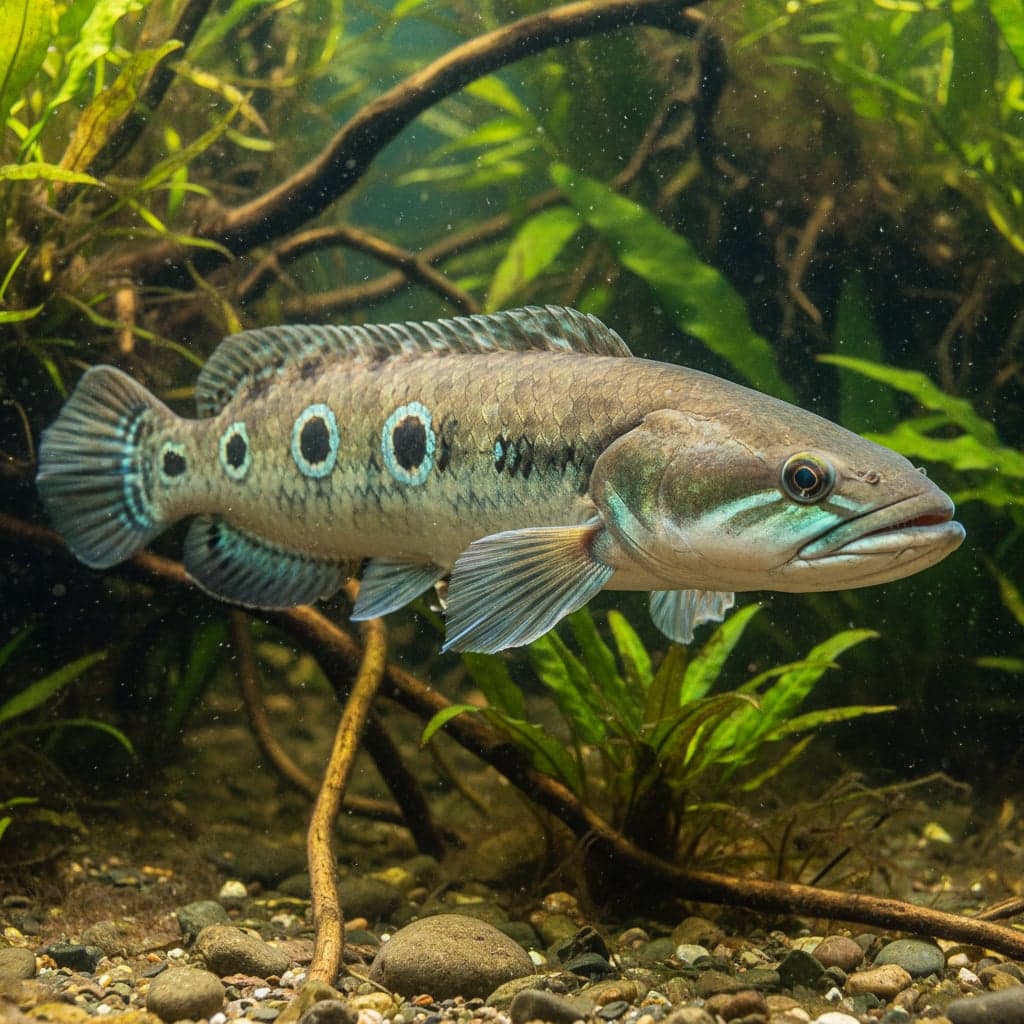
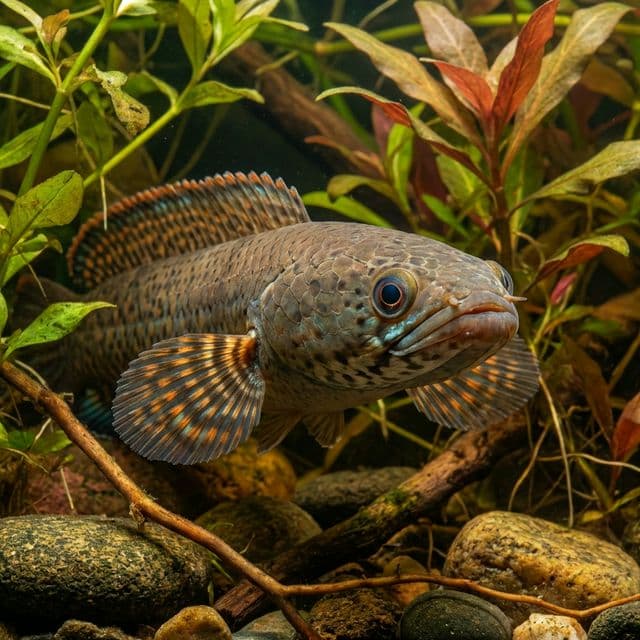
A gorgeous dwarf snakehead. Adults have fiery red eyes and a slate-grey body.
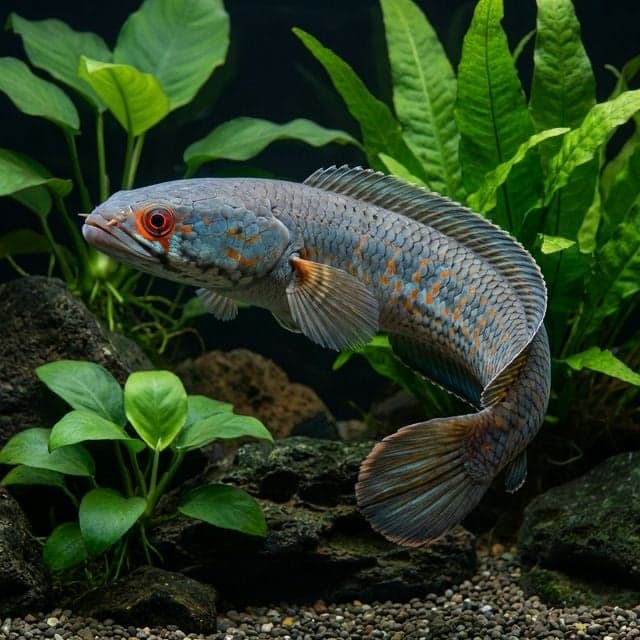
Fire & Ice Snakehead
The Fire & Ice Snakehead, scientifically known as Channa pyrophthalmus, is a captivating freshwater fish native to Southeast Asia, particularly found in regions of Myanmar and Thailand. This striking species is renowned for its vibrant coloration, featuring a combination of fiery reds, oranges, and iridescent blues that evoke the dual themes of fire and ice. Its unique pigmentation not only enhances its visual appeal in aquariums but also makes it a sought-after species for both collectors and enthusiasts, adding drama and excitement to any aquatic display. This snakehead not only serves as a stunning centerpiece due to its eye-catching aesthetics but also embodies a piece of the biodiverse ecosystems of its natural habitat.
In the aquarium hobby, the Fire & Ice Snakehead holds significant importance, particularly for those interested in unique top-predators. They are not only fascinating to observe due to their predatory behavior but also demonstrate remarkable intelligence and adaptability. These attributes lead aquarists to appreciate the complexities of maintaining such a species, which requires a commitment to understanding their unique needs and behaviors. The appeal of the Fire & Ice Snakehead transcends mere beauty, providing enthusiasts with a dynamic interaction and engagement that fosters a deeper appreciation for the aquatic world.
Natural Habitat & Origin
The Fire & Ice Snakehead is primarily found in the blackwater rivers and swamps of Myanmar and Thailand, where it thrives in slow-moving waters rich in organic materials and submerged vegetation. These habitats are characterized by acidic water conditions, often stained with tannins from decomposing plant matter. The fish has adapted to the low-light environments of these areas, making it capable of utilizing both its colorations for camouflage and its predatory skills to hunt for food. Understanding its natural habitat underscores the importance of replicating similar conditions in captivity, ensuring its health and well-being.
In terms of environmental context, the Water parameters in its natural habitat typically feature lower pH levels ranging from 5.5 to 7.0, with temperatures maintained between 24°C to 30°C (75°F to 86°F). The presence of leaf litter and dense vegetation not only provides shelter and breeding grounds but also contributes to the unique biochemical composition of the water. The ability to adapt to various conditions makes the Fire & Ice Snakehead a fascinating species with an intriguing balance between its needs and the diverse environments it inhabits.
Care Requirements
Caring for the Fire & Ice Snakehead requires meticulous attention to detail regarding water parameters and the aquarium environment. Ideal water conditions should maintain a pH level between 6.0 and 7.5, with a temperature range of 25°C to 30°C (77°F to 86°F). Hardness levels should be kept moderate, ideally between 5 to 15 dGH, to mimic their natural habitats. The tank setup should be spacious, with a minimum aquarium size of 75 gallons for adult individuals to allow ample swimming space and provide territories.
The substrate should be soft and dark, such as fine gravel or sand, helping to replicate the soft bottoms of their natural environments. The lighting should be dim to replicate the low-light conditions of blackwater habitats, with plenty of hiding spots using driftwood and lush aquatic plants. Floating plants can also provide shade and cover, along with enhancing the aesthetic appeal of the aquarium. Proper filtration is essential to maintain water quality, as these fish can be quite sensitive to poor water conditions.
Diet & Feeding
The Fire & Ice Snakehead is classified as a carnivore, thriving on a diet that consists mainly of live and frozen foods. In captivity, they prefer a varied diet that includes high-quality pellets, live foods such as fish, shrimp, and insects, as well as frozen alternatives like bloodworms and brine shrimp. Providing nutritional diversity is essential for their health, as it aids in growth and brings out the best in their coloration.
For optimal health, it is recommended to offer food 2-3 times a week, with meal sizes adjusted according to the size of the fish. Newly introduced specimens might require some time to acclimate to prepared foods, making it important to be patient and gradually include various diet types. Observing their feeding habits can also give insight into their overall health and behavior, as a healthy Fire & Ice Snakehead will exhibit strong predatory instincts.
Behavior & Temperament
The Fire & Ice Snakehead exhibits a predominantly solitary behavior, showing territorial tendencies when courting the space of larger aquaria. These fish are known for their significant aggression levels, particularly towards their own species or unfamiliar tank mates. In terms of social structure, they do not typically form schools and are more prone to establishing a hierarchy when cohabitated with others of the same species.
In the aquarium, they often prefer the upper to mid-water column but will explore the bottom, especially when hunting or searching for food. Owners should be prepared for the possibility of aggressive interactions, and appropriate precautions should be taken when introducing any tank mates. Providing ample cover and hiding spots can help mitigate aggressive behaviors, allowing the Fire & Ice Snakehead to feel more secure in its environment.
Tank Mates
When selecting tank mates for the Fire & Ice Snakehead, it's crucial to consider species compatibility, as these fish can display high levels of aggression. Suitable companions include robust, larger fish that can hold their own, such as certain species of catfish (e.g., Raphael Catfish, Synodontis spp.), larger cichlids (e.g., Oscars or Severums), and larger schooling species that can withstand occasional aggression.
On the contrary, species to avoid would include smaller fish, particularly those that are slow-moving or colorful, as these can trigger predatory behavior. Gouramis, small tetras, and other tiny community fish may not fare well in the presence of a Fire & Ice Snakehead. Ensuring that tank mates can provide some level of defense and have a strong constitution will lead to a more harmonious aquarium environment.
Breeding
Breeding the Fire & Ice Snakehead in captivity can be an exciting yet challenging endeavor. These fish exhibit mouthbrooding behaviors, where the female incubates the fertilized eggs in her mouth until they hatch. For successful spawning, a breeding tank with suitable conditions should be set up separately from the main aquarium, ideally with a minimum size of 50 gallons.
Creating a tranquil environment with ample hiding places, such as caves and dense vegetation, can encourage breeding behavior. The water parameters should match those of their natural habitats, with slightly elevated temperatures between 26°C to 28°C (79°F to 82°F) and a pH of around 6.5. After successfully spawning, the female will guard the eggs and fry, ensuring they are provided with adequate space free from disturbances until they are strong enough to swim on their own.
Common Health Issues
Like many fish, the Fire & Ice Snakehead can be susceptible to certain health issues, primarily related to stress, poor water conditions, and improper diet. Common diseases include ich (ichthyophthirius multifiliis), fin rot, and various parasitic infections. Maintaining excellent water quality and regular aquarium maintenance play a vital role in preventing these problems.
To mitigate health risks, it is crucial to monitor water parameters regularly and perform partial water changes routinely. Additionally, providing a balanced diet while avoiding overfeeding can prevent nutritional deficiencies. In case of illness, quarantining affected individuals before treating can help prevent the spread of pathogens to other tank inhabitants. Snakeheads can also be sensitive to certain harsh chemical treatments, so remedies should always be dosed carefully, and ensuring the aquarium has a tightly secured, well-ventilated lid prevents physical injuries from jumping. With attentive care and stable water quality, the Fire & Ice Snakehead remains a hardy, long-lived centerpiece predator in the home aquarium.