Fisher's Woodcat: Trachelyopterus fisheri
A small, internally-fertilizing catfish. Unusual reproductive biology for a catfish.
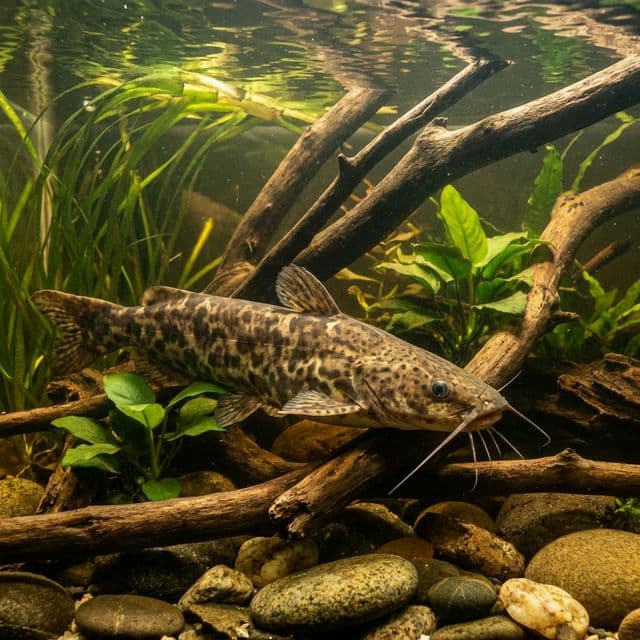
Fisher's Woodcat
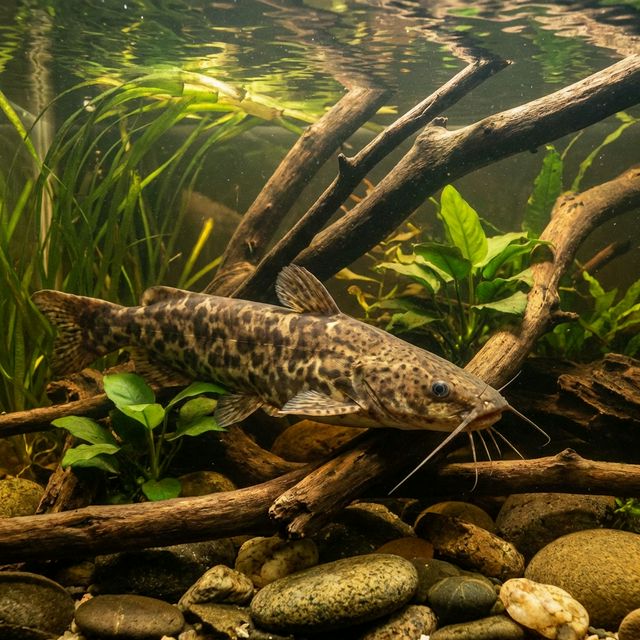
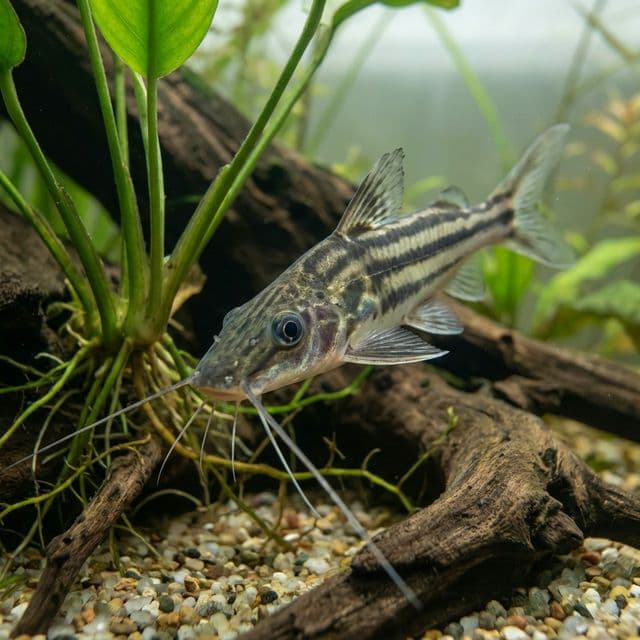
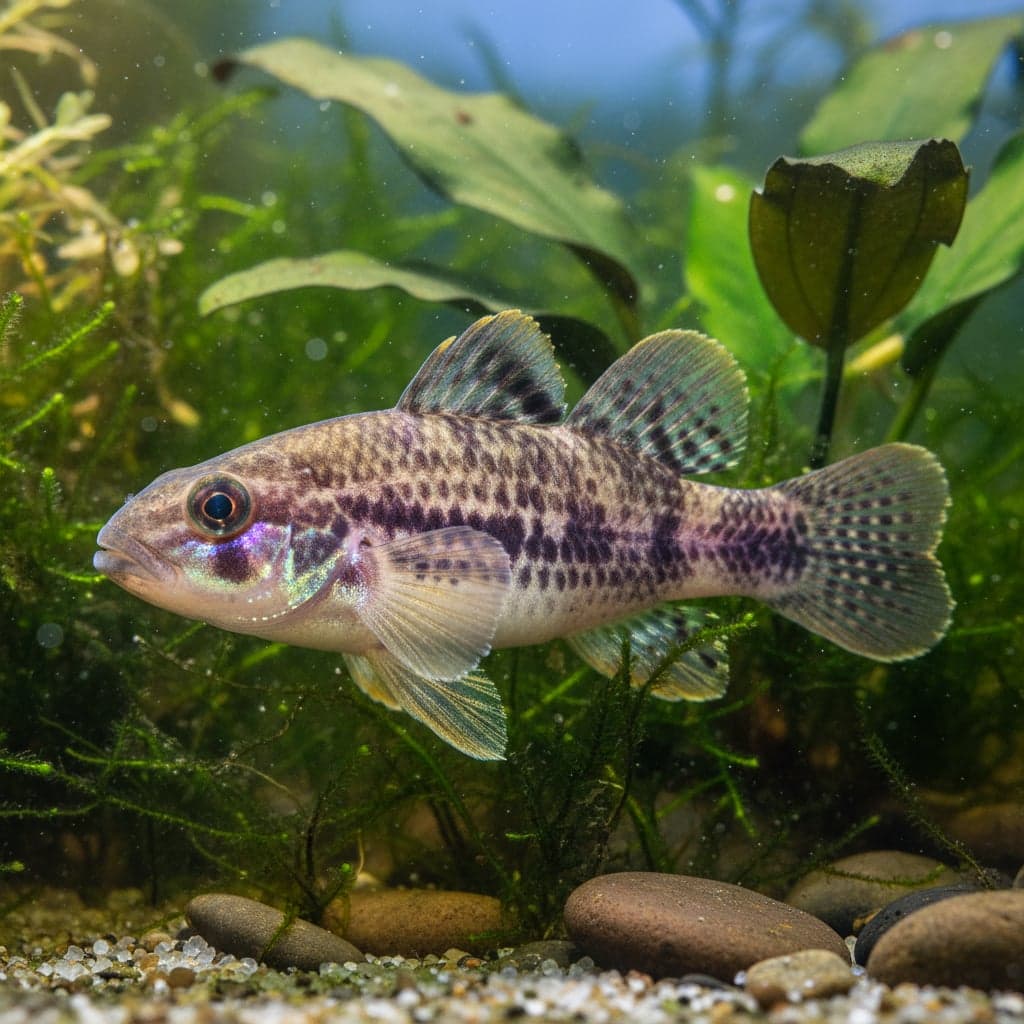
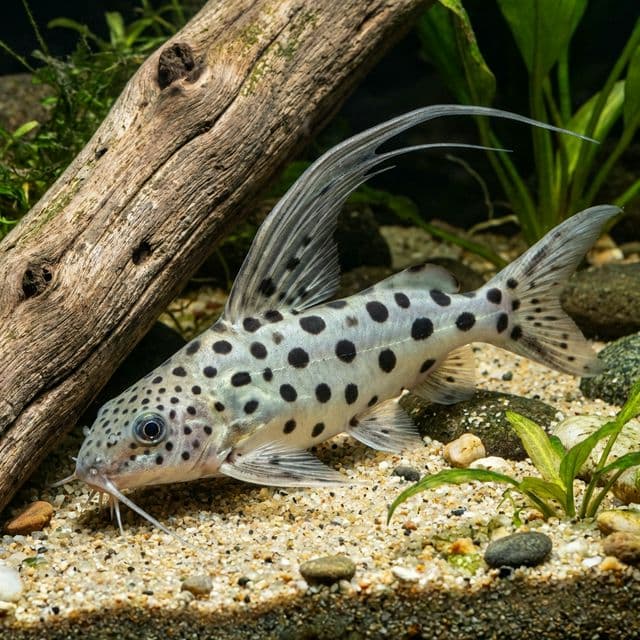
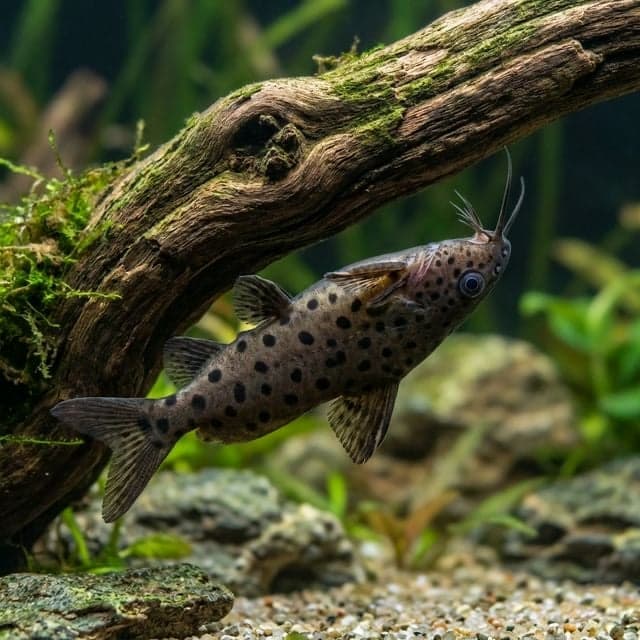
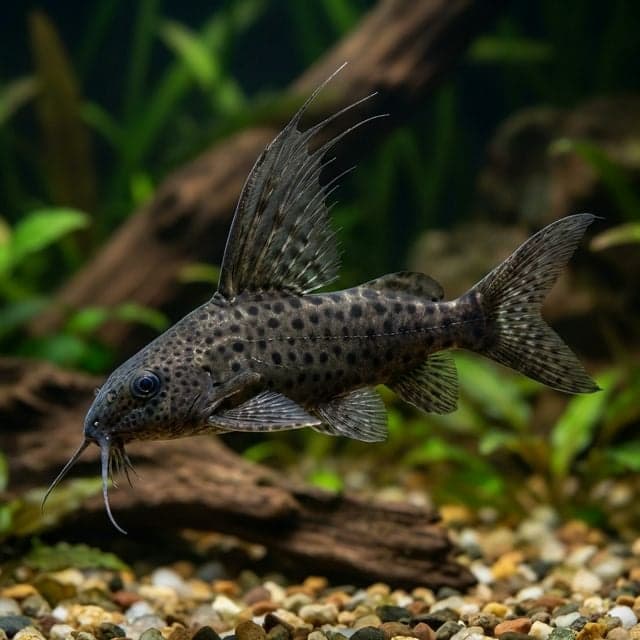
The Fisher's Woodcat, scientifically known as Trachelyopterus fisheri, is a fascinating species belonging to the family Asterophysidae. Renowned for its unique, elongated body and distinctive patterning, this fish has captured the attention of aquarists and fish enthusiasts alike. It is often characterized by its striking deep brown or mottled coloration, adorned with lighter spots that mimic the natural camouflaging patterns found in its native habitat. This visual appeal, combined with its graceful swimming abilities, makes the Fisher's Woodcat a prized addition to any freshwater aquarium. Furthermore, it's significant in the aquarium hobby not only for its aesthetics but also for its relatively easy care, making it an excellent choice for both novice and experienced aquarists.
Beyond its physical attributes, the Fisher's Woodcat plays a vital role in the ecosystem of the freshwater environments it inhabits. It is a bottom dweller, contributing to the nutrient cycling within its habitat. In aquarist communities, it fosters an appreciation for species that mirror the diversity of ecosystems around the world. As such, it serves as both an educational tool for understanding aquatic ecology and a centerpiece in well-planned aquascapes, encouraging hobbyists to create biotopes that reflect its natural surroundings.
Natural Habitat & Origin
The Fisher's Woodcat is indigenous to the waters of the Amazon River basin, particularly within Brazil and Peru. This region is characterized by its intricate network of slow-moving rivers, tributaries, and flooded forests, often presenting blackwater conditions. Blackwater is defined by its high acidity and low mineral content, resulting from the decomposition of organic matter, such as plant material and leaf litter. The soft, dark waters provide a rich habitat for diverse aquatic life, which influences the behavior and preferences of the Fisher's Woodcat in captivity.
In this unique environment, the Fisher's Woodcat thrives in densely vegetated areas where it finds ample hiding spots among submerged roots and rocks. The low light levels, combined with the presence of tannins that leach from the organic debris, create the ideal sensory conditions for this species. Understanding the specific natural habitat of the Fisher's Woodcat is paramount for aquarists looking to replicate its environment and foster its well-being in the aquarium.
Care Requirements
For successful care of the Fisher's Woodcat, it is crucial to maintain water parameters that closely resemble its natural habitat. The ideal pH range is between 6.0 and 7.5, while water temperatures should be maintained between 75°F and 82°F (24°C to 28°C). This species thrives in soft to moderately hard water, with hardness levels ideally between 2 to 15 dGH.
When setting up the tank, a minimum size of 20 gallons is recommended, providing ample space for swimming and exploration. The substrate should be fine sand or soft gravel to protect its delicate barbells, which are used for foraging. Incorporating plenty of driftwood, caves, and live plants will create hiding spots and mimic the natural environment of the Fisher's Woodcat. Dim lighting is preferred, as it simulates the low-light conditions of its habitat, ensuring the fish feels secure and reducing stress.
Diet & Feeding
The Fisher's Woodcat is predominantly an omnivore, featuring a varied diet in the wild that includes small invertebrates, detritus, and plant matter. In captivity, it can be fed a balanced diet consisting of high-quality pellets, flakes, and frozen or live foods. Offer a variety of food options, such as bloodworms, brine shrimp, and daphnia, to maintain optimal health and coloration. Regular feeding should occur multiple times per week, with careful attention to not overfeed—this helps in maintaining water quality while offering a nutritious and satisfying diet for the fish.
Behavior & Temperament
The Fisher's Woodcat is known for its peaceful demeanor, making it an ideal inhabitant for community tanks. While generally sociable, it can demonstrate some shyness, particularly during the day when it may hide among decor or substrate. This catfish is often more active during twilight hours, showcasing its natural foraging behavior. The species does best when kept in groups of at least three or four, as this promotes a reassuring social structure and reduces stress levels. They typically occupy the lower levels of the aquarium, but they are known to explore different vertical placements, especially when feeling secure.
Tank Mates
When selecting tank mates for the Fisher's Woodcat, it's essential to choose species that are similarly peaceful and of suitable size. Compatible species include tetras, corydoras, rasboras, and other small, non-aggressive fish. Avoid keeping them with overly aggressive fish, large cichlids, or any species known to nip fins, which can induce stress or harm. Ideal tank mates should also share similar water parameter preferences to ensure a harmonious aquarium environment.
Breeding
Breeding the Fisher's Woodcat in captivity has proven challenging, but it is not impossible with the right conditions. Spawning typically occurs in larger groups, necessitating a well-planted tank with ample hiding spots. The ideal conditions for breeding include slightly acidic water, temperatures around 79°F (26°C), and a higher frequency of water changes to simulate seasonal rainy conditions. The male Fisher's Woodcat will display courtship behavior, involving gentle nudging and chasing, leading to the pairing of a male and female for spawning, which usually occurs on flat surfaces. Following spawning, the parents should be separated from the eggs to prevent predation, as the adults may consume their offspring.
Common Health Issues
The Fisher's Woodcat is generally resilient, but like all fish, it can be susceptible to certain health issues. Common ailments include Ich, fin rot, and bacterial infections, particularly in stressful conditions or if water quality declines. Regular monitoring of water parameters, coupled with routine tank maintenance, is vital for preventing these issues. Quarantining new arrivals, minimizing stress, and providing a varied diet can also serve as effective prevention strategies. Early detection and treatment are essential for managing health concerns, ensuring longevity and vitality for the Fisher's Woodcat in any aquarium setting.