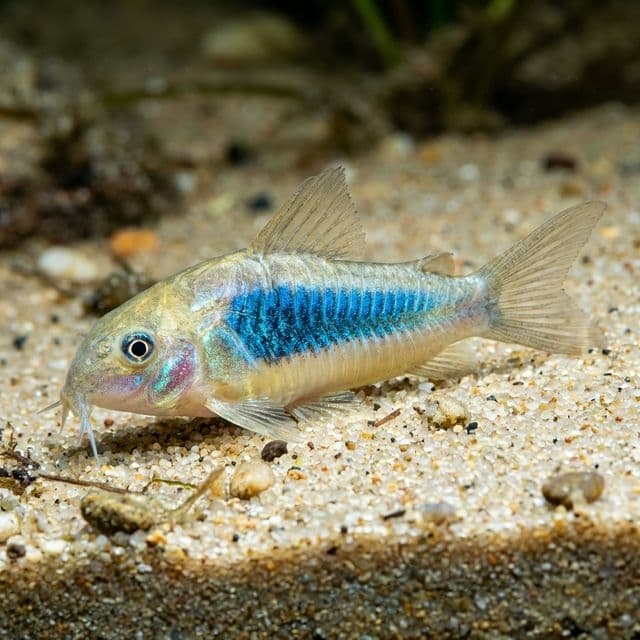
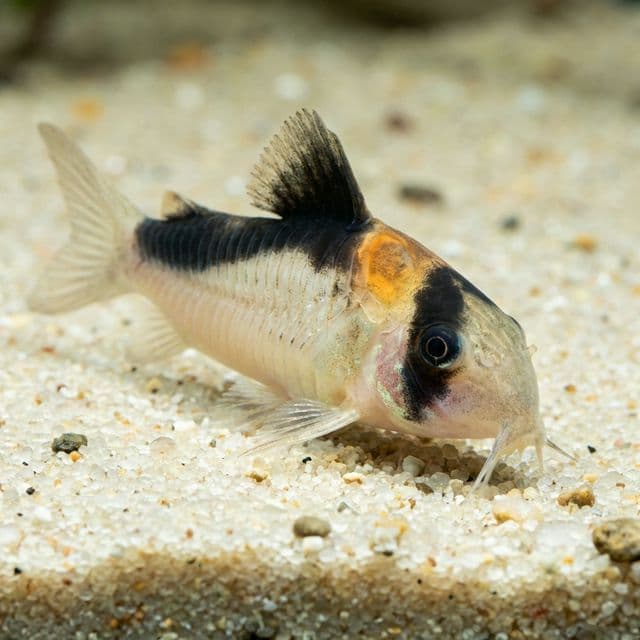
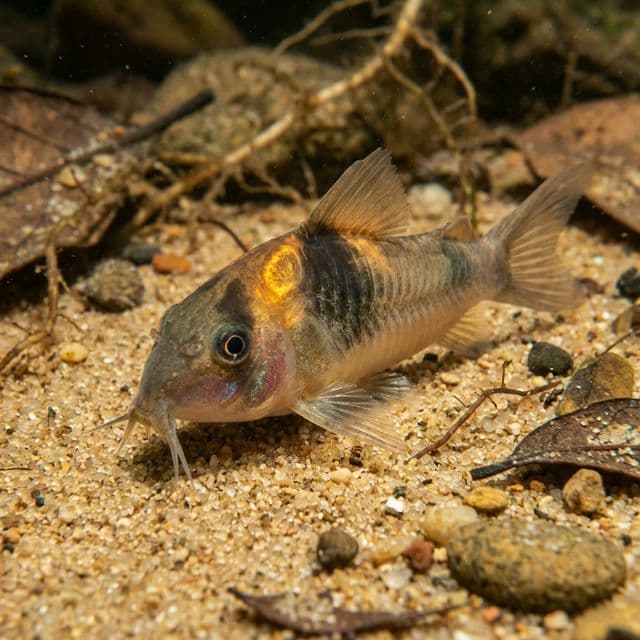
Flag-tailed Panda Cory: Hoplisoma oiapoquense
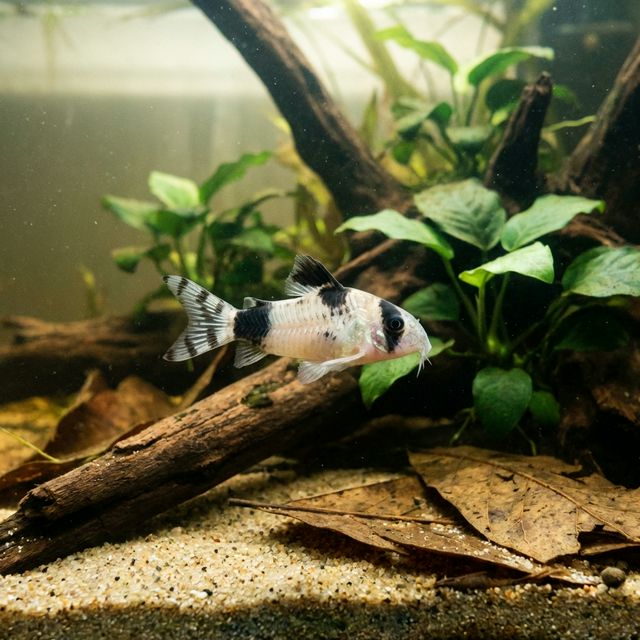
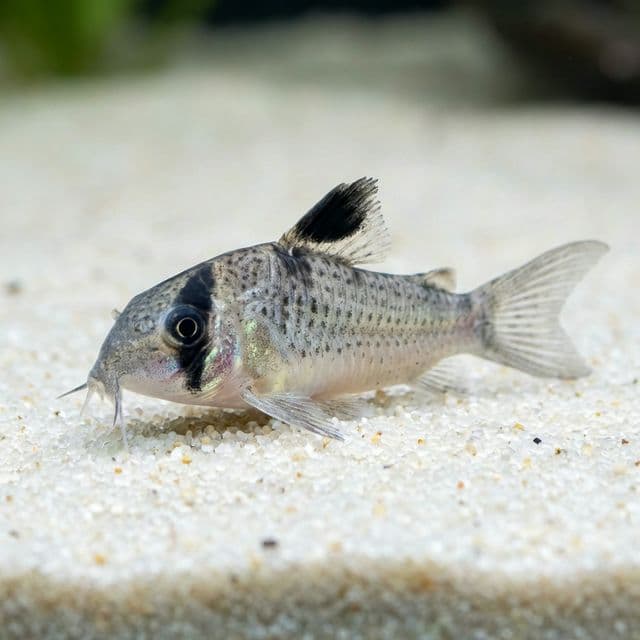
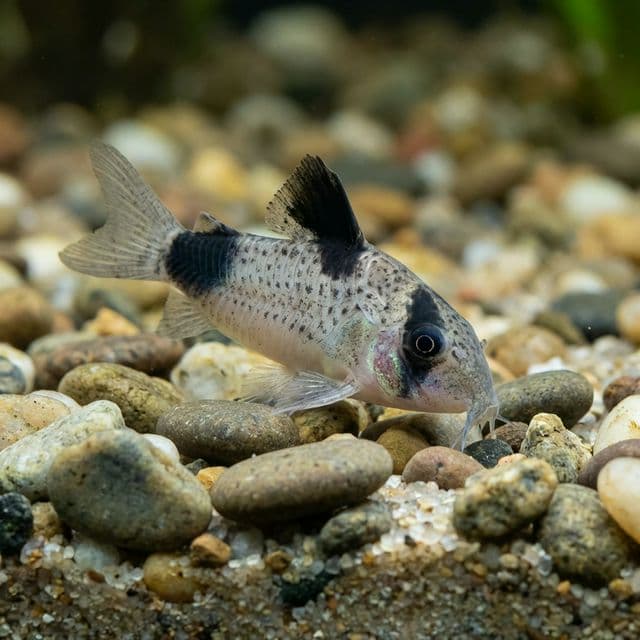
A boldly marked corydoras with a striking black and white banded tail.
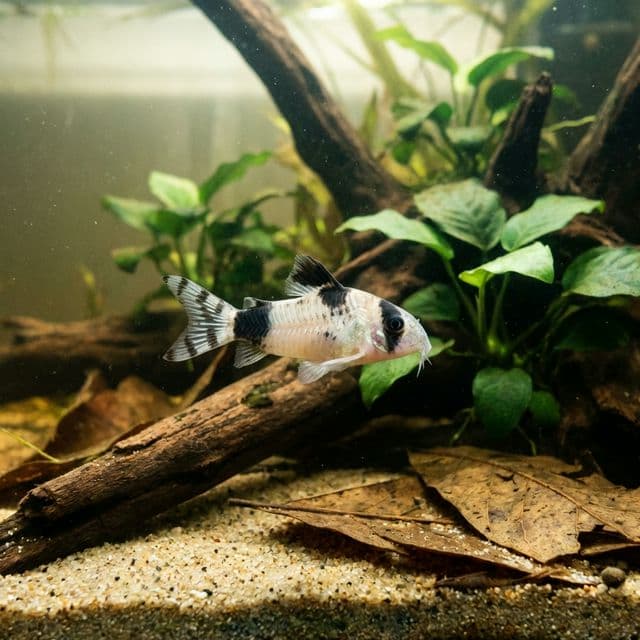
Flag-tailed Panda Cory
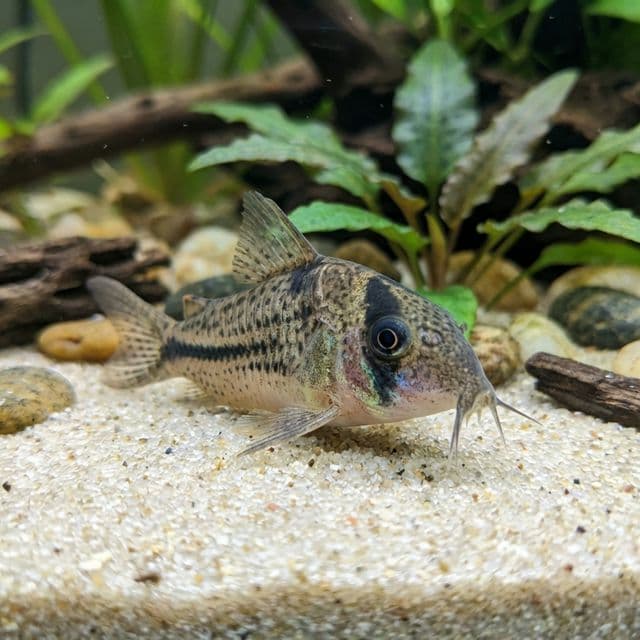
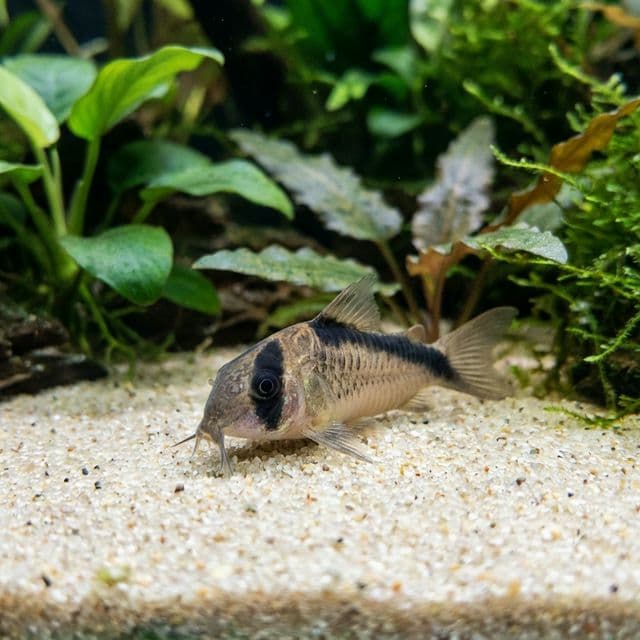
The Flag-tailed Panda Cory, scientifically known as Hoplisoma oiapoquense, is a captivating member of the freshwater aquarium community that has garnered attention for its striking appearance and unique behaviors. Recognizable by its distinct flag-like tail and vibrant coloration, this fish features a blend of pale bodies adorned with dark spots, which contribute to its appealing and playful aesthetic. With a maximum size of around 5 cm, it makes an excellent addition to home aquariums, especially for hobbyists looking to create lively, dynamic aquatic environments. Its visual charm, combined with its sociable nature, has made it a popular choice among both novice and experienced aquarists.
In the aquarium hobby, the Flag-tailed Panda Cory holds significance not just for its beauty but also its role in maintaining ecological balance within the tank. These fish are known for their bottom-dwelling habits, helping to keep substrates clean by scavenging for uneaten food. This not only contributes to a healthier environment but also supports the overall well-being of the tank’s ecosystem. Moreover, the species exhibits intriguing social behaviors, often seen darting around a well-planted tank in small groups, elevating the aquarium's dynamic and lively atmosphere.
Natural Habitat & Origin
The Flag-tailed Panda Cory is native to the freshwater rivers and streams of South America, primarily located in the Amazon basin of Brazil and surrounding regions. This species thrives in blackwater habitats, characterized by dark, acidic waters stained by decaying plant material. The natural environment of the Flag-tailed Panda Cory often features soft substrates of fine sand or leaf litter, along with dense vegetation that provides both cover and foraging options. These conditions are crucial for their development and well-being, making it necessary to replicate similar water conditions in a home aquarium setup.
The specific environmental context of their natural habitat includes slow-moving waters with ample organic matter and periodic flooding, which introduces a variety of microhabitats for these fish. As a result, the Flag-tailed Panda Cory is adapted to a highly specialized ecological niche, relying on its unique surroundings for food and shelter. Understanding this natural backdrop is essential for enthusiasts wishing to emulate it effectively in captivity.
Care Requirements
The care requirements for the Flag-tailed Panda Cory are straightforward yet vital for ensuring their health and longevity in the aquarium. Ideal water parameters for this species include a pH range of 6.0 to 7.5, a temperature of 75°F to 82°F (24°C to 28°C), and soft to moderately hard water (3 - 12 dGH). Careful monitoring of these parameters can help create a stable environment that mirrors their natural habitat, promoting robust health and vitality.
When setting up a tank for Flag-tailed Panda Corys, a minimum tank size of 20 gallons is recommended, which allows for adequate swimming space and social interaction. As bottom dwellers, they thrive in tanks with a sandy substrate to prevent injury to their delicate barbels. Additionally, incorporating plenty of hiding spots through driftwood, rocks, and dense aquatic plants is beneficial. Moderate lighting can be employed to encourage plant growth while mimicking the dappled lighting conditions found in their native habitats.
Diet & Feeding
The Flag-tailed Panda Cory is an omnivorous species, requiring a varied diet to thrive. In the wild, they primarily forage for detritus, small invertebrates, and organic materials found within their habitat. In captivity, it's essential to replicate this diet by providing high-quality flakes, pellets, and sinking foods—ensure that these foods are specifically formulated for bottom-dwelling fish. Additionally, supplementing their diet with frozen or live foods like bloodworms, brine shrimp, and daphnia can significantly enhance their nutritional intake and overall health.
Feeding should be conducted in small amounts multiple times a day to mimic their natural foraging behavior. Observe their feeding patterns closely, as overfeeding can lead to water quality issues and affect the health of these fish. Providing a well-rounded diet will help maintain their vibrant coloration and promote longevity in aquariums.
Behavior & Temperament
Flag-tailed Panda Corys exhibit a peaceful temperament, making them ideal for community tanks. They are social fish that thrive best in groups of at least six individuals, which encourages natural behavior and reduces stress. In a well-maintained aquarium, they are often seen interacting with one another as they scavenge along the substrate. Their schooling nature enhances the beauty and liveliness of the tank, providing visual interest to observers.
Behaviorally, these fish prefer the lower levels of the aquarium, where they can comfortably search for food. While they are not aggressive, their natural curiosity and playful antics can lead to lively interactions among their peers and with compatible tank mates. It’s essential to provide a well-structured tank environment that includes both open swimming areas and hiding spots for these fish to feel secure while exploring.
Tank Mates
When selecting tank mates for the Flag-tailed Panda Cory, it’s crucial to choose species that share compatible temperaments and environmental needs. Compatible tank mates include peaceful species such as Tetras, Rasboras, and other Corydoras species. These fish tend to thrive in similar water conditions and unaggressive environments, making them suitable companions.
Conversely, it is advisable to avoid keeping Flag-tailed Panda Corys with aggressive species, large cichlids, or fast-moving fish that might intimidate or out-compete them for food. Additionally, avoid keeping them with very small fish that may become targets for predation. A well-planned community tank will create a harmonious eco-culture, enhancing the overall experience for both the fish and the aquarist.
Breeding
Breeding Flag-tailed Panda Corys in captivity can be a rewarding experience for dedicated aquarists. To encourage spawning, it is essential to replicate their natural breeding conditions. This includes performing regular water changes to keep the environment clean and introducing slightly cooler water (around 72°F) to simulate the seasonal changes in their natural habitat.
When the females are ready to spawn, they will exhibit a rounder belly, and males will become more active, engaging in courtship displays. Spawning typically occurs on flat surfaces, such as the leaves of plants or smooth rocks, where the female will lay her eggs. After spawning, it is highly recommended to remove the adults from the breeding tank, as they may consume the eggs. The eggs typically hatch within 3 to 5 days under optimal conditions, allowing the fry to be raised in a separate nursery setup equipped with infusoria or finely crushed food.
Common Health Issues
Despite their hardiness, Flag-tailed Panda Corys can be susceptible to common fish ailments if not properly cared for. Some of the prevalent health issues include Ich (ick), fins rot, and various parasitic infections. Maintaining excellent water quality and a stable environment is key to preventing these problems.
Preventative measures such as routine water testing, regular tank maintenance, and a balanced diet can significantly reduce the risk of disease. Additionally, observing fish behavior and physical condition frequently can help detect any signs of distress or illness early on, allowing for prompt treatment. In the event of an outbreak, appropriate medications should be used carefully, ensuring that the aquarium's ecosystem is preserved as much as possible.