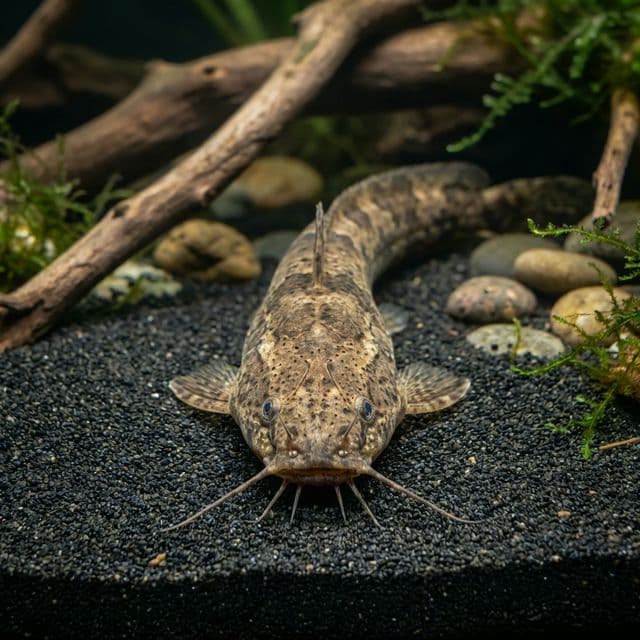
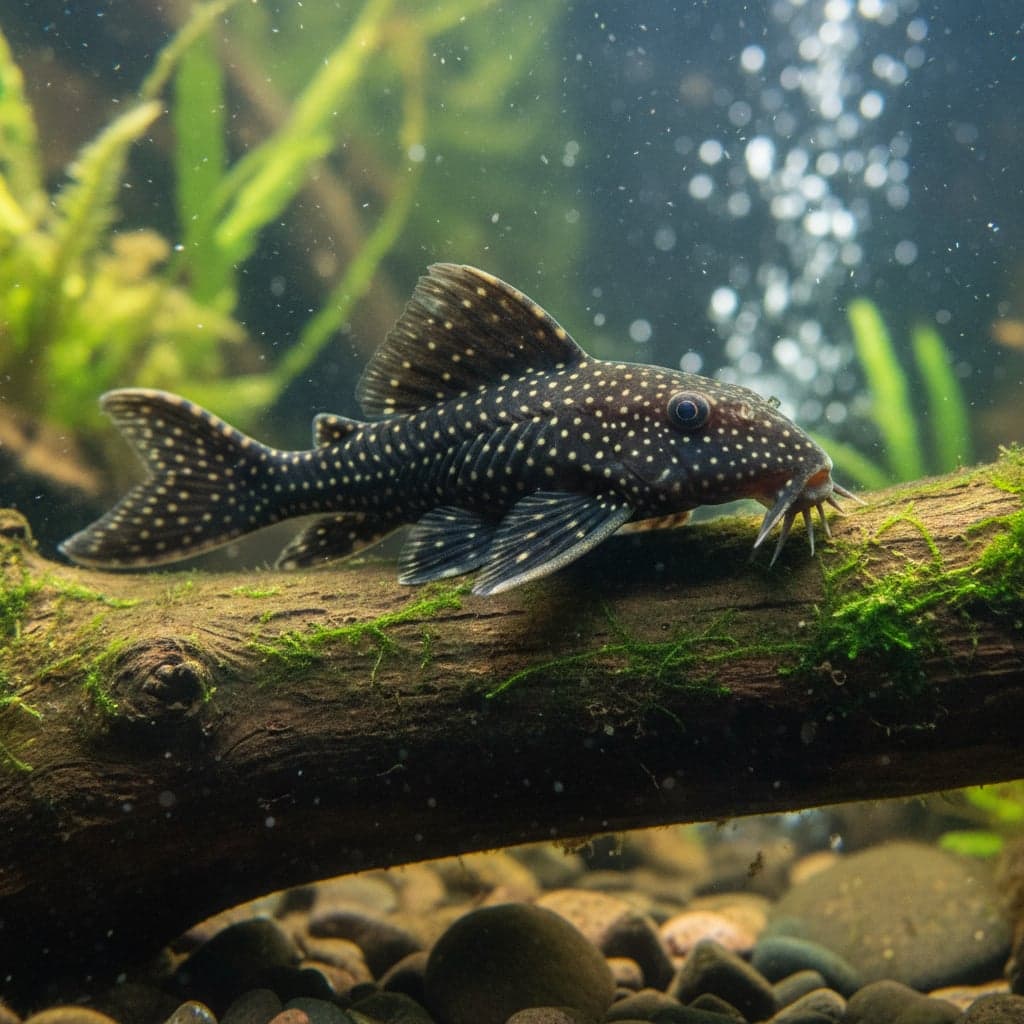
Forktail Loach: Vaillantella maassi
A bizarre, elongated loach with a forked tail. Extremely rare and unusual.
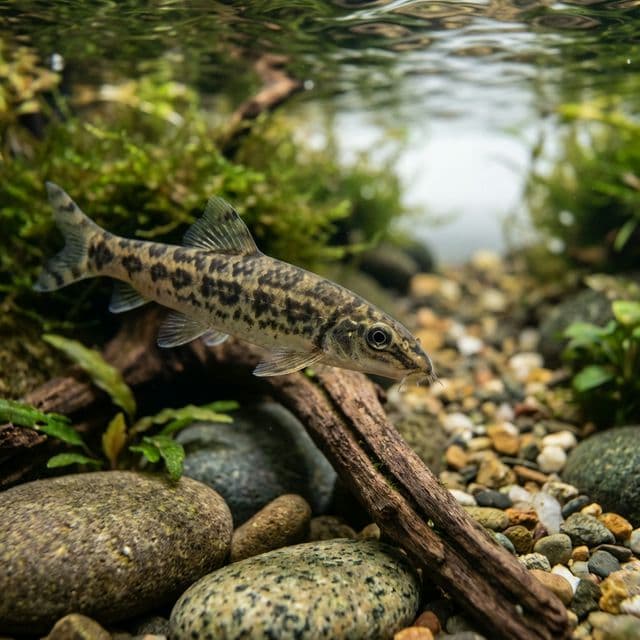
Forktail Loach
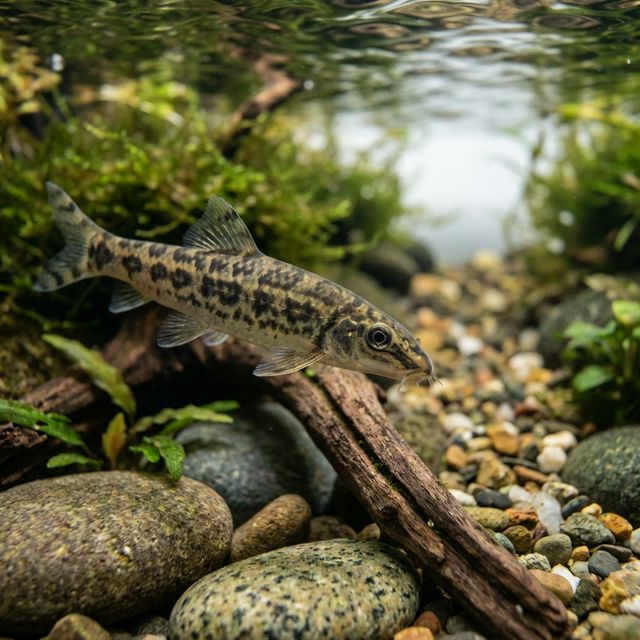
The Forktail Loach, scientifically known as Vaillantella maassi, is a captivating species native to Southeast Asia, renowned for its distinctive forked tail and striking color pattern. This small freshwater fish exhibits a blend of vibrant hues, typically featuring a translucent body adorned with prominent black markings and bright orange or yellow accents on its fins. The visual appeal of the Forktail Loach lies not only in its unique coloration but also in its lively movements, making it a popular choice among aquarists. As a bottom-dwelling species, it actively scours the substrate for food while adding dynamic movement to the aquarium setup.
In the aquarium hobby, the Forktail Loach holds significance for both aesthetic and ecological reasons. Its engaging behavior and peaceful nature make it an excellent addition to various community tanks, allowing both novice and experienced aquarists to enjoy its display. Furthermore, this species plays a vital role in its natural ecosystem by contributing to the cleaning of the substrate and maintaining a balanced environment. The Forktail Loach’s charm and activity level make it a sought-after fish that enhances the beauty and vibrancy of any aquarium.
Natural Habitat & Origin
The Forktail Loach originates from the lush river systems and floodplains of Southeast Asia, specifically found in countries like Malaysia and Borneo. These fish inhabit both slow-moving rivers and densely vegetated wetlands, where they thrive in soft, acidic waters characterized by a low pH and minimal turbulence. The natural habitat is primarily blackwater, rich in organic materials and tannins, which impart a dark coloration to the water and lower the overall hardness. This setting not only provides shelter among leaf litter and submerged roots but also contributes to the Forktail Loach's dietary needs, as it feeds on detritus and microorganisms found in the substrate.
In their natural environment, Forktail Loaches exhibit a strong preference for areas with ample cover, such as dense plant growth and submerged logs, which provide both safety from predators and a complex habitat for foraging. Understanding their natural habitat is crucial for replicating the appropriate environment in captivity, allowing aquarists to create a setting that closely resembles their native waters and promotes the health and well-being of these attractive fish.
Care Requirements
Caring for Forktail Loaches necessitates attention to specific water parameters to ensure their thriving in captivity. Ideal water conditions include a pH range of 6.0 to 7.5, with a temperature maintained between 22°C to 28°C (72°F to 82°F). As for hardness, a range of 5 to 15 dGH is recommended, reflecting the softer water found in their natural habitats. In terms of tank setup, a minimum aquarium size of 20 gallons is advisable, offering enough space for these loaches to swim and explore.
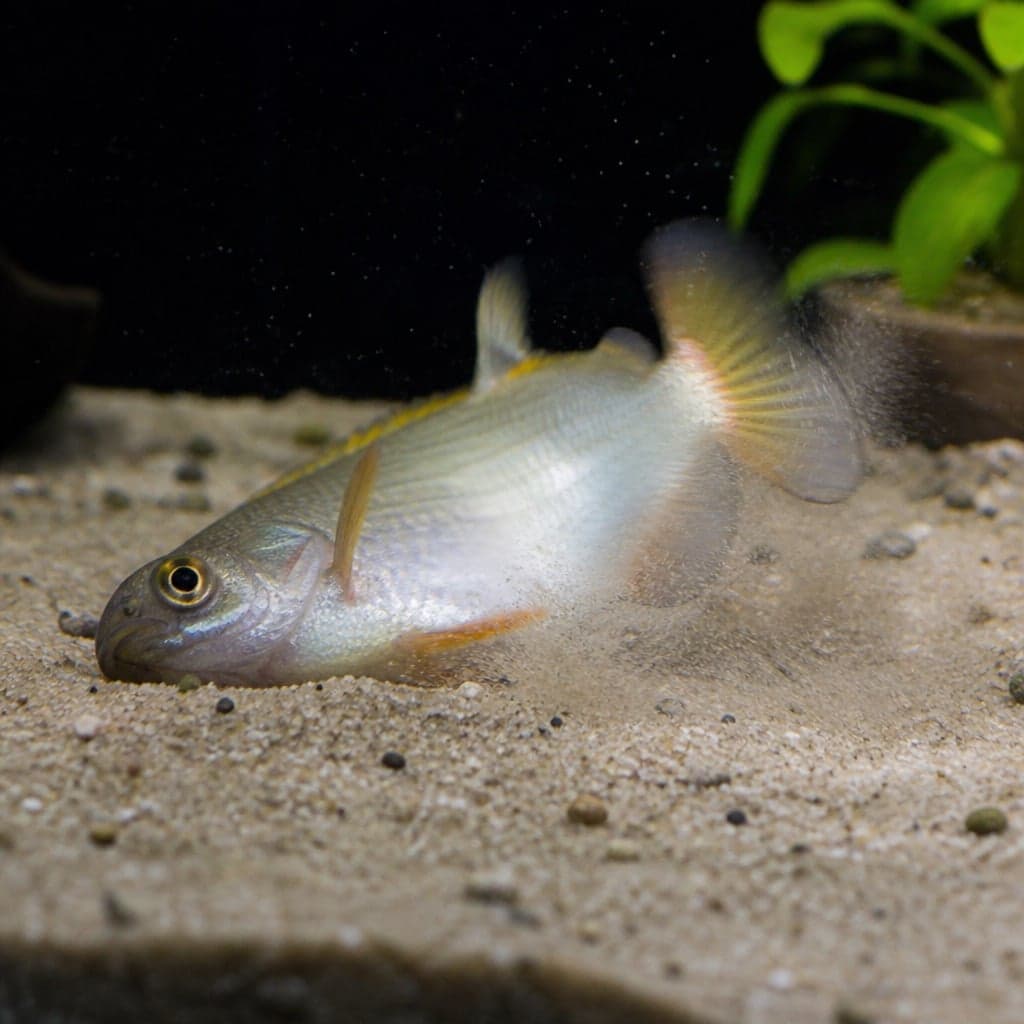
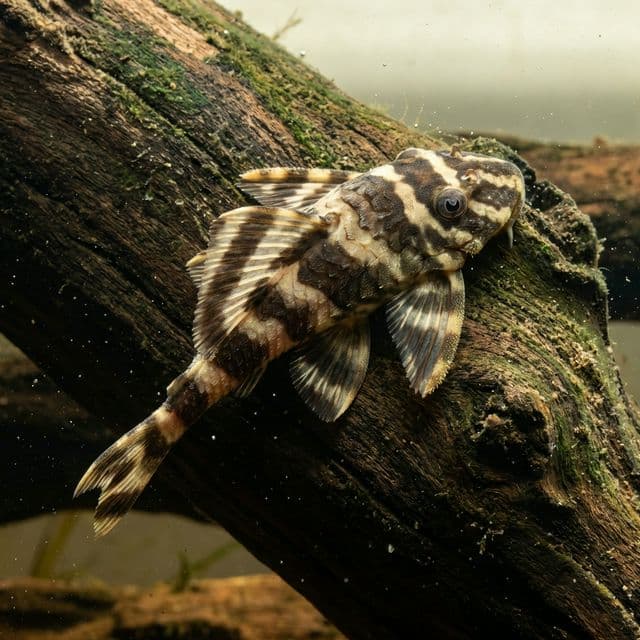
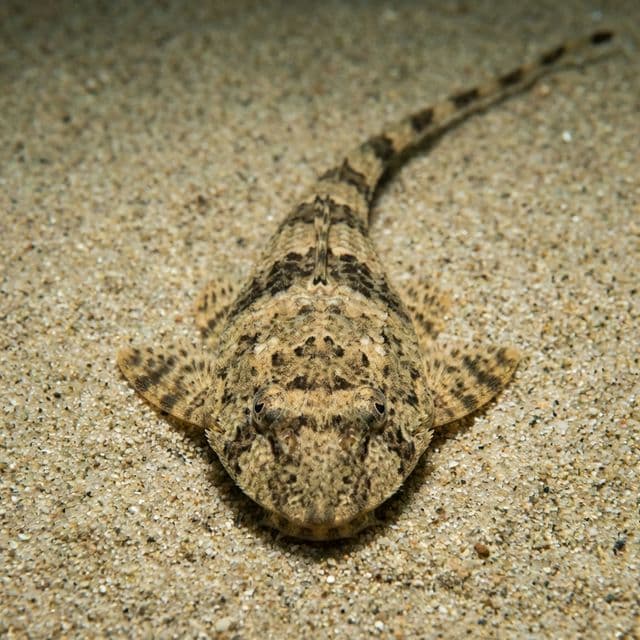
The substrate should consist of fine gravel or sand to facilitate their foraging behavior, minimizing the risk of injury to their delicate bodies. The addition of plants, especially floating varieties, will help recreate the shaded environment they prefer, while also promoting a sense of security. Moderate lighting is recommended to mimic the dappled sunlight filtering through the forest canopy. Incorporating rocks, driftwood, and hiding spots will further enrich their habitat and provide essential shelter for this shy species.
Diet & Feeding
Forktail Loaches are omnivorous, possessing a diverse diet that can be replicated easily in captivity. They primarily forage for fallen leaves, detritus, and small invertebrates in their natural habitat, making it essential to provide a varied diet that mimics these natural food sources. High-quality flake foods, sinking pellets, and granules with a focus on vegetable content are recommended as staple items. Additionally, incorporating frozen or live foods such as bloodworms, brine shrimp, and daphnia will enhance their diet and promote vibrant colors and health.
Feeding should occur at least once or twice daily, with small portions to prevent overfeeding and maintain water quality. Providing a mix of foods not only caters to their nutritional needs but also encourages more natural foraging behaviors, keeping them active and engaged within the tank environment. Monitoring their feeding habits allows aquarists to ensure they are receiving adequate nutrition while observing any preferences they may develop.
Behavior & Temperament
The Forktail Loach is known for its peaceful demeanor and sociable nature, making it an excellent candidate for community tanks. These fish are particularly social and thrive best when kept in small groups of at least three to six individuals, as they exhibit schooling behaviors that enhance their enjoyment of the aquarium environment. Forktail Loaches are primarily bottom-dwellers, often seen foraging along the substrate, but they may occasionally venture into mid-water levels, especially if spooked or searching for food.
Despite their generally calm temperament, they are not completely devoid of personality. They can display some territorial behavior, particularly when establishing social hierarchies within their group. Providing ample hiding places is crucial to ensuring a stress-free environment, as well as to accommodate the natural shyer tendencies of this species. Maintaining a well-planted tank will allow them to feel secure and comfortable, encouraging peaceful interactions among their own kind and other tank mates.
Tank Mates
Forktail Loaches are compatible with a wide range of species, making them ideal candidates for community aquariums. Suitable tank mates include small to medium-sized peaceful fish such as tetras, rasboras, loaches of similar size and temperament, and other non-aggressive species. It is advisable to avoid keeping them with larger, more aggressive fish, as their shy nature could lead to stress or potential bullying. Suitable upper-level species with calm dispositions, such as dwarf cichlids or peaceful barbs, can also create harmonious environments.
Fish that should be avoided as tank mates include fin-nippers or aggressive species like bettas, large cichlids, and certain types of aggressive catfish. By pairing Forktail Loaches with compatible species, aquarists can create a thriving community tank that showcases the peaceful interaction and beauty of diverse aquatic life.
Breeding
Breeding Forktail Loaches in captivity can be somewhat challenging, as they tend to spawn in specific environmental conditions similar to those found in their natural habitat. Successful breeding requires a well-maintained tank with slightly cooler temperatures (around 24°C or 75°F) and soft, slightly acidic water. Dimmed lighting and plenty of hiding spots will help encourage spawning behavior.
During breeding, females will exhibit a fuller body, and males will display heightened colors, often undertaking elaborate courtship displays. Spawning usually takes place over flat surfaces or within dense vegetation. After spawning, it is essential to separate the adults from the eggs, as they may consume them. The eggs will hatch within 24 to 48 hours, and fry can be fed infusoria or finely crushed flake food. Providing a secure and nurturing environment is key to raising the fry successfully.
Common Health Issues
Like many fish species, Forktail Loaches can be susceptible to a variety of health issues, primarily due to poor water quality, stress, or sudden changes in their environment. Common diseases include ich (Ichthyophthirius multifiliis), which can present as white spots on the skin or fins, and fin rot, often a result of bacterial infections due to physical injuries or poor water conditions. Additionally, they may also encounter parasitic infections such as flukes or external protozoans when water quality slips or the group is stressed. Keep soft, slightly acidic water, gentle filtration, and regular water changes, and quarantine newcomers. Watch for white spots, frayed fins, flashing, or sudden lethargy, and treat promptly in a hospital tank. Soft sand, hiding spots, and a varied diet support immunity. With stable conditions and early action, Forktail Loaches remain peaceful bottom dwellers for years.