Fowler's Cory: Corydoras fowleri
A rare corydoras with a distinctive pattern. Peaceful shoaler.

Fowler's Cory
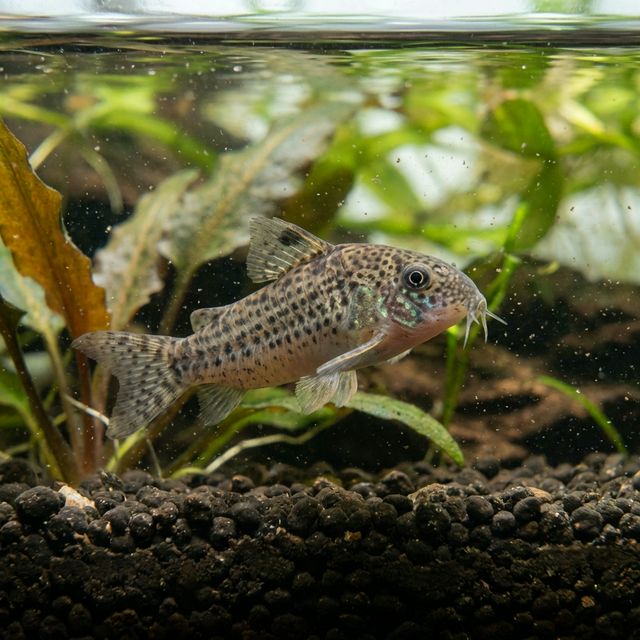
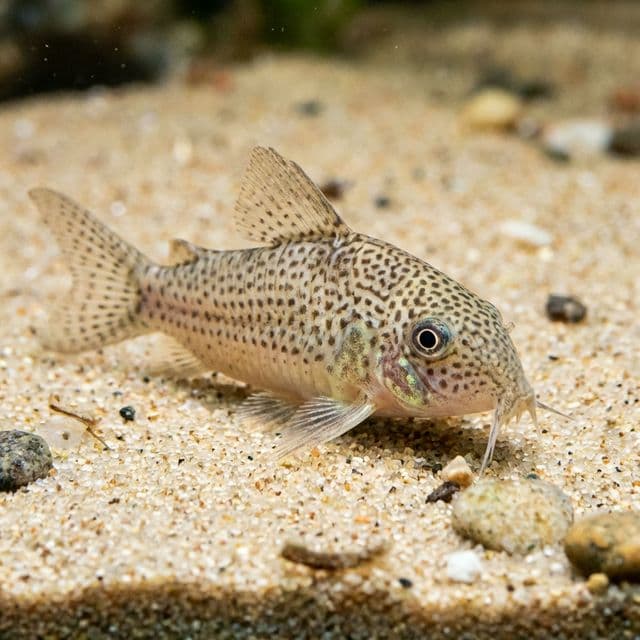
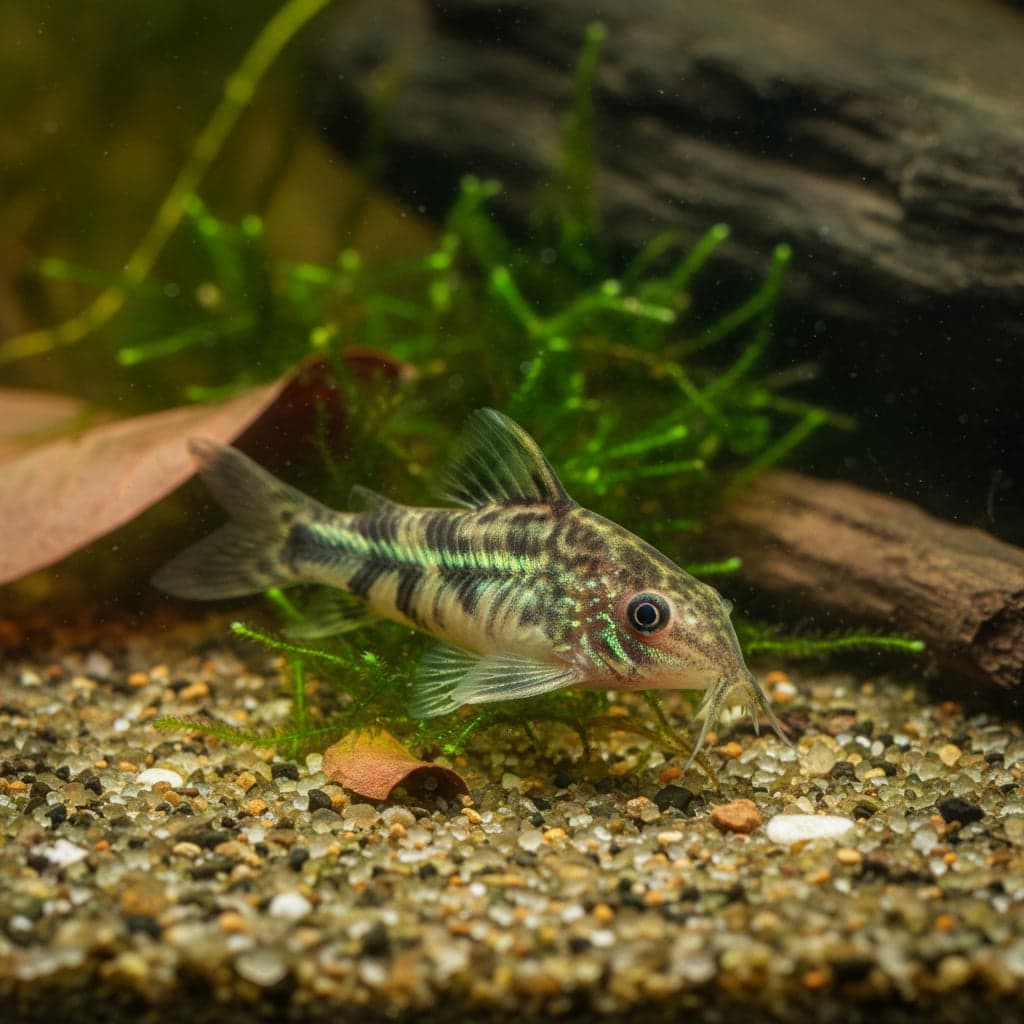
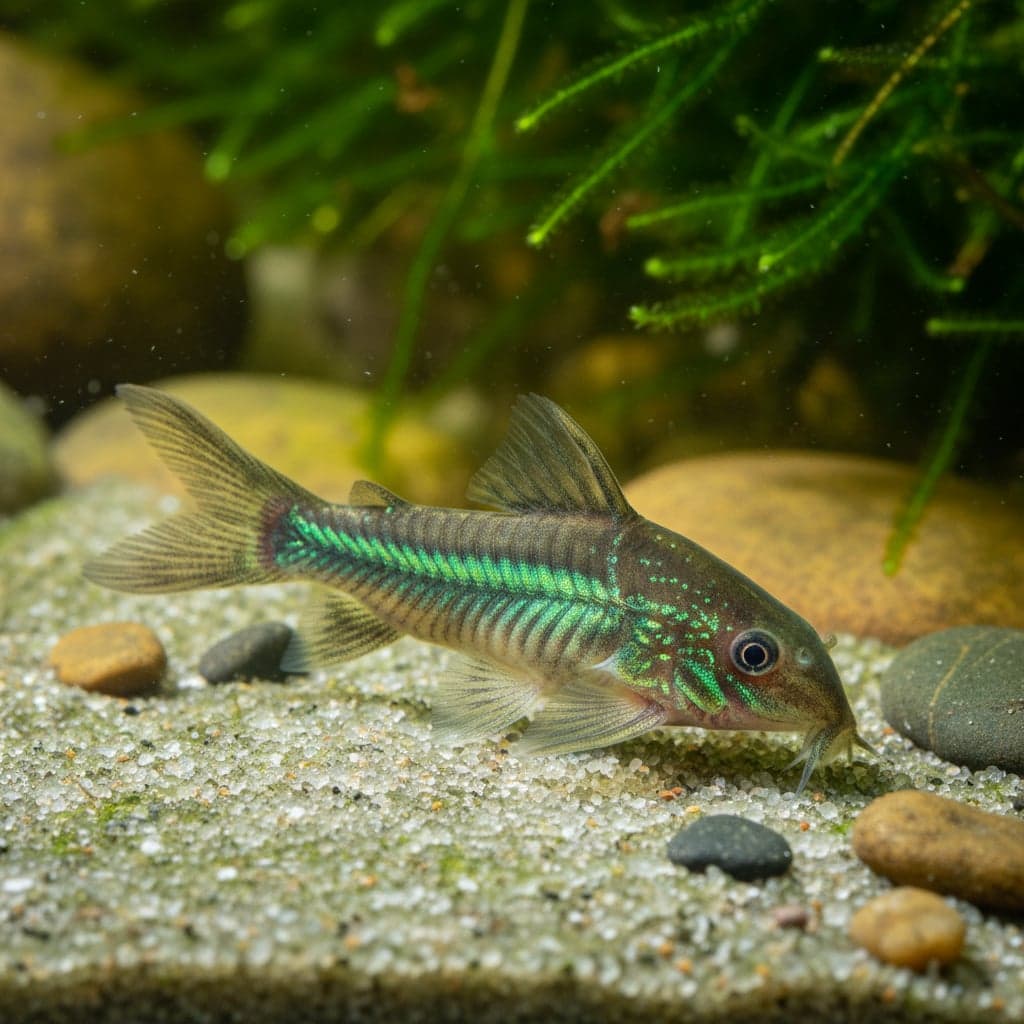
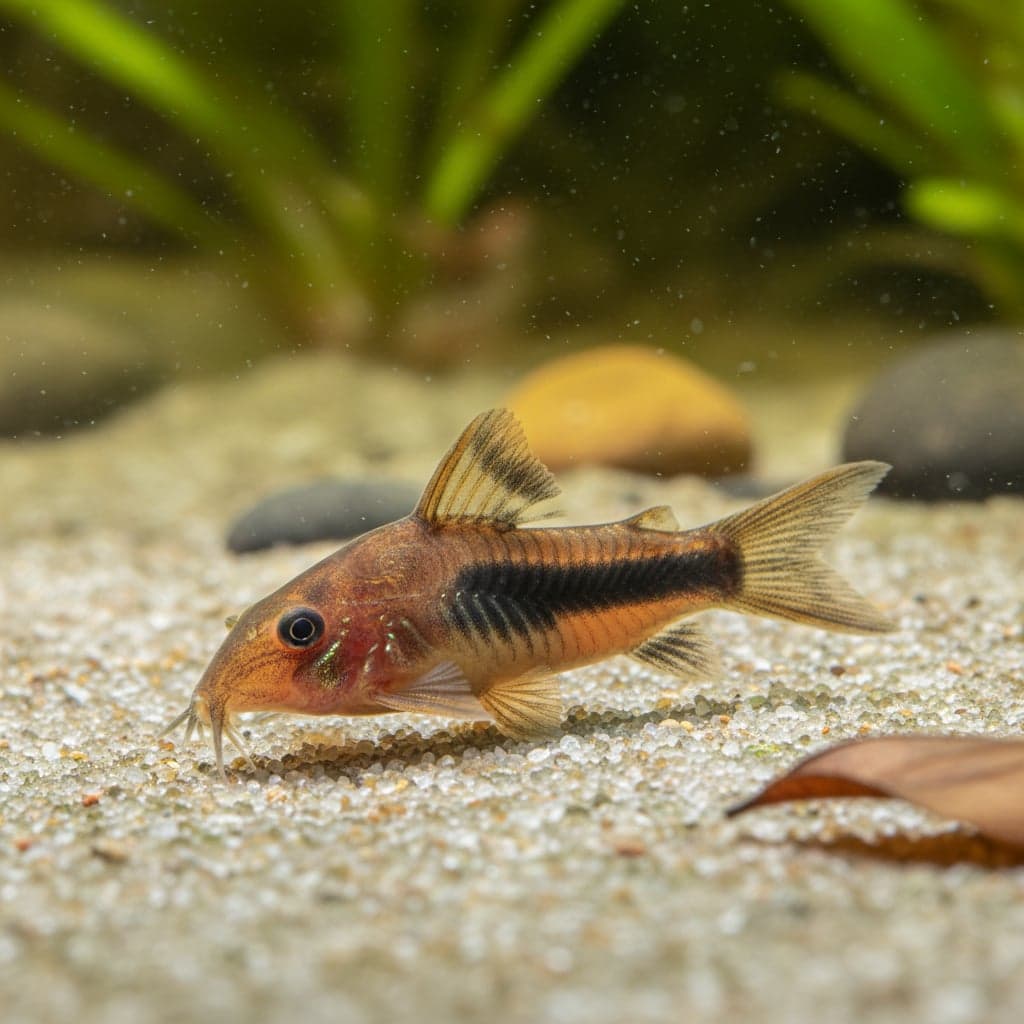
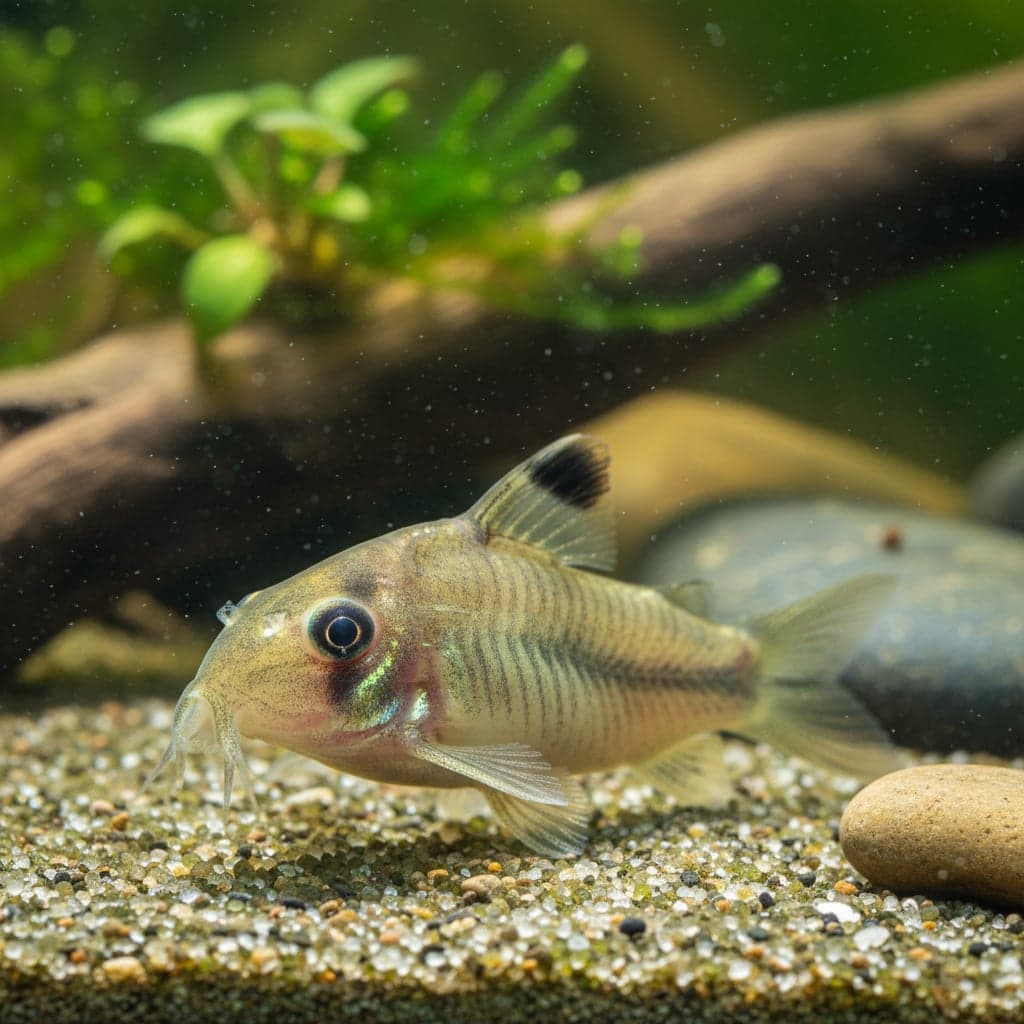
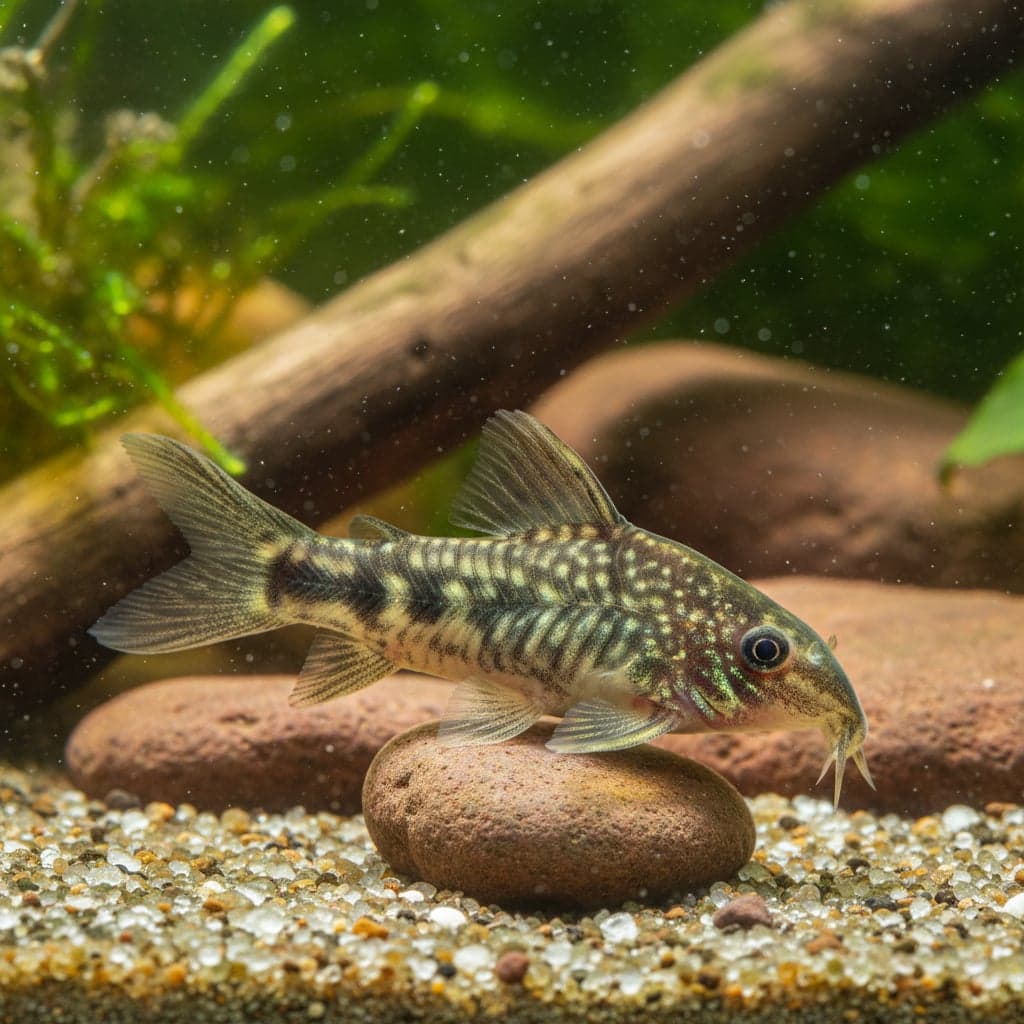
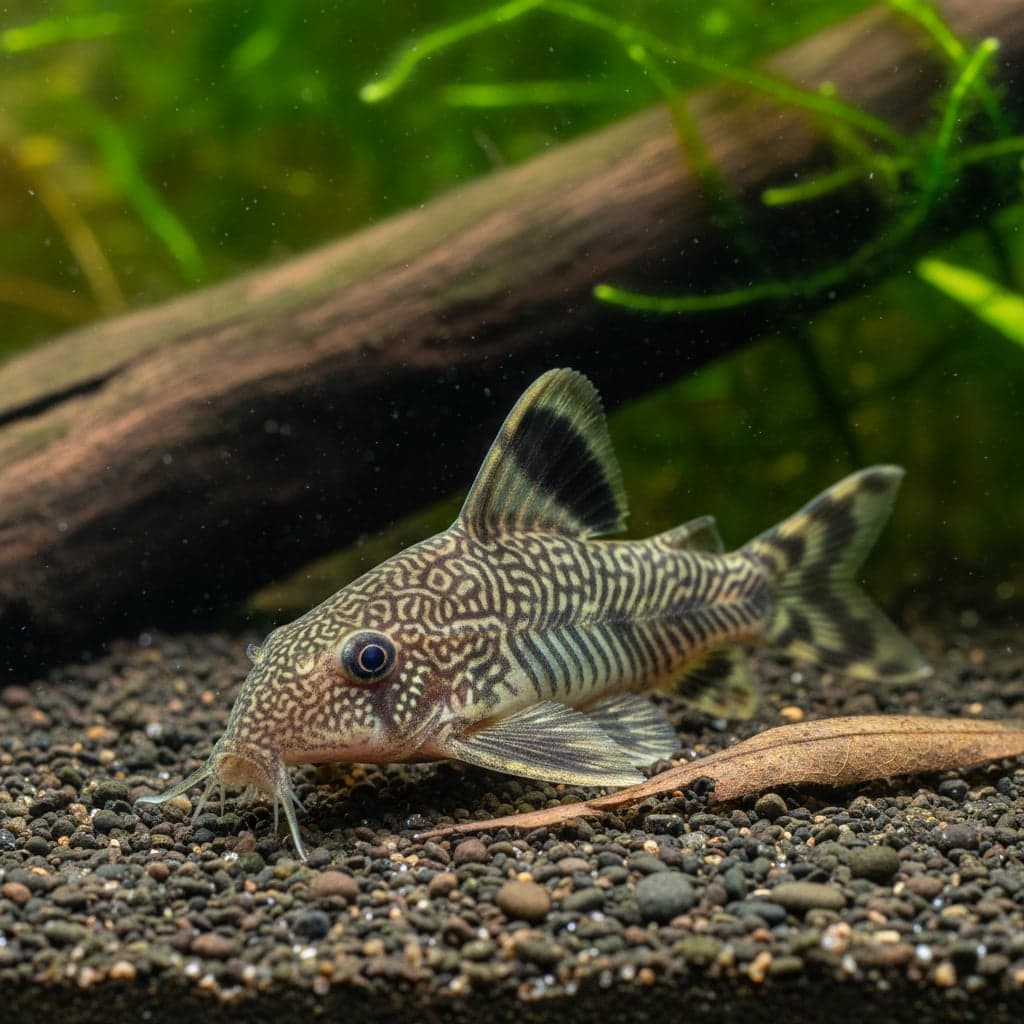
Fowler's Cory, scientifically known as Corydoras fowleri, is a captivating freshwater fish belonging to the family Callichthyidae. This species is celebrated for its striking appearance, featuring a body adorned with a unique pattern of dark spots and a light, iridescent background that can range from tan to pale olive. The contrasting colors and delicate fins contribute to its visual appeal, making it a popular choice among aquarists. Beyond its aesthetics, Fowler's Cory is also a vital addition to aquariums due to its bottom-dwelling nature and scavenging behavior. They play a crucial role in maintaining the cleanliness of the aquarium by consuming uneaten food and debris, thus contributing to the overall health of the tank ecosystem.
In the aquarium hobby, Fowler's Cory holds significant relevance not only for its beauty but also for its adaptability and peaceful temperament. This species is an ideal candidate for community tanks, as it interacts positively with a variety of fish, making it suitable for both novice and experienced aquarists. Recognizing the importance of providing proper care and habitat is essential for ensuring these aquatic jewels thrive in captivity. Their presence in an aquarium not only enhances the aesthetic appeal but also enriches the ecological balance of the tank, making them an indispensable part of many aquarist's collections.
Natural Habitat & Origin
Fowler's Cory is indigenous to the freshwater rivers and streams of the Amazon Basin, particularly in regions associated with Brazil and Peru. In their natural environment, these fish are often found in slow-moving waters rich in organic matter, such as leaf litter and decaying plant material. The waters in which Fowler's Cory resides are typically characterized as blackwater, with high levels of tannins that impart a brownish color to the water while lowering pH levels. This unique habitat is essential for their wellbeing, as it mirrors the conditions they would thrive in when kept in captivity.
The specific environmental context in which Fowler's Cory exists includes dense vegetation and submerged structures that provide ample hiding spots and breeding grounds. These factors contribute to the peaceful and relatively social behavior observed in this species. Understanding their natural habitat is crucial for aquarium keepers, as replicating these conditions in captivity will ensure a healthier and more vibrant fish.
Care Requirements
To maintain the health and happiness of Fowler's Cory, aquarium keepers must provide specific water parameters. Ideal conditions include a pH range of 6.0 to 7.5, a temperature between 72°F and 78°F (22°C to 26°C), and soft to moderately hard water, with hardness levels around 2 to 10 dGH. A well-maintained environment is crucial; regular water changes and quality filtration will help maintain these parameters.
In terms of tank setup, Fowler's Cory thrives in a minimum tank size of 20 gallons, which allows for adequate swimming space and schooling opportunities. A soft substrate such as sand or fine gravel is preferred, as it protects their delicate barbels. Include plenty of hiding spots, such as caves, driftwood, and plants, to mimic their natural habitat. Lighting should be moderate to low, as overly bright conditions can stress these fish. Plant species like Java Fern and Anubias are excellent choices to create a natural, shaded environment.
Diet & Feeding
Fowler's Cory is an omnivorous species, which means their diet consists of both plant and animal matter. In captivity, they thrive on a balanced diet that includes high-quality flake or pellet foods specifically formulated for bottom-dwelling fish. Additionally, offering a variety of frozen and live foods such as brine shrimp, bloodworms, and daphnia will enrich their diet and stimulate natural foraging behaviors. This diverse diet ensures they receive essential nutrients necessary for their overall health and vitality.
It's essential to feed Fowler's Cory small amounts of food multiple times a day rather than a single large feeding. This approach mimics their natural scavenging behavior and helps prevent overfeeding, which can lead to poor water quality and health problems. Monitoring their diet and ensuring that uneaten food is promptly removed from the tank will keep the aquarium clean and optimal for the well-being of all inhabitants.
Behavior & Temperament
Fowler's Cory exhibits a peaceful and friendly demeanor, making them an excellent addition to community tanks. These fish are social creatures and prefer to be in groups of at least six individuals, which encourages natural schooling behavior. They are primarily bottom-dwellers, often found foraging around the substrate during the day. Observing their playful interactions with one another is a delightful aspect of keeping Fowler's Cory in an aquarium.
In terms of aggression, Fowler's Cory is relatively non-aggressive and typically avoids confrontations with other species. They are most often seen swimming near the bottom of the tank but will occasionally venture into the water column, especially during feeding times. Providing ample space and structures for hiding will allow them to display their innate behaviors and feel secure in their environment.
Tank Mates
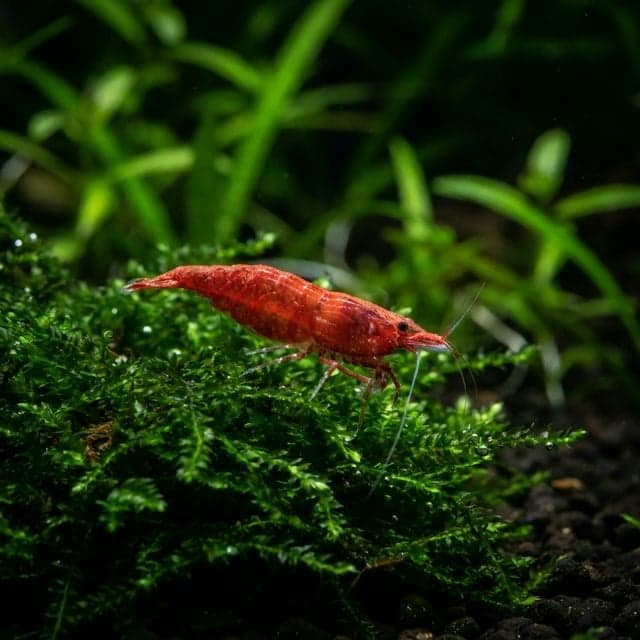
When selecting tank mates for Fowler's Cory, it's important to consider species that share similar environmental requirements and peaceful temperaments. Ideal companions include small to medium-sized, non-aggressive fish like tetras (e.g., Neon Tetra, Rummy Nose Tetra), rasboras, and peaceful cichlids, such as Apistogramma species. Additionally, other types of catfish and shrimp, such as Amano Shrimp and Otocinclus, can also cohabit successfully.
On the contrary, species to avoid include larger, more aggressive fish, such as cichlids that might view Fowler's Cory as prey, or fin-nippers like many types of barbs. Additionally, fish exhibiting territorial behaviors can stress the peaceful Fowler's Cory, leading to health issues. When introducing new species into the aquarium, always monitor interactions to ensure compatibility and harmony among all inhabitants.
Breeding
Breeding Fowler's Cory in captivity can be a rewarding experience, although it may require specific conditions to encourage successful spawning. This species exhibits typical breeding behavior for Corydoras, involving a pre-spawning ritual where females are chased by males. The optimal conditions for breeding include slightly cooler water temperatures (around 70°F to 74°F or 21°C to 23°C), along with soft, slightly acidic water that mimics their natural habitat.
To facilitate spawning, it is beneficial to provide spawning sites such as flat surfaces, such as broad-leaved plants or spawning mats made of marbles or tiles. Once the female feels secure, she will lay eggs on these surfaces, which the males will fertilize. After spawning, the adult fish should be removed from the breeding tank to prevent them from eating the eggs. With proper care, the eggs will hatch within a few days, and the fry will require finely crushed flake food or specialized fry food for healthy development.
Common Health Issues
While generally healthy, Fowler's Cory can be susceptible to certain health issues, particularly those associated with poor water conditions. Common diseases include ich (white spot disease), fin rot, and bacterial infections. Maintaining optimal water quality through regular testing and maintenance can significantly reduce the risk of these ailments.
Preventative measures include quarantining new fish before introducing them to the tank and ensuring proper acclimatization to reduce stress levels. Providing a balanced diet, adequate hiding spots, and avoiding overcrowding will also play crucial roles in keeping Fowler's Cory healthy. Regular monitoring for any signs of illness—such as white spots, reddened barbels, clamped fins, or labored breathing—allows early treatment before problems spread. Soft sand, gentle filtration, and a varied sinking diet further support immunity. Quarantine newcomers and keep ammonia and nitrite at zero with scheduled partial water changes. Avoid sharp gravel that damages whiskers. With stable parameters and a proper school, Fowler's Corys remain playful, hardy bottom dwellers that enrich peaceful community aquariums for years.