Frogmouth Catfish: Chaca chaca
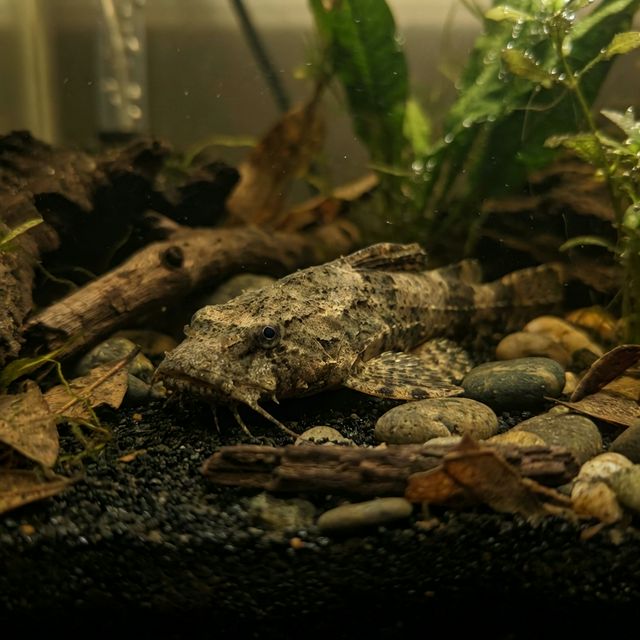
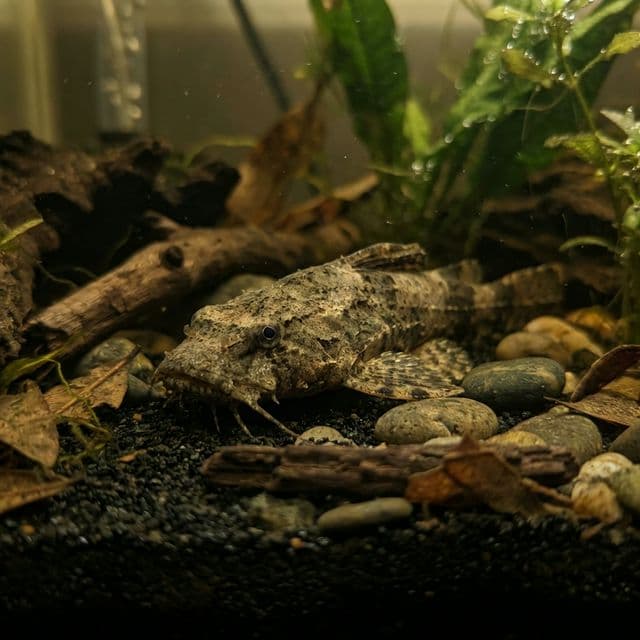
One of the weirdest fish in the hobby. Resembles a dead leaf and has a huge mouth for ambush feeding.
Frogmouth Catfish
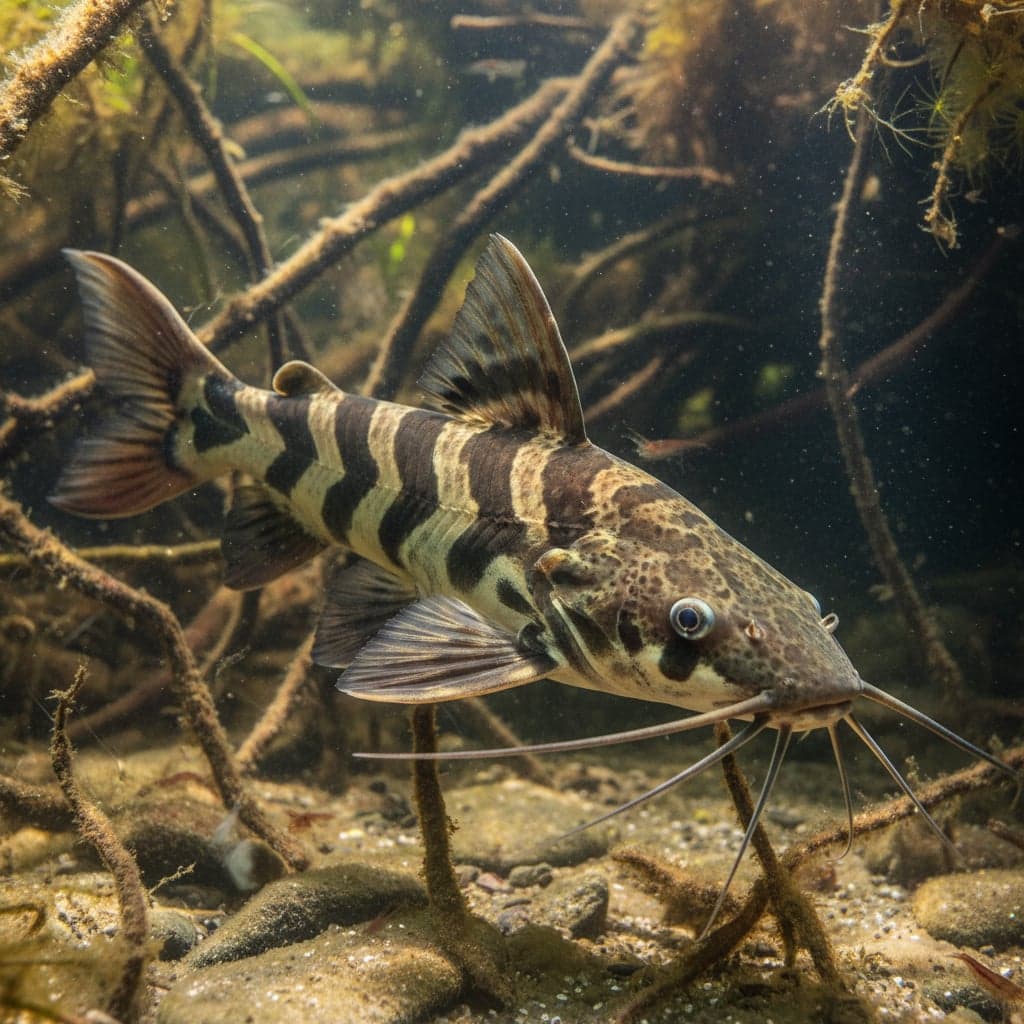
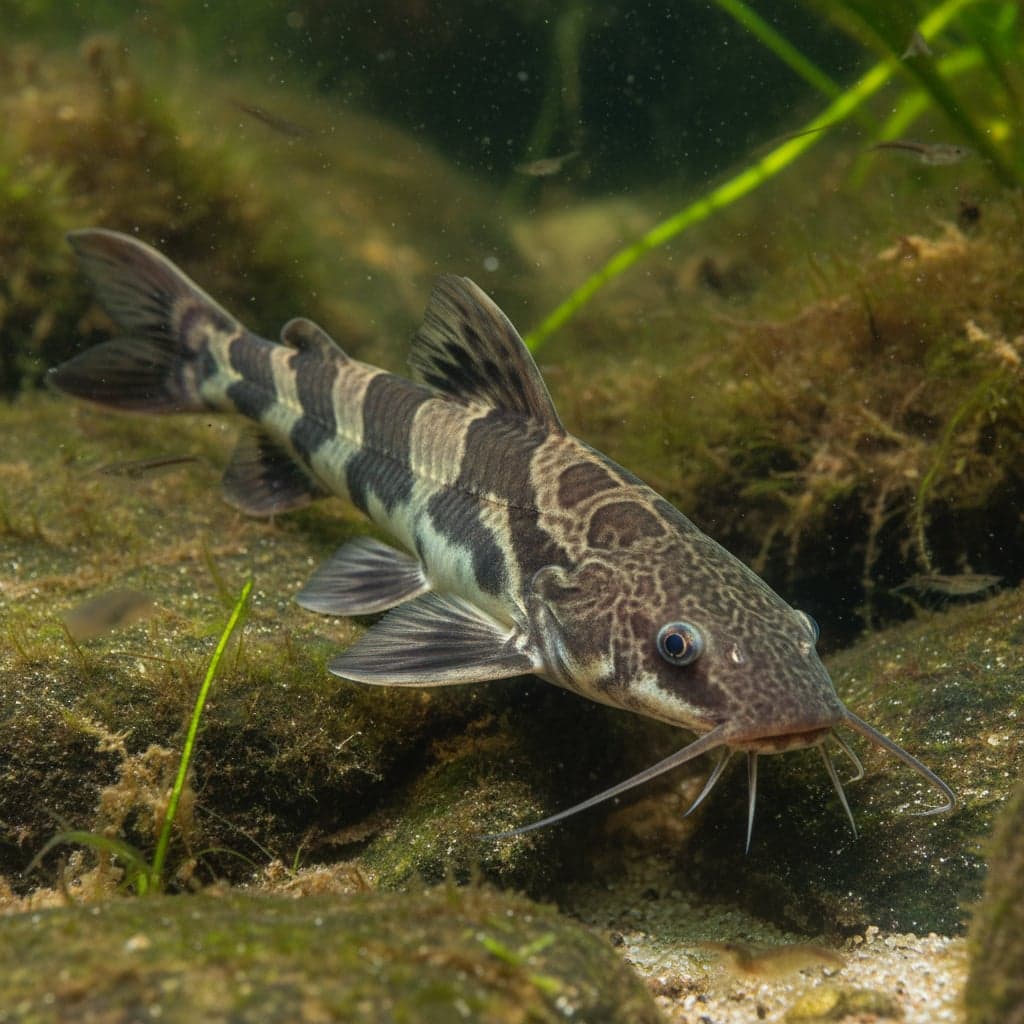
The Frogmouth Catfish, scientifically known as Chaca chaca, is an intriguing species that captures the imagination of aquarists and fish enthusiasts alike. Resembling an otherworldly creature with its flattened body and broad, exaggerated mouth, this freshwater fish stands out in any aquarium setting. The Frogmouth Catfish showcases a unique blend of earthy colors—primarily browns and greens—which helps it blend seamlessly into its natural environment, making it not just a captivating species to observe, but also a versatile addition to a biotope aquarium. Its remarkable morphology enables it to thrive in various aquatic setups, highlighting its importance within the aquarium hobby.
In the context of the aquarium trade, the Frogmouth Catfish has garnered attention due to its unusual appearance and relatively low maintenance requirements. Unlike many popular aquarium fish, it offers both visual appeal and a sense of novelty that diversifies a tank's ecosystem. As a bottom-dwelling species, it plays an essential ecological role, scavenging and contributing to the overall balance in a community tank. This species embodies the fascination that many aquarists have with lesser-known fish, bridging the gap between aesthetic beauty and ecological relevance.
Natural Habitat & Origin
The Frogmouth Catfish is originally found in the river systems of South America, particularly in the basins of the Amazon River. This environment is characterized by slow-moving waters rich in organic matter, often classified as blackwater. The waters where Chaca chaca resides often have a brownish tint due to high concentrations of tannins leached from decomposing plant material. These conditions create a unique habitat that is both shaded by dense vegetation and laden with leaf litter, providing ample hiding spots for this nocturnal species. The ecological conditions of its natural setting play a significant role in the care and habitat preferences of the Frogmouth Catfish.
In the wild, these fish inhabit areas where they can easily camouflage, thanks to their broad, flat bodies and muted coloration. This natural behavior serves as a crucial adaptation for evading predators while allowing them to ambush potential prey. The intricate dynamics of their environment not only shape their survival mechanisms but also underscore the importance of replicating such conditions in captivity to ensure the health and well-being of the Frogmouth Catfish.
Care Requirements
Caring for the Frogmouth Catfish requires attention to several key water parameters. Ideally, the water temperature should be maintained between 24°C to 28°C (75°F to 82°F), with a pH range of 5.5 to 7.0. Soft to moderately hard water, with a hardness level of around 2 to 12 dGH, is preferred. Proper filtration is essential to maintain water quality, but it should not create excessive current, as this species prefers calm waters.
In terms of tank setup, a minimum tank size of 75 gallons is recommended, allowing ample space for this sizeable fish to thrive. The substrate should consist of fine gravel or sand to mimic its natural environment, and the use of driftwood and leaf litter can enhance both aesthetics and comfort. Lighting should be subdued, as Frogmouth Catfish prefer dimly lit conditions; using floating plants can achieve this effect while providing cover. Incorporating hiding spots and plant structures will enable the catfish to feel secure, thereby fostering a closer resemblance to its natural habitat.
Diet & Feeding
The Frogmouth Catfish is primarily carnivorous, although it exhibits some omnivorous tendencies. In captivity, it thrives on a diet that includes high-quality pellets or flakes designed for carnivorous species, as well as supplementing with protein-rich frozen foods such as bloodworms, brine shrimp, and daphnia. Live food can also be offered occasionally, enhancing its natural hunting instincts and providing nutritional variety. It is essential to ensure that food particles are small enough for the fish to consume easily, given its wide, flattened mouth and feeding style.
Regular and varied feeding will promote optimal health and coloration in the Frogmouth Catfish. Fish keepers should foster a feeding schedule that takes into account the catfish's nocturnal habits, often providing food in the evening when it is most active.
Behavior & Temperament
The Frogmouth Catfish is known for its relatively peaceful disposition, particularly in the context of community tanks. However, it is essential to understand that these fish are primarily solitary creatures. They exhibit a degree of shyness, preferring to establish territories and remain tucked away among vegetation and substrate. While they do not display aggressive behavior towards tank mates, there may be exceptions if they feel threatened or stressed.
As bottom dwellers, Frogmouth Catfish typically remain at the substrate level but can occasionally be seen mid-water during feeding times. They benefit from a well-structured environment, allowing them to explore their surroundings and instilling a sense of security. When establishing a community aquarium, ensuring that ample space and hiding spots are available will alleviate territorial disputes and promote a harmonious environment.
Tank Mates
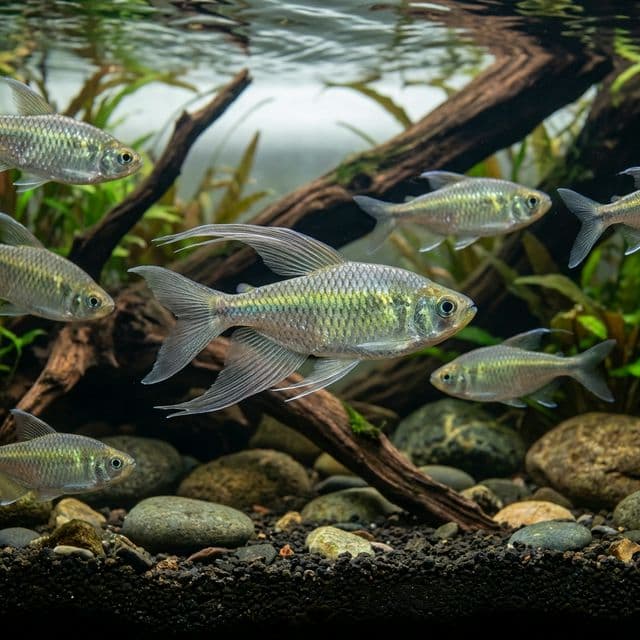
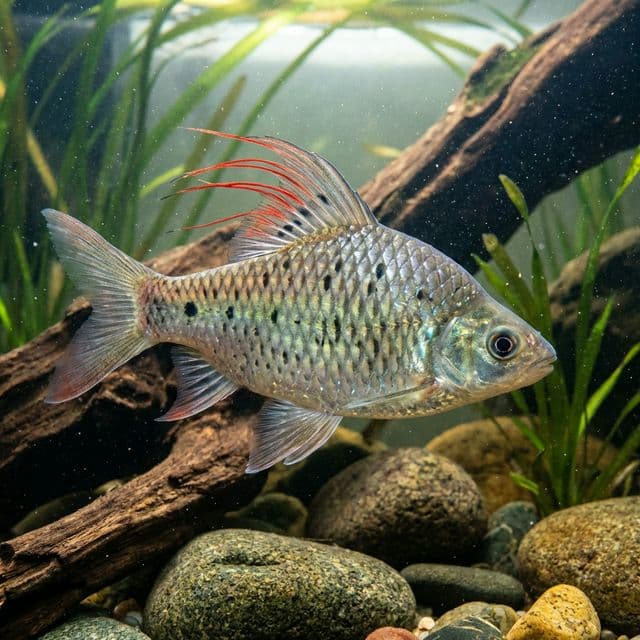
When selecting tank mates for the Frogmouth Catfish, it is crucial to consider the species' temperament and environmental needs. Compatible tank mates include community species such as tetras, rasboras, and certain types of barbs that thrive in similar water conditions. Additionally, peaceful bottom dwellers like Corydoras and Ancistrus (Bristlenose Plecos) can coexist without issue.
Conversely, tank mates to avoid include aggressive fish such as cichlids or larger, predatory species that may view the Frogmouth Catfish as prey. Rapidly swimming and boisterous fish can also disturb the shy nature of this catfish, leading to stress. In a well-planned community tank, emphasizing peace and space will ensure a successful living arrangement for the Frogmouth Catfish and its companions.
Breeding
Breeding the Frogmouth Catfish in captivity presents a unique challenge, as these fish are not commonly bred in aquarium settings. Spawning typically occurs in dimly lit conditions resembling their natural habitats. Males initiate a courtship display, leading to selection of suitable breeding sites, usually amidst softer substrates or hiding spots. Successful breeding requires stable water parameters, with a slightly acidic pH and temperatures maintained around 25°C to 28°C (77°F to 82°F).
Once a suitable environment is established, females may lay a cluster of eggs that males fertilize. Parental care is minimal; adult fish should be removed after spawning to prevent egg predation or cannibalism. Raising the fry can prove challenging, as they require small food such as infusoria initially, transitioning to finely crushed flakes or powdered fry food as they develop.
Common Health Issues
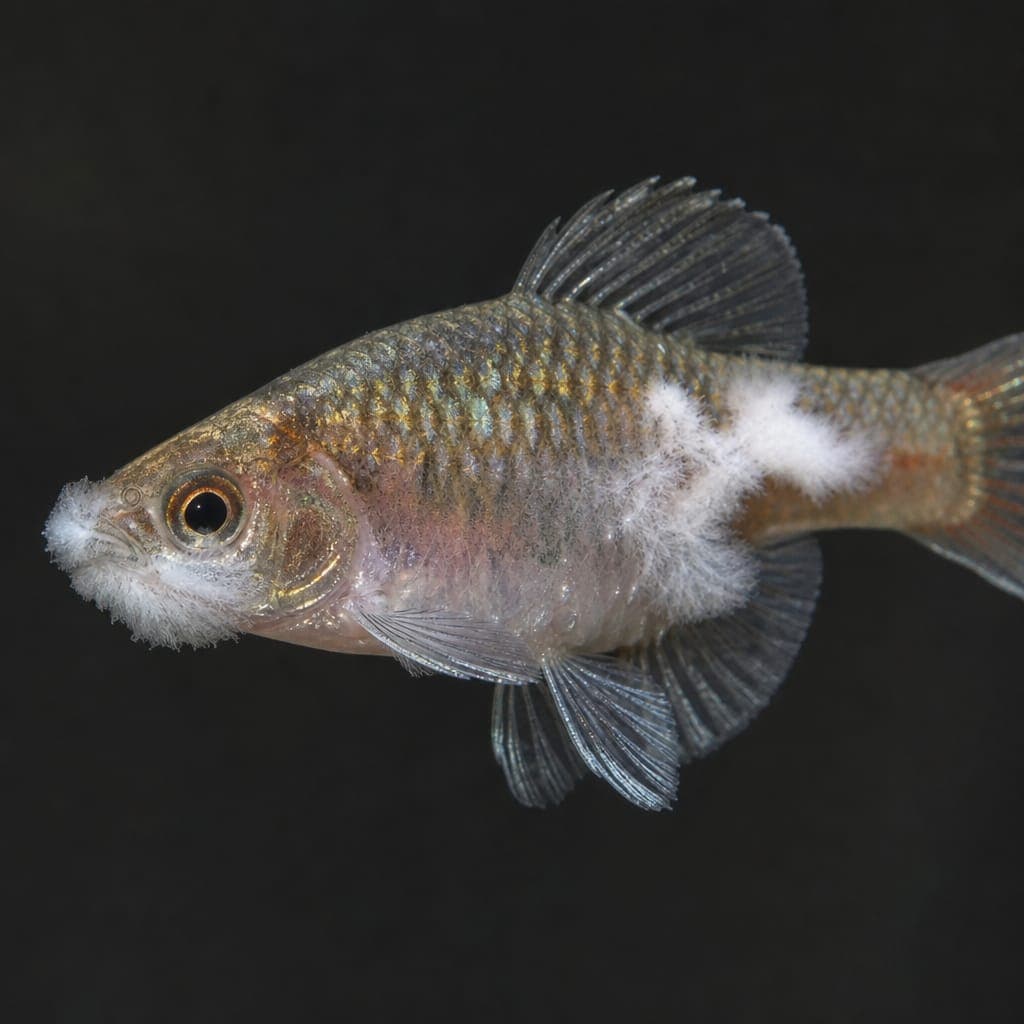
The Frogmouth Catfish is generally hardy, but like all aquarium species, it can be susceptible to certain health issues. Common ailments include ich (ichthyophthirius multifiliis), bacterial infections, and fungal diseases that can occur due to poor water quality or stress. To prevent these diseases, maintaining optimal water conditions with regular water changes and a well-cycled filter system is essential.
Aquarists should remain vigilant for signs of illness, including changes in behavior, appetite loss, or visible signs of stress. Quarantining new fish before introducing them into the main tank can also help prevent the spread of potential pathogens. Regular observation and proactive care will ensure a thriving and healthy environment for the Frogmouth Catfish.