Fuller's Cory: Corydoras fulleri
A rare corydoras species. Peaceful bottom-dwelling shoaler.

Fuller's Cory
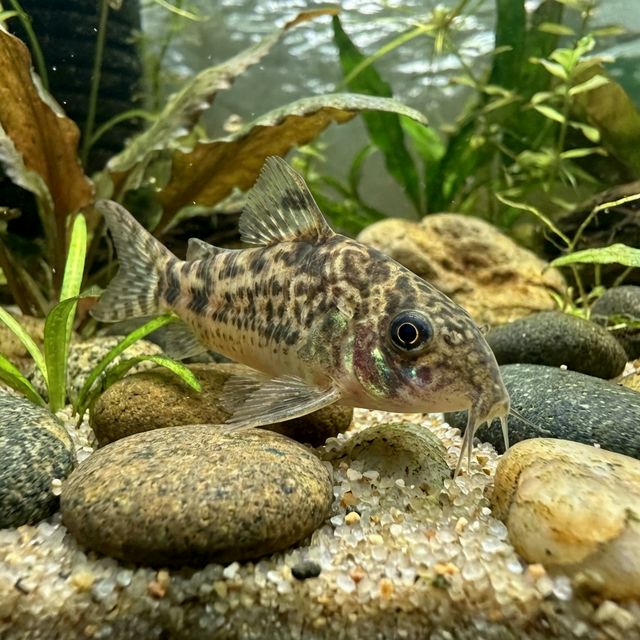
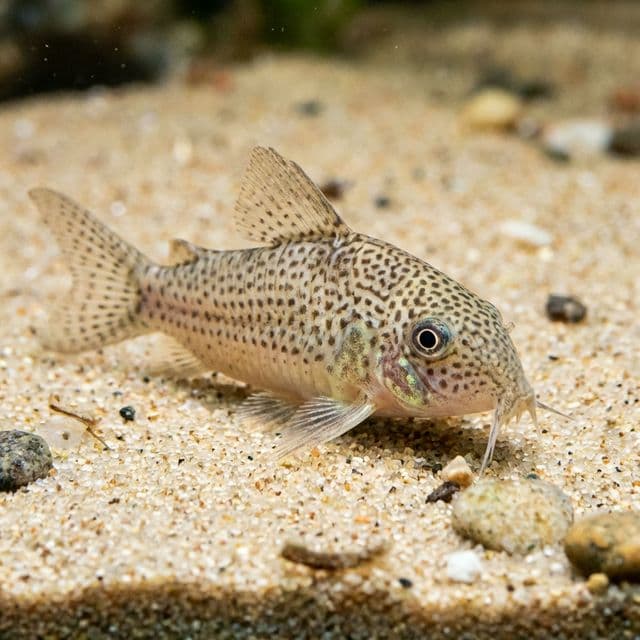
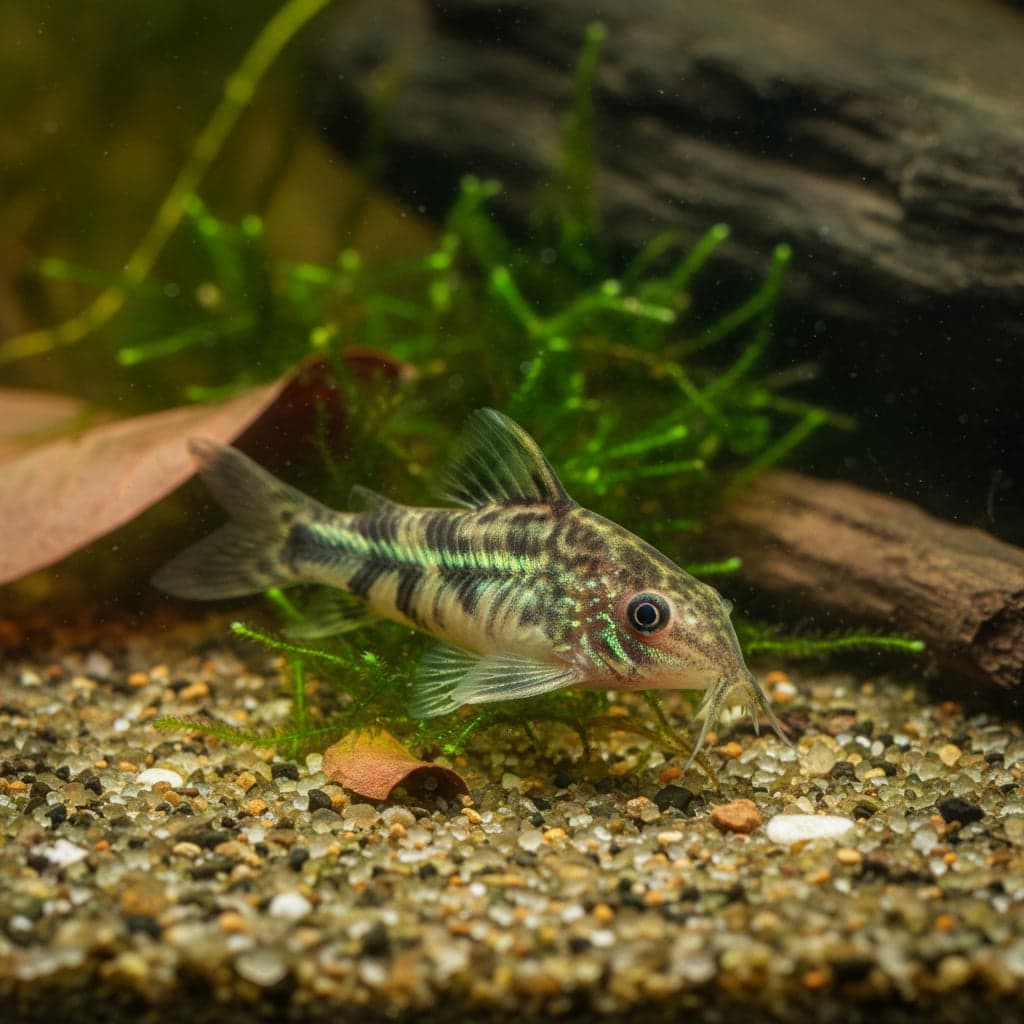
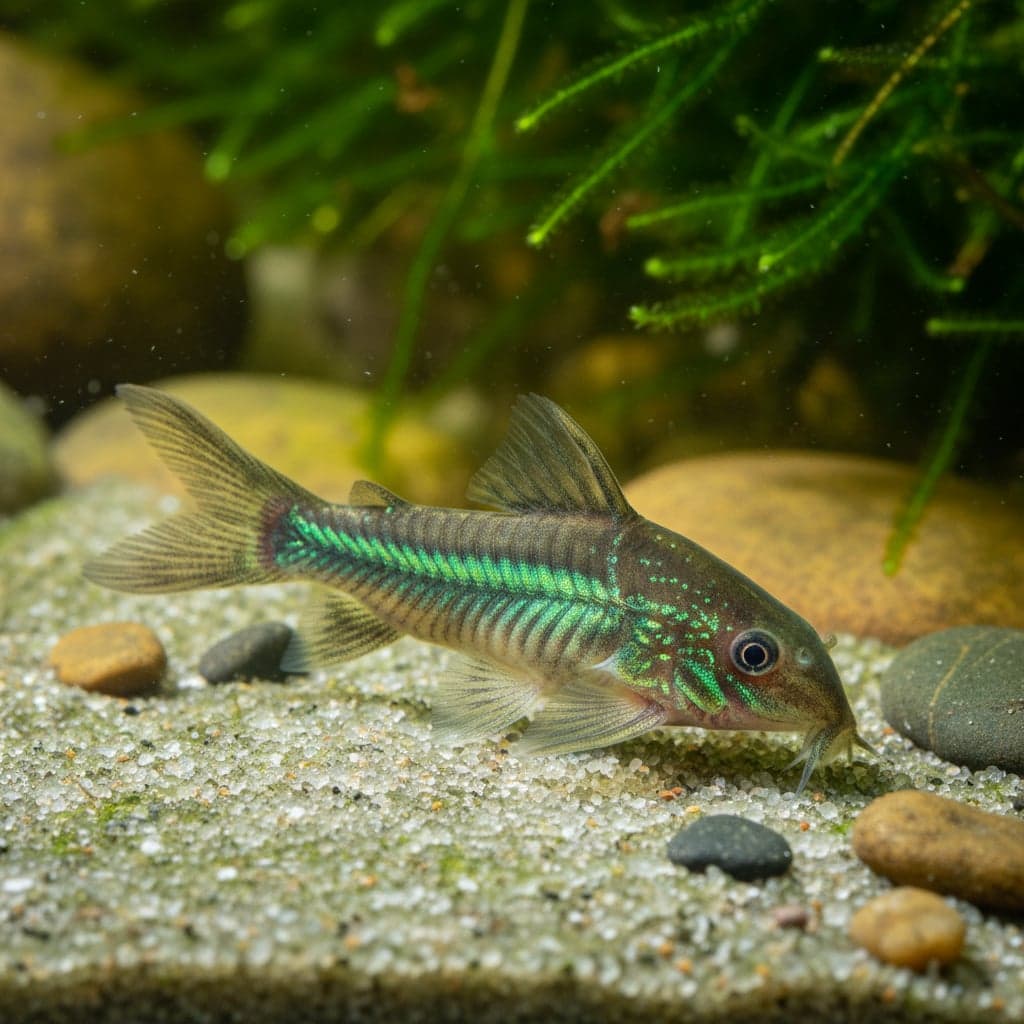
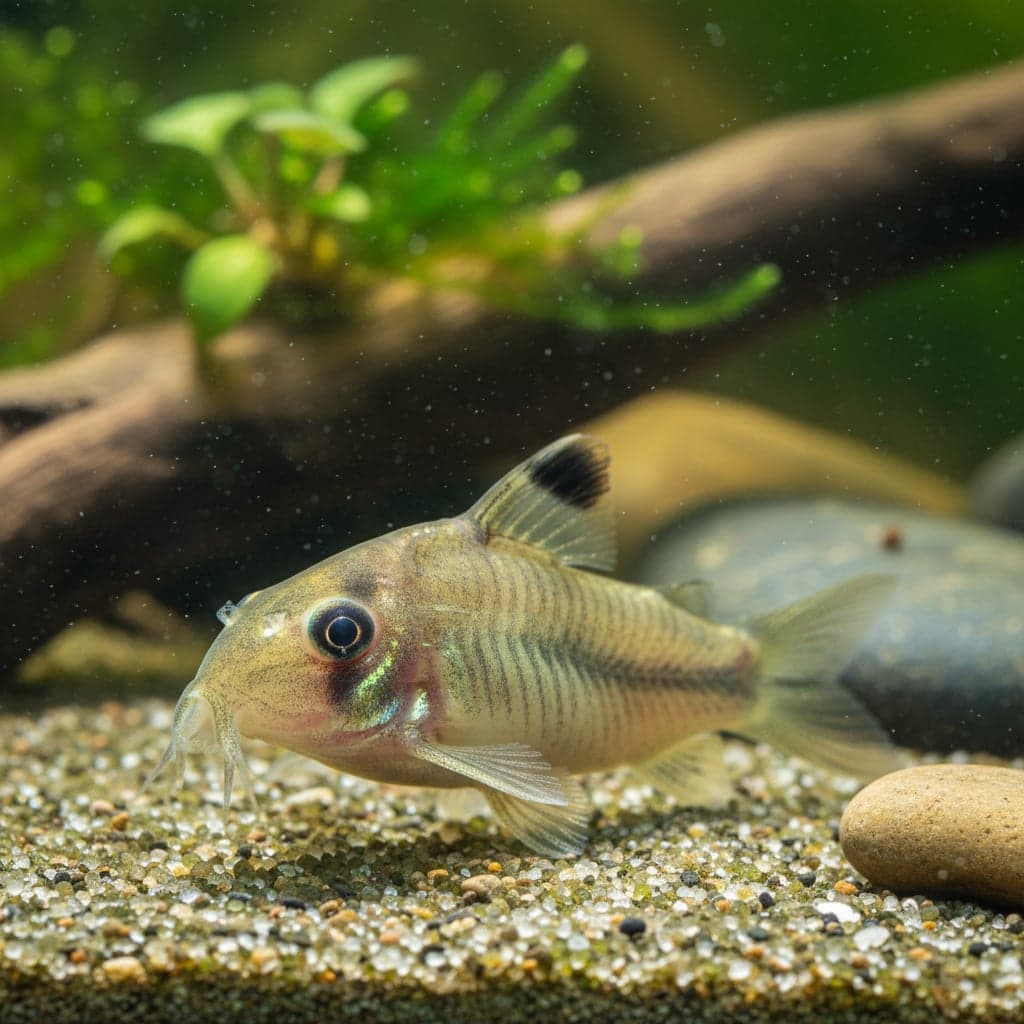
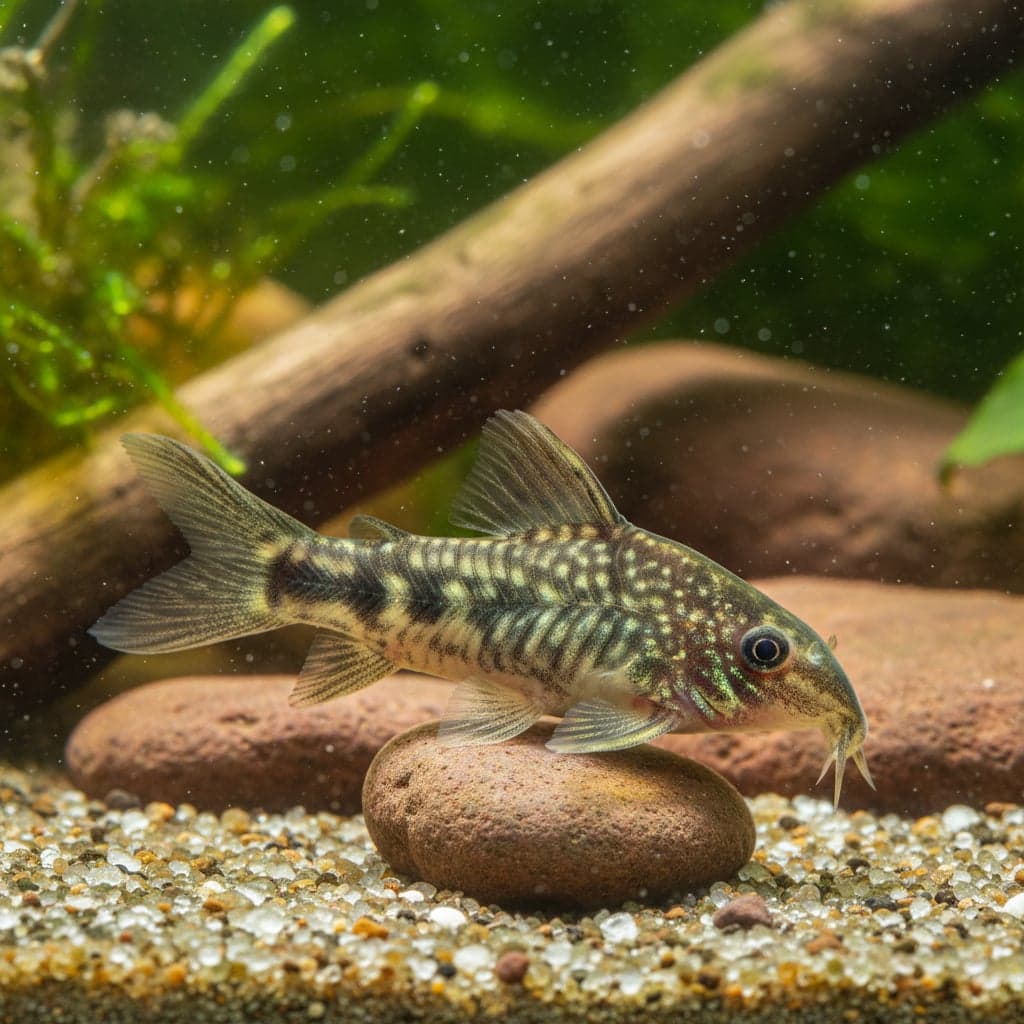
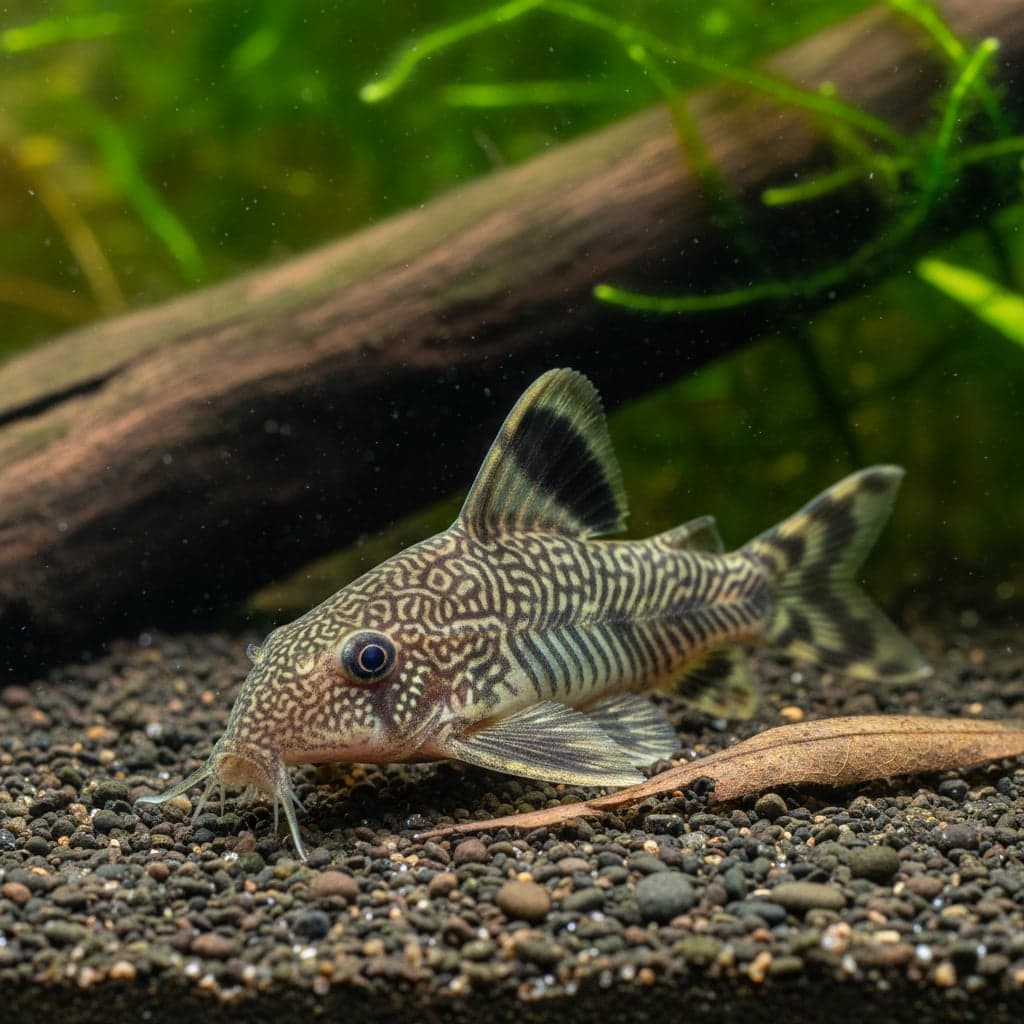
Fuller's Cory, scientifically known as Corydoras fulleri, is an enchanting species of catfish that has captured the hearts of aquarists worldwide. This small, peaceful fish showcases a distinctive appearance characterized by its striking pattern of delicate spots and hues that range from olive to golden-tan, lending an attractive display to any aquarium setup. Known for their charming behavior, Fuller's Cory often exhibits fascinating interactions with tank mates, making them a popular choice among both novice and experienced aquarium enthusiasts. Their ability to thrive in various community tank configurations adds another layer of appeal, ensuring they remain a staple in aquatic ecosystems.
In the aquarium hobby, Fuller's Cory holds a significant role not just because of its visual prominence but also due to its excellent scavenging habits. They naturally inhabit the bottom of tanks, tirelessly foraging for leftover food, which can help keep the aquarium clean. Their active nature and sociable demeanor make them a delightful addition to a well-planned aquarium environment, fostering a lively atmosphere while simultaneously promoting a balanced ecosystem. With their captivating charm and low maintenance care requirements, Fuller's Cory embodies the perfect fusion of beauty and practicality, appealing to all levels of aquarium caretakers.
Natural Habitat & Origin
Fuller's Cory originates from the lush waters of the Amazon Basin, specifically found in regions of Brazil and Peru. These fish thrive in soft, acidic waters often characterized by blackwater conditions—dark, tannin-stained waters resulting from decaying plant matter and organic material. This specific habitat features slow-moving streams and creeks that are rich in vegetation, where the water is densely shaded. Such environments provide Fuller's Cory with ample hiding spots amidst leaf litter, roots, and submerged vegetation, which are crucial for their survival and comfort.
In their natural habitat, Fuller's Cory demonstrates a preference for slow-moving areas that offer a well-structured environment. The water parameters here usually consist of low pH levels, typically ranging from 6.0 to 7.0, with soft water hardness. The ecological characteristics of their habitat not only influence their behavior and feeding patterns but also underline the importance of replicating similar conditions in captivity for ensuring their health and longevity.
Care Requirements
When keeping Fuller's Cory, it's essential to provide optimal care tailored to their specific needs. The water parameters should ideally maintain a pH range of 6.0 to 7.0, with temperatures between 72°F to 78°F (22°C to 26°C). Additionally, the water hardness should be kept soft, ideally around 2-10 dGH. These conditions mimic their natural habitat and promote overall health and well-being.
In terms of tank setup, a minimum tank size of 20 gallons is recommended to accommodate a small school of Fuller's Cory, ideally keeping them in groups of 4 to 6 or more to ensure they feel secure. The substrate should be soft, such as fine sand or rounded gravel, to prevent damage to their sensitive barbels. Providing plenty of hiding spots through rocks, driftwood, and live plants will not only enhance aesthetic appeal but also create a comfortable environment. Moderate lighting is ideal, as it reflects their natural habitat, although some shaded areas can help reduce stress. Regular water changes and proper filtration are crucial, ensuring a clean and stable environment conducive to their health.
Diet & Feeding
Fuller's Cory is an omnivorous species, showcasing a broad diet that encompasses both plant and animal matter. In their natural setting, they consume a mixture of detritus, benthic microorganisms, and decaying plant materials, alongside small invertebrates. To replicate a balanced diet in captivity, it is recommended to offer a variety of foods, including high-quality sinking pellets specifically designed for bottom-feeders, as well as flakes and granules that can be consumed from the water's surface.
Supplementing their diet with frozen or live foods such as bloodworms, brine shrimp, and daphnia provides additional nutrition and fosters natural foraging behavior. Offering occasional vegetable-based foods, such as blanched zucchini or spinach, can also enhance their dietary diversity. It's important to ensure all food is consumed relatively quickly to prevent water quality degradation, further emphasizing the need for regular monitoring and care of their dietary habits.
Behavior & Temperament
Fuller's Cory is renowned for its peaceful nature, making it an outstanding addition to community tanks. They are social creatures that thrive in groups, often displaying delightful schooling behavior as they explore the aquarium environment. Typically residing at the bottom levels of the tank, Fuller's Cory enjoys rummaging through substrate and foraging for food, thereby fostering an active and lively display.
In terms of aggression, Fuller's Cory exhibits a calm temperament and presents no threat to tank mates, which makes them suitable for a variety of community settings. However, it is crucial to maintain a gentle flow of water to keep them within their preferred zones, promoting comfortable behavior. As a bottom-dwelling fish, Fuller's Cory will occupy lower to mid-level areas of the aquarium, where they find security among decorations and plants.
Tank Mates
Fuller's Cory is best kept in a community aquarium with other peaceful species that share similar water requirements. Suitable tank mates include small tetras (such as neon tetras or ember tetras), other corydoras species, rasboras, and peaceful dwarf cichlids like apistogrammas. Additionally, small barbs and various species of livebearers can coexist harmoniously.
Conversely, it is advisable to avoid larger, aggressive species that may pose a threat to the tranquility of the aquarium, such as cichlids known for territorial behavior or any fin-nipping species like certain types of barbs or tiger barbs. Ensuring compatibility in tank mates will contribute positively to the overall environment, allowing Fuller's Cory to thrive alongside their companions.
Breeding
Breeding Fuller's Cory is an exciting endeavor for any aquarist, though it may require some specific conditions to encourage spawning behavior. These fish typically prefer slightly cooler temperatures, around 70°F to 72°F (21°C to 22°C), and need a well-maintained spawning environment. The inclusion of spawning mops or fine-leaved plants offers suitable locations for depositing eggs.
Spawning usually occurs at dawn or dusk, where the female typically lays adhesive eggs on the leaves of plants or substrate. Male Fuller's Cory will exhibit courtship behavior, swimming around the female and nudging her to encourage the release of eggs. After spawning, it is advisable to separate the adults from the eggs, as they may consume them. Careful monitoring of water quality and providing appropriate conditions will enhance success rates for breeding in captivity.
Common Health Issues
While Fuller's Cory generally enjoys good health when kept in optimal conditions, they can be susceptible to several common diseases. Conditions such as ich (white spot disease), fin rot, and bacterial infections can arise if water quality is poorly maintained or if fish are subjected to stress. To mitigate these risks, ensure a stable environment through regular water changes, quality filtration, and careful monitoring of water parameters.
Additionally, routine observation of behavior and physical appearance can aid in early detection of any health issues. If any symptoms are noted, such as scratching against objects, changes in feeding habits, or visible lesions, prompt action should be taken. This may include adjusting water parameters, improving tank conditions, or seeking veterinary advice specific to freshwater fish to resolve stubborn cases. Quarantine new arrivals and keep the substrate soft and clean so barbels never abrade. Maintain excellent oxygenation and avoid long cold spells that leave Corydoras prone to bacterial infections. Watch for white spots, frayed fins, flashing, or eroded barbels, and treat early with aquarium-safe medications. A group of six or more, varied sinking foods, and stable parameters keep Fuller's Corys active, social bottom dwellers for years.