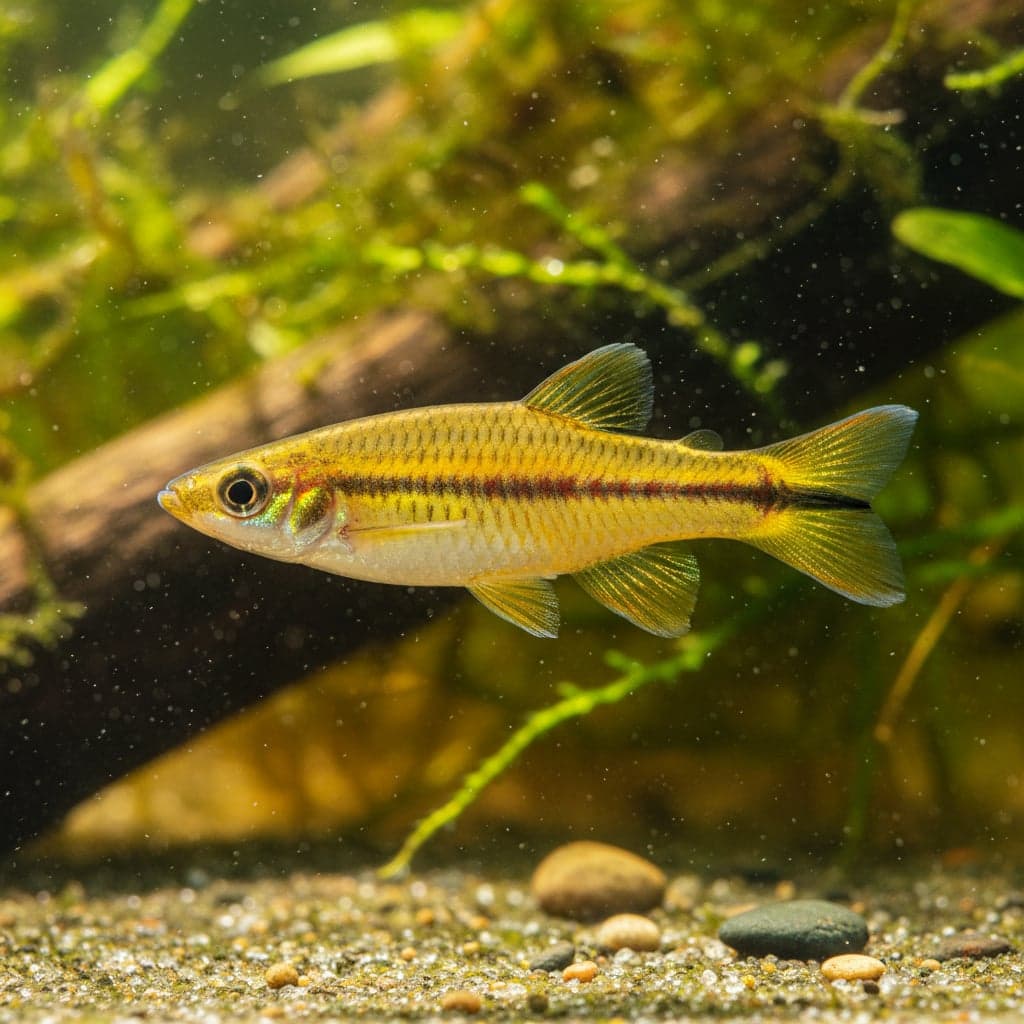
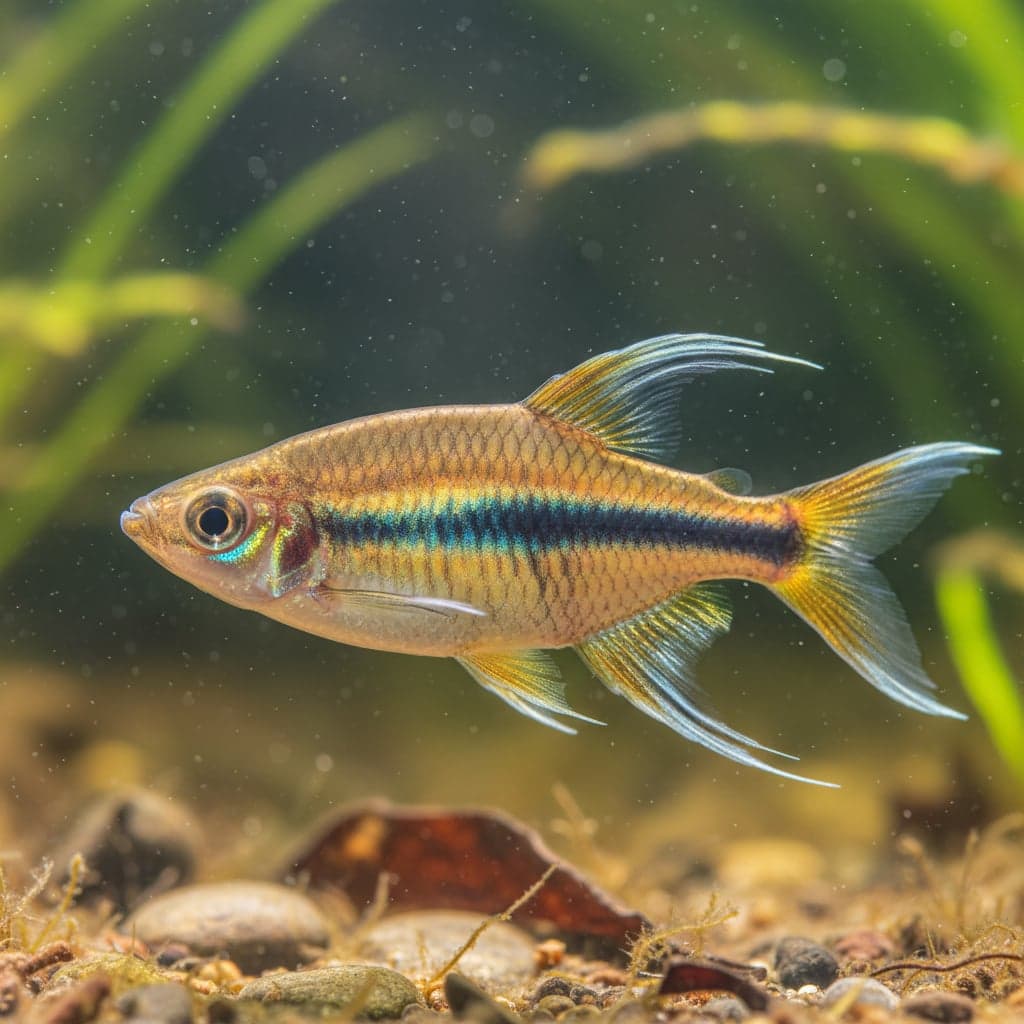
Golden-eyed Dwarf Cichlid
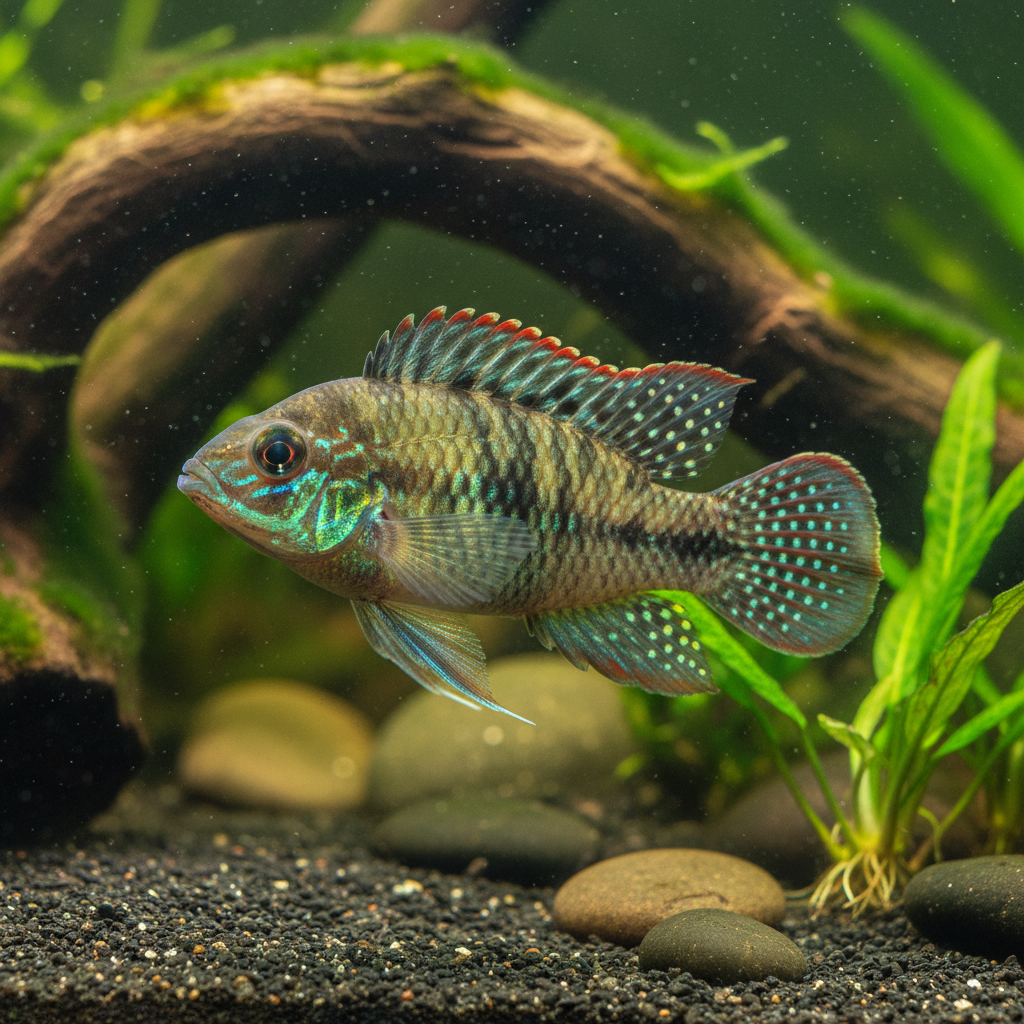
The Golden-eyed Dwarf Cichlid (Nannacara anomala) is a resilient and beautiful South American species, known for the male's metallic bronze-green scales and the female's dramatic checkerboard brooding pattern.
Golden-eyed Dwarf Cichlid
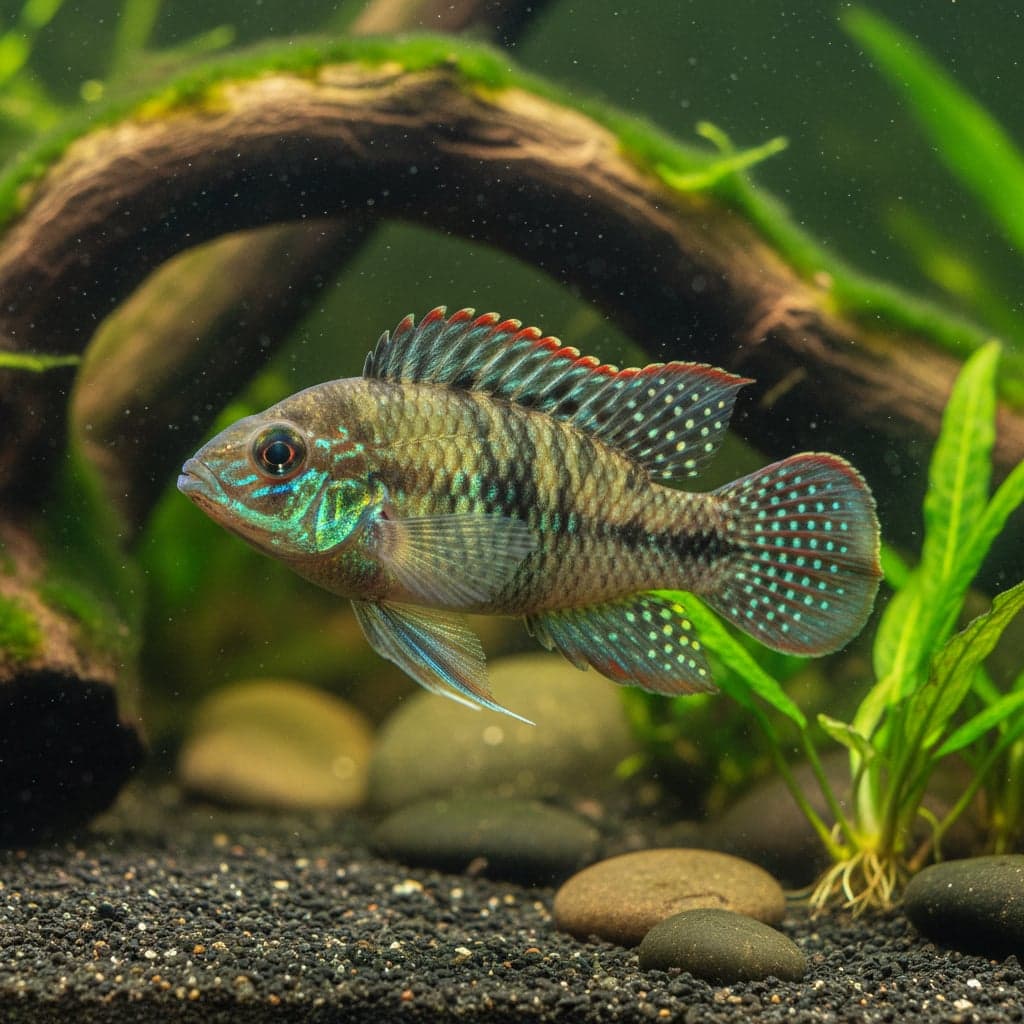
The Golden-eyed Dwarf Cichlid (Nannacara anomala) is a small but incredibly charismatic cichlid from the Guiana Shield region of South America. It is a sexually dimorphic species with a fascinating behavioral profile. Males are significantly larger, growing to about 3 inches (7-8 cm), and display a brilliant metallic bronze or green iridescence across their body, accented by large, expressive golden eyes.
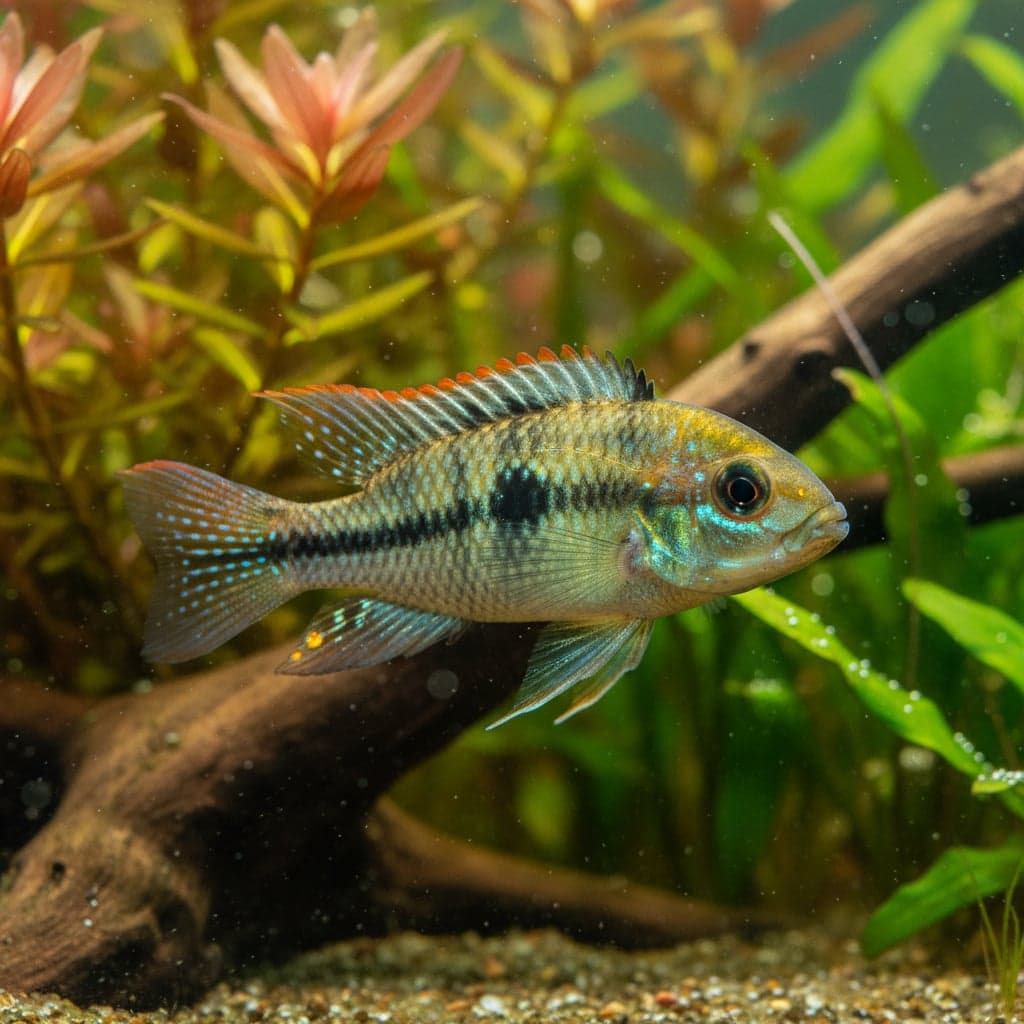
Females are smaller and typically a drab yellowish-brown, but they possess a remarkable ability to change color near-instantly. When breeding or guarding fry, the female develops a striking dark "checkerboard" pattern that serves as a warning to intruders.
Natural Habitat & Origin
This species originates from the coastal rivers and flooded wetlands of Guyana, Suriname, and French Guiana. They inhabit slow-moving or stagnant waters, often in the shade of dense rainforest canopies. Their natural environment is filled with leaf litter, submerged roots, and fallen branches, which provide the soft, slightly acidic, and tannin-rich water they prefer.
Care Requirements
The Golden-eyed Dwarf Cichlid is one of the hardier dwarf cichlids, making it a good choice for those transitioning into keeping cichlids. It requires a pH between 6.0 and 7.5, a temperature of 72°F to 79°F (22°C to 26°C), and soft to moderately hard water.
A minimum of 75 litres (20 gallons) is sufficient for a pair of these 7cm Nannacara — room for caves and a retreat when the female turns fiercely territorial over fry. The tank setup should include a sand or fine gravel substrate and, most importantly, plenty of caves—using coconut shells, small flowerpots, or driftwood. Densely planting the aquarium will also help mimic their natural habitat and provide security for the fish.
Diet & Feeding
In their natural habitat, they are omnivores that forage for small insects, crustaceans, and organic detritus. In the aquarium, they are not fussy eaters and will readily accept high-quality flakes and pellets. However, to bring out their best color and ensure success in breeding, their diet should be supplemented with live or frozen foods like brine shrimp, bloodworms, and daphnia.
Behavior & Temperament
Generally, the Golden-eyed Dwarf Cichlid is peaceful and can be kept in a community tank. However, they are territorial, especially during breeding.
A unique aspect of their behavior is the role reversal in aggression during the brooding period. While the male is usually the dominant one, once the eggs are laid, the female becomes extremely aggressive and will drive the male away from the nesting site. In smaller tanks, it may even be necessary to remove the male temporarily to prevent him from being injured by the fiercely protective female.
Tank Mates
Suitable tank mates include other peaceful soft-water species like:
- Tetras (Neon, Cardinal, Rummy-nose)
- Pencilfish
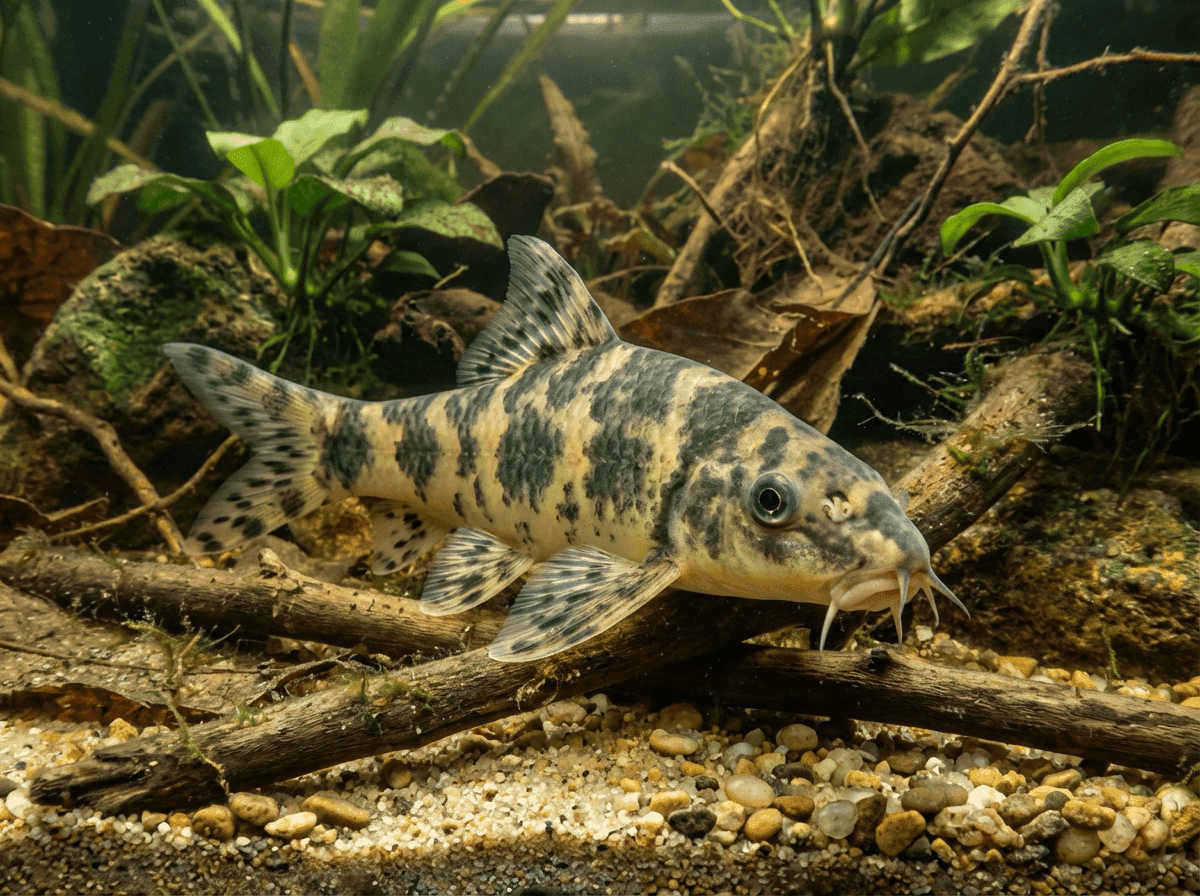
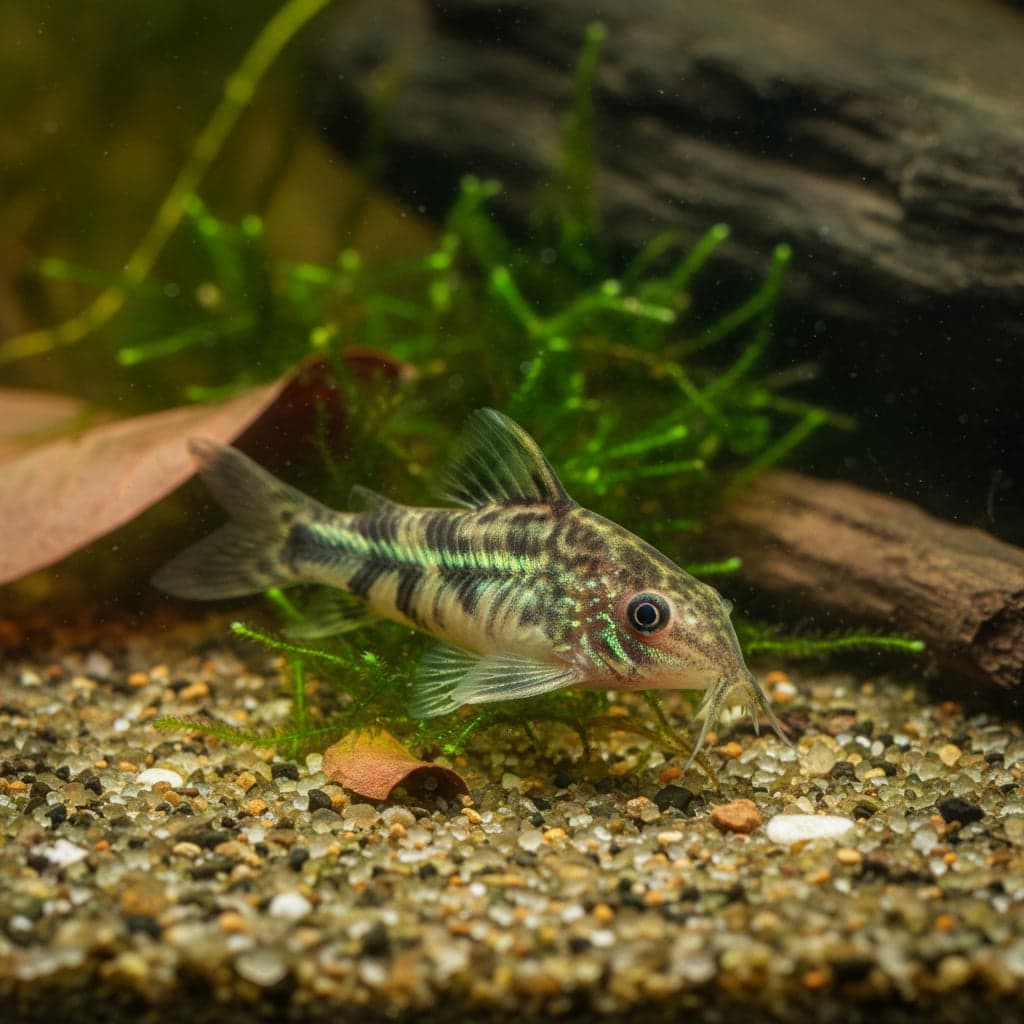
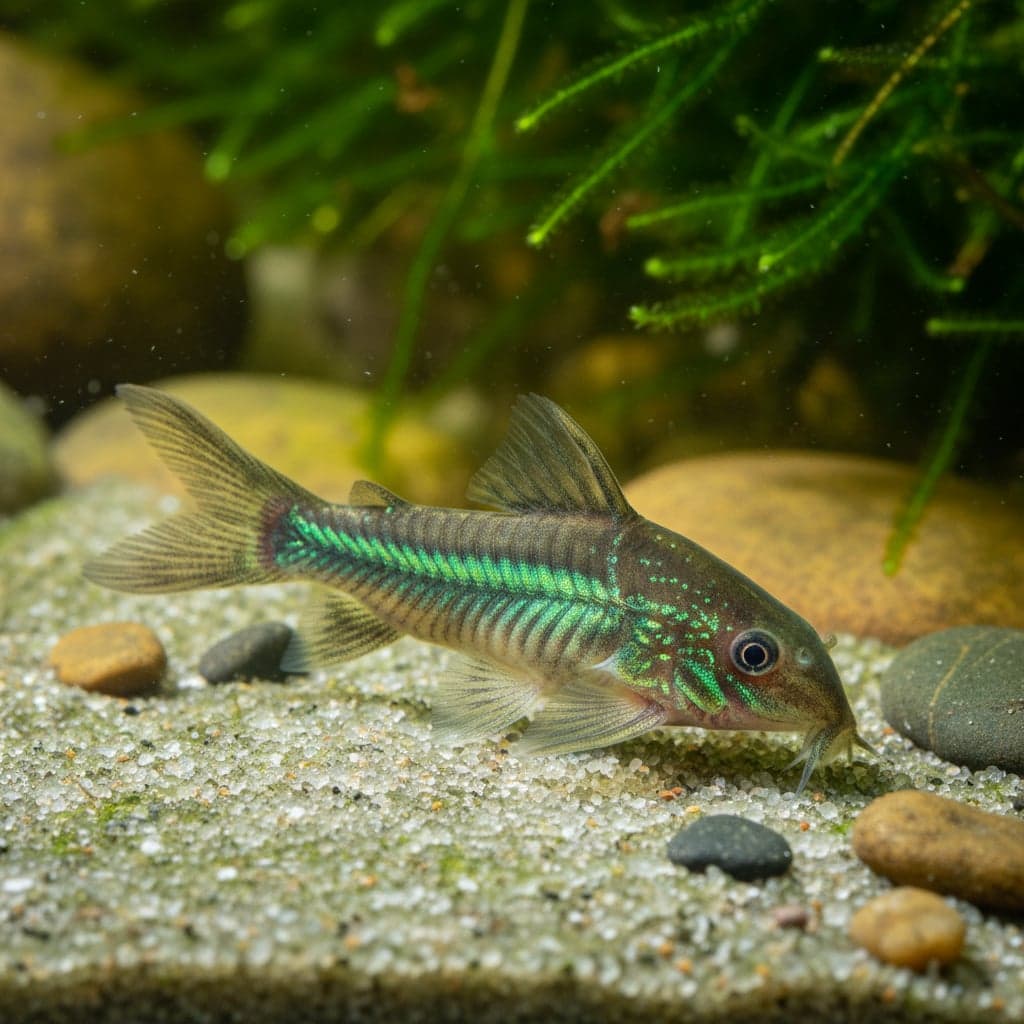
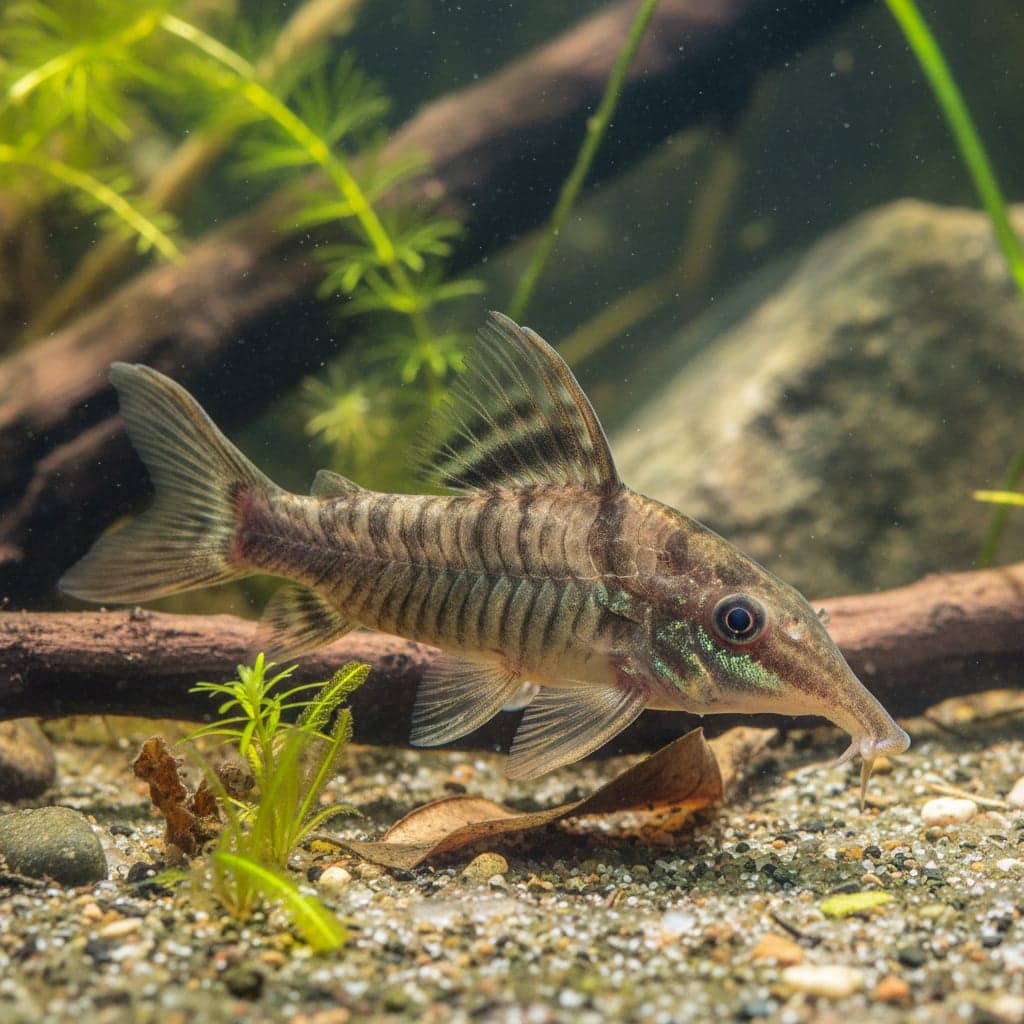
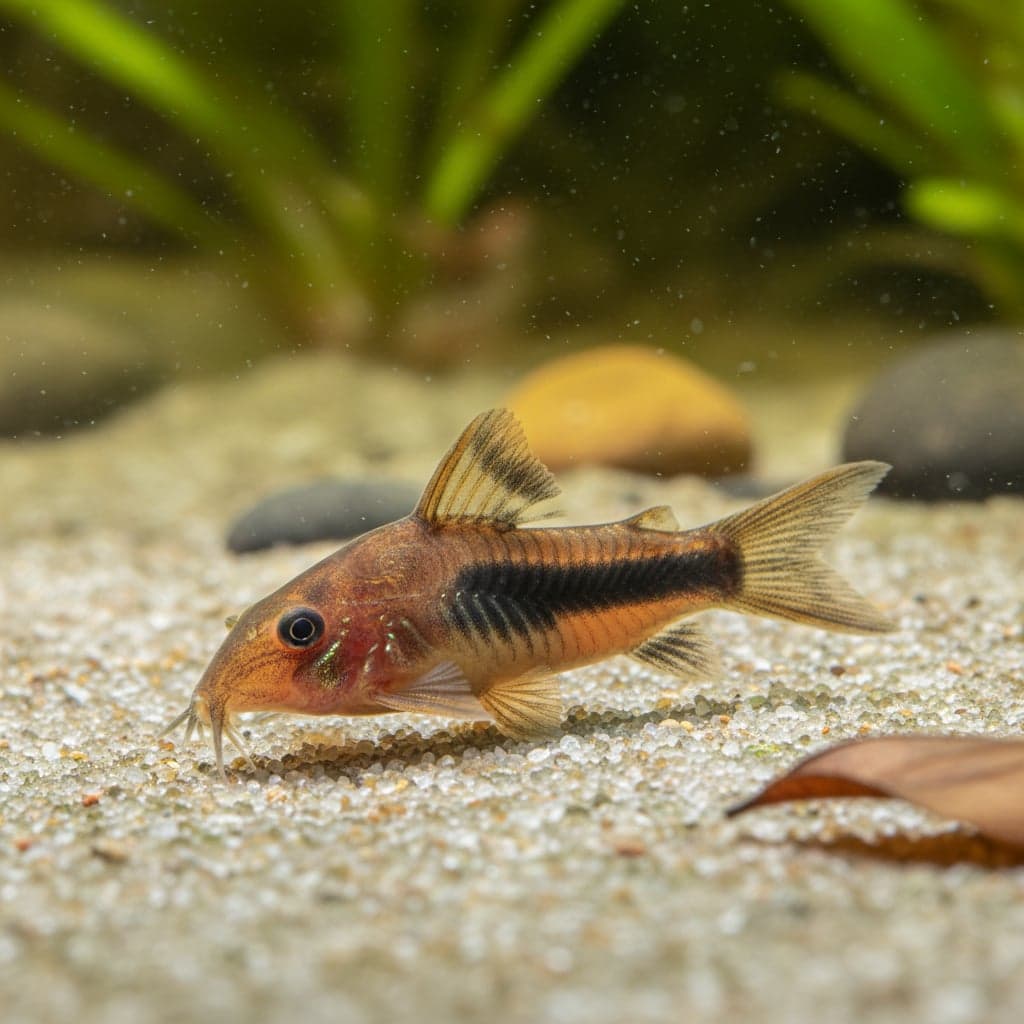
- Corydoras Catfish
- Otocinclus
- Dwarf Gouramis
Avoid housing them with large or highly aggressive cichlids, and be cautious about keeping multiple pairs in small aquariums as territorial disputes will occur.
Breeding
They are relatively easy to breed in captivity. They are cave spawners; the female will lay a cluster of eggs (up to 300) inside a cave or crevice. As mentioned, the female takes over all brooding duties. She will fan the eggs to keep them oxygenated and protect them from any perceived threats. The fry hatch in about 2-3 days and become free-swimming a few days later. They can be fed newly hatched brine shrimp or specialized fry powder.
Common Health Issues
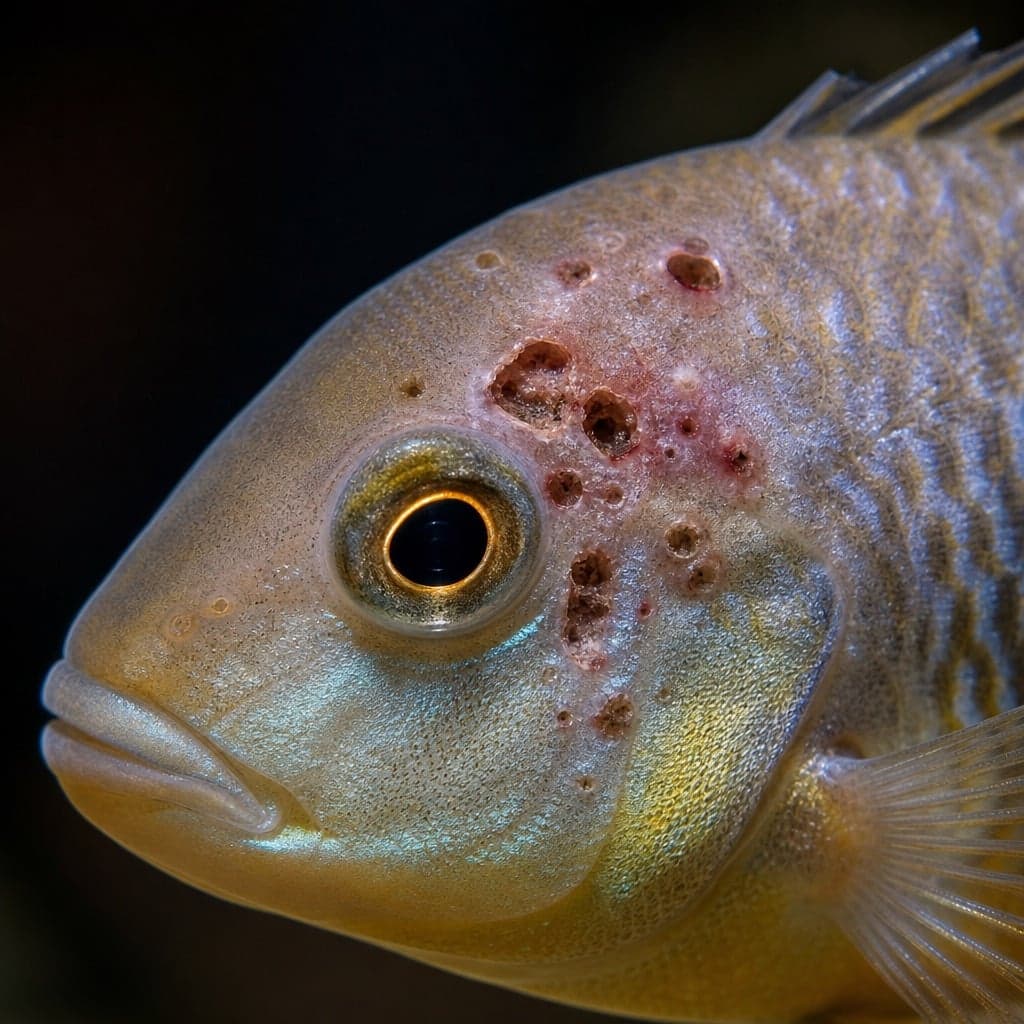
Like most dwarf cichlids, they are sensitive to high levels of ammonia and nitrite. Regular water changes and good filtration are essential. They can also be prone to "Hole in the Head" disease or intestinal parasites if kept in poor water quality or if their diet is not sufficiently varied. Maintaining a stable, clean environment is the best way to ensure their longevity.