Gosse's Cory
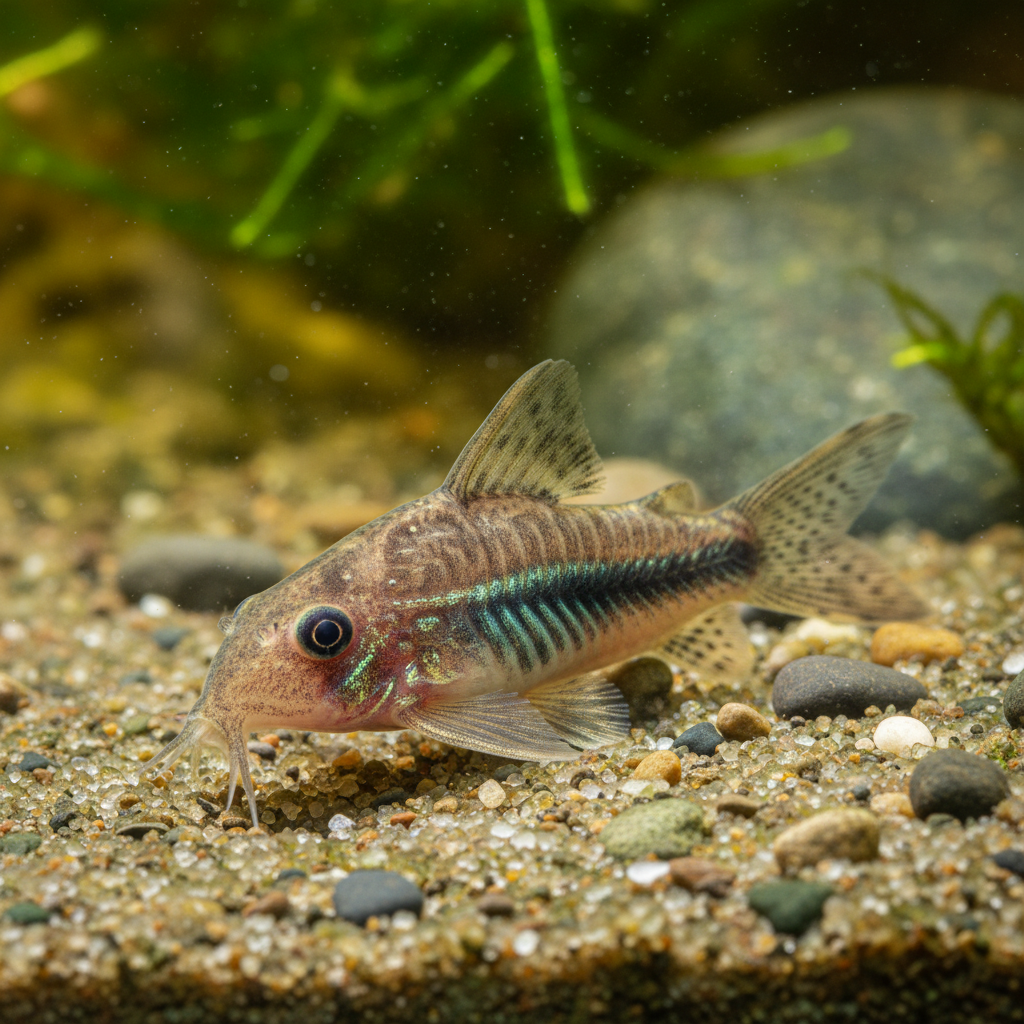
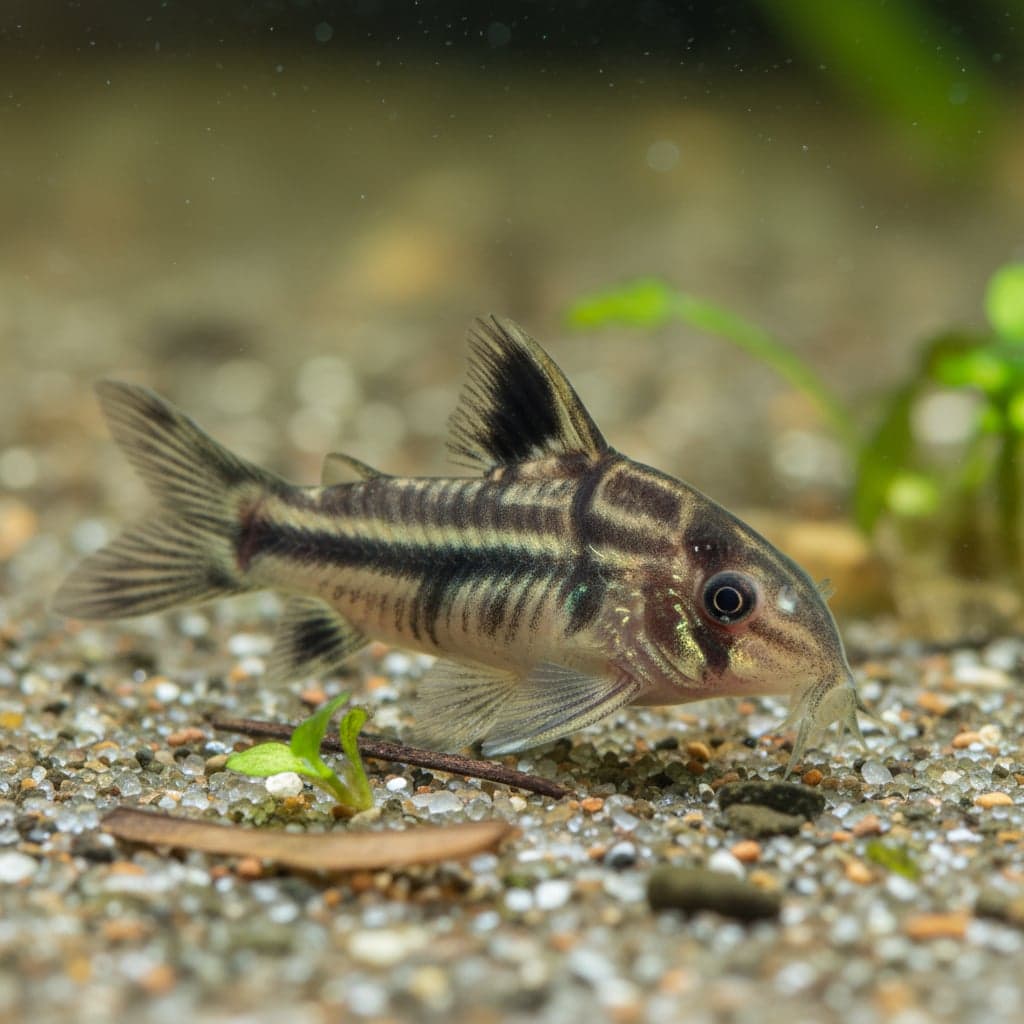
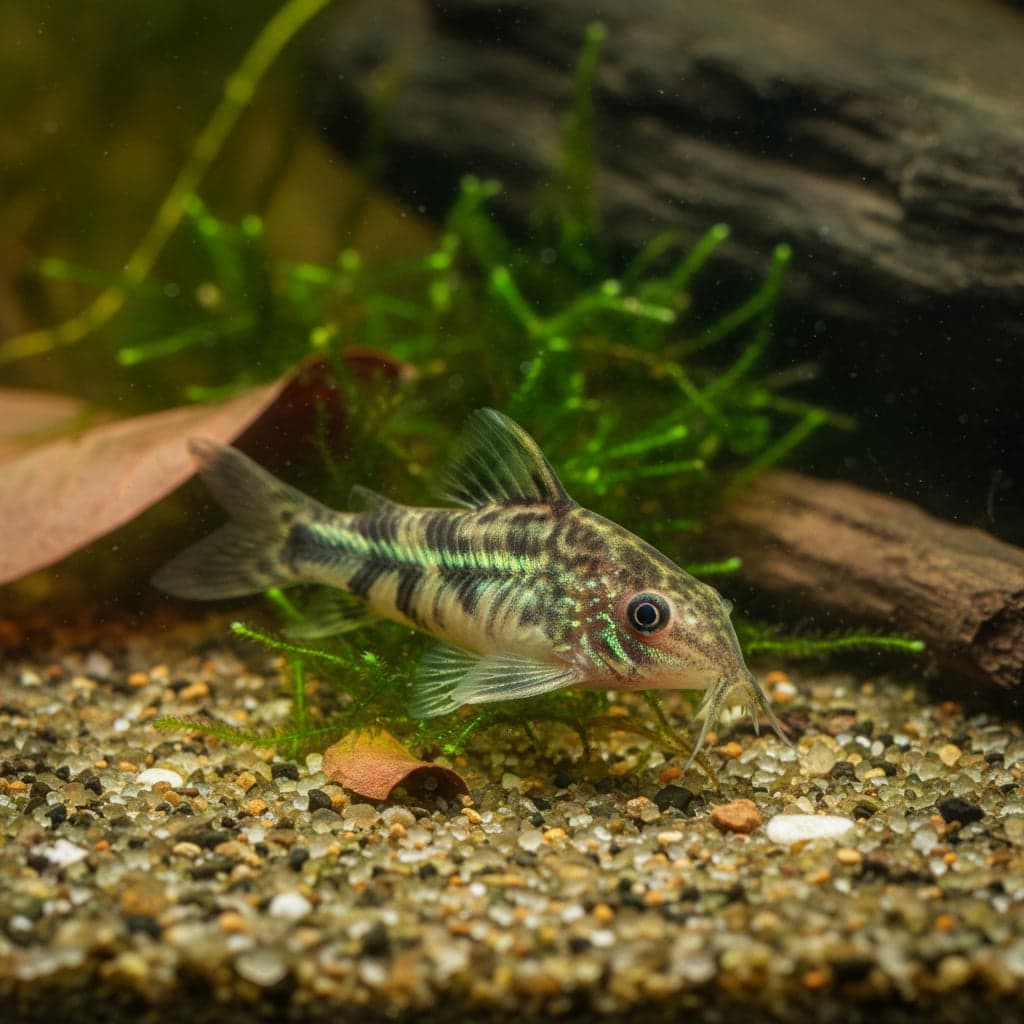
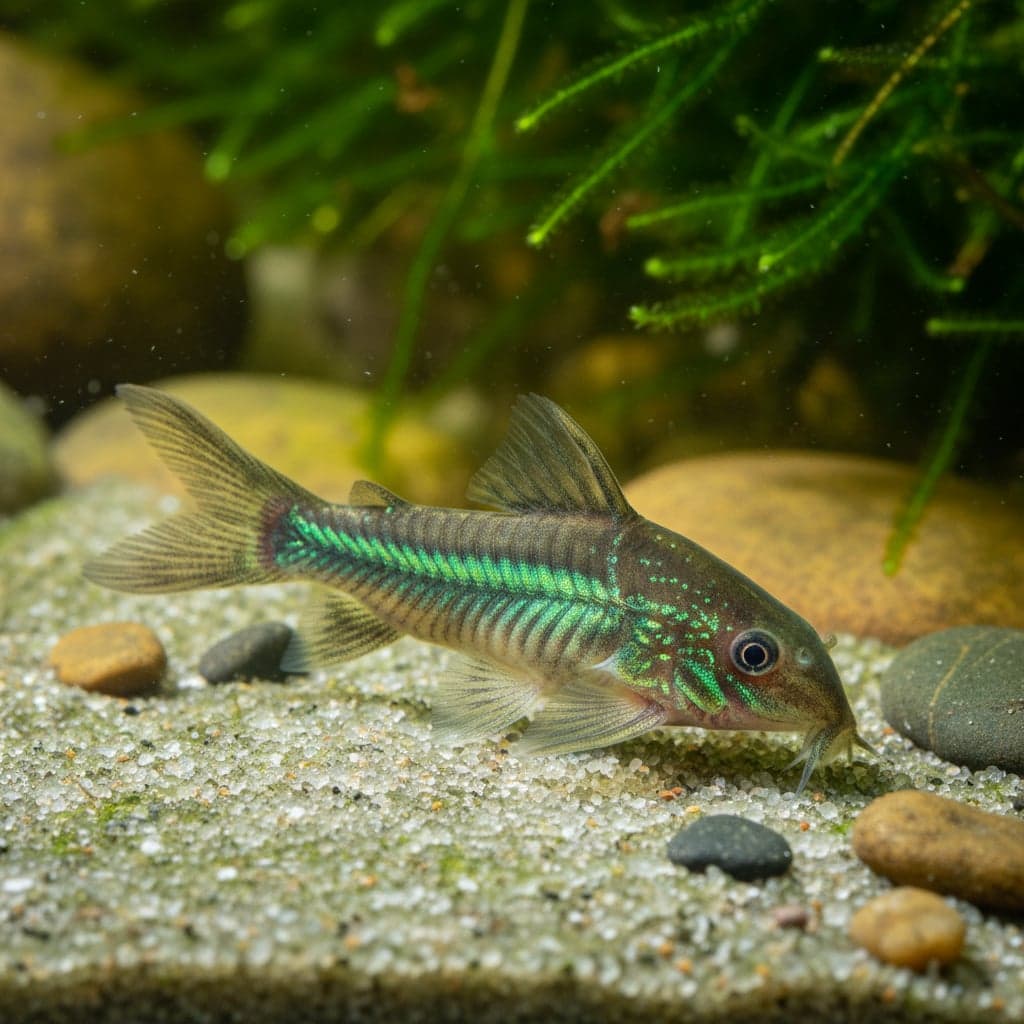
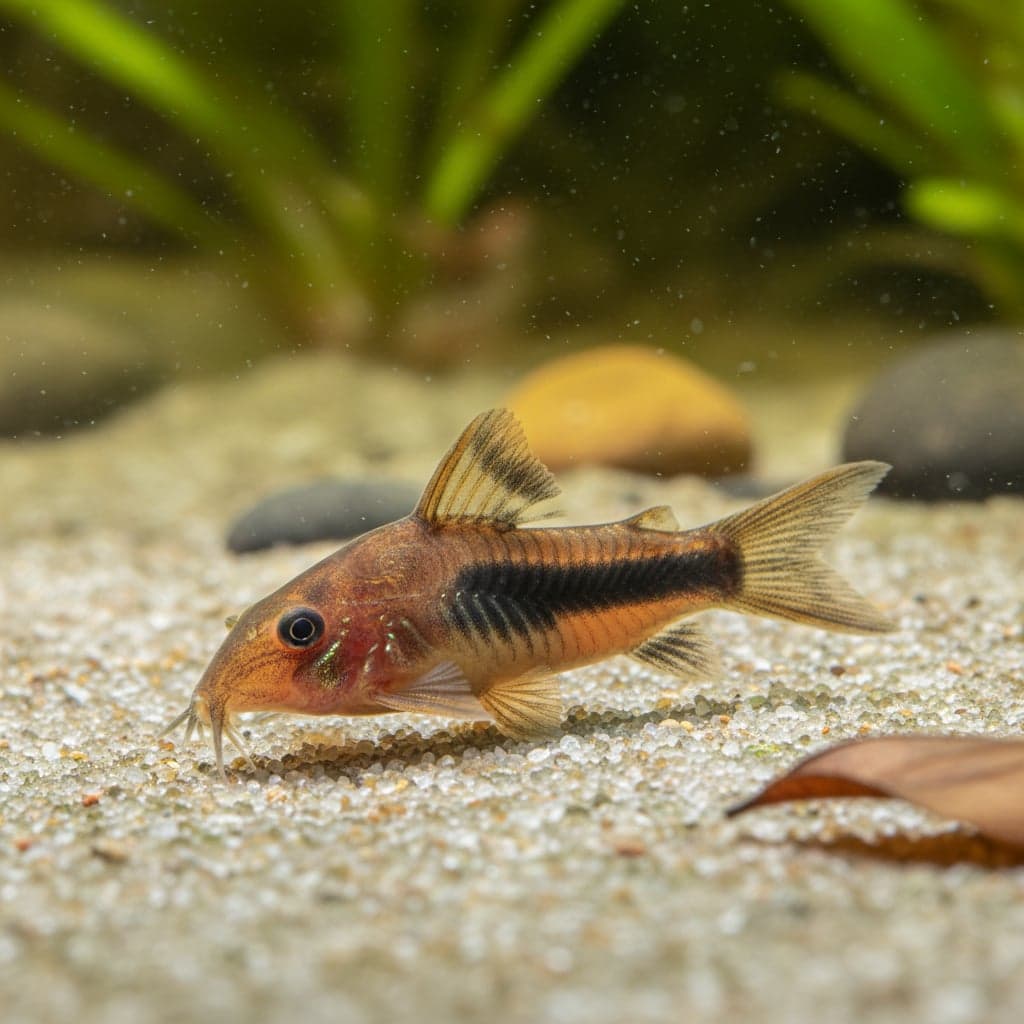
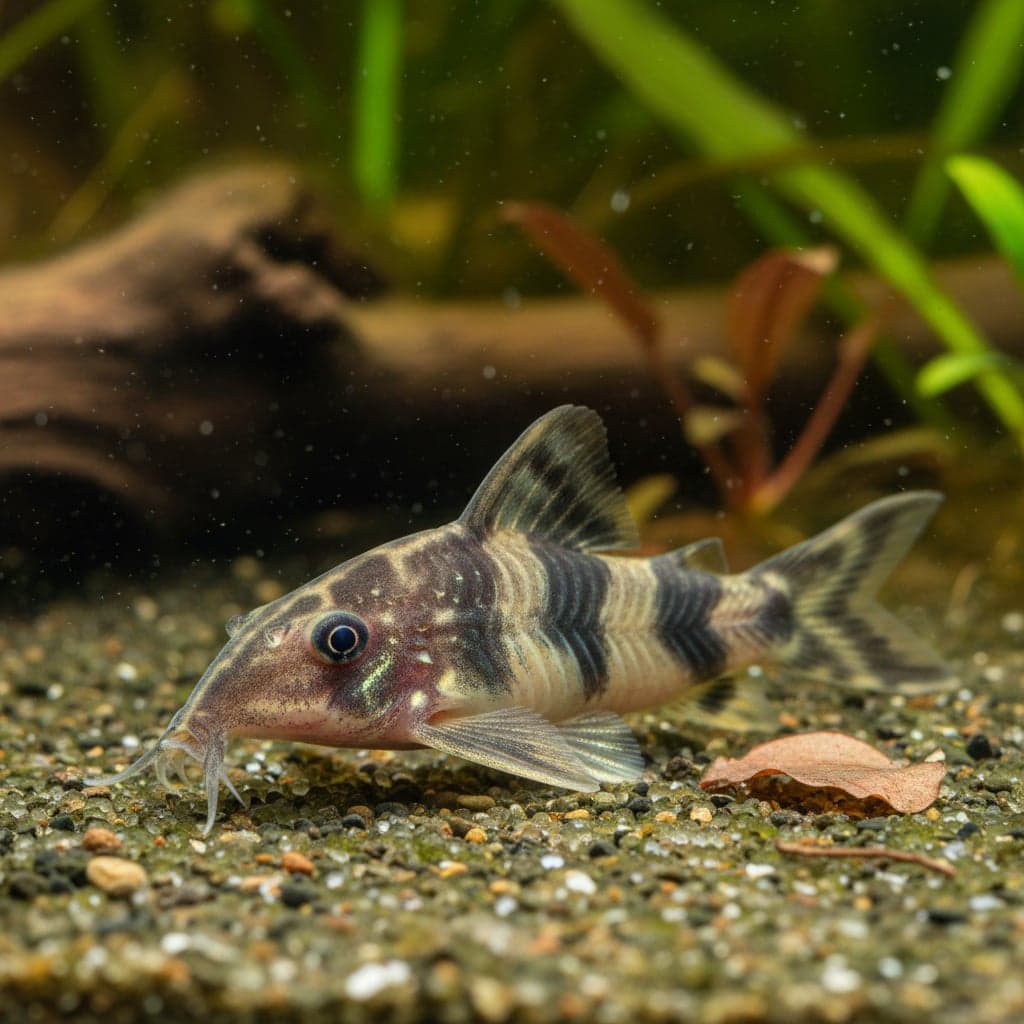
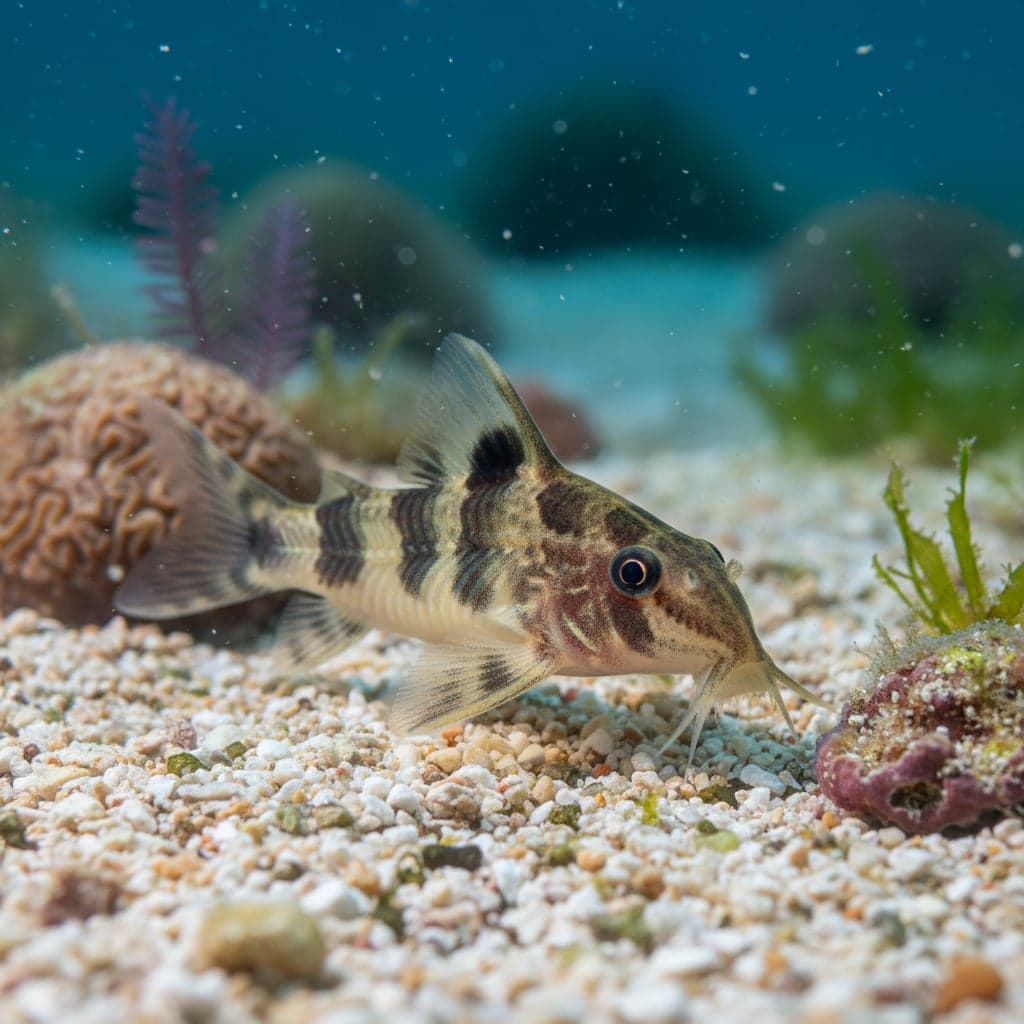
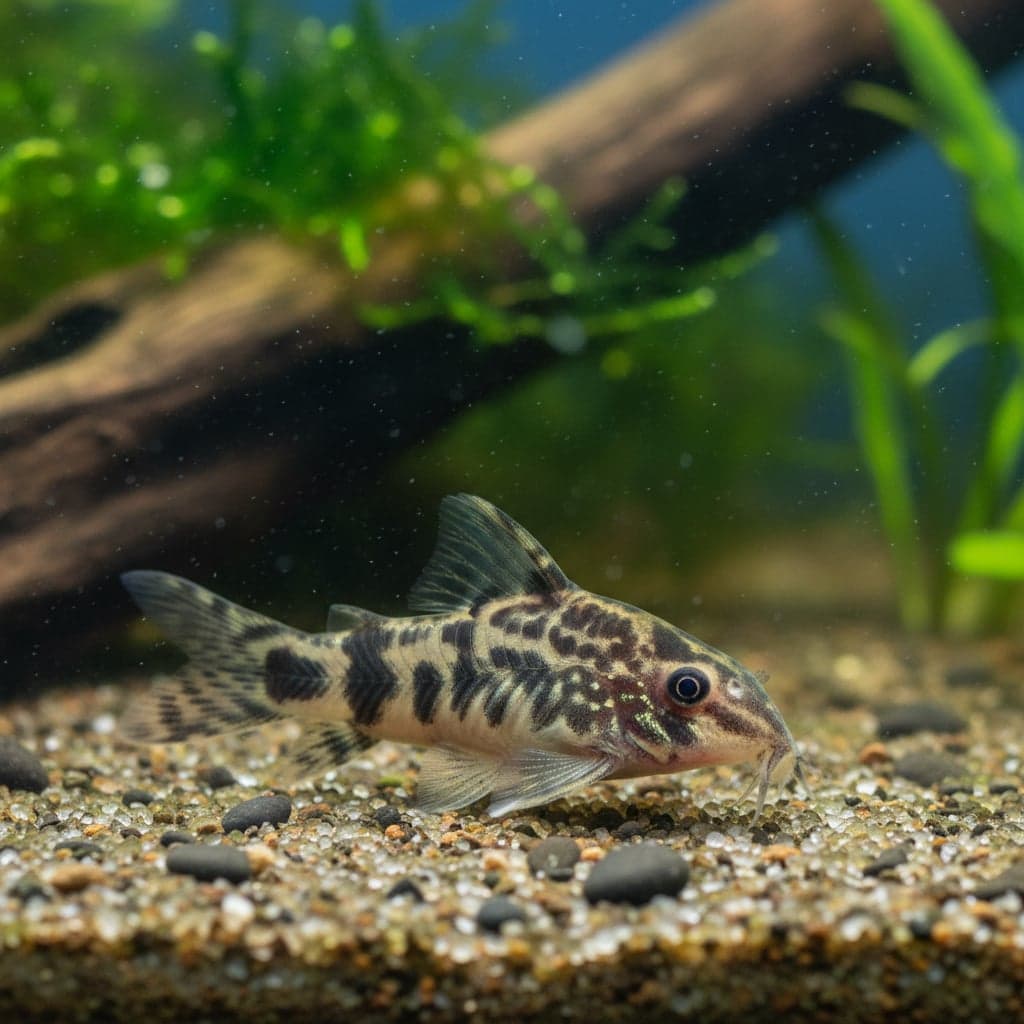
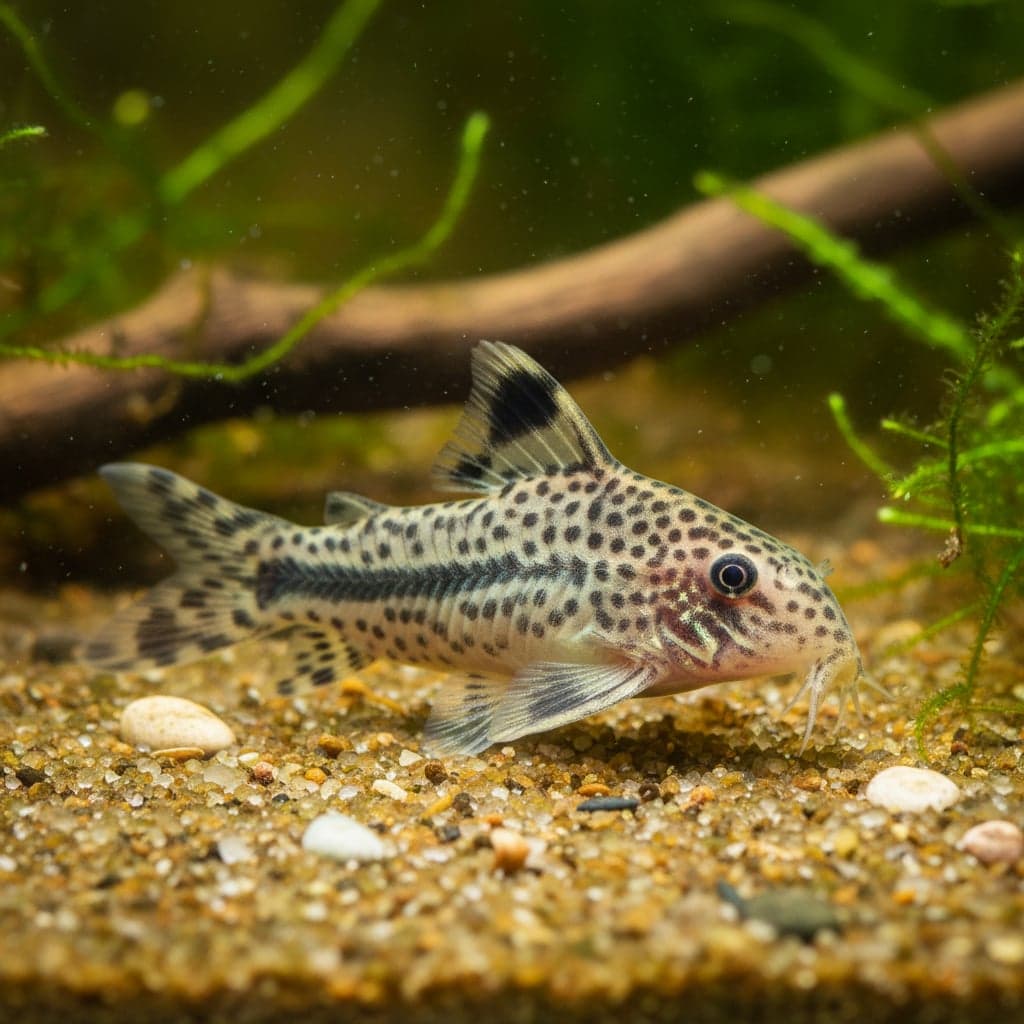
Gosse's Cory (Corydoras gossei) is a stunning and highly sought-after catfish, easily identified by its deep charcoal-brown body and brilliant orange pectoral and dorsal spines.
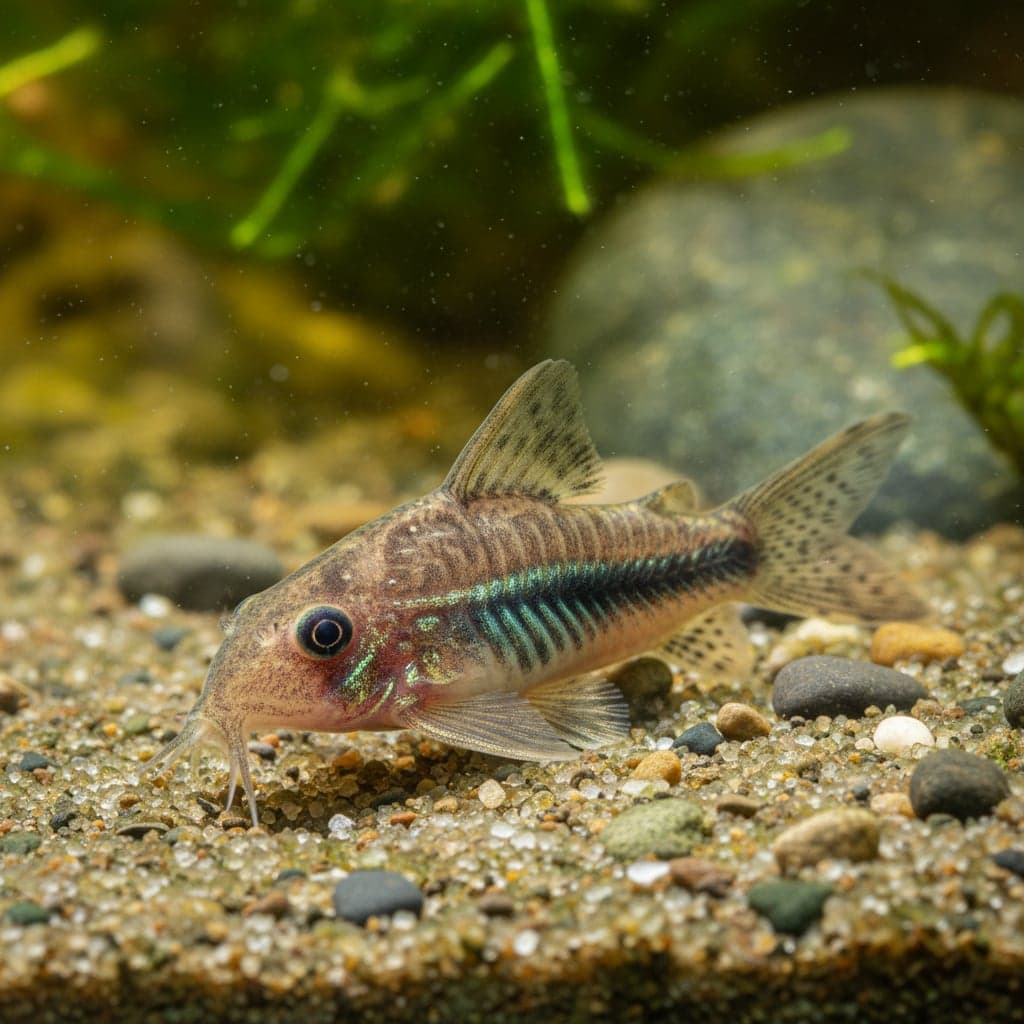
Gosse's Cory
Gosse's Cory (Corydoras gossei) is one of the more exotic and visually striking members of the Corydoras genus. It features a deep, velvety charcoal or dark brown body color, which creates a magnificent contrast with its most famous characteristic: the bright, almost incandescent orange-to-yellow pectoral and dorsal fin spines.
Growing to approximately 2.5 inches (6 cm), it is a sturdy and active shoaling fish. Like all corys, it possesses a specialized auxiliary respiratory organ that allows it to gulp air from the surface, a behavior that often adds a playful dynamic to the aquarium.
Natural Habitat & Origin
This species is native to the Rio Mamoré basin in the state of Rondônia, Brazil, and eastern Bolivia. It is typically found in the main river channels and larger tributaries, usually in areas with sandy substrates and plenty of sunken wood or leaf litter. The water in the Mamoré is generally soft and slightly acidic, but compared to some other Amazonian tributaries, it stays consistently warm throughout the year.
Care Requirements
Gosse's Cory is relatively hardy, but it prefers slightly warmer water than the "average" cory (like the Bronze or Peppered Cory). The ideal temperature range is 75°F to 82°F (24°C to 28°C). The pH should be maintained between 6.0 and 7.5.
A minimum tank size of 20 gallons (80L) is required for a small group. The most critical setup requirement is a sandy substrate. Use fine, smooth sand to protect their delicate barbels, which are essential for foraging. Avoid sharp gravel as it can cause infections. Proving plenty of hiding spots with driftwood and broad-leaved plants (like Amazon Swords or Anubias) will make them feel secure.
Diet & Feeding
They are social omnivores that spend most of their time "rooting" through the sand for food. In the wild, they consume a mix of insect larvae, small crustaceans, and organic detritus.
In the aquarium, they should be fed a variety of high-quality sinking pellets and wafers specifically designed for catfish. To maintain their health and vibrant spine color, their diet should be regularly supplemented with live or frozen foods such as bloodworms, daphnia, and brine shrimp. Note: Always ensure that sinking food actually reaches the bottom and isn't entirely consumed by faster middle-layer fish.
Behavior & Temperament
Gosse's Cory is exceptionally peaceful and social. They MUST be kept in groups of at least 6 individuals; a lone cory will be stressed, shy, and much more susceptible to illness. In a group, they are active and inquisitive, often seen following each other across the substrate in a behavior known as "shoaling."
They are strictly bottom-dwellers and do not bother any other inhabitants of the tank. Their non-aggressive nature makes them perfect candidates for almost any peaceful community setup.
Tank Mates
Suitable tank mates include any peaceful species that share their warm-water, soft-water preferences:
- Tetras (Cardinal, Rummy-nose, Lemon)
- Dwarf Cichlids (Apistogramma, Ram Cichlids)
- Discus and Angelfish
- Other peaceful Corydoras species
- Small Loricariids (Plecos)
Avoid housing them with large, aggressive fish or very boisterous species that might outcompete them for food or nip at their fins.
Breeding
Breeding Corydoras gossei is achievable in captivity. They are egg-depositors. Spawning is typically triggered by a large water change with slightly cooler water, mimicking the onset of the rainy season. The female will carry eggs in a "basket" formed by her pelvic fins while the male fertilizes them, before she adheres them to a clean surface like the aquarium glass or a broad plant leaf. The parents do not provide care and will eat the eggs if given the chance. Fry hatch in 3-5 days and can be fed infusoria and later newly hatched brine shrimp.
Common Health Issues
They are generally robust, but the health of their barbels is a key indicator of their overall well-being. Worn or infected barbels are usually a sign of sharp substrate or poor water quality (specifically high nitrates). Maintaining clean water and a sandy substrate is the best preventative measure. They are also sensitive to certain medications, particularly those containing copper or high levels of salt.