Green-gold Cory
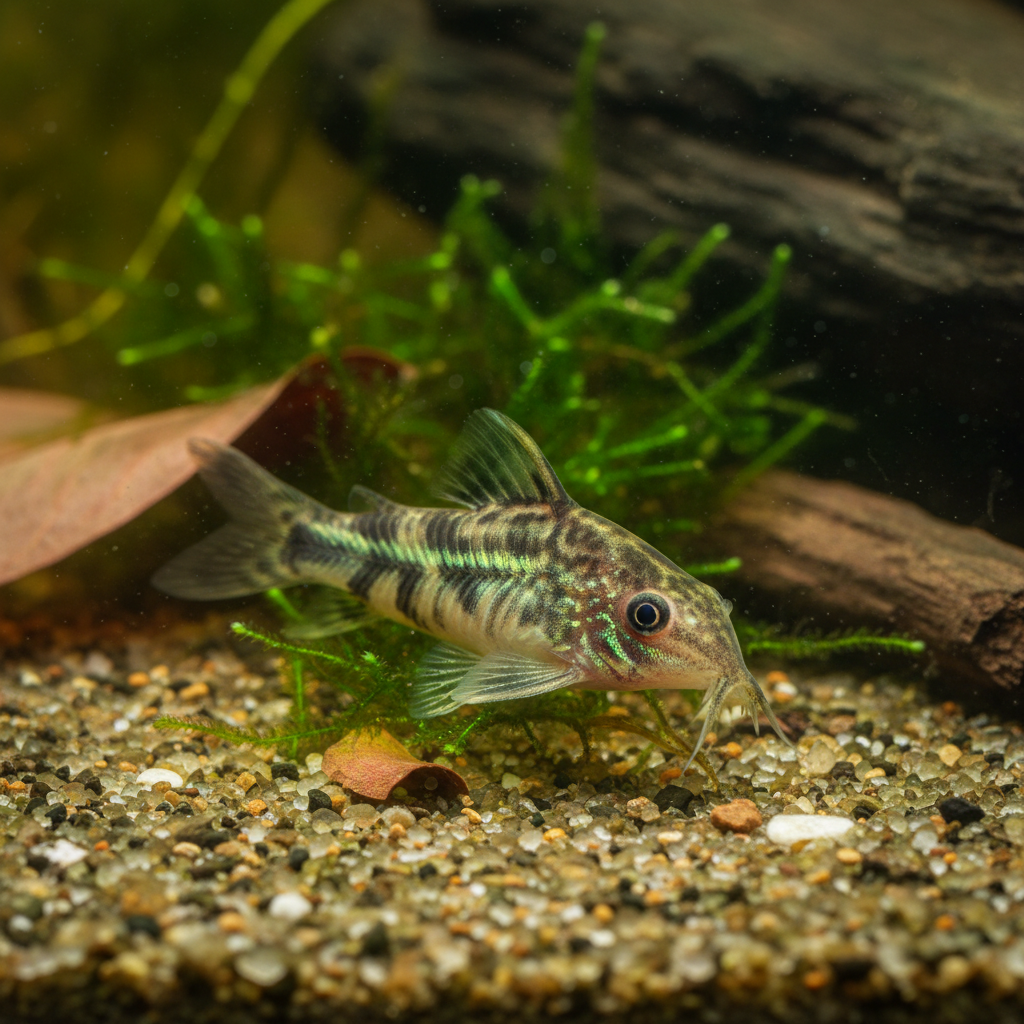
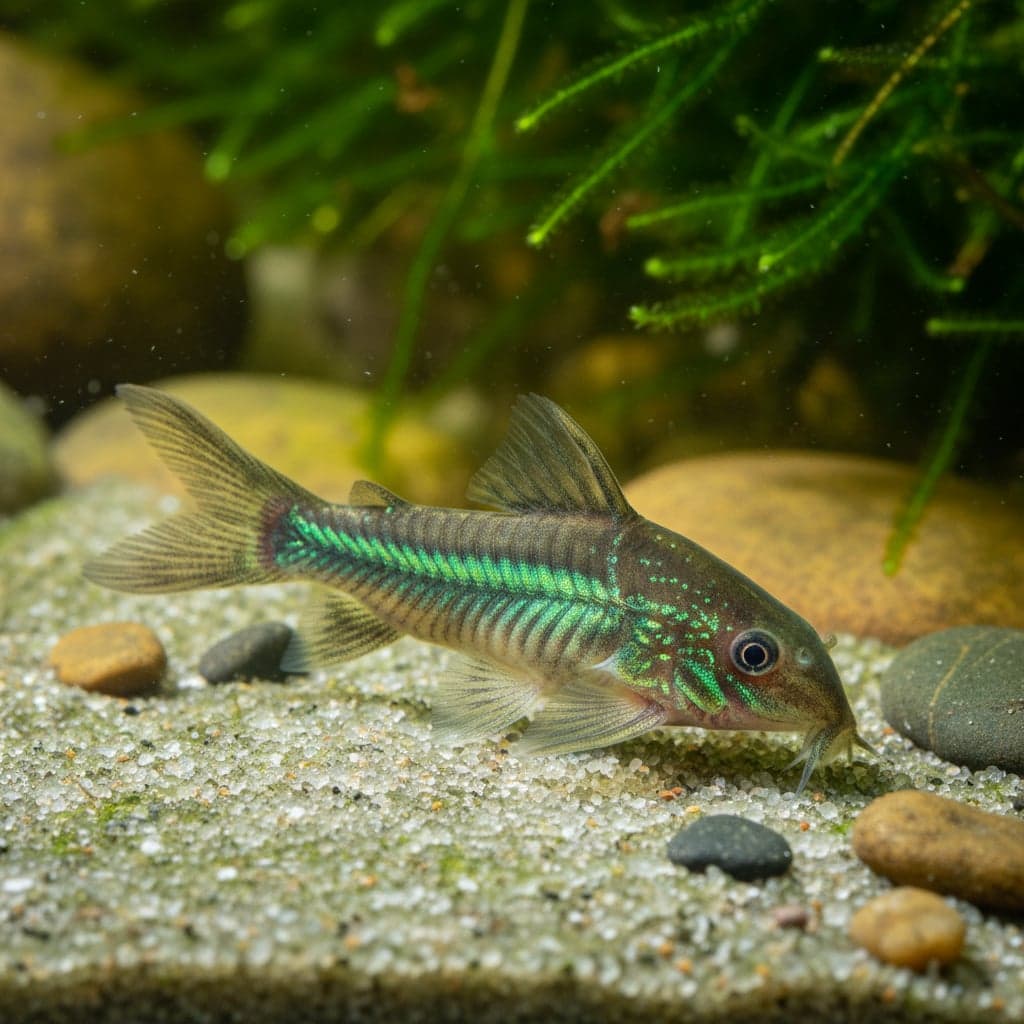
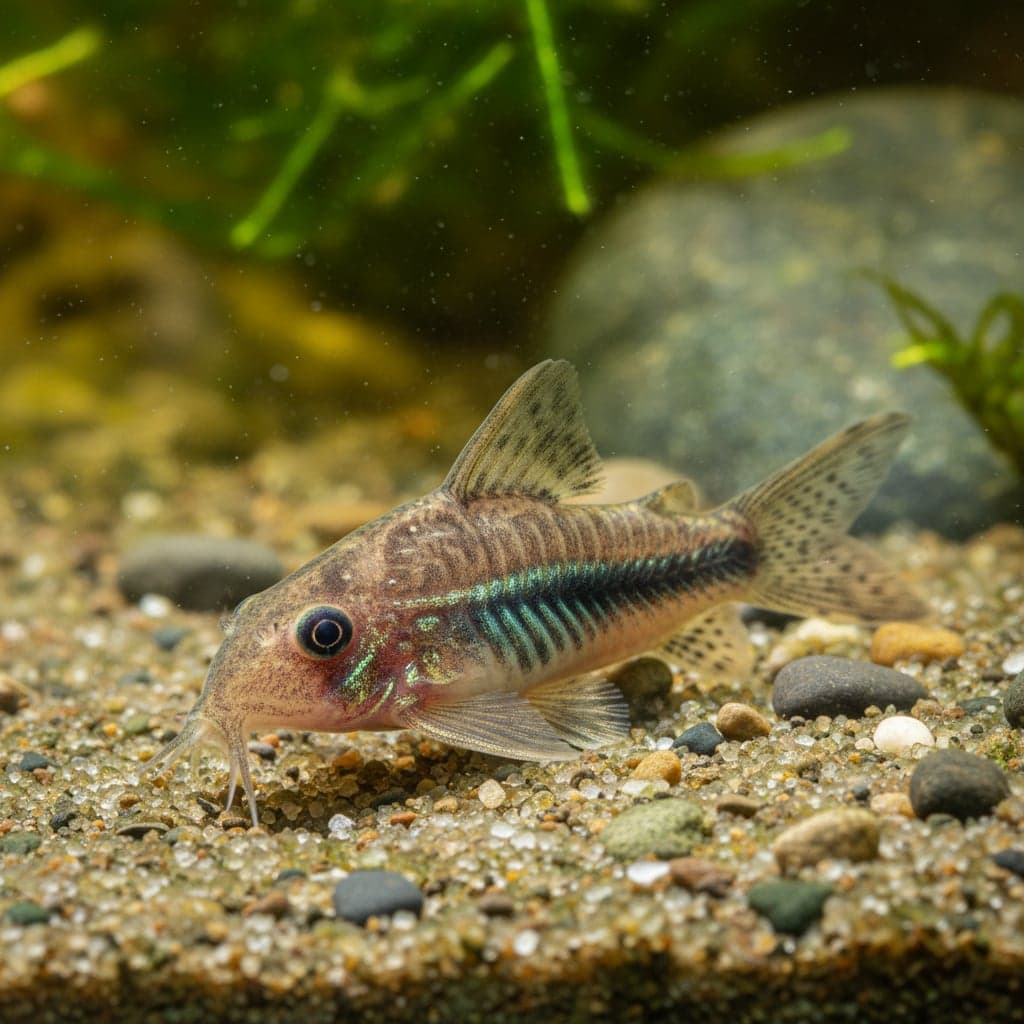
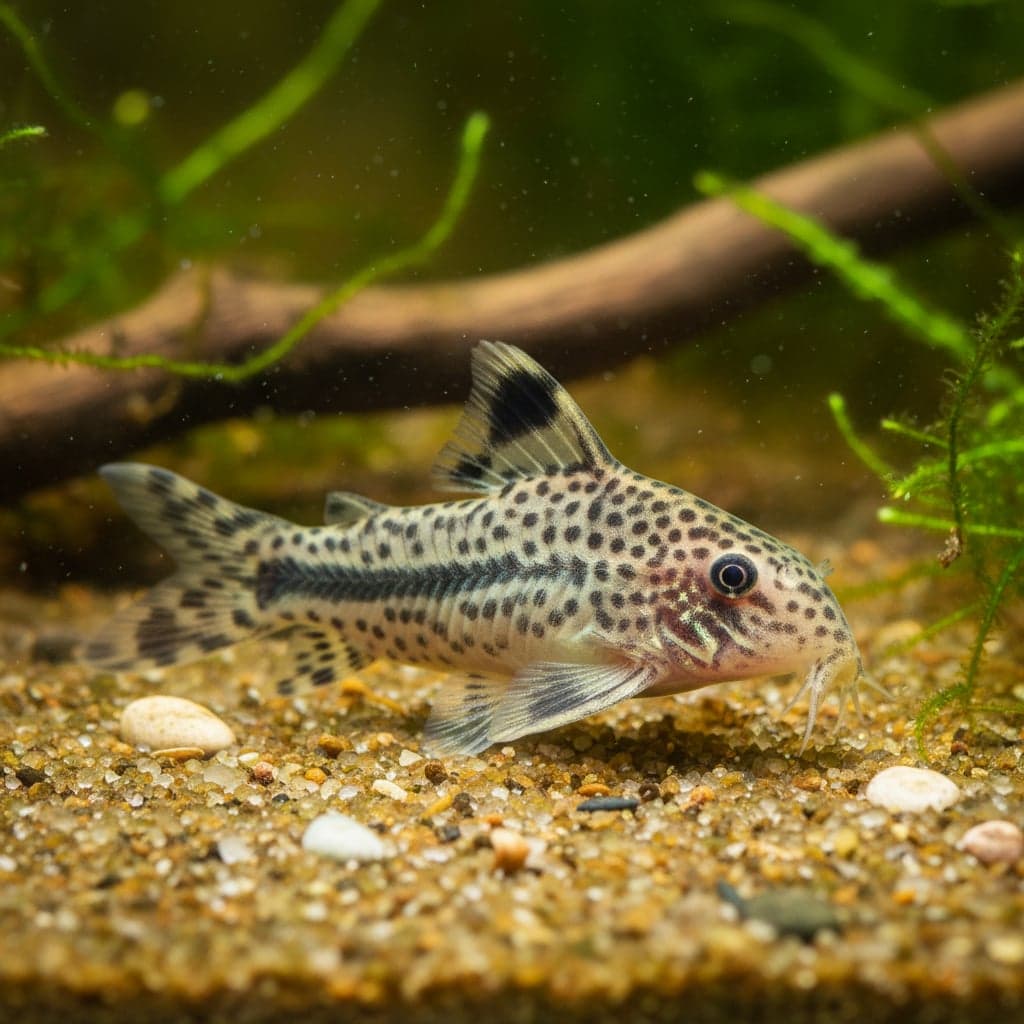
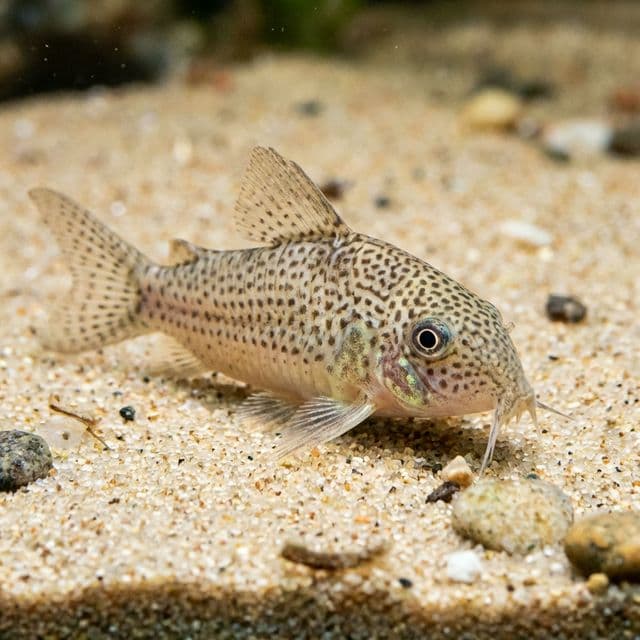
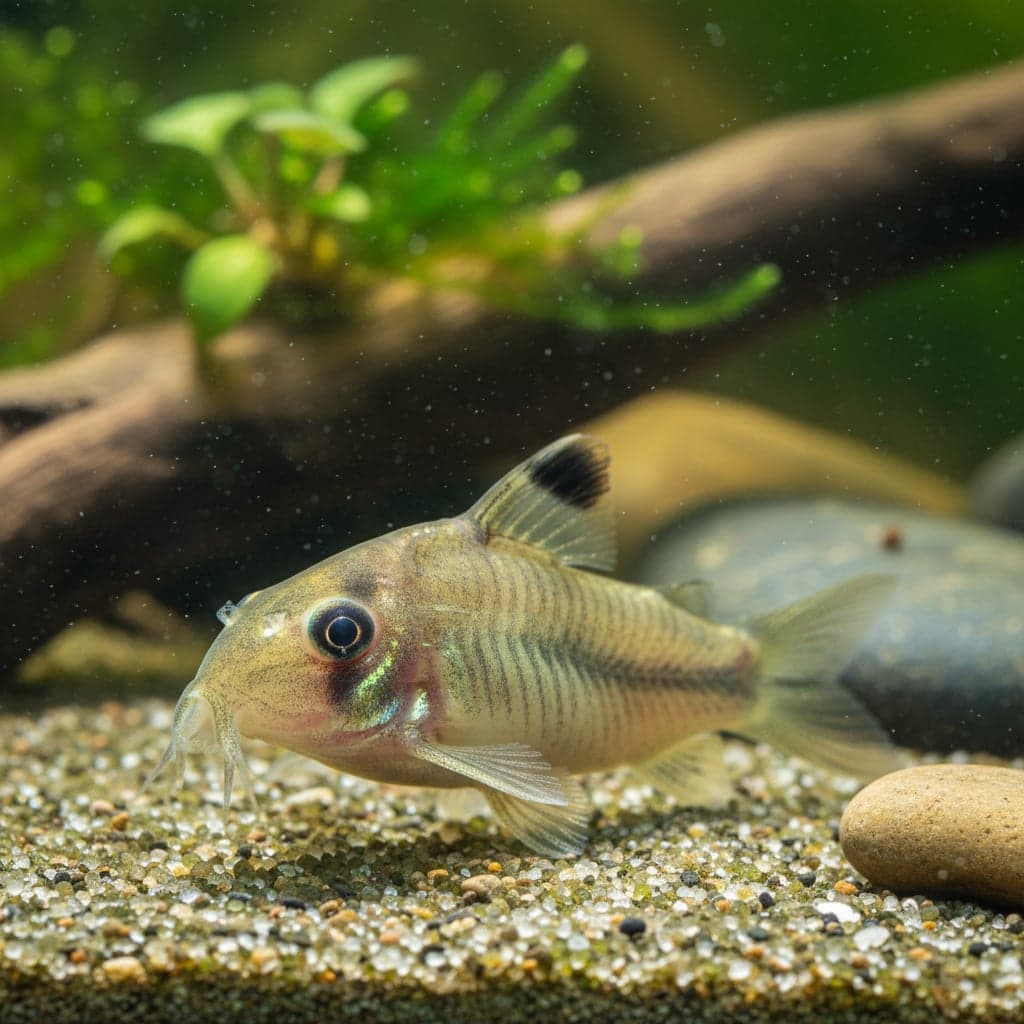
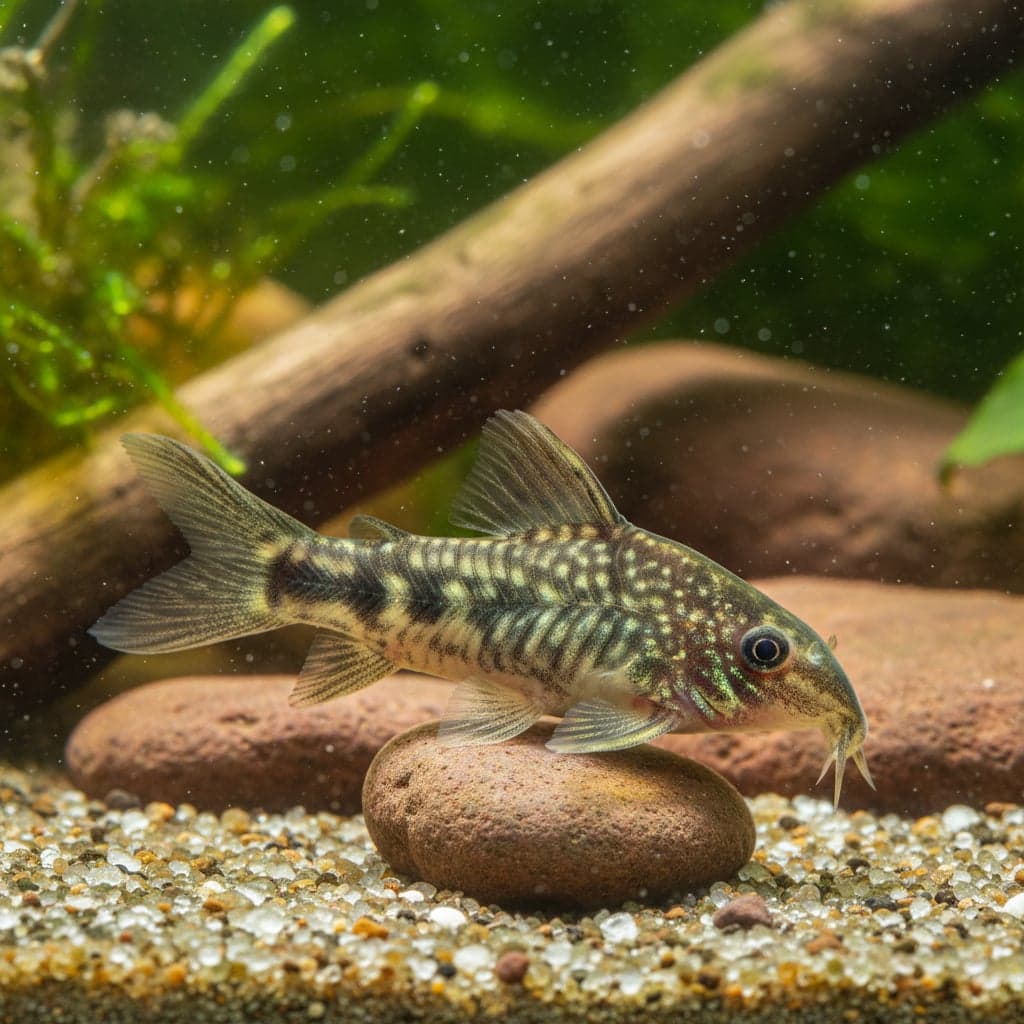
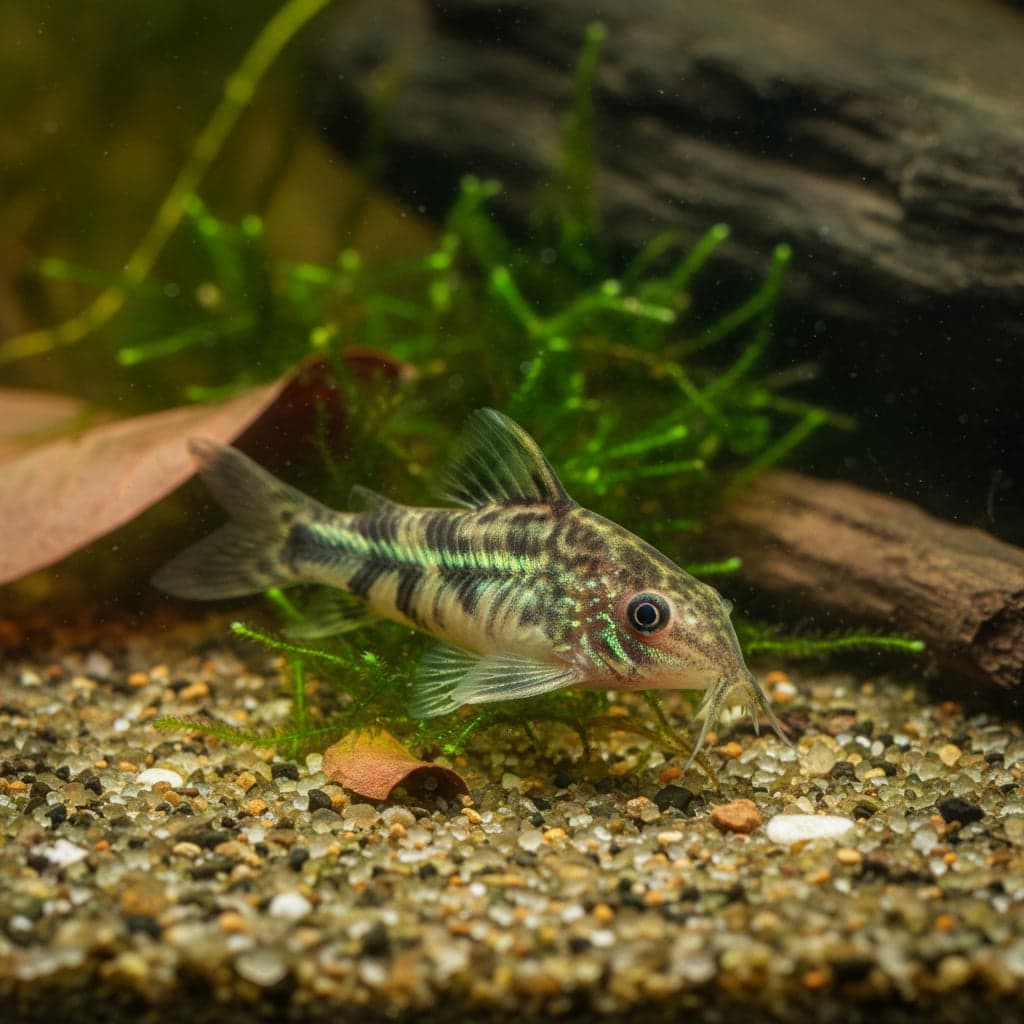
The Green-gold Cory (Corydoras melanotaenia) is an exceptionally beautiful and robust catfish, prized for its shimmering, metallic bronze-green body that glows under aquarium lighting.
Green-gold Cory
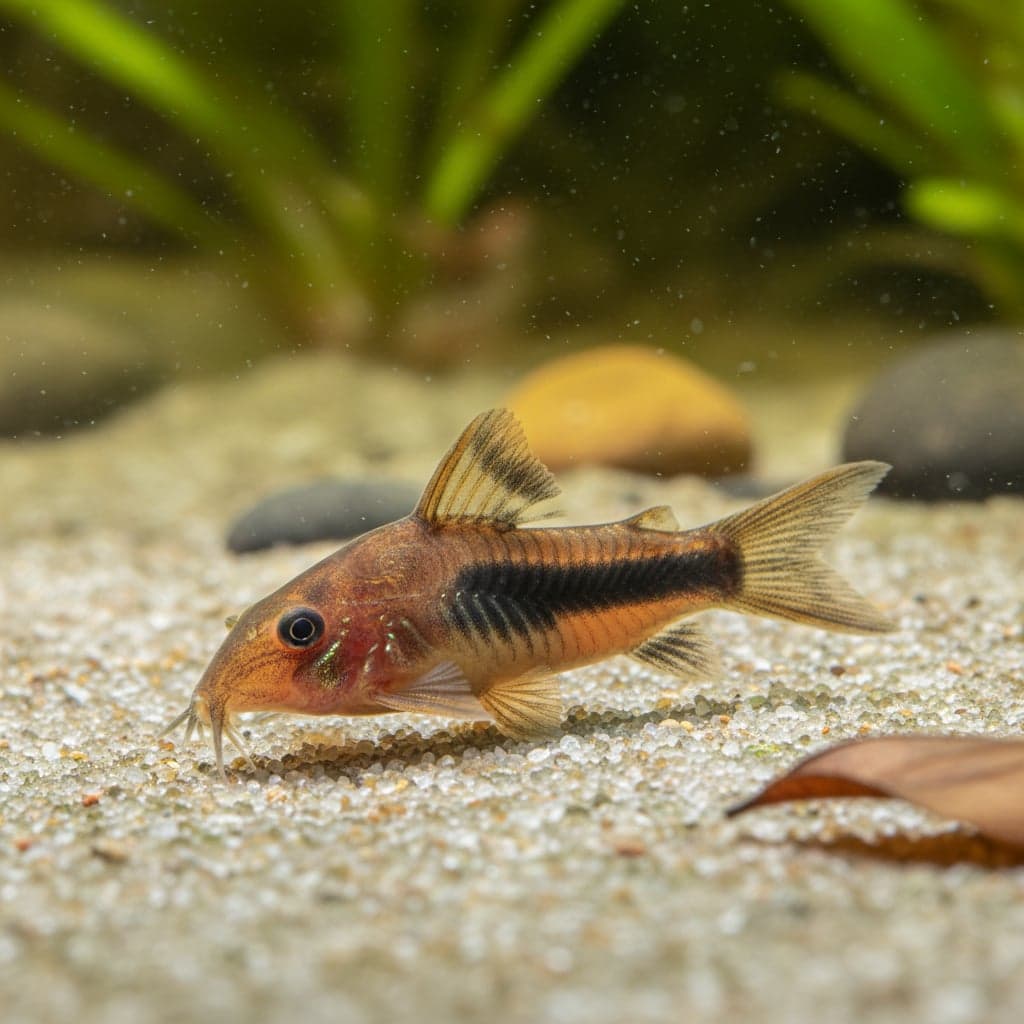
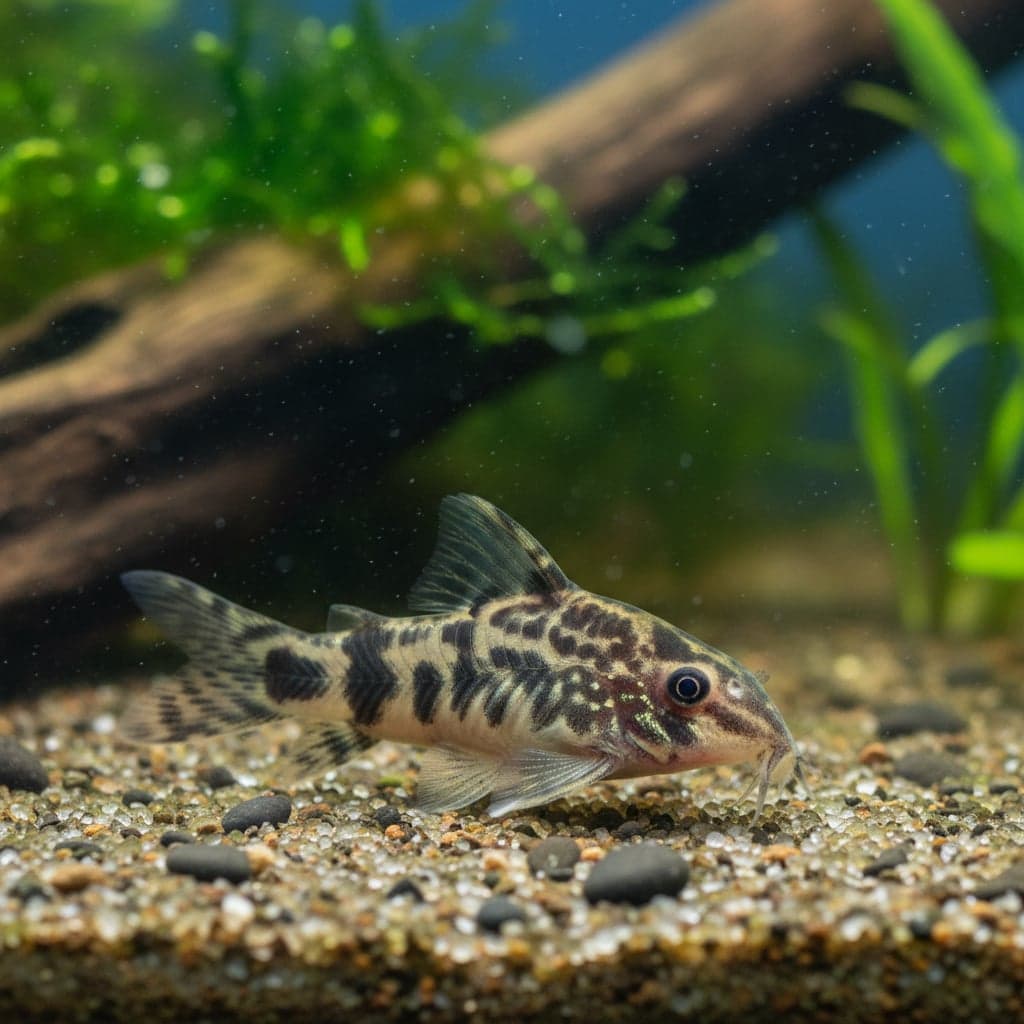
The Green-gold Cory (Corydoras melanotaenia) is one of the most radiant members of the Corydoras genus. It features an elongated, sturdy body covered in a brilliant iridescent sheen that ranges from a deep, bronzy gold to a metallic forest green. This "glow" is particularly intense along the upper half of the body and around the operculum (gill cover).
Growing to approximately 2.5 inches (6 cm), it is a very active and sociable species. Unlike many other corys that have distinct black spots or bands, the Green-gold relies on its solid, lustrous coloration for its aesthetic appeal.
Natural Habitat & Origin
This species is native to the Rio Meta basin in Colombia and eastern Venezuela. It is typically found in rivers and tributaries with moderate current, usually in areas with sandy or fine gravel substrates and plenty of sunken wood or leaf litter. The water in the Rio Meta is generally soft and slightly acidic, but the species is remarkably adaptable to a variety of conditions.
Care Requirements
The Green-gold Cory is very hardy, making it an excellent choice for beginner and advanced aquarists alike. They prefer a temperature range of 72°F to 79°F (22°C to 26°C) and a pH between 6.0 and 7.5.
A minimum tank size of 20 gallons (80L) is required for a small group. Because they come from river environments, they appreciate a bit more water movement and higher oxygen levels than some of their pond-dwelling relatives. The most critical requirement is a sandy substrate; fine, smooth sand protects their sensitive barbels. Avoid sharp gravel, which can lead to infections. Proving plenty of hiding spots with driftwood and broad-leaved plants will help them feel secure.
Diet & Feeding
They are social omnivores that spend most of their time foraging on the bottom. In nature, they sift through the substrate for insect larvae, small crustaceans, and organic matter.
In the aquarium, they should be fed a variety of high-quality sinking pellets and wafers designed for catfish. To maintain their metallic luster and overall health, their diet should be regularly supplemented with live or frozen foods such as bloodworms, daphnia, and brine shrimp. Note: Because they are active, ensure that enough food reaches the bottom, as faster surface or mid-water fish may consume everything before it sinks.
Behavior & Temperament
Green-gold Corys are exceptionally peaceful and highly social. They MUST be kept in groups of at least 6 individuals; a group of 10 or more is even better and will result in much more confident and active behavior. In a group, they will often "march" together across the sand in a charming and synchronized fashion.
They are strictly bottom-dwellers and do not bother any other inhabitants of the tank. Their non-aggressive nature and robust size make them perfect candidates for almost any peaceful community setup.
Tank Mates
Suitable tank mates include any peaceful species that share their water preferences:
- Tetras (Cardinal, Neon, Rummy-nose)
- Rasboras and Danios
- Dwarf Cichlids (Apistogramma, Ram Cichlids)
- Other peaceful Corydoras species
- Small Loricariids (Plecos)
Avoid housing them with large, aggressive fish or very boisterous species that might outcompete them for food or nip at their fins.
Breeding
Breeding Corydoras melanotaenia is achievable in captivity. They are egg-depositors. Spawning is typically triggered by a large water change with slightly cooler water, mimicking the onset of the rainy season. The female will carry eggs in a "basket" formed by her pelvic fins while the male fertilizes them, before she adheres them to a clean surface like the aquarium glass or a broad plant leaf. The parents do not provide care and will eat the eggs if given the chance. Fry hatch in 3-5 days and can be fed infusoria and later newly hatched brine shrimp.
Common Health Issues
They are generally robust, but the health of their barbels is the best indicator of their overall environment. Eroded or infected barbels are usually a sign of sharp substrate or high nitrate levels from poor maintenance. Maintaining clean water and a sandy substrate is the best preventative measure. They are also sensitive to certain medications, particularly those containing copper or high levels of salt.