Green Gudgeon Goby
The Green Gudgeon Goby (Awaous guamensis), known as 'O'opu Nakea in Hawaii, is a fascinating amphidromous fish famous for its ability to climb waterfalls.
Green Gudgeon Goby
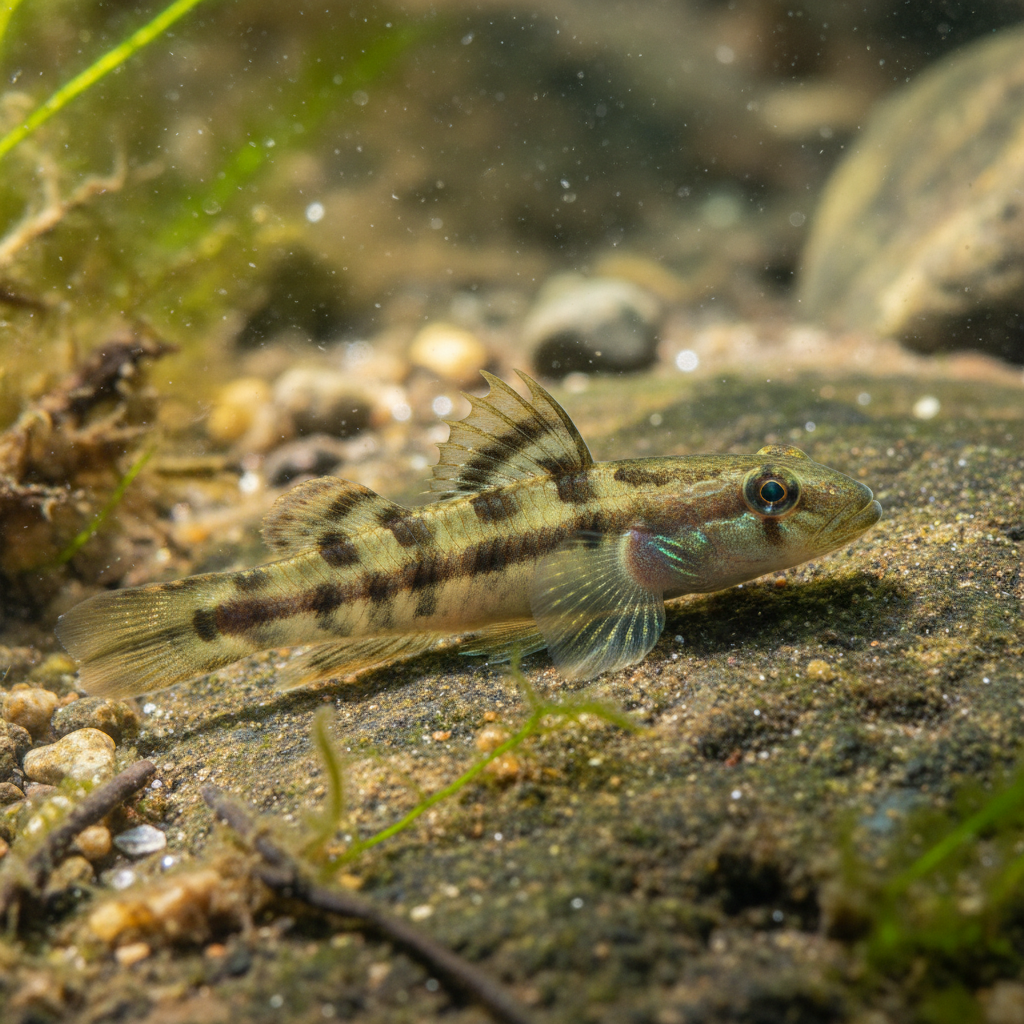
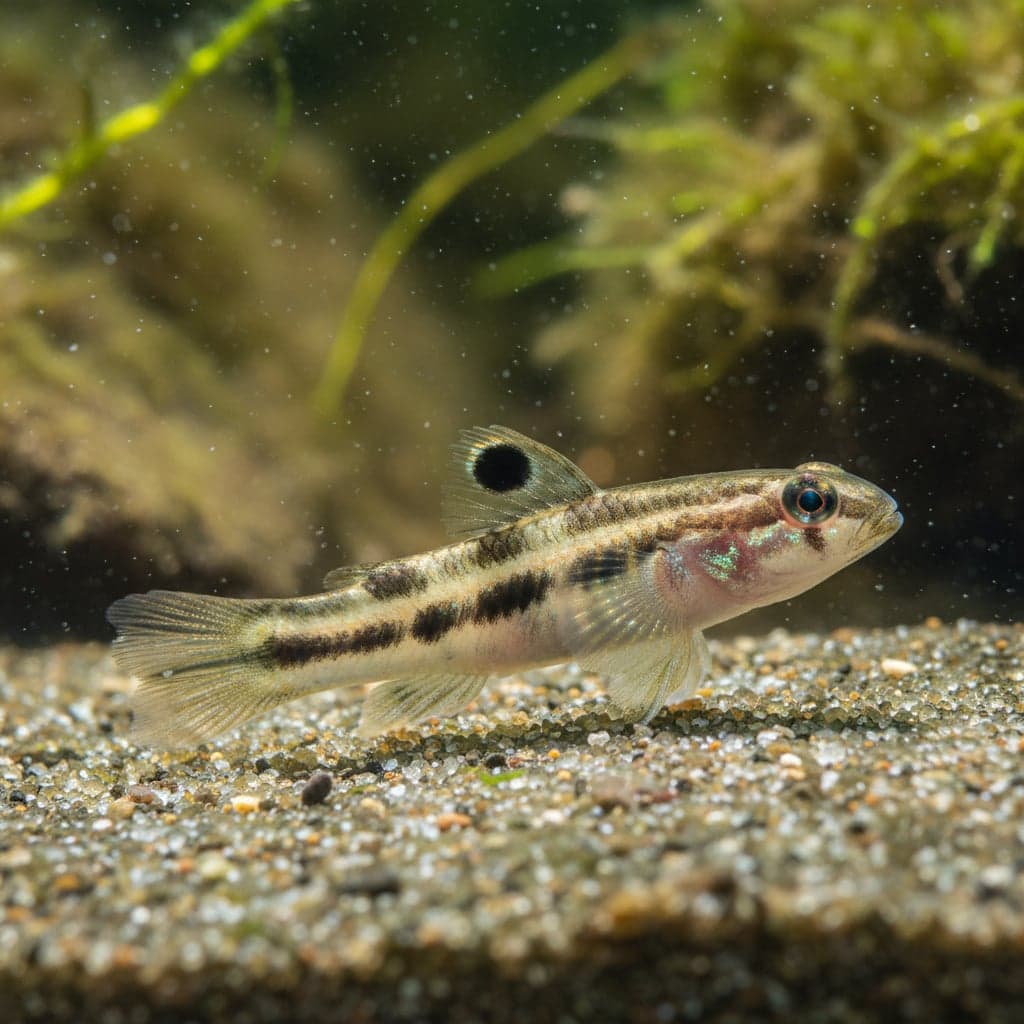
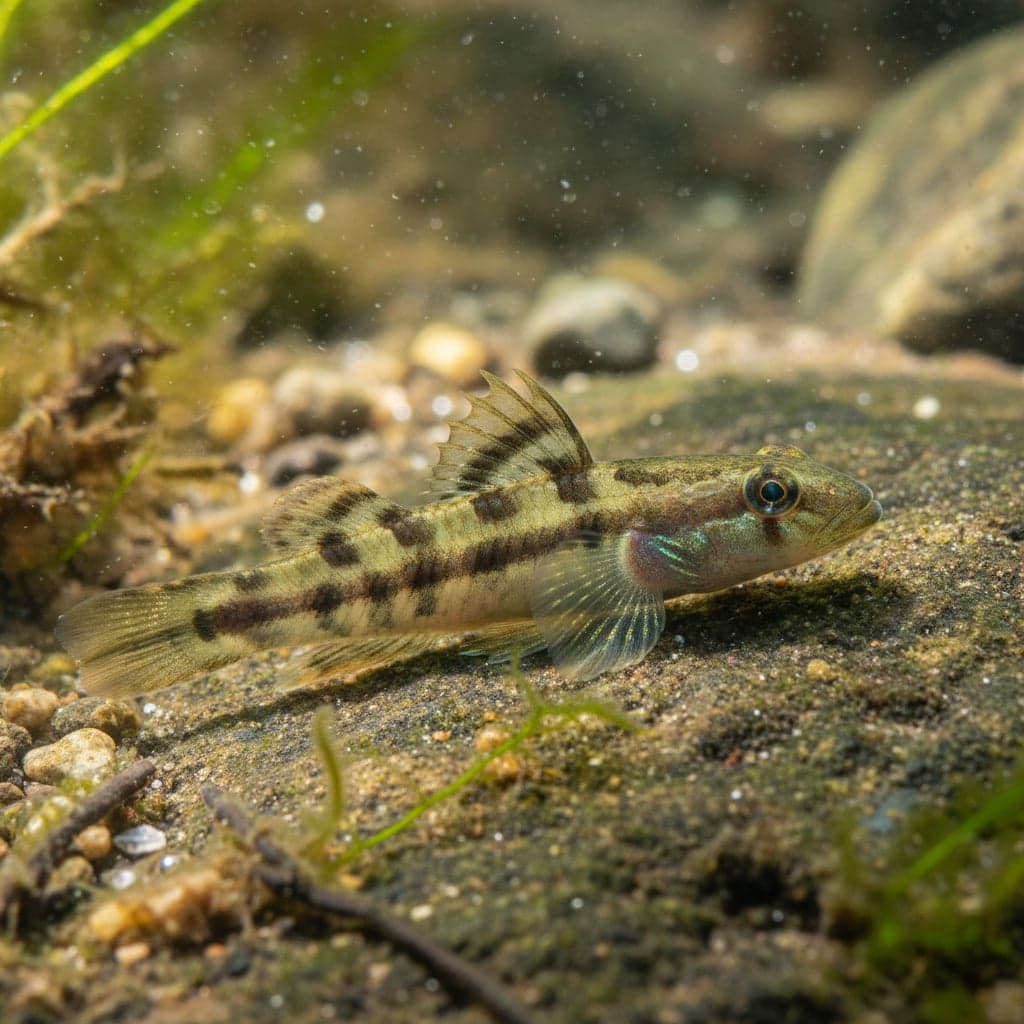
The Green Gudgeon Goby (Awaous guamensis), or 'O'opu Nakea, is one of the most culturally and ecologically significant fish of the high islands in the Pacific. It features a mottled olive-green-to-tan body with dark blotches and a distinctive dark line running through the eye.
Growing up to 12 inches (30 cm), it is a large and powerful goby. Its most remarkable physical feature is its pelvic fins, which are fused into a suction disc, allowing it to cling to rocks in extremely fast currents and even climb vertical waterfalls to reach upstream habitats.
Natural Habitat & Origin
This goby is native to the Indo-Pacific region, including Hawaii, Guam, and parts of Micronesia. It is an amphidromous species: adults live, spawn, and spend their lives in clear, fast-flowing freshwater streams and rivers. After hatching, the larvae are washed downstream into the ocean. After spending several months developing in the sea, the juveniles (known as hinana) migrate back into freshwater and begin their arduous journey upstream.
Care Requirements
The Green Gudgeon Goby is a "specialist" species that requires a setup mimicking a high-flow stream. The most critical requirement is high dissolved oxygen and strong water movement, usually provided by powerheads or a manifold system. The temperature should be moderate, between 65°F and 79°F (18°C to 26°C), and the pH should be neutral to slightly alkaline (7.0 to 8.0).
A minimum tank size of 65 gallons (250L) is required for an adult. The substrate should be a mix of smooth river stones, boulders, and fine sand. They are enthusiastic sand-sifters and spend much of their time "plowing" through the substrate in search of food. The tank must have a very secure lid, as they are exceptional jumpers and climbers.
Diet & Feeding
They are omnivorous sifters. In the wild, they consume a mix of filamentous algae, diatoms, and small invertebrates (insect larvae, crustaceans) found among the rocks and sand.
In the aquarium, they should be offered a varied diet that includes high-quality sinking wafers, spirulina pellets, and frozen foods like bloodworms and mysis shrimp. Because they are sifters, feeding them on a sandy area of the tank allows them to exhibit their natural behavior. They also benefit significantly from the presence of natural algae growth on rocks.
Behavior & Temperament
Green Gudgeon Gobies are generally peaceful toward other species but can be territorial toward other members of their own kind or other large gobies, especially in smaller tanks. They are mostly solitary and spend their day perched on rocks or partially buried in the sand.
They are intelligent and inquisitive fish that quickly learn to recognize their keepers. Their behavior of "climbing" glass or décor with their suction fins is a unique aspect of their personality that fascinates aquarists.
Tank Mates
Best suited for a specialized "stream" or "hillstream" community:
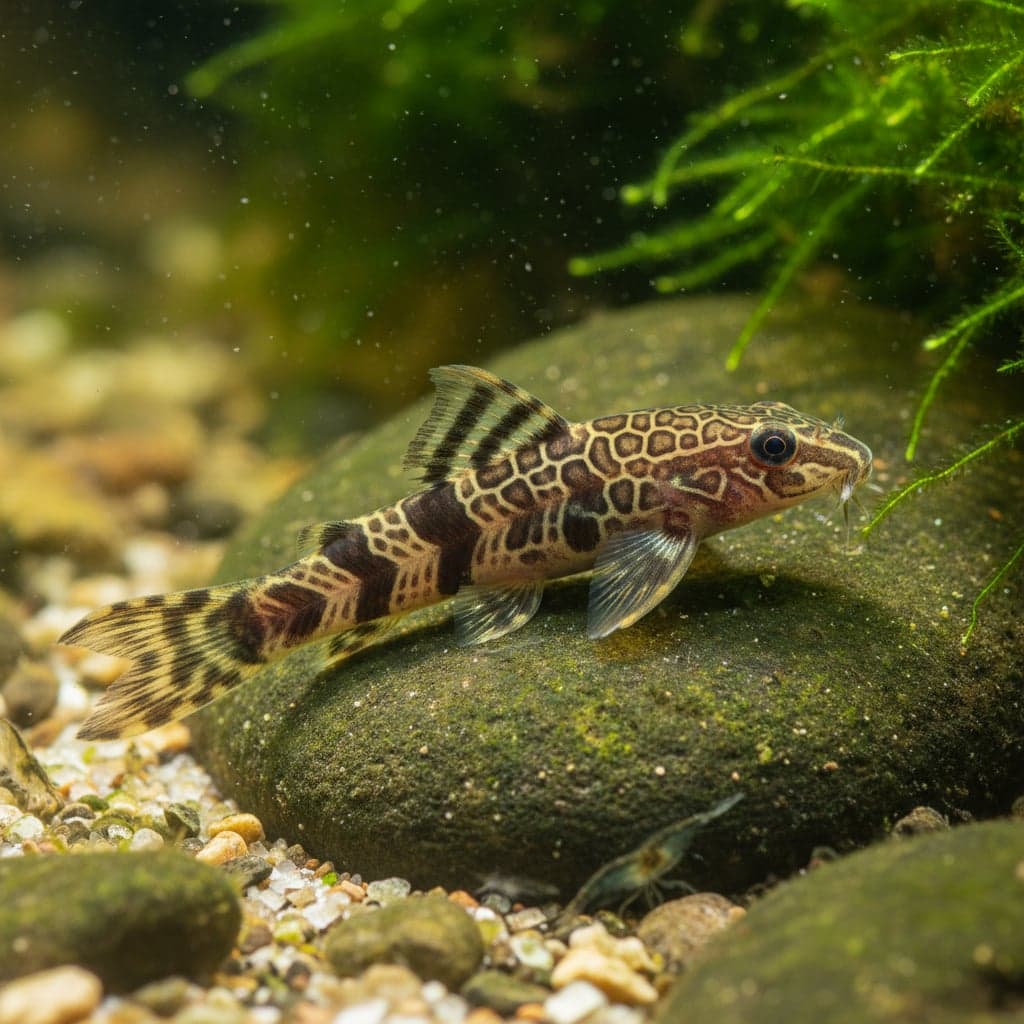
- Hillstream Loaches (Sewellia, Gastromyzon)
- Large Mountain Shrimp (Amano, Bamboo Shrimp)
- Fast-water Barbs (like Denison Barbs)
- Rainbowfish
- Other peaceful, fast-water species
Avoid housing them with slow-moving fish that might be bothered by the high flow, or with very small fish that might be seen as food by a large adult goby.
Breeding
Breeding Awaous guamensis in captivity is considered nearly impossible due to their complex amphidromous lifecycle. While adults will readily spawn in freshwater, the larvae require a transition to saltwater to develop, followed by a return to freshwater. This precise shift in salinity and the specific micro-plankton needed for the larvae are extremely difficult to replicate in a home aquarium.
Common Health Issues
They are generally robust if their high-oxygen needs are met. The most common stressor is a lack of oxygen or poor water flow, which leads to rapid breathing and lethargy. They are also prone to mechanical injury if the substrate is sharp, so smooth sand and stones are essential. Like most gobies, they can be sensitive to certain medications, particularly those containing copper.