Green Laser Cory (CW009)
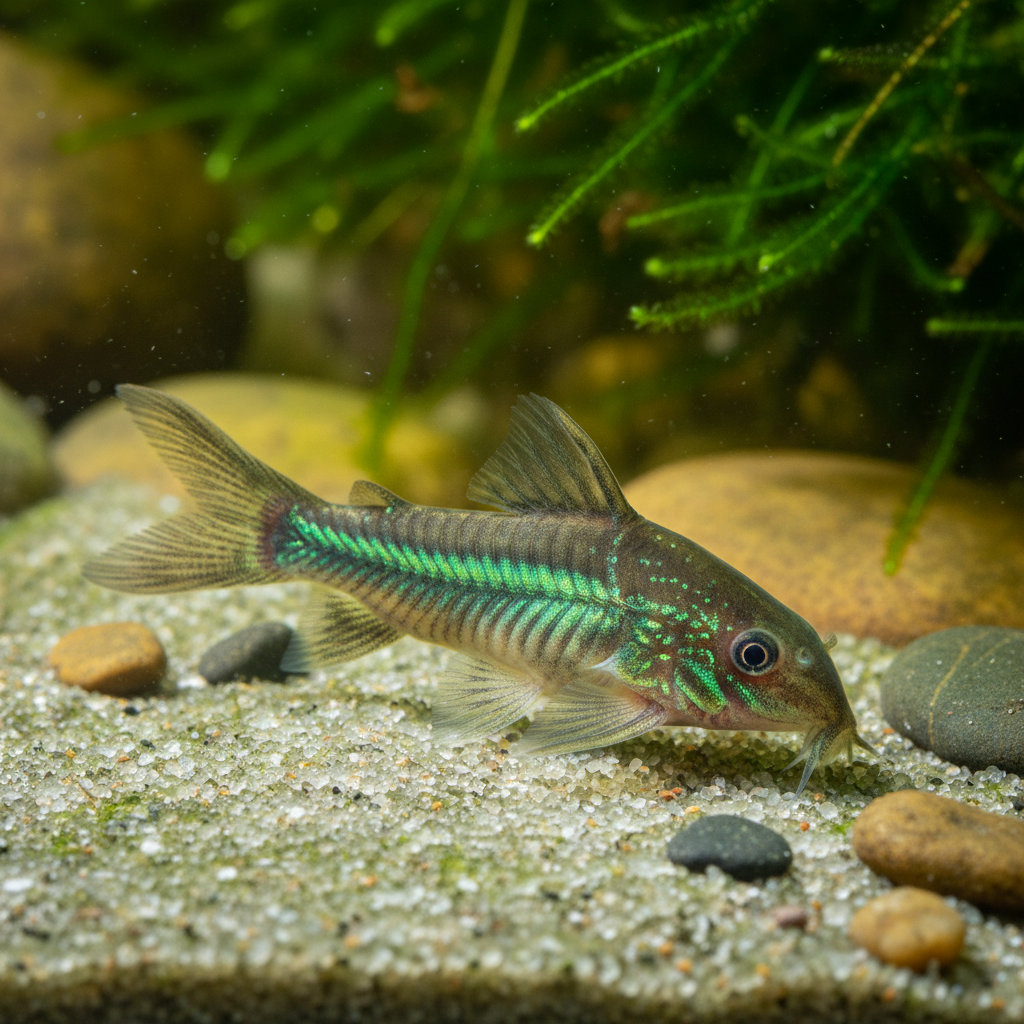
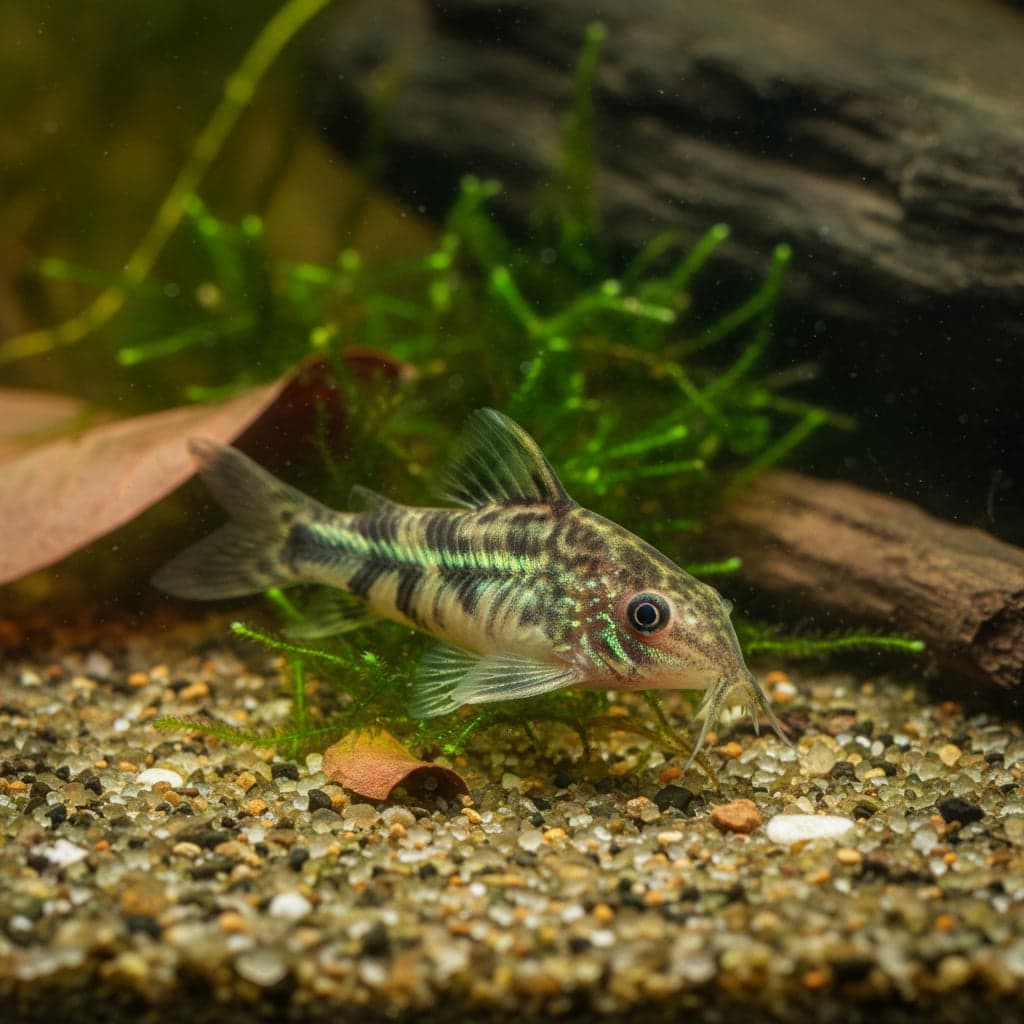
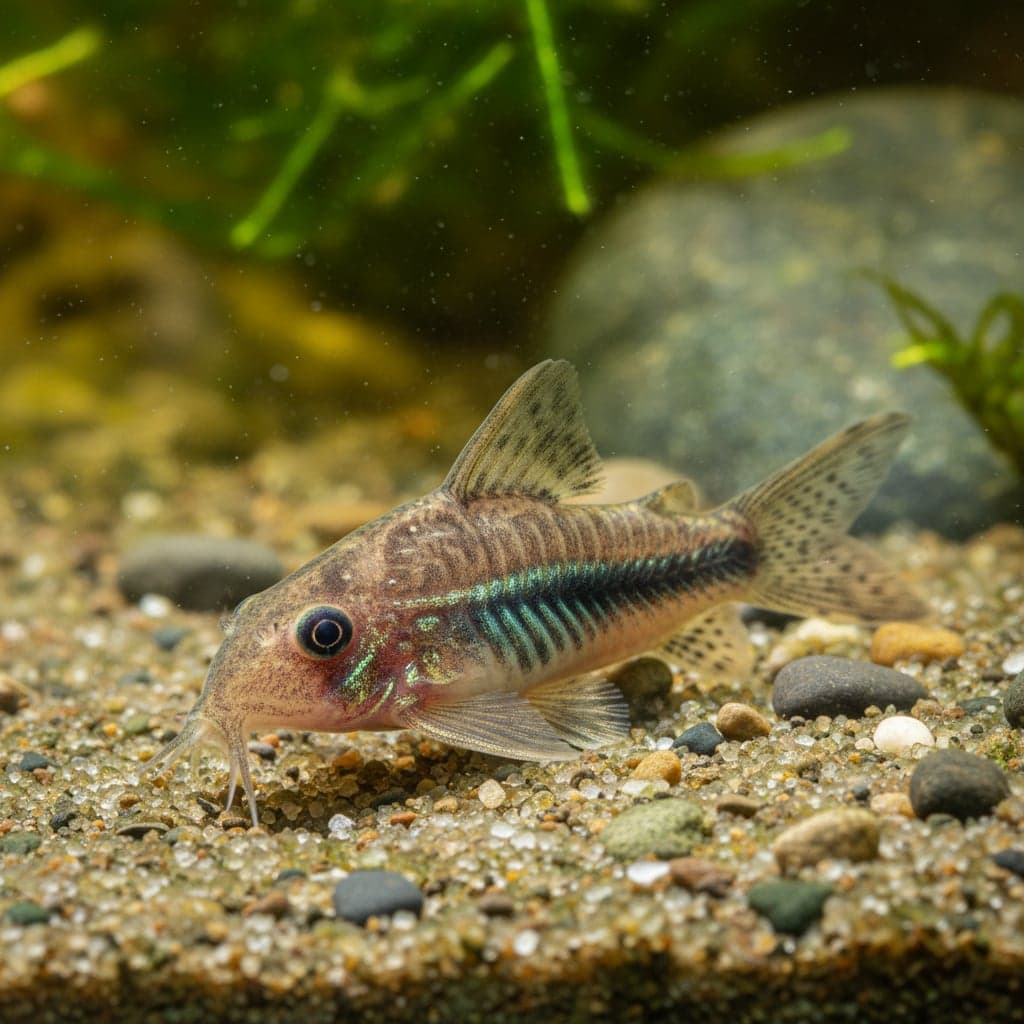
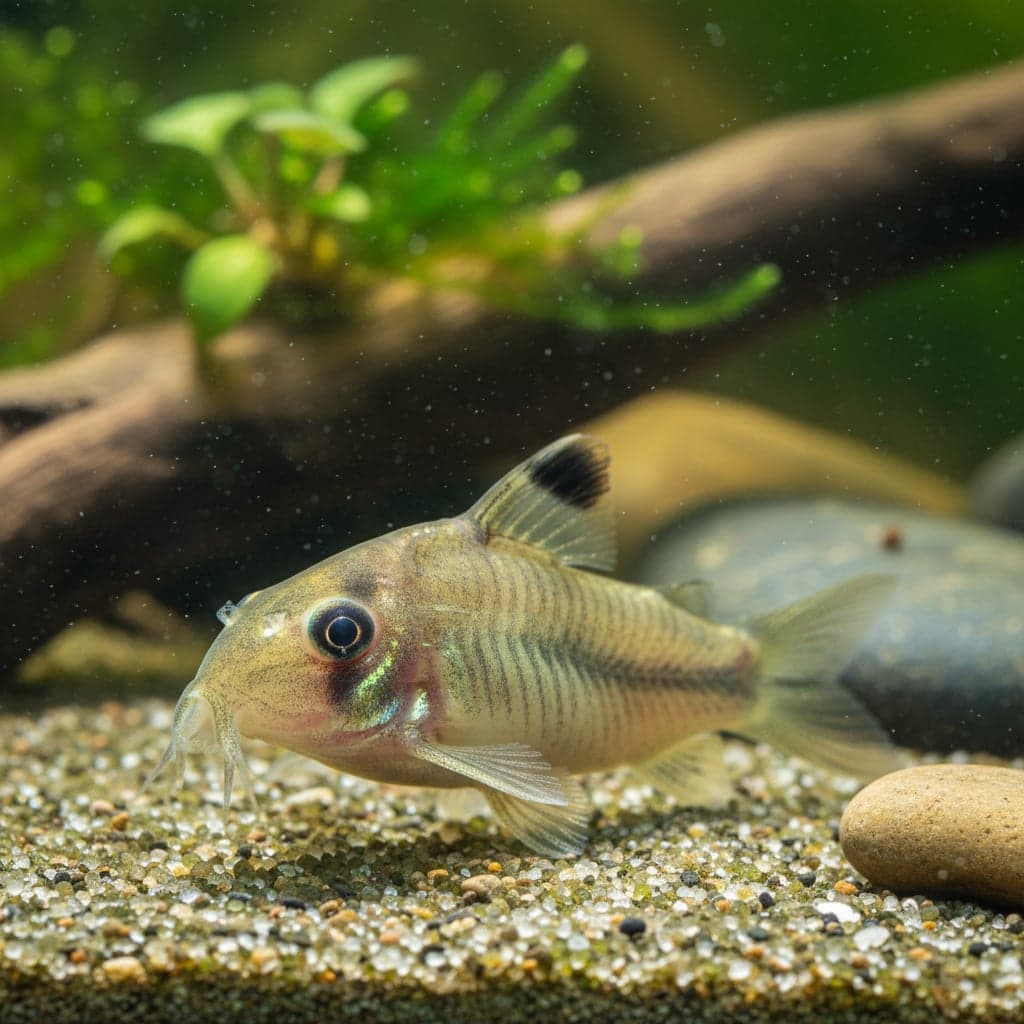
The Green Laser Cory (CW009) is one of the most visually stunning members of the aeneus group, famous for its luminous, neon green 'laser' stripe that glows with intense iridescence.
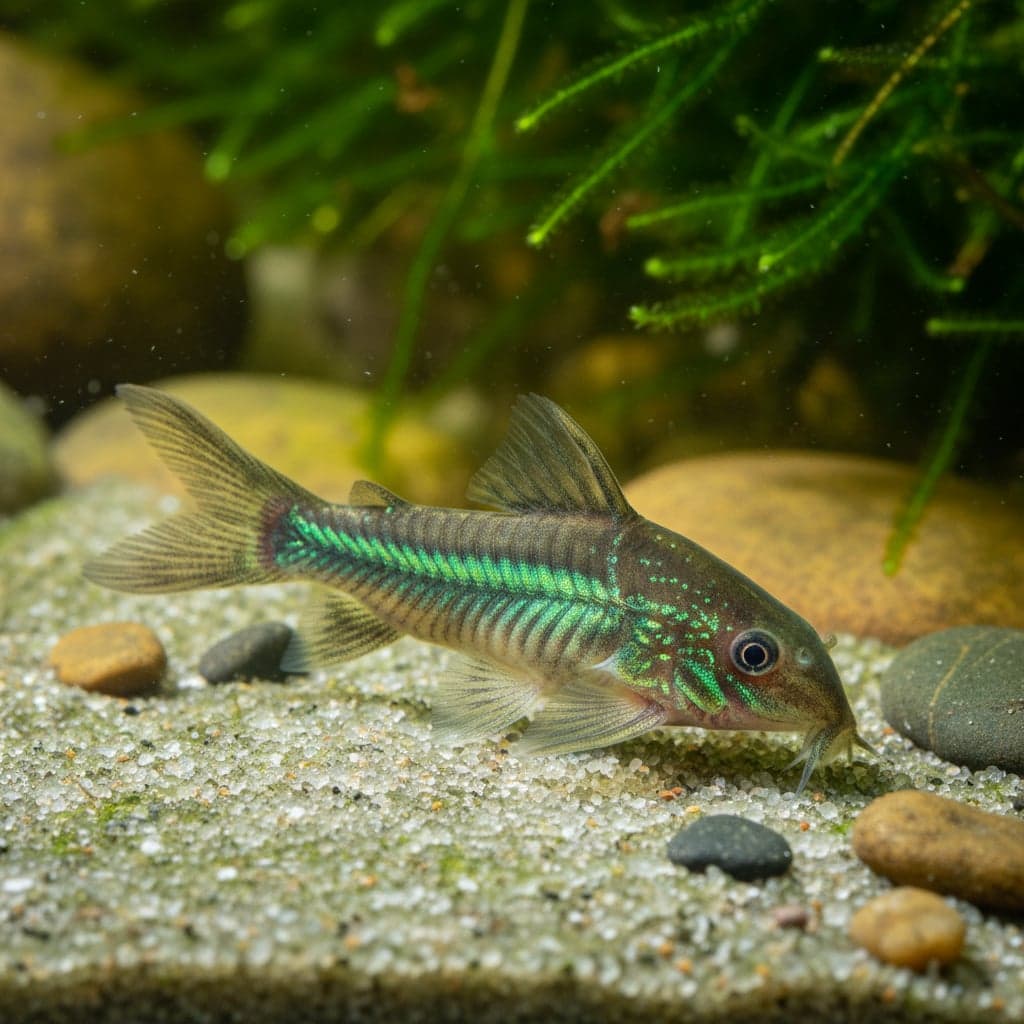
Green Laser Cory (CW009)
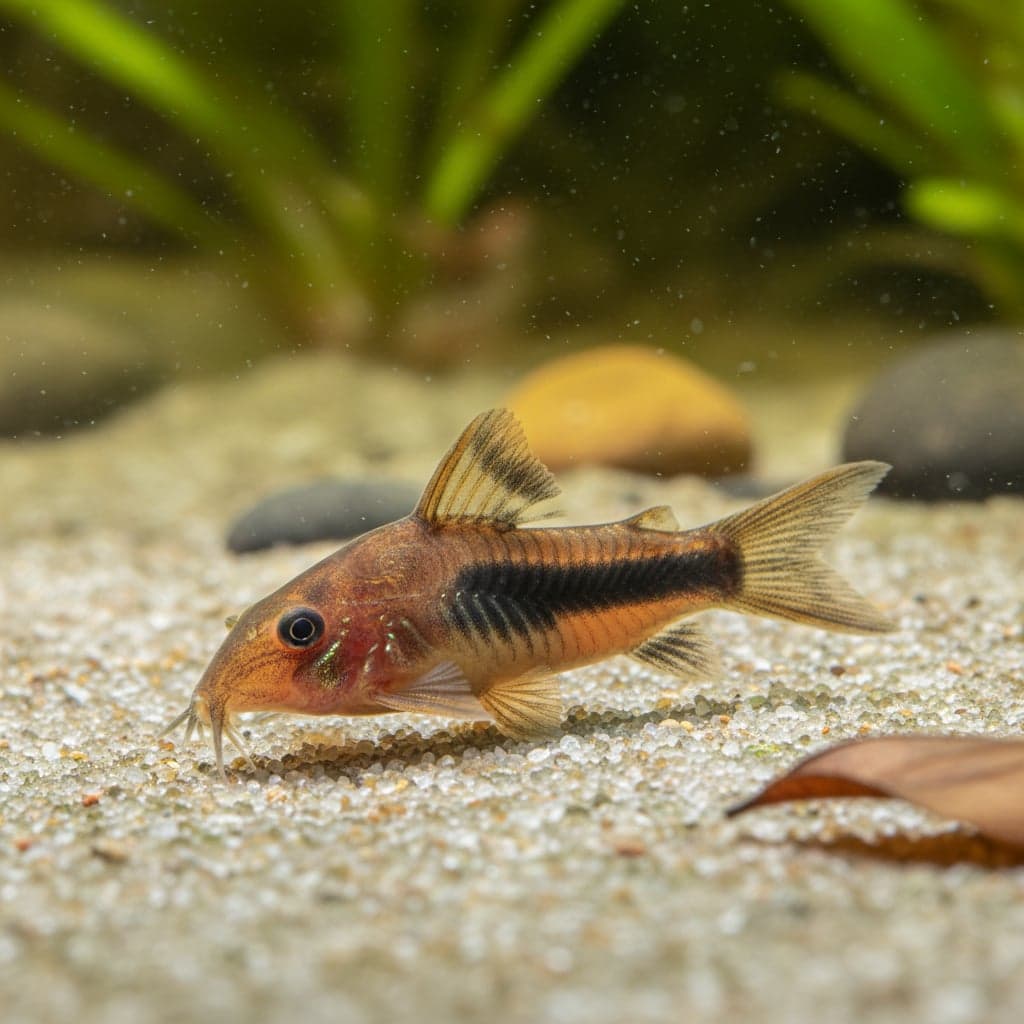
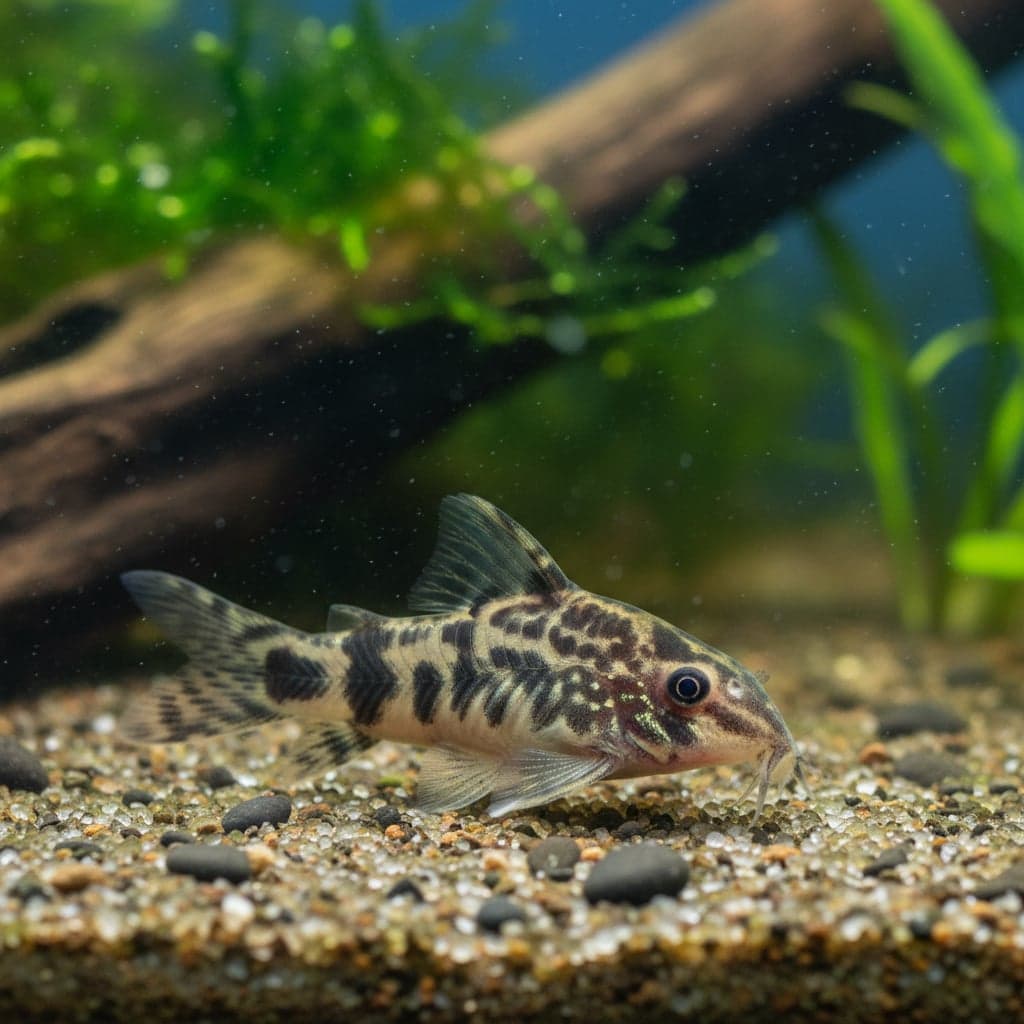
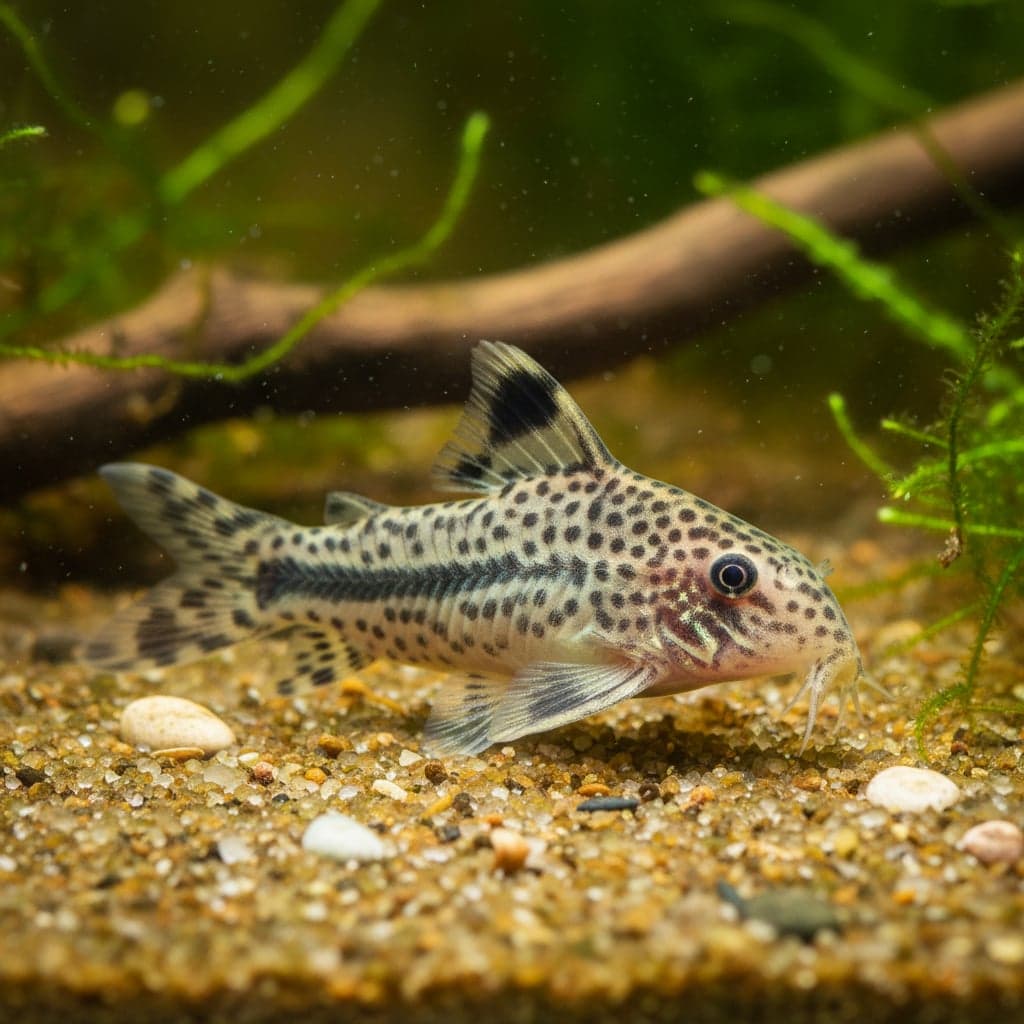
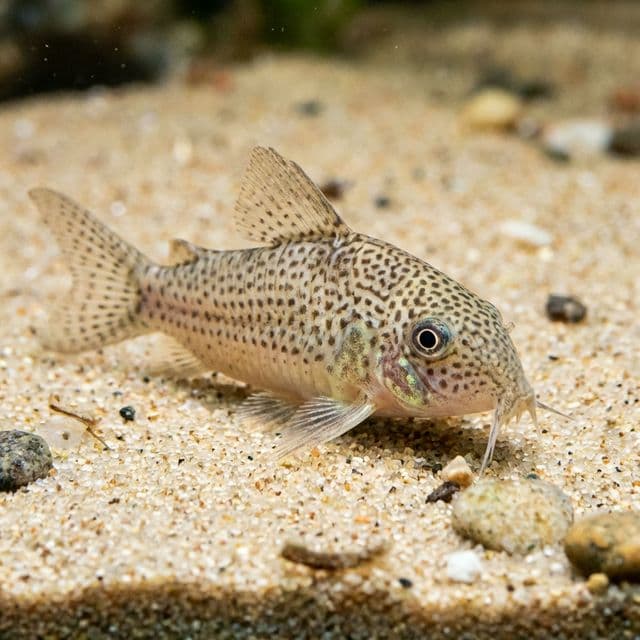
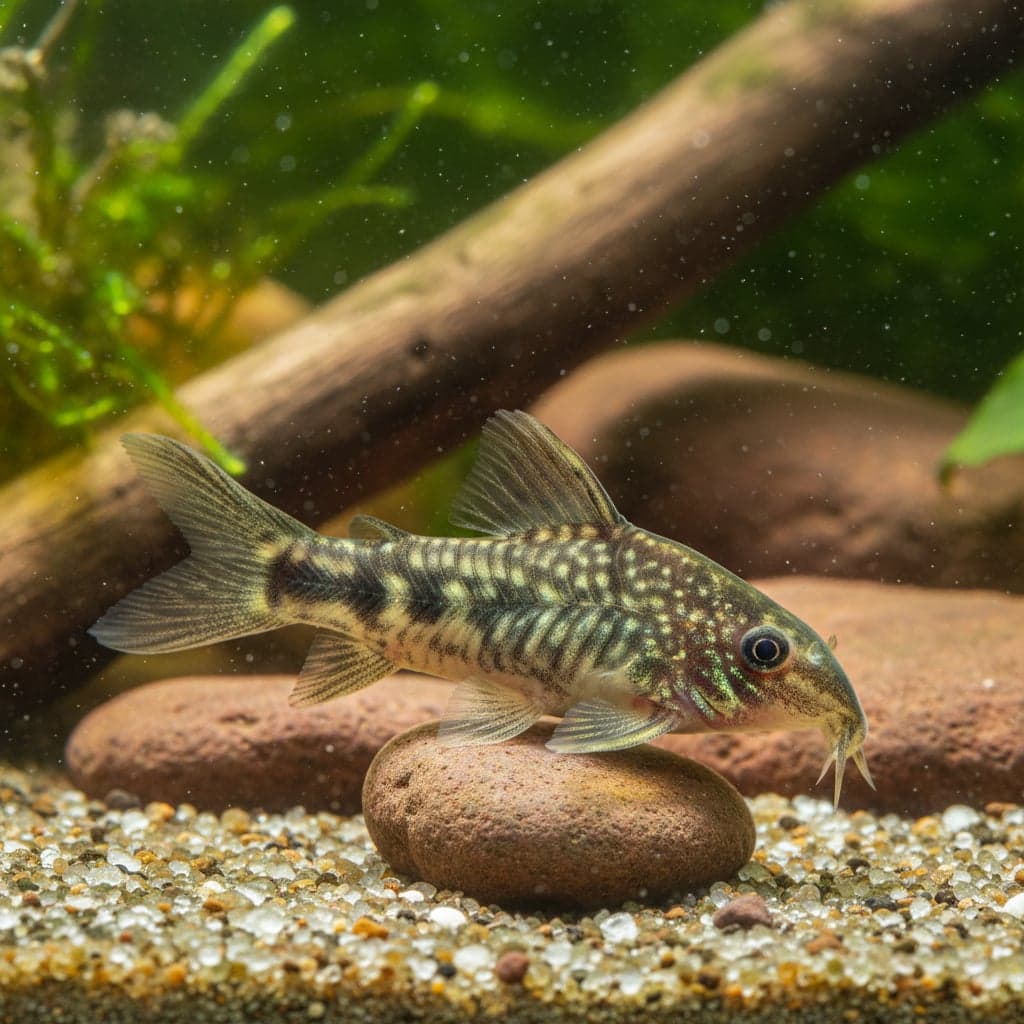
The Green Laser Cory (Corydoras sp. CW009) is a true showstopper in the aquarium world. While it is closely related to the common Bronze Cory (C. aeneus), it is distinguished by a brilliant, neon-green stripe that runs from the top of its head all the way down its back to the base of its tail. This stripe is highly iridescent and appears to "light up" like a laser when it catches the light.
Growing to approximately 2.5 inches (6 cm), it is a robust and energetic shoaling fish. The body often has a deep, bronzy-green base color that provides the perfect backdrop for its luminous marking.
Natural Habitat & Origin
This species is native to the Rio Huallaga basin in Peru. They are typically found in tributaries and smaller streams with moderate flow, usually over sandy or fine gravel substrates. The water in the Rio Huallaga is often slightly cooler and softer than the main Amazon river, which influences their preferred care parameters. They are often found in large schools near the edges of the river where sunken wood and leaf litter provide both food and shelter.
Care Requirements
Green Laser Corys are exceptionally hardy and adaptable, but they truly shine when kept in conditions that mimic their Peruvian home. They prefer a temperature range of 72°F to 79°F (22°C to 26°C) and a pH between 6.0 and 7.5.
A minimum tank size of 20 gallons (80L) is required for a small group. The most critical setup requirement is a sandy substrate; fine, smooth sand is essential to protect their sensitive barbels, which they use to sift for food. Avoid sharp gravel, as it can cause sores and infections. Proving plenty of hiding spots with driftwood and broad-leaved plants (like Amazon Swords or Anubias) will help them feel secure and encourage them to be more active.
Diet & Feeding
Like all corys, they are social omnivores that spend most of their time "rooting" through the sand. In the wild, they consume a mix of insect larvae, small crustaceans, and organic detritus.
In the aquarium, they should be fed a variety of high-quality sinking pellets and wafers designed for catfish. To maintain their neon stripe's intensity and their overall health, their diet should be supplemented with live or frozen foods such as bloodworms, daphnia, and brine shrimp. Note: Always ensure that sinking food actually reaches the bottom and isn't entirely consumed by faster middle-layer fish.
Behavior & Temperament
Green Laser Corys are peaceful and highly social. They MUST be kept in groups of at least 6 individuals; they are much more active, confident, and visually stunning when they have a proper school to interact with. In a group, they are constantly active, darting around the bottom and occasionally "blinking" at the surface to gulp air.
They are strictly bottom-dwellers and are completely peaceful toward all other tank inhabitants. Their active and inquisitive nature makes them a favorite for community tanks.
Tank Mates
Suitable tank mates include any peaceful species that share their soft-water, moderate-temperature preferences:
- Tetras (Cardinal, Rummy-nose, Lemon)
- Dwarf Cichlids (Apistogramma, Ram Cichlids)
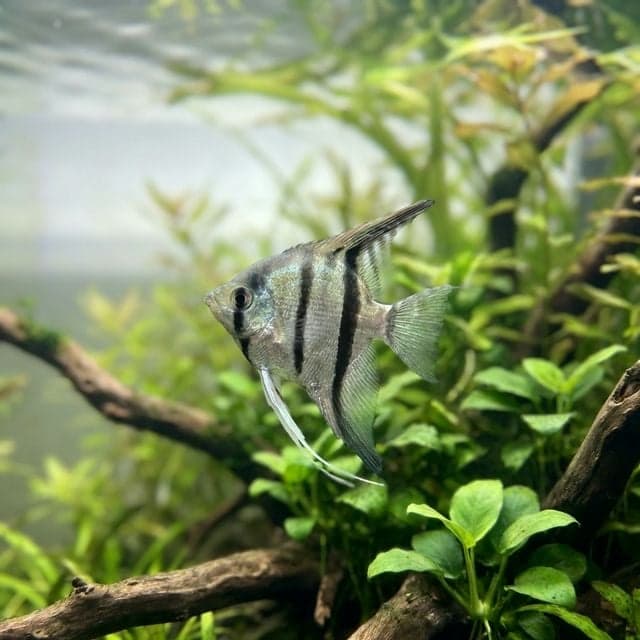
- Angelfish
- Other peaceful Corydoras species
- Small Loricariids (Plecos)
Avoid housing them with large, aggressive fish or very boisterous species that might outcompete them for food or nip at their fins.
Breeding
Breeding Corydoras sp. CW009 is very similar to breeding C. aeneus. They are egg-depositors. Spawning is typically triggered by a large water change with slightly cooler water (a 20-30% drop in temperature), mimicking the onset of the rainy season. The female will carry eggs in a "basket" formed by her pelvic fins while the male fertilizes them, before she adheres them to a clean surface like the aquarium glass or a broad plant leaf. The parents do not provide care and will eat the eggs if given the chance. Fry hatch in 3-5 days and can be fed infusoria and later newly hatched brine shrimp.
Common Health Issues
They are generally robust, but the health of their barbels is the best indicator of their overall well-being. Worn or infected barbels are usually a sign of sharp substrate or high nitrates. Maintaining clean water and a sandy substrate is the best preventative measure. They are also sensitive to certain medications, particularly those containing copper or high levels of salt.