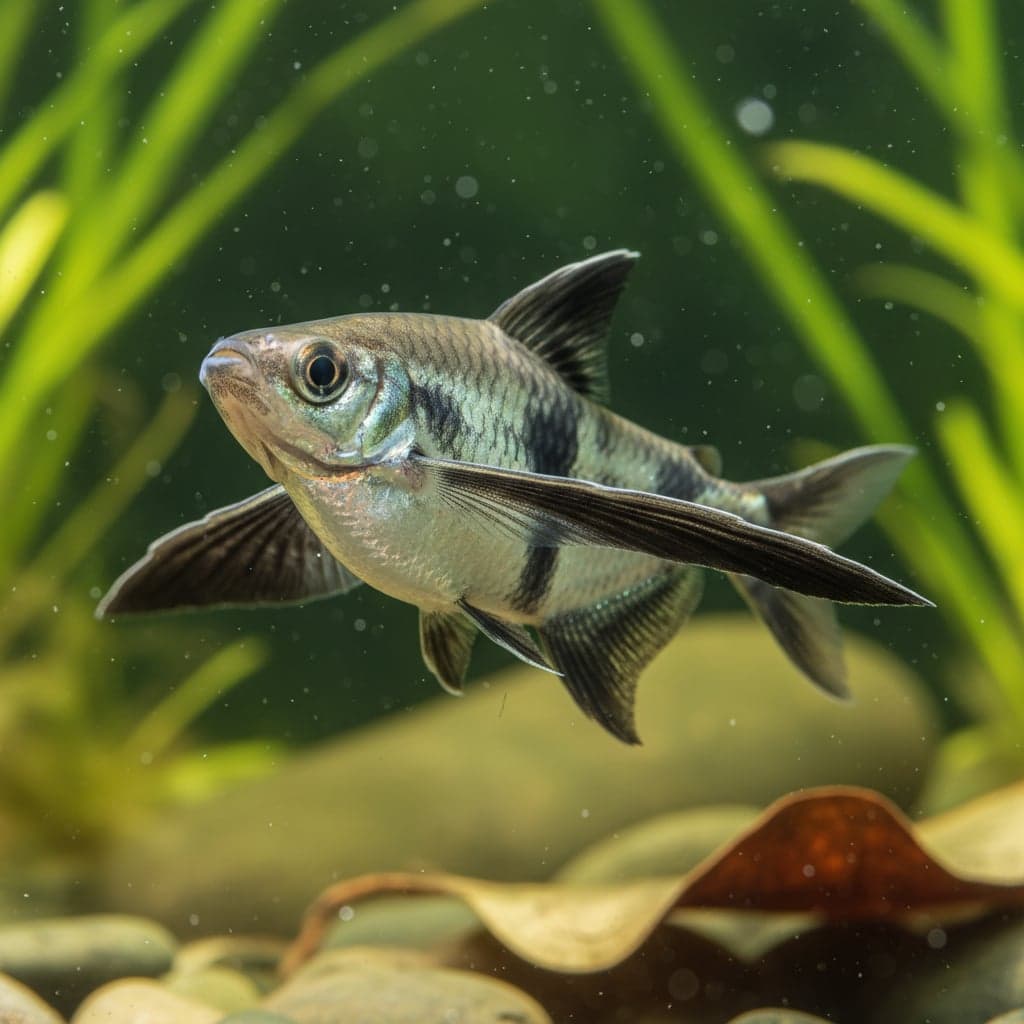
Gulper Catfish
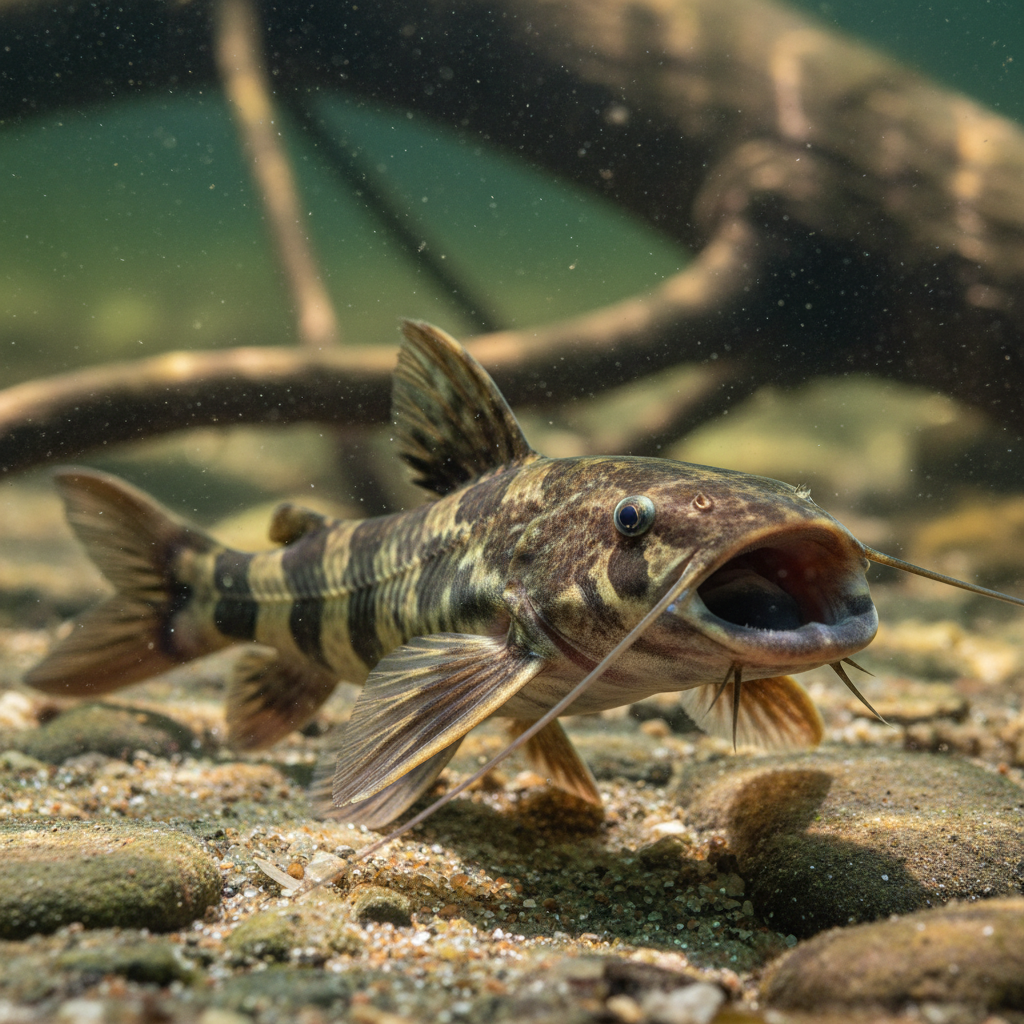
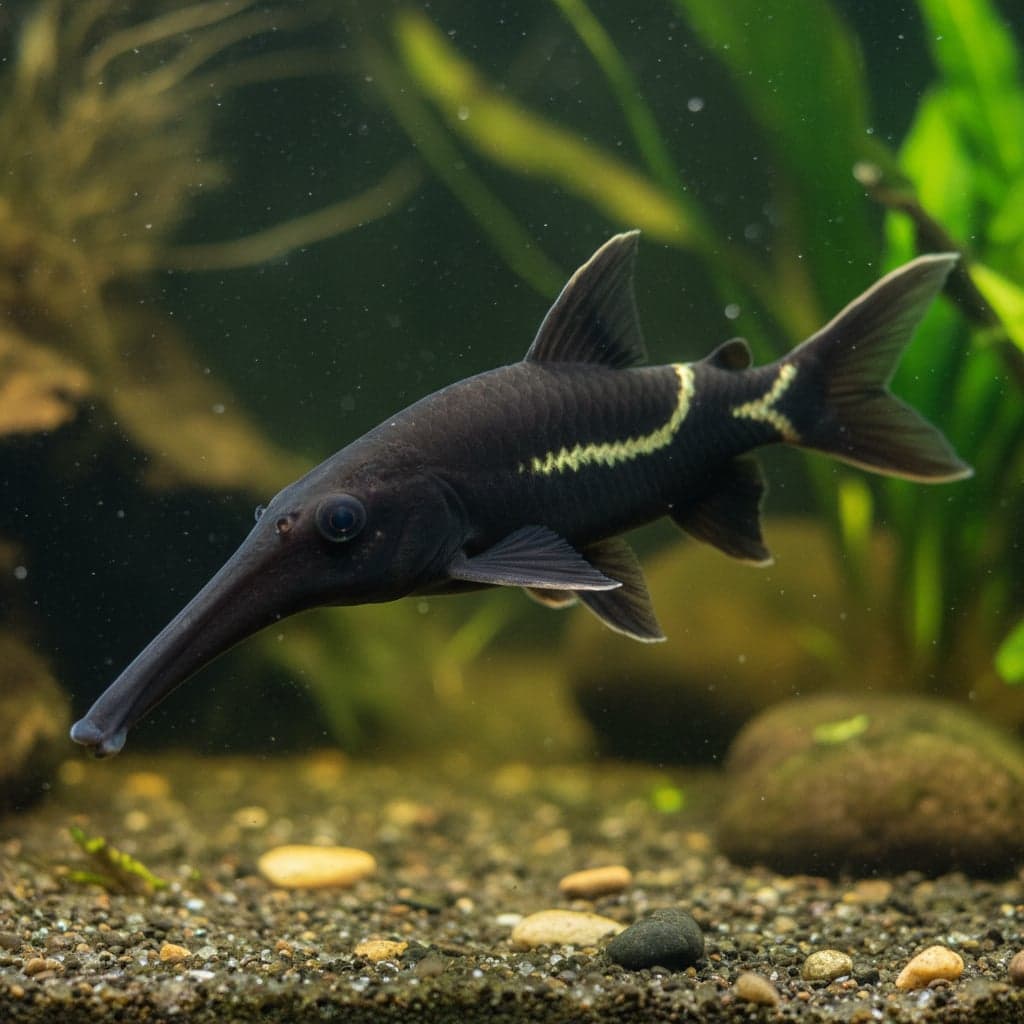
The Gulper Catfish (Asterophysus batrachus) is a true oddity of the Amazon, renowned for its enormous, expandable mouth that allows it to swallow prey nearly the same size as its own body.
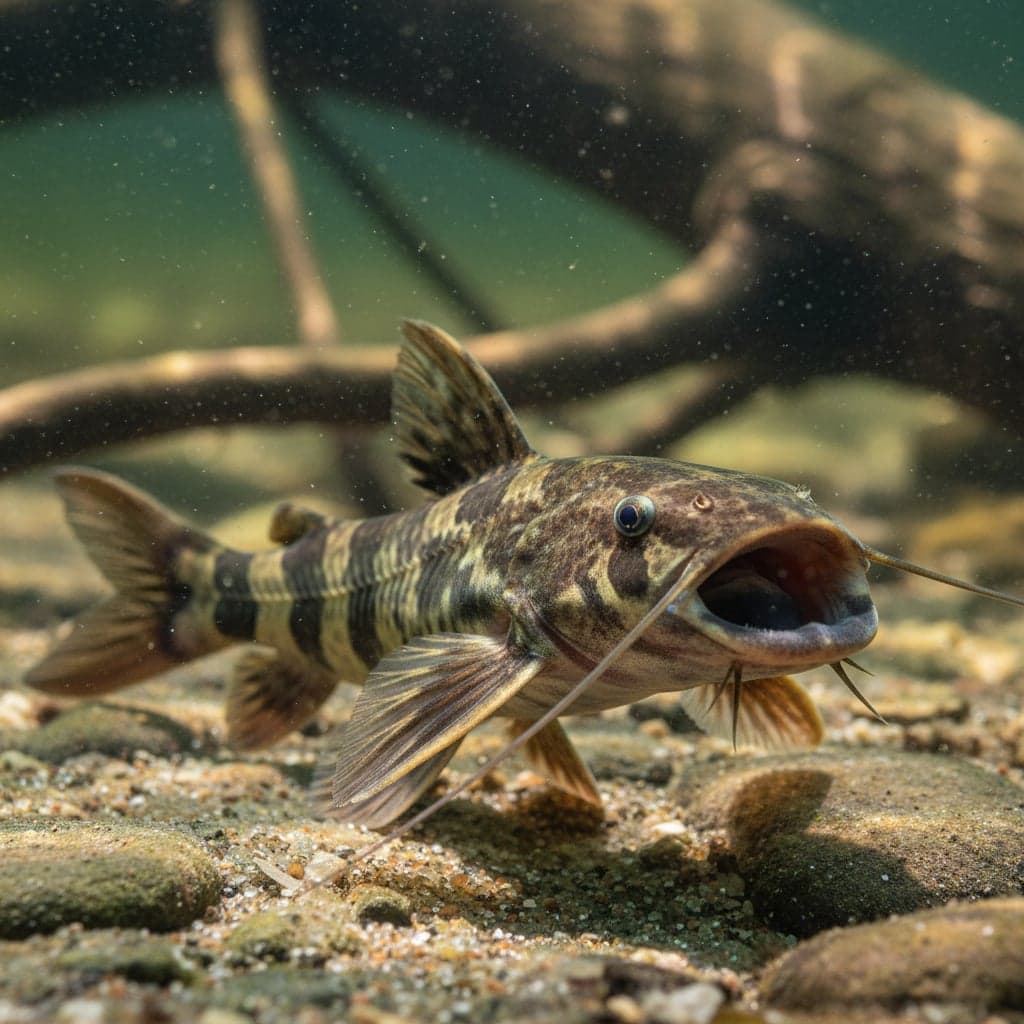
Gulper Catfish
The Gulper Catfish (Asterophysus batrachus), also known as the Ogre Catfish, is one of the most bizarre and specialized predators in the aquatic world. It features a bulbous, tadpole-like body with tiny eyes and a mouth that seems disproportionately large even for a catfish.
Its fame comes from its extraordinary feeding mechanism: its mouth can gape wider than its own body diameter, and its stomach is highly elastic. This allows a 10-inch Gulper Catfish to swallow a fish of almost equal length or mass. Because of this, it is the ultimate "solitary" pet; anything kept with it is eventually viewed as a potential meal.
Natural Habitat & Origin
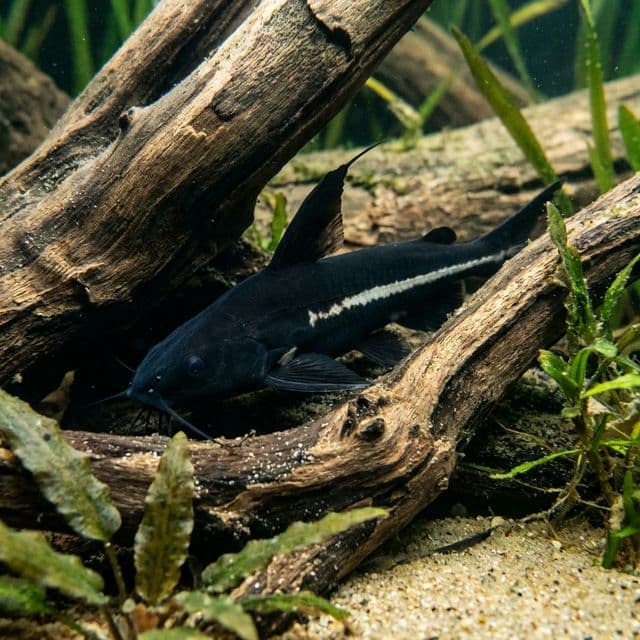
Contrary to some common misconceptions, the Gulper Catfish is not an Asian species. It is native exclusively to the Rio Negro and Rio Orinoco basins in South America (Brazil and Venezuela). It inhabits slow-moving blackwater rivers and forest pools, where the water is soft, highly acidic, and stained dark with tannins. They are found in areas with heavy submerged wood and leaf litter, where they can perfectly camouflage themselves as pieces of driftwood.
Care Requirements
The Gulper Catfish is a sedentary ambush predator and does not require a massive amount of swimming space, but it does require high water quality. A minimum tank size of 55 gallons (200L) is sufficient for a single adult. The most critical requirement is soft, acidic water (pH 5.5 - 6.5) and a warm temperature between 75°F and 82°F (24°C to 28°C).
The aquarium should be set up as a "blackwater" biotope with a sand substrate, plenty of large driftwood branches, and leaf litter. Floating plants are excellent for providing the dim lighting they prefer. Because they are messy eaters (when they do eat), efficient filtration is necessary, but the water flow should be kept low to mimic their natural habitat.
Diet & Feeding
Gulper Catfish are obligate carnivores. In the wild, they wait motionless for small fish or crustaceans to wander too close before vacuuming them in with a sudden, powerful gulp.
In captivity, they should be transitioned to high-quality frozen or fresh meaty foods. Large pieces of white fish, whole shrimp (shell on), and earthworms are ideal. Avoid overfeeding. Because they can consume such massive amounts in one sitting, they have a slow metabolism and only need to be fed once or twice a week. Overfeeding can lead to fatal digestive blockers or "bloat."
Behavior & Temperament
The Gulper Catfish is a nocturnal ambush predator. During the day, it is almost entirely inactive, squeezing into a crevice or resting against a piece of wood. At night, it becomes a slow, methodical hunter, prowling the bottom for prey.
They are generally and surprisingly "peaceful" with their own kind, but they are an absolute threat to almost any other fish. They are not "aggressive" in the sense of fighting or nipping; they simply see anything that moves as food.
Tank Mates
The only "safe" tank mates for a Gulper Catfish are other Gulper Catfish of a similar size. Even then, they have been known to attempt to swallow their own species if there is a significant size difference.
If you must attempt a community, the tank mates must be at least 50% larger than the Gulper Catfish and extremely robust. Even then, it is highly risky. Suitable candidates might include:
- Large Loricariids (Plecos) like a full-grown L014 or L600
- Large, deep-bodied fish like full-grown Silver Dollars
- Large, non-aggressive cichlids
Avoid any fish that is slender (like many characins) or slow-moving.
Breeding
Breeding Asterophysus batrachus in captivity is extremely rare and very few documented successes exist. They are believed to be "internal fertilizers," a rarity among catfish, where the male possesses a modified urogenital papilla. Little else is known about their spawning habits or fry development.
Common Health Issues
The most common health issues are internal parasites (common in wild-caught specimens) and digestive issues from overfeeding or being fed inappropriate, fatty foods. They are also sensitive to high nitrates and sudden shifts in pH. Because they are scale-less, they are more sensitive to certain medications. Maintaining stable blackwater conditions and a moderate feeding schedule is the best preventative measure.