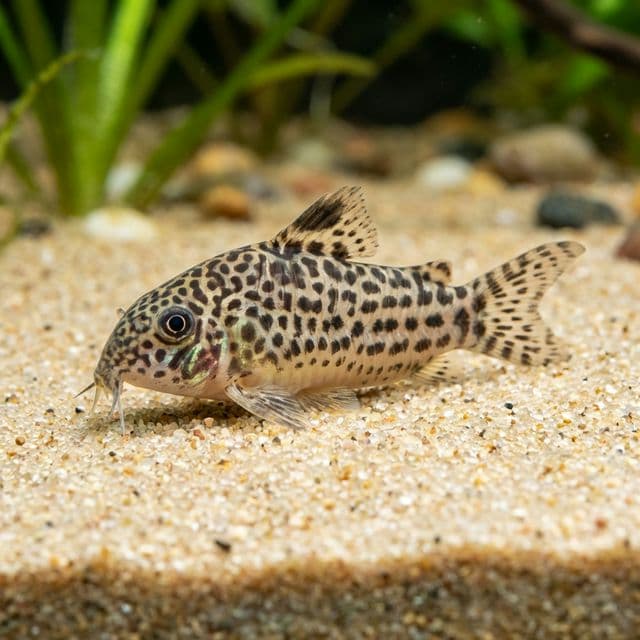
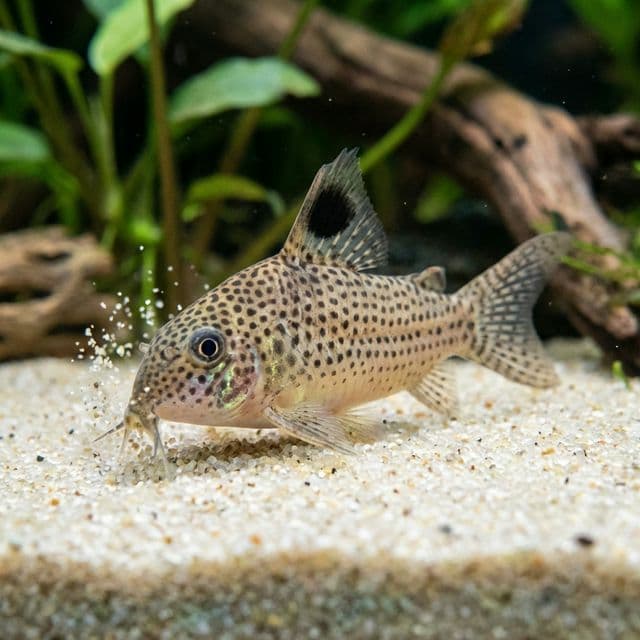
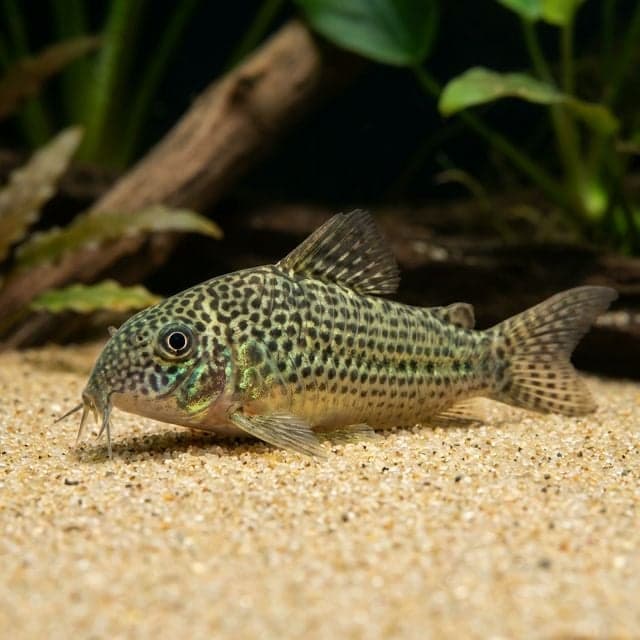
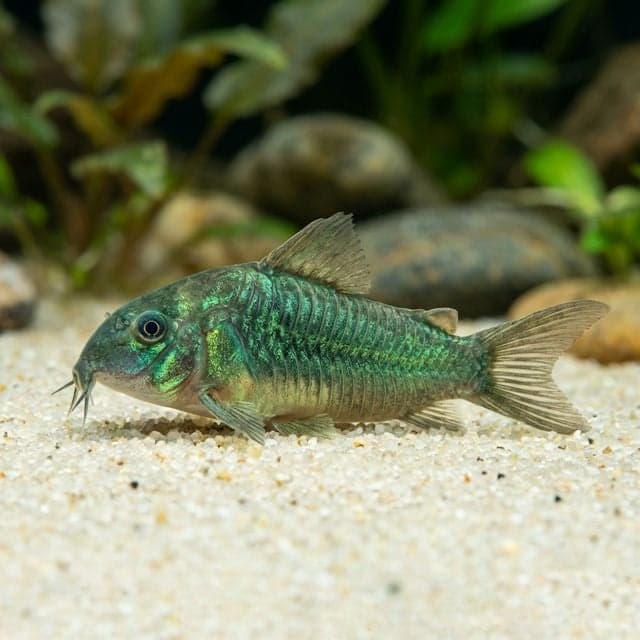
Hog-nosed Brochis: Brochis multiradiatus
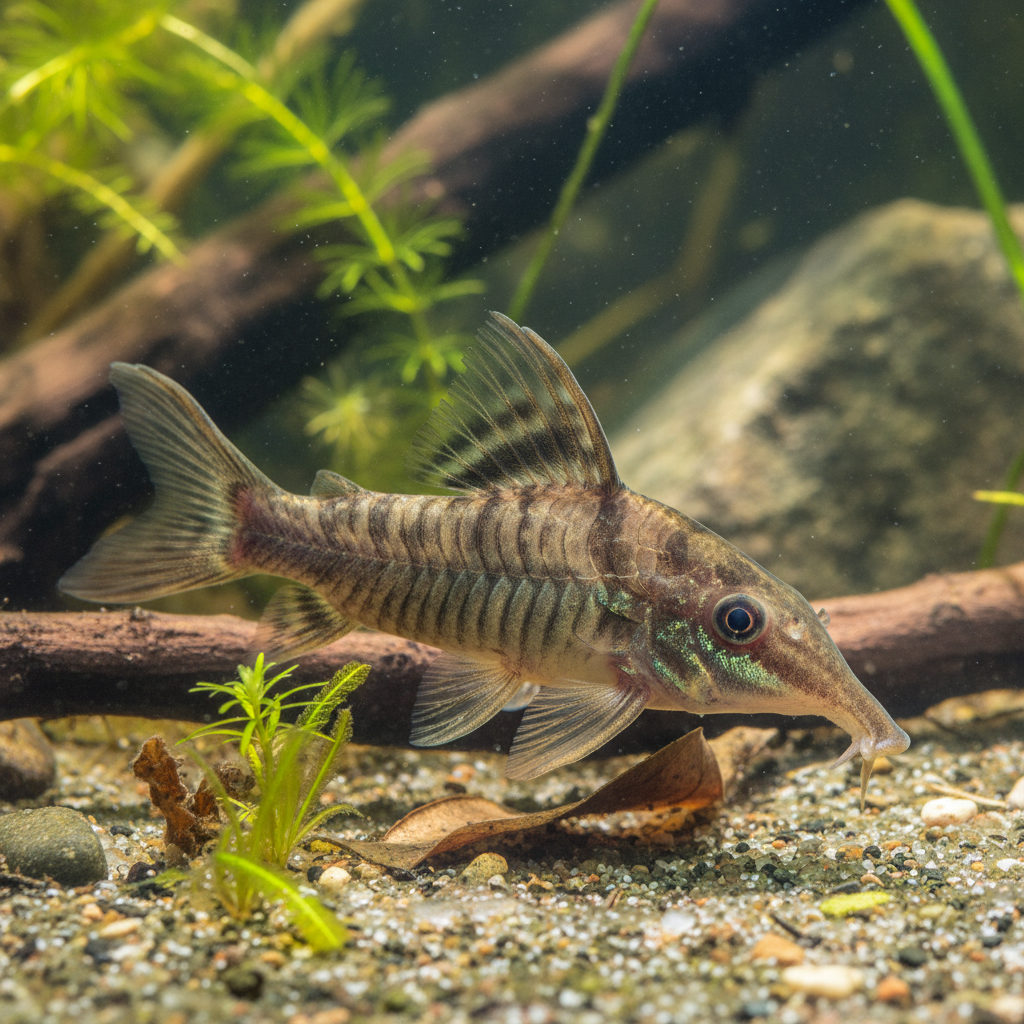
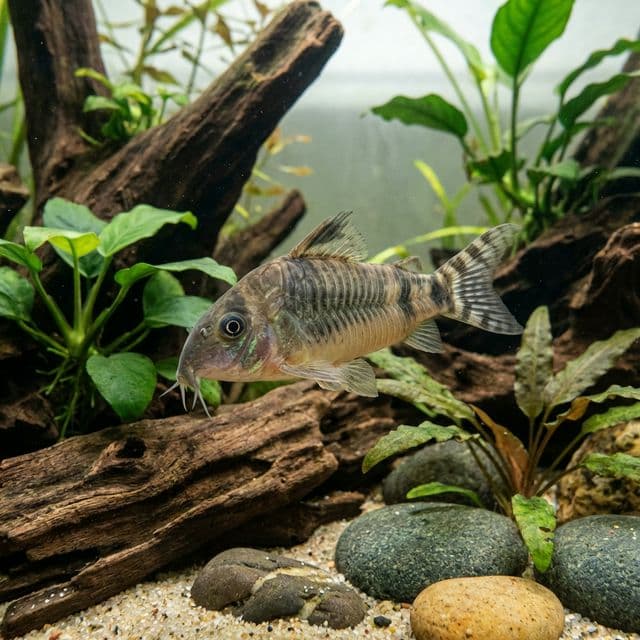
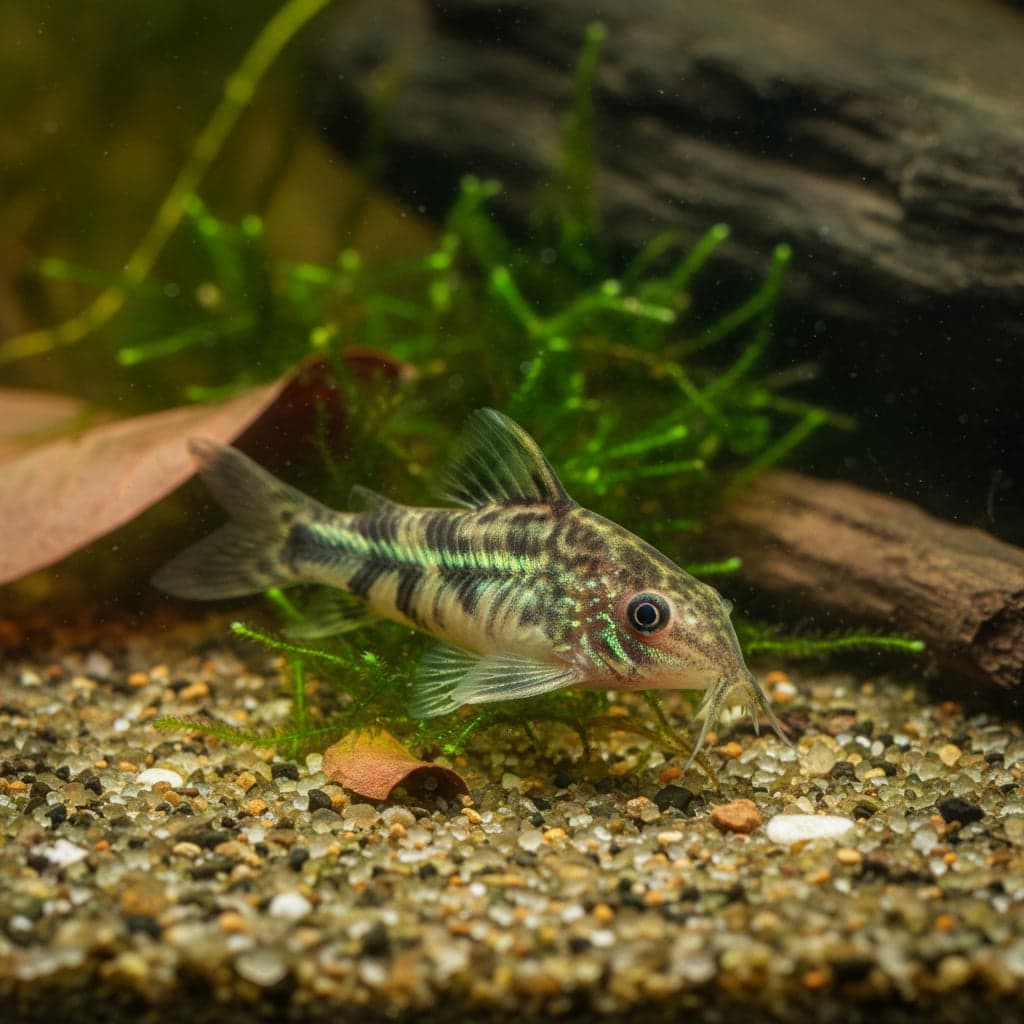
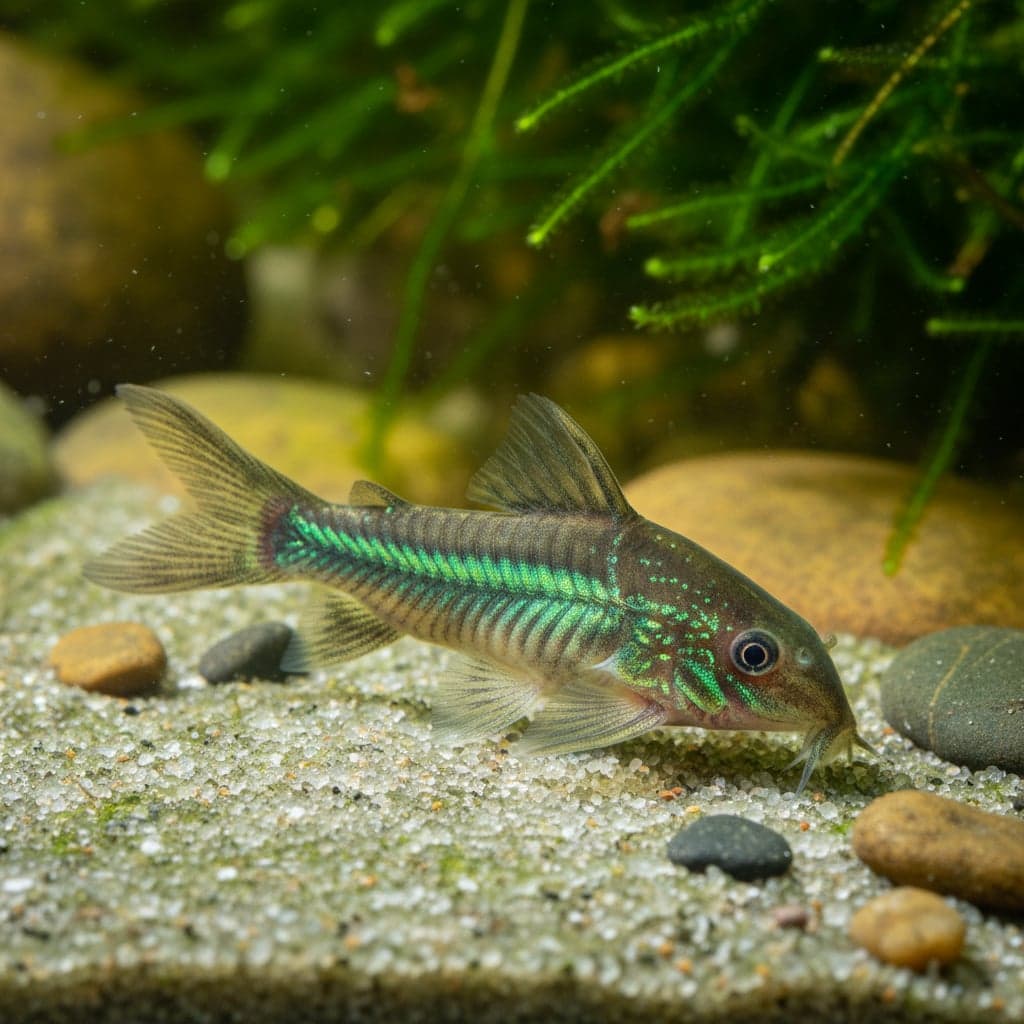
The Hog-nosed Brochis (Brochis multiradiatus) is a giant, heavily armored relative of the Corydoras, famous for its intense metallic emerald sheen and its distinctively elongated rostrum.
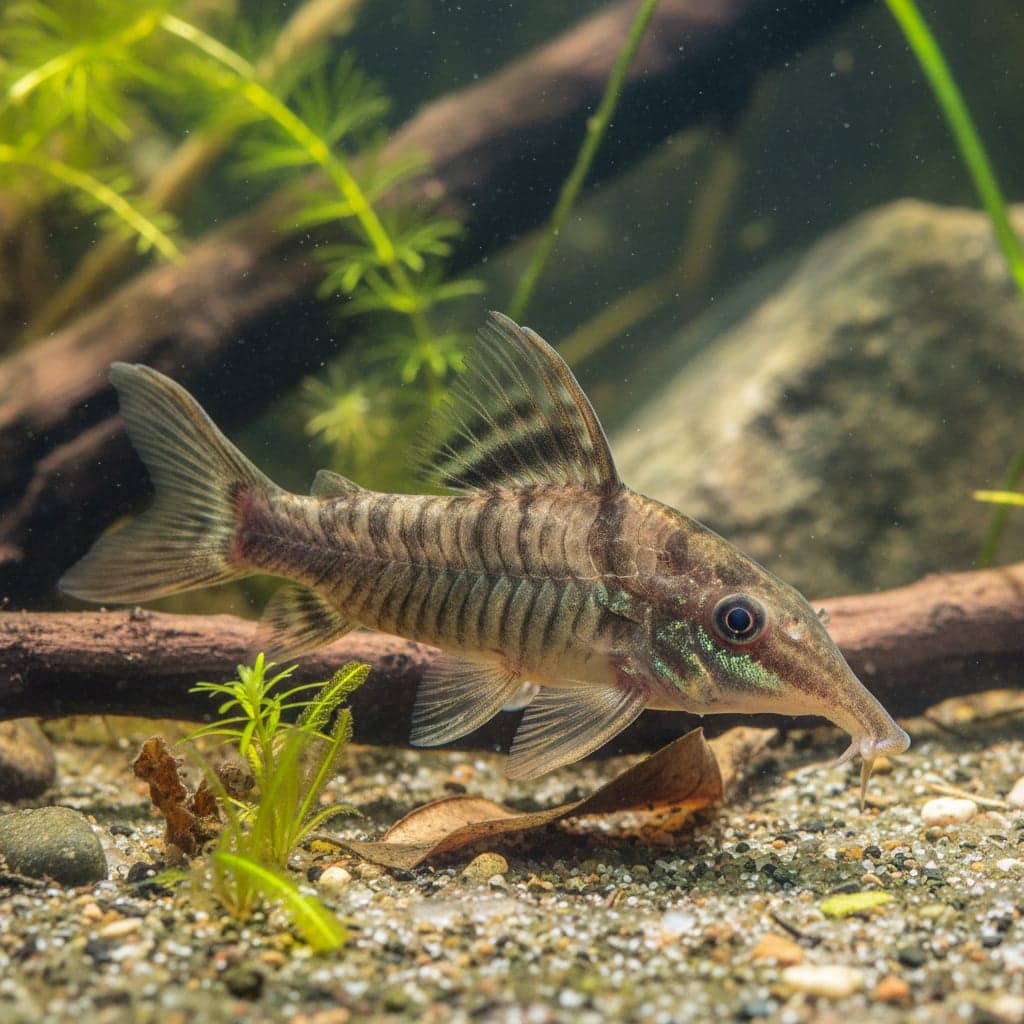
The Hog-nosed Brochis (Brochis multiradiatus), also known as the Long-snouted Brochis or Emerald Brochis (a name it shares with its smaller cousin B. splendens), is the giant of the armored catfish world. It is a stunning species defined by a brilliant, metallic emerald-green or deep turquoise iridescence that covers its entire body, including its armored scutes. Its most distinguishing physical feature is its exceptionally long, downward-sloping "hog-like" snout and a remarkably high dorsal fin that possesses 17 or more soft rays—nearly double the count found in standard Corydoras species.
In the aquarium, they are prized for their peaceful nature and their robust, "armored tank" appearance. While they look intimidating due to their large size and heavy plating, they are gentle giants that spend their days cooperatively sifting through the substrate in search of food.
Natural Habitat & Origin
Brochis multiradiatus is native to the upper Amazon River basin, specifically found in the slow-moving rivers and floodplain lakes of Ecuador and Peru. They inhabit areas with soft, sandy substrates and a high degree of submerged organic matter. The water in these regions is typically soft, acidic to neutral, and stained with tannins from decomposing leaf litter.
Care Requirements
The Hog-nosed Brochis is a hardy species, but its large size and social nature require a more spacious aquarium than its smaller corydoras relatives. A minimum tank size of 30 gallons (100L) is recommended, but a larger footprint is preferred to accommodate a healthy shoal.
Maintain stable parameters: a pH of 6.0 to 7.5 and a temperature of 72°F to 79°F (22°C to 26°C). The most critical requirement for their well-being is a soft, sandy substrate. Their long snout and delicate barbels are highly sensitive; coarse or sharp gravel can cause physical damage and lead to secondary bacterial infections. The tank should be well-planted with plenty of driftwood and caves to provide shaded areas where they can rest during the day.
Diet & Feeding
Hog-nosed Brochis are quintessential bottom-dwelling omnivores. In the wild, they use their long snout to root deep into the sand for aquatic insects, worms, and small crustaceans.
In captivity, they are eager feeders and should be provided with:
- High-quality sinking catfish pellets and tablets
- Frozen foods like Bloodworms, Mysis shrimp, and Blackworms (highly recommended for health)
- Live foods whenever possible to stimulate natural rooting behavior
- Supplementation with algae wafers or Repashy gel foods
It is important to ensure that food actually reaches the bottom, as more boisterous mid-water tank mates may consume everything before it sinks.
Behavior & Temperament
They are peaceful, gregarious, and deeply social. To see their natural behavior and reduce stress, they MUST be kept in a shoal of at least 6 individuals. In a group, they are confident and active, often resting together in "heaps" under driftwood. They are completely non-aggressive and can be kept with even the smallest and most delicate of tank mates.
Tank Mates
Suitable tank mates include other peaceful Amazonian species:
- Tetras, Rasboras, and Hatchetfish
- Dwarf Cichlids (Apistogramma)
- Other peaceful Catfish (like Corydoras or Loricariids)
- Angelfish and Discus (provided the temperature isn't too high)
Avoid keeping them with overly aggressive or large predatory fish that may view them as prey, though their heavy armor and defensive pectoral spines make them less vulnerable than most.
Breeding
Breeding Brochis multiradiatus in captivity is considered difficult and less common than breeding standard Corydoras. They are egg scatterers, typically spawning in the early morning after a large, cool water change (mimicking the onset of the rainy season). The female will carry eggs between her pelvic fins before depositing them on broad-leafed plants or the aquarium glass. The parents do not provide care and should be removed after spawning. Fry require infusoria and microworms initially.
Common Health Issues
They are generally robust. However, they are sensitive to poor substrate hygiene. Accumulation of waste in the sand can lead to "Barbel Erosion," where their sensory whiskers deteriorate. Maintaining a clean substrate through regular vacuuming and ensuring high water quality is essential. They are also sensitive to medications containing copper or high concentrations of salt.