Horseman's Cory: Corydoras eques
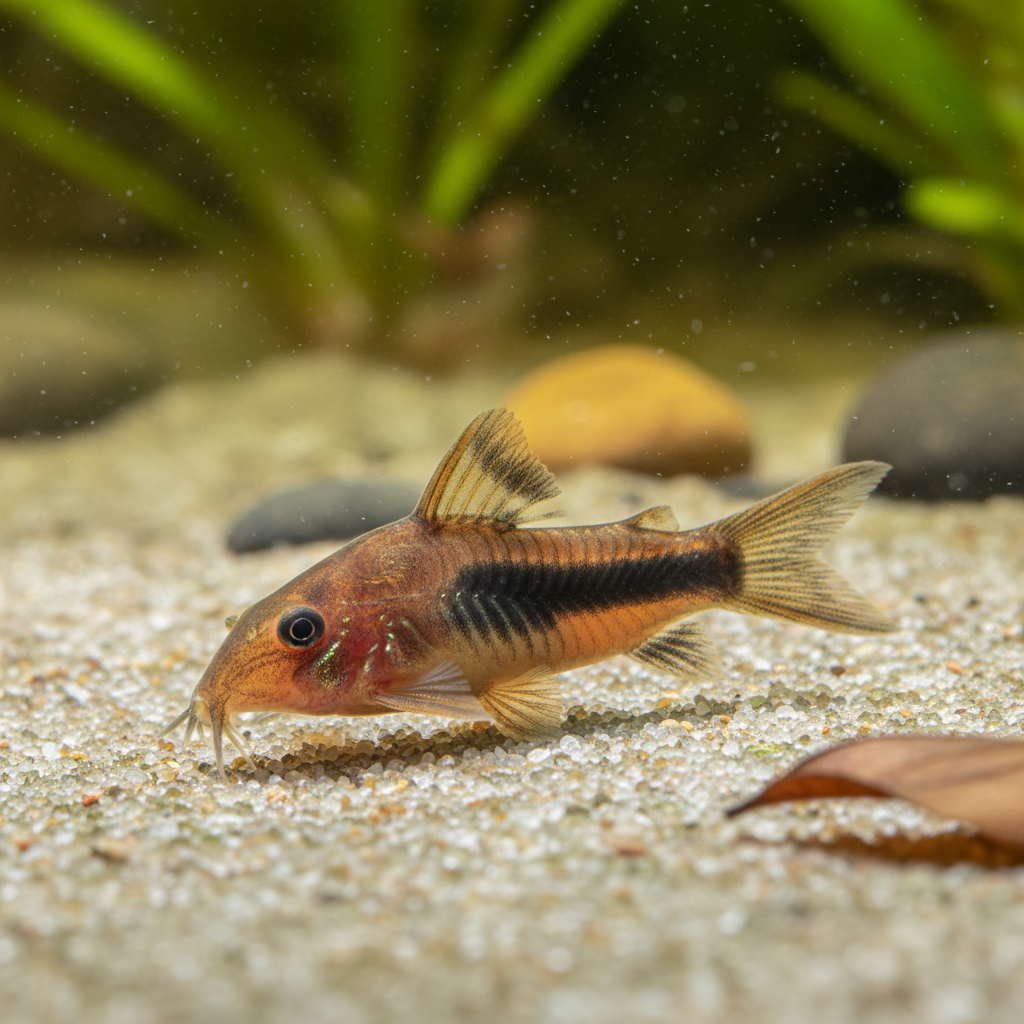
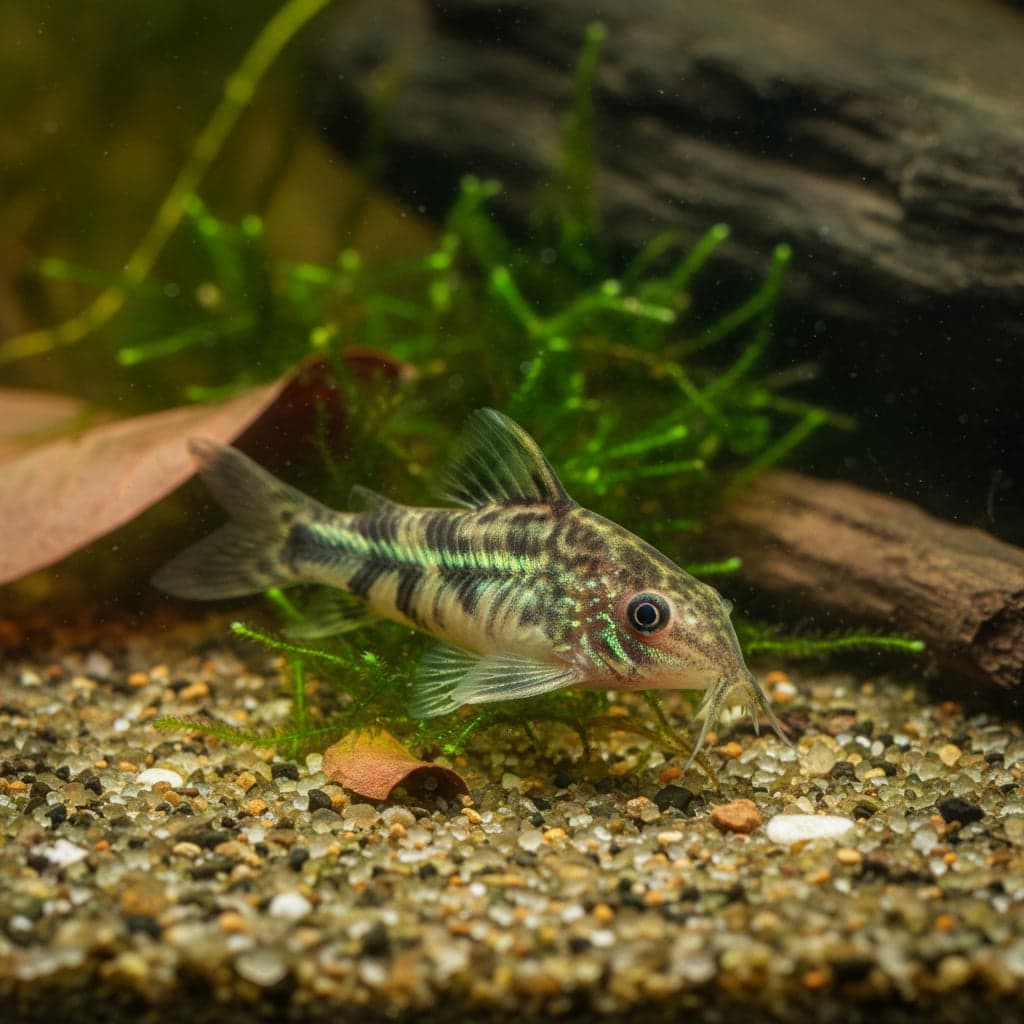
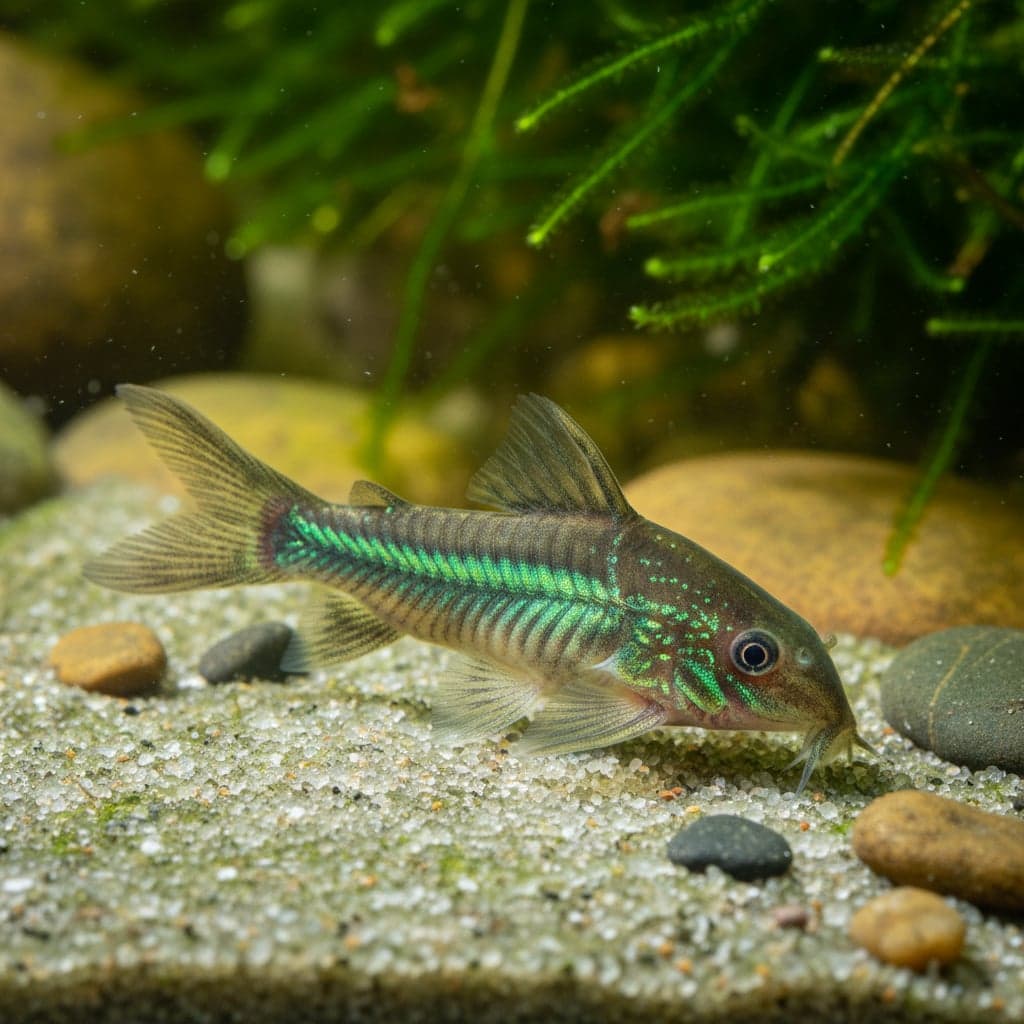
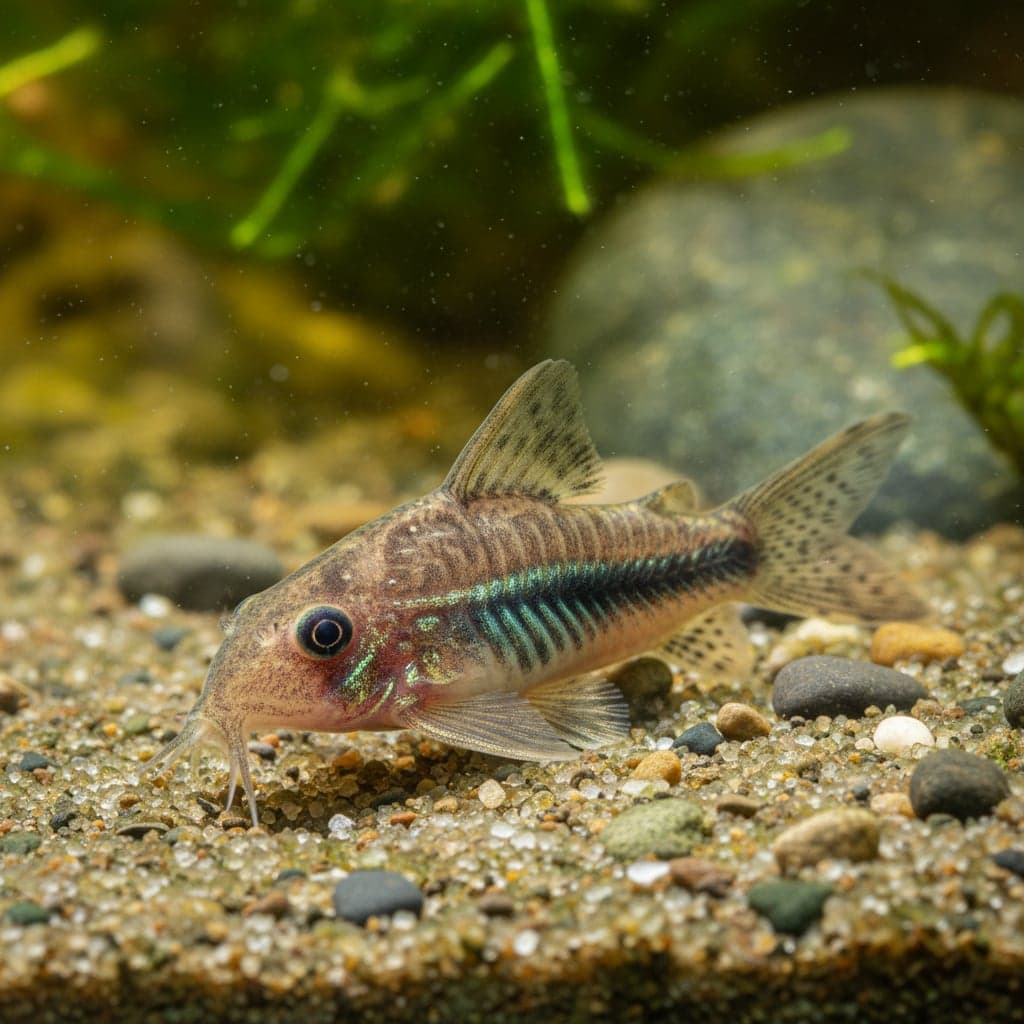
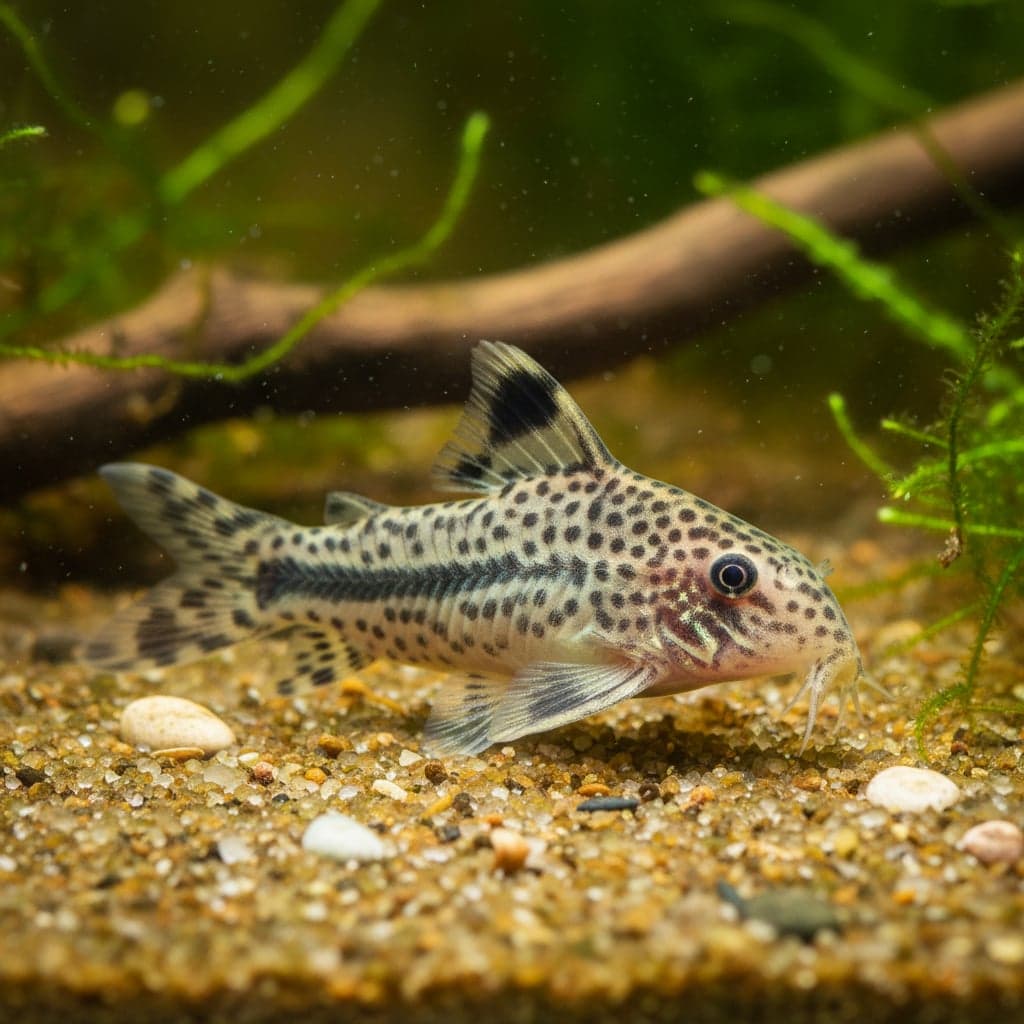
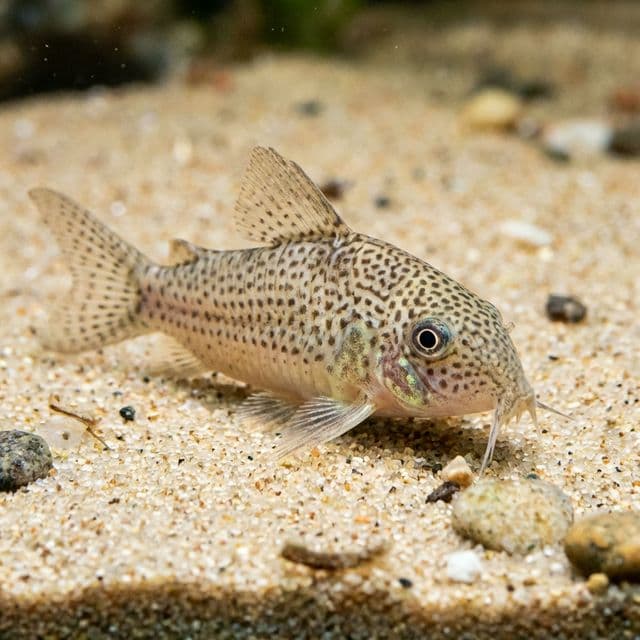
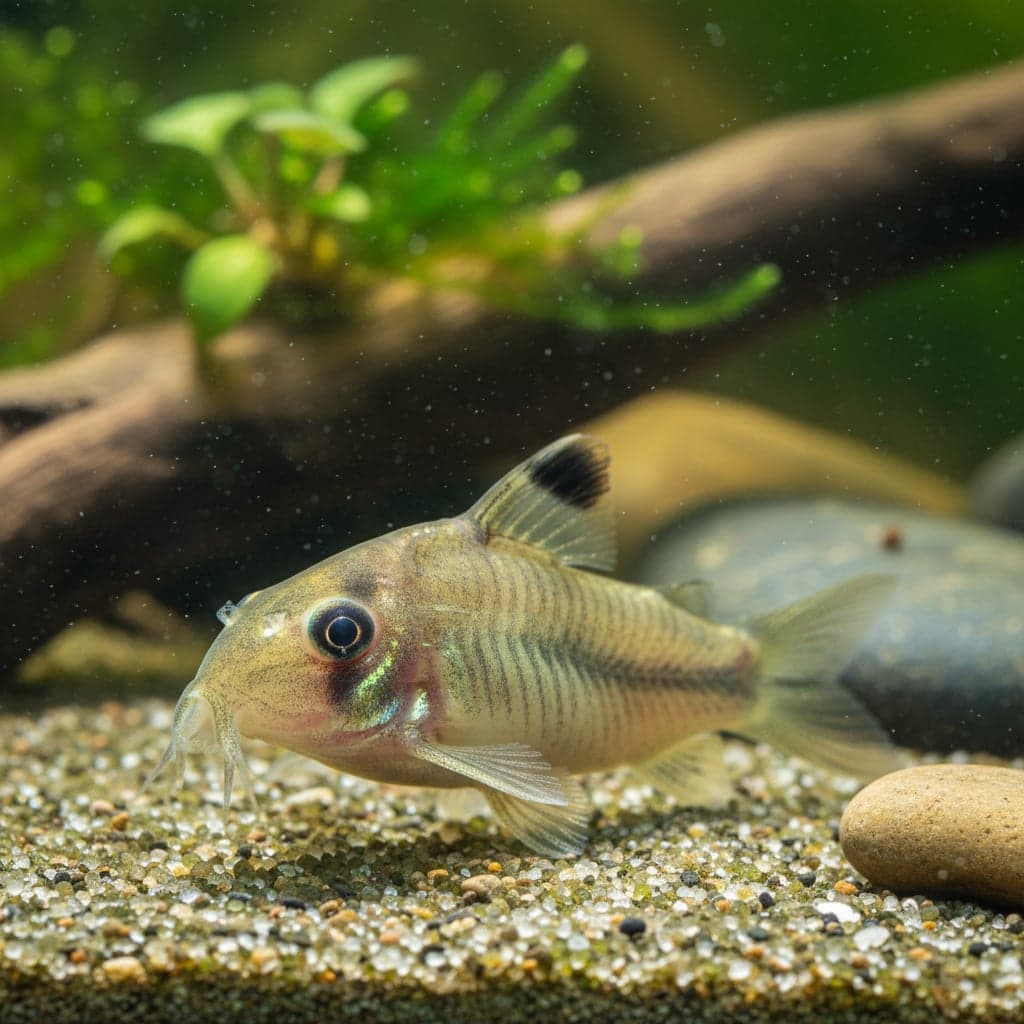
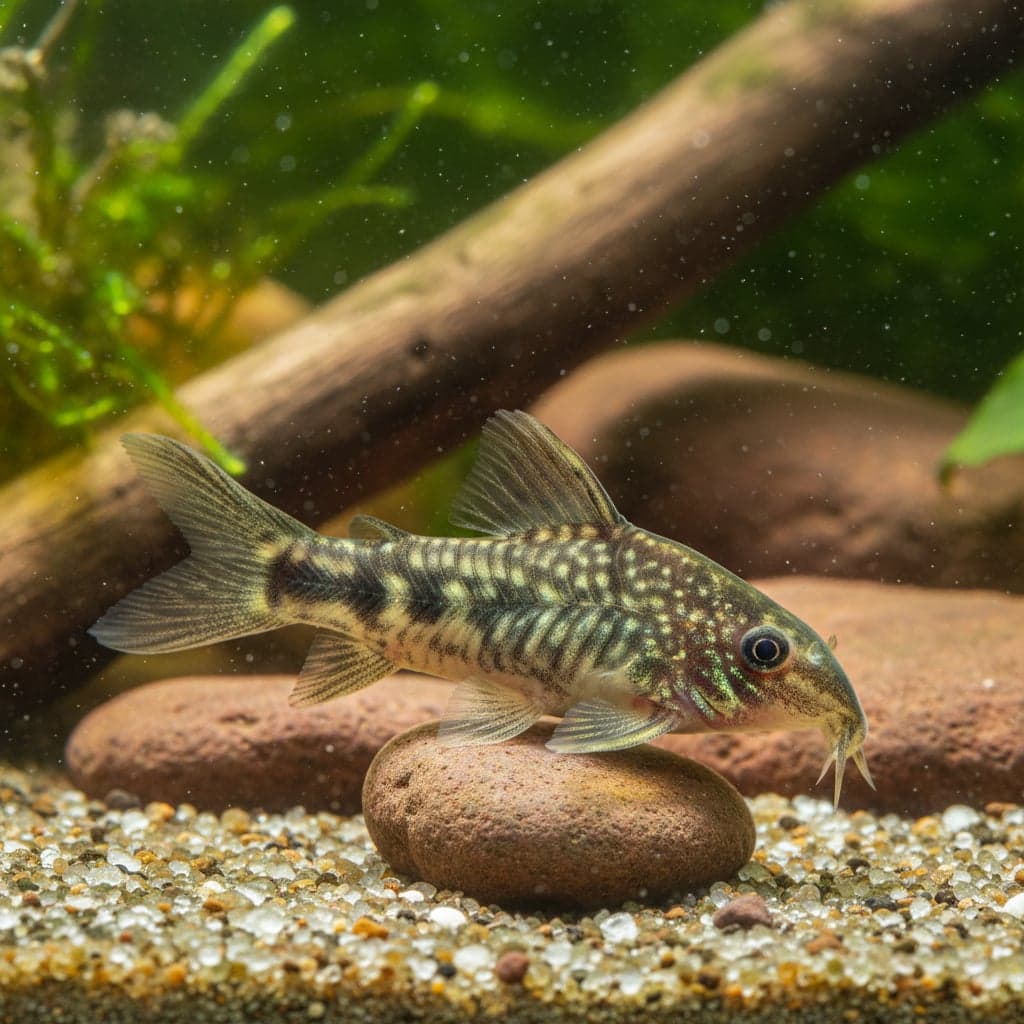
The Horseman's Cory (Corydoras eques) is a colorful and highly sought-after catfish from the Amazon, prized for its deep emerald-green body and striking rusty-orange highlights on its nape and fins.
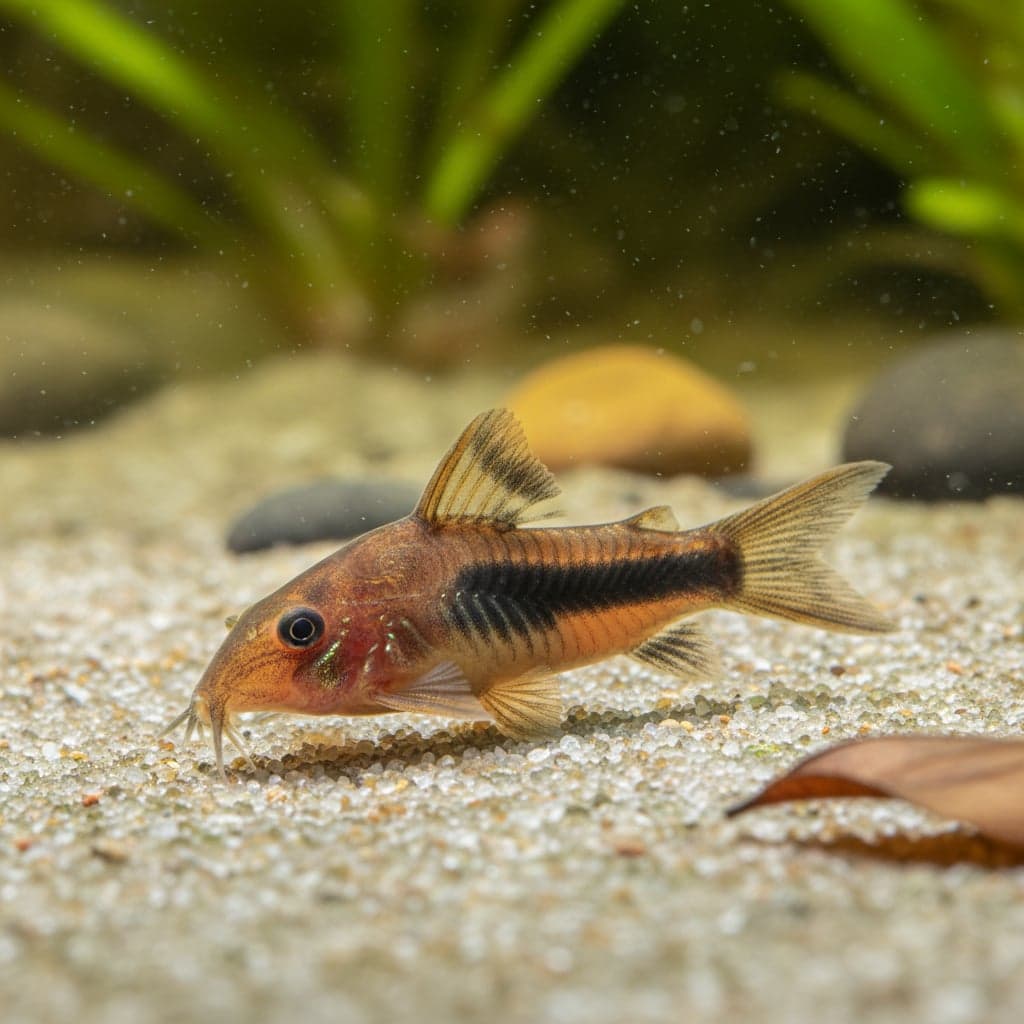
The Horseman's Cory (Corydoras eques), often referred to as the "Eques Cory," is one of the most vividly colored species in the massive Corydoras genus. Unlike the more common pale or spotted varieties, the Horseman's Cory features a deep, velvety, midnight-green or dusky-blue body that contrasts beautifully with a vibrant orange or "rusty" patch on the nape (just behind the head) and similarly colored fins. They are robust, "chunky" corydoras that add a premium look to any well-planted South American setup.
In the aquarium, they are prized not just for their color but for their deeply social behavior. They are far more likely than other species to "pile up" together in a tight group, creating a charming and active focal point at the bottom of the tank.
Natural Habitat & Origin
Corydoras eques is native to the Amazon River basin, specifically found in the Rio Solimões and its tributaries in Brazil. They inhabit slow-moving forest streams, flooded forests (igapó), and quiet river banks. These environments are typically soft, acidic, and rich in organic material like leaf litter and fallen branches, which provide both food and cover.
Care Requirements
The Horseman's Cory is relatively hardy but thrives best in a setup that mimics its forest home. A minimum tank size of 20 gallons (75L) is recommended for a school. The most critical requirement for any Corydoras is a soft, sandy substrate. Their delicate barbels (whiskers) are used to probe the sand for food; sharp gravel will cause these to erode, leading to severe stress and infection.
Maintain stable parameters: a pH of 6.0 to 7.5 and a temperature of 72°F to 79°F (22°C to 26°C). Filtration should be efficient but not create a massive current, as they prefer calmer waters. Scape the tank with smooth driftwood, rounded stones, and plenty of live plants. The inclusion of dried Catappa leaves will provide tannins and a natural leaf litter floor that these fish love to explore.
Diet & Feeding
Horseman's Corys are classic omnivorous bottom-feeders. They spend their days constantly "vacuuming" the substrate for edible morsels.
In captivity, they require a varied diet:
- High-quality sinking catfish tablets and pellets
- Frozen foods (Bloodworms, Tubifex, and Brine Shrimp)
- They will eat any flakes or pellets that reach the bottom, but specific bottom-feeder food is essential to ensure they aren't outcompeted by surface fish.
- Tip: Feed them shortly before or after lights-out to ensure they have plenty of time to forage without interference.
Behavior & Temperament
They are exceptionally peaceful and social. To see their true behavior and reduce stress, they MUST be kept in a group of 6 or more. A lone Corydoras is a stressed Corydoras. They are completely non-aggressive and make perfect tank mates for even the most delicate community fish. They often exhibit the famous Corydoras "wink," which is actually a specialized movement of the eye used to clear away sand.
Tank Mates
Suitable tank mates include any peaceful community species:
- Tetras, Rasboras, and Pencilfish
- Dwarf Cichlids (Apistogramma)
- Hatchetfish
- Other peaceful catfish (Otocinclus)
- Freshwater Shrimp (they are generally safe with shrimp, though they may eat the occasional tiny shrimplet)
Avoid keeping them with large, aggressive, or predatory fish that can fit them in their mouths, as Corydoras have sharp, locking pectoral spines that can be fatal to both the predator and the cory if swallowed.
Breeding
Breeding Corydoras eques is similar to other species but can be a bit more challenging to trigger. They are "egg-depositors." A large water change with slightly cooler water (simulating the start of the rainy season) often triggers spawning. The female will carry a small number of eggs in a "basket" formed by her pelvic fins, which she then deposits on a clean leaf or the aquarium glass. The fry hatch in 3-5 days and require very fine foods like infusoria or baby brine shrimp.
Common Health Issues
They are generally robust. The most common issue is barbel erosion, which is almost always caused by sharp substrate or high nitrate levels in the substrate. Maintaining a clean, sandy bottom and performing regular water changes is the best prevention. Like all catfish, they are sensitive to copper-based medications and high levels of salt.