Icana Cory C001: Corydoras icana
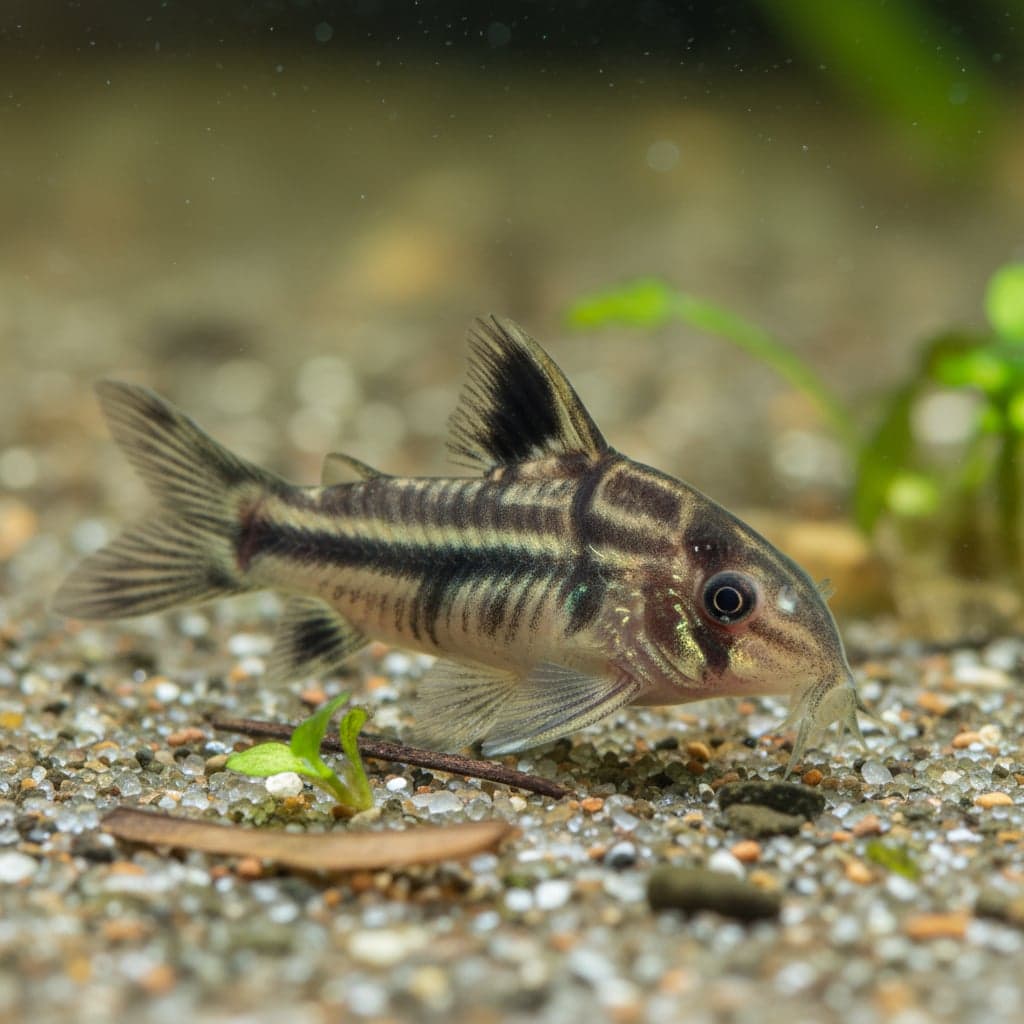
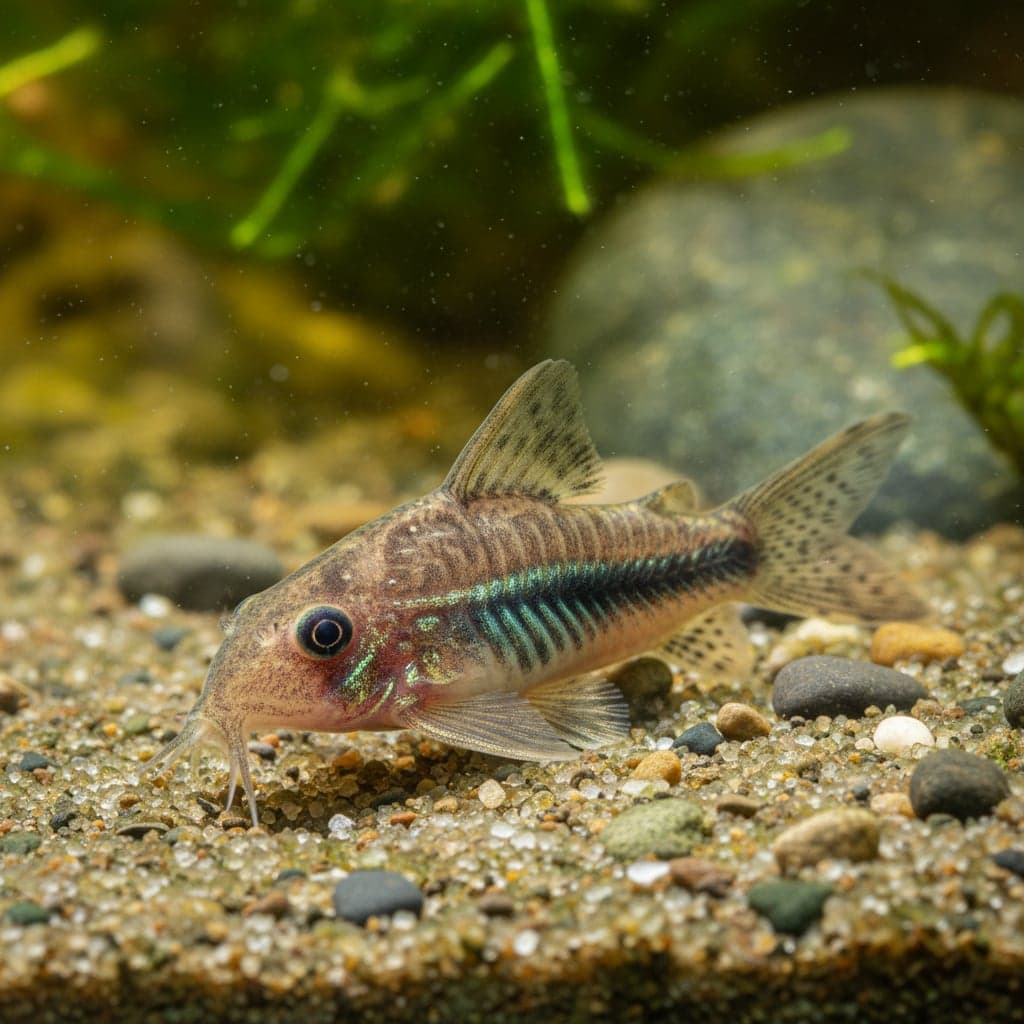
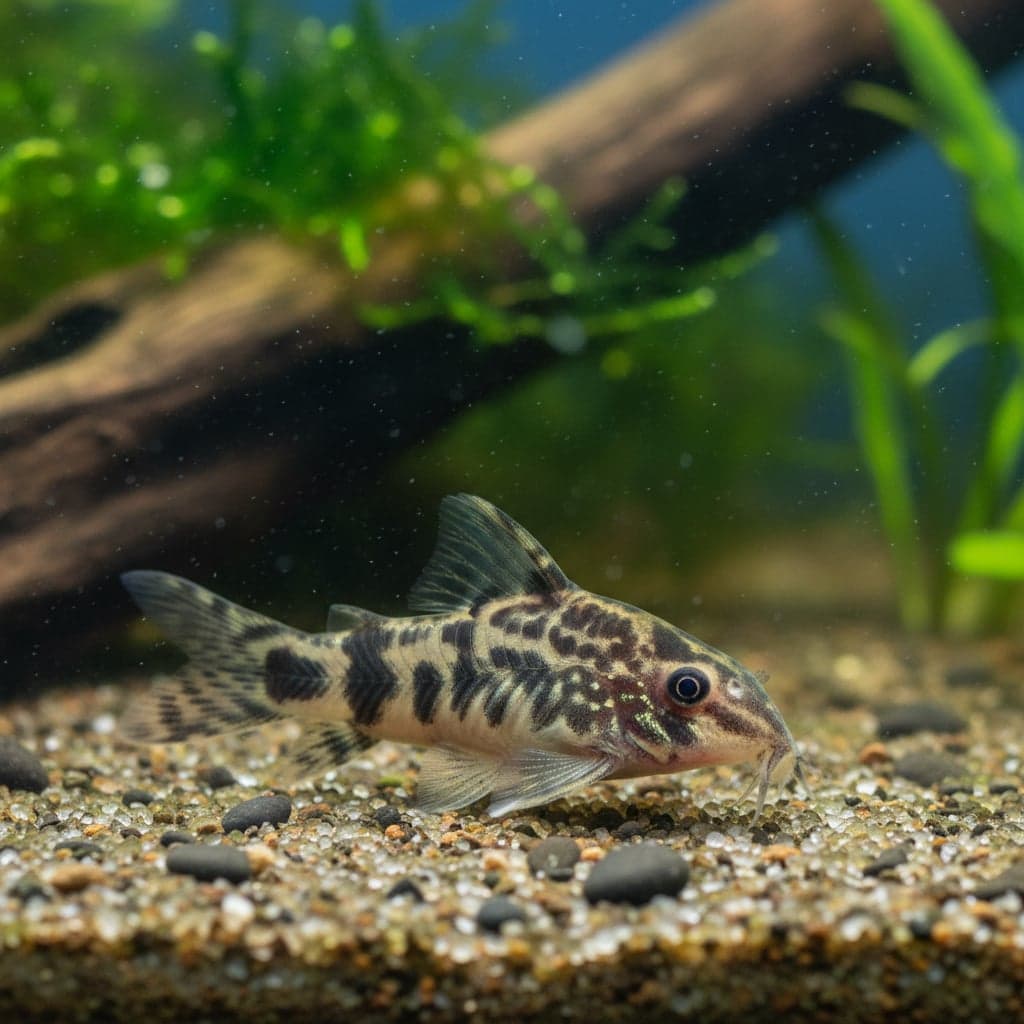
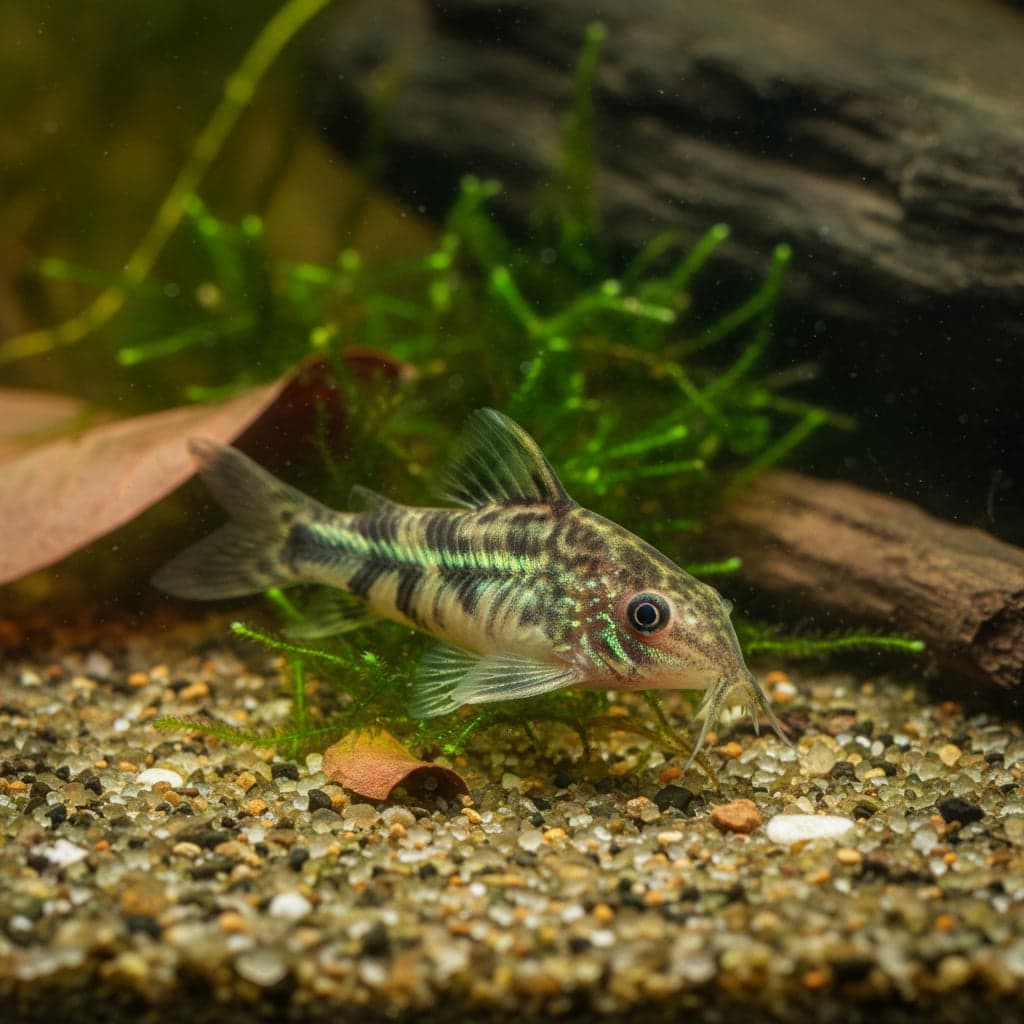
The Icana Cory (Corydoras icana, C001) is a rare and prestigious blackwater specialist from the dynamic Rio Negro basin, known for its elegant, speckled patterning and elongated snout.
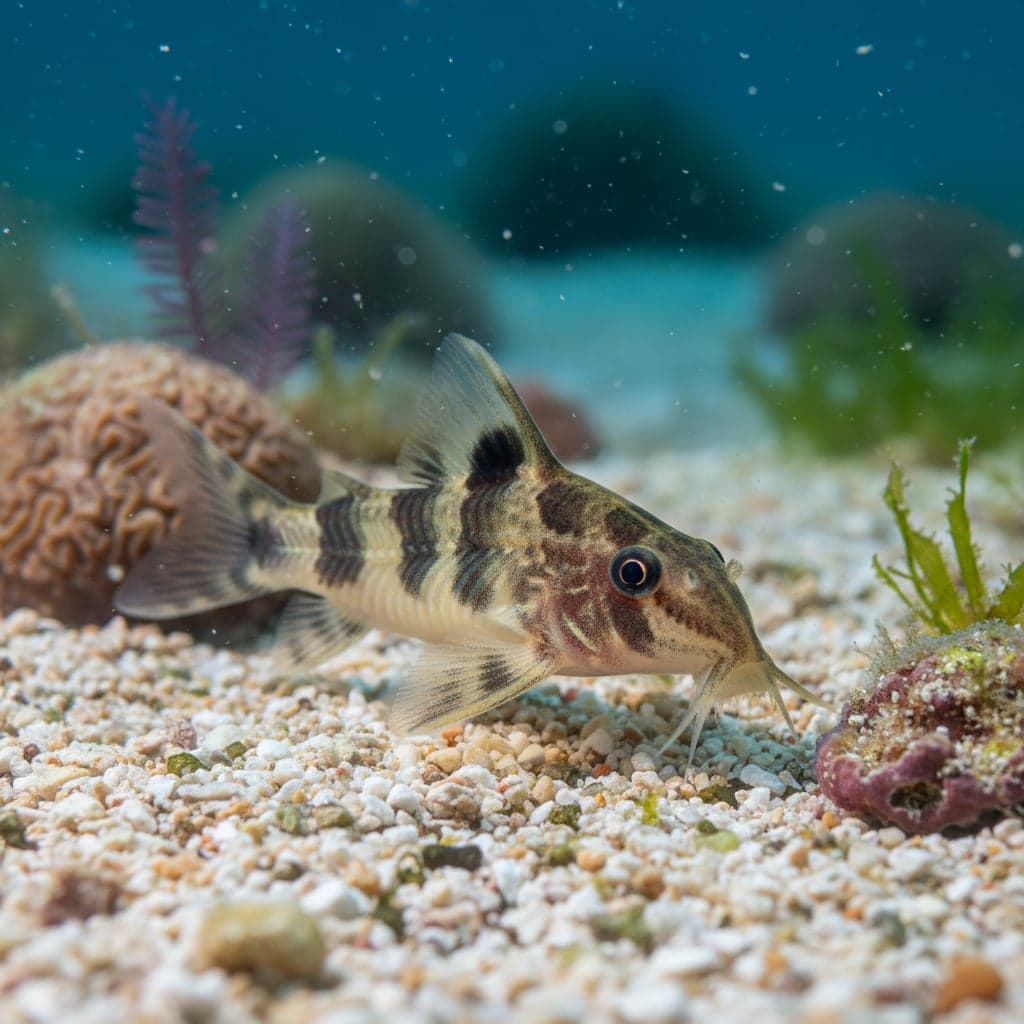
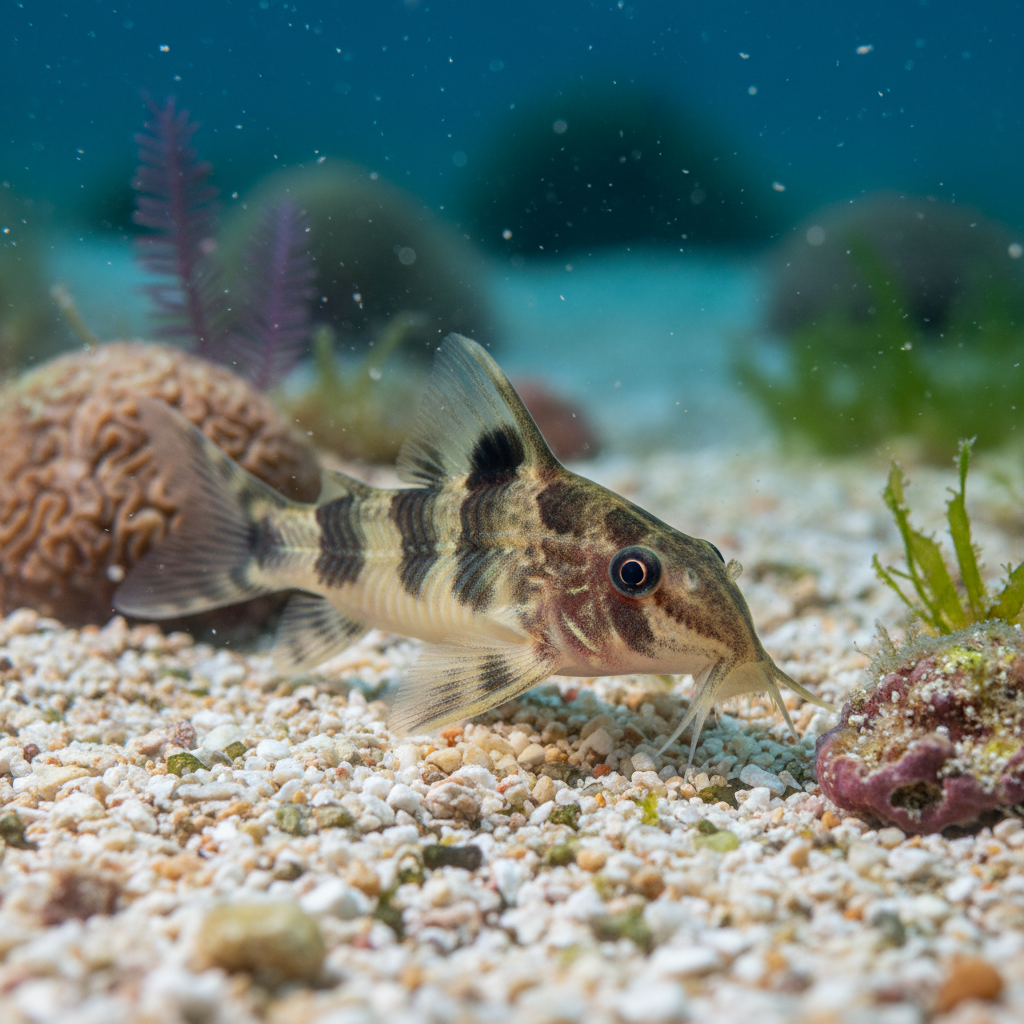
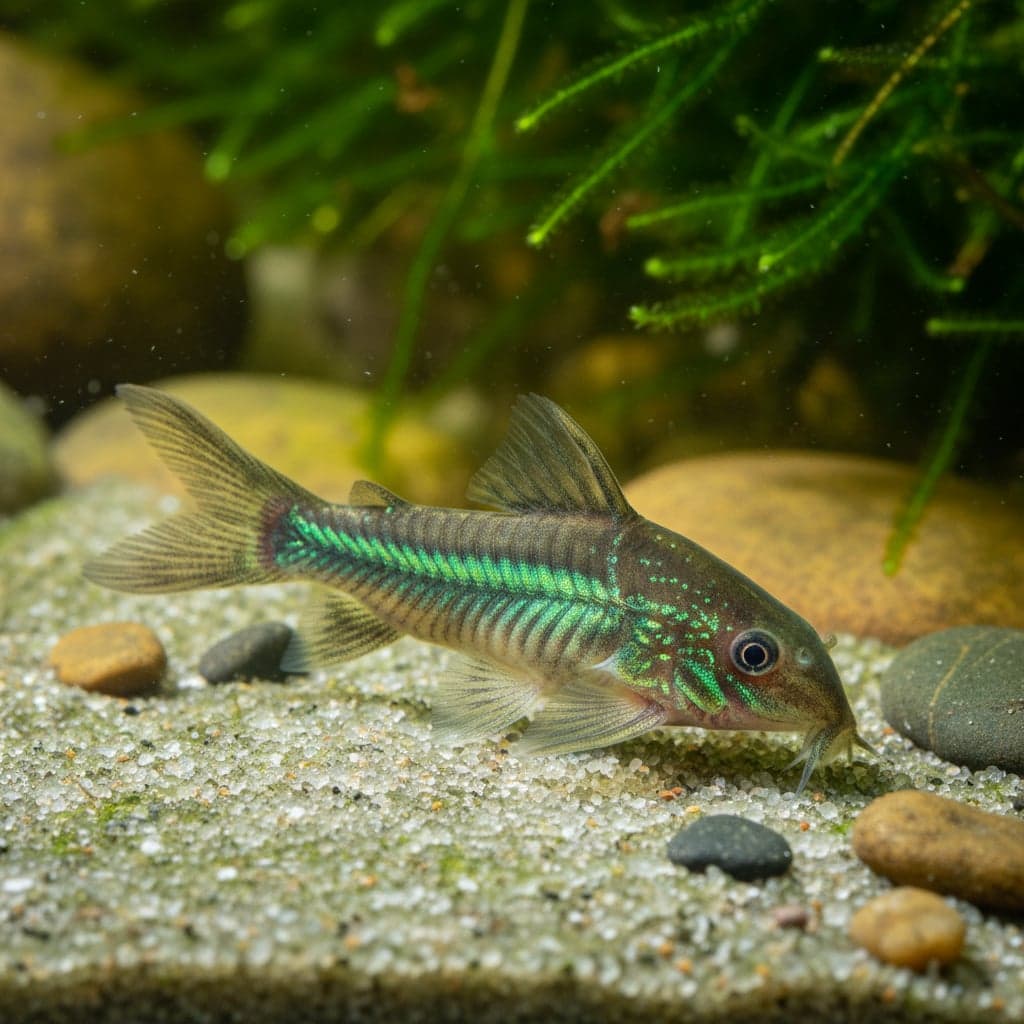
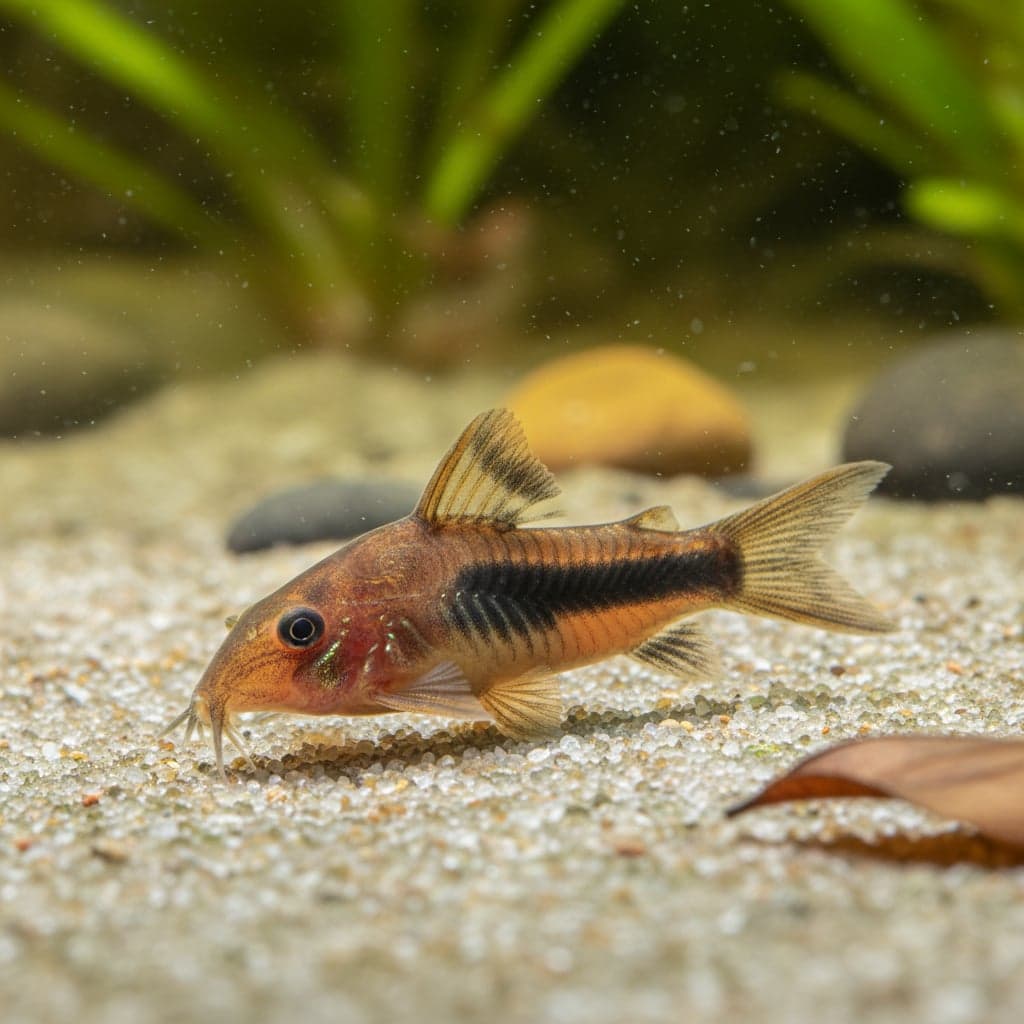
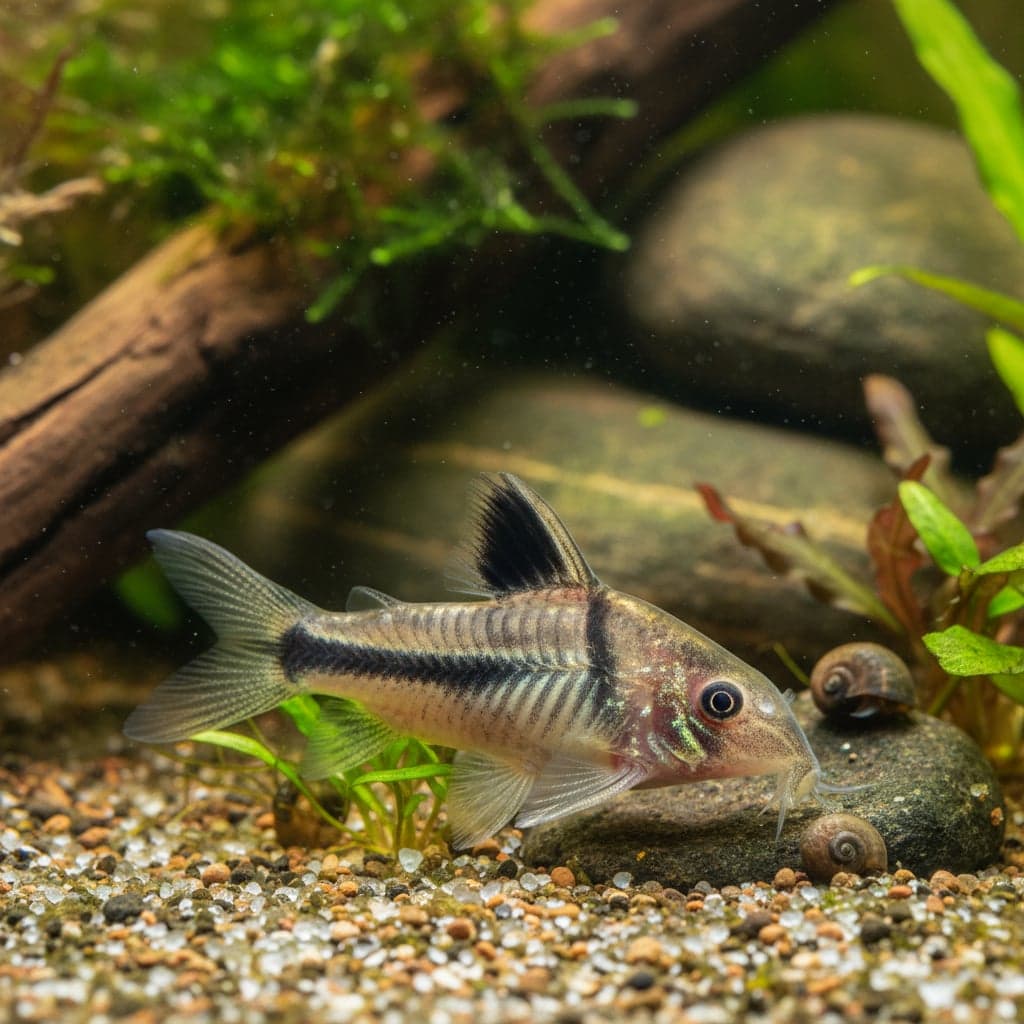
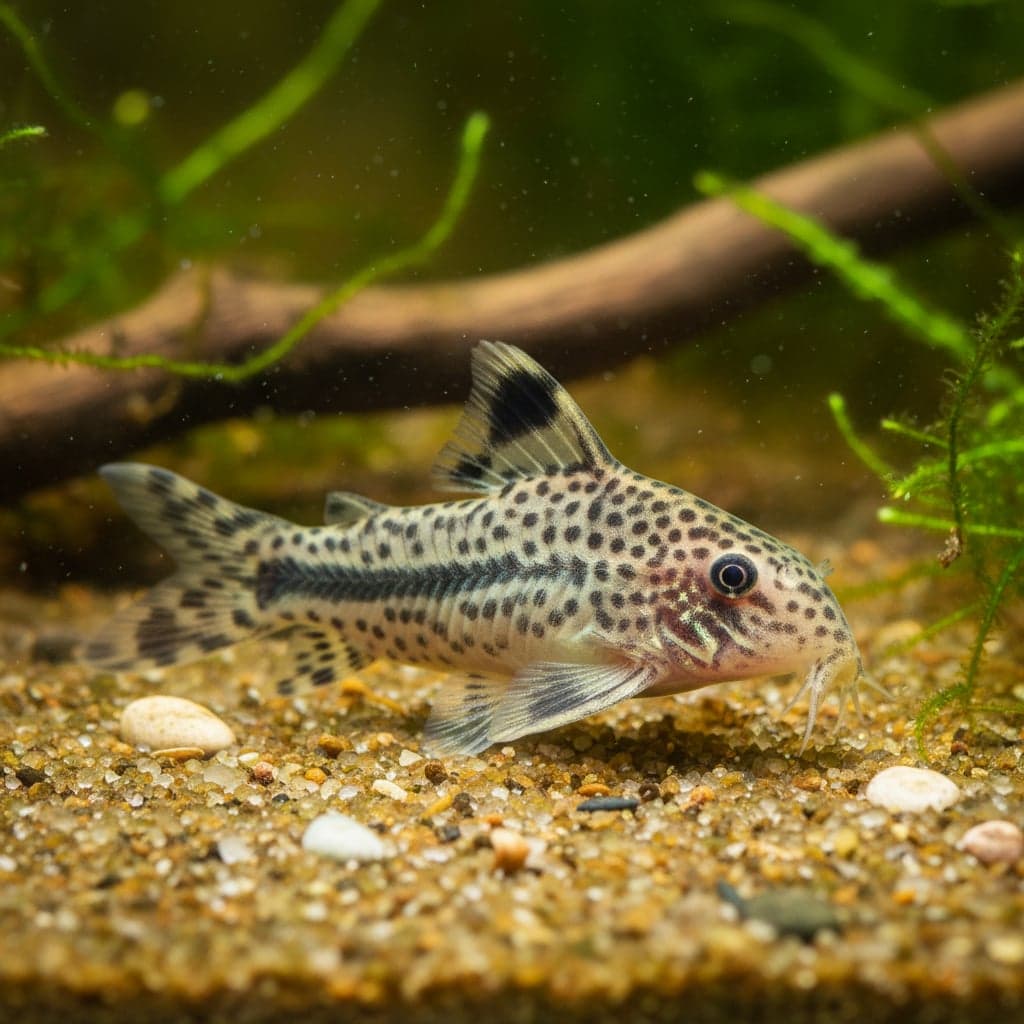
The Icana Cory (Corydoras icana), designated as C001, is one of the "holy grail" species for Corydoras enthusiasts. Originating from the tea-colored, acidic waters of the Rio Negro basin, it possesses an elegance that few other species can match. It features a moderately long snout and a body covered in a fine, "peppered" or "vermiculated" pattern of dark spots over a shimmering golden-tan base. As an early C-number designation, it holds a special place in the history of the hobby.
In the aquarium, they are sophisticated and social explorers. They are strictly a blackwater species, showing their best colors and most natural behavior when kept in soft, acidic conditions that mimic the flooded forests of their native Brazil.
Natural Habitat & Origin
Corydoras icana is native to the Rio Içana, a major blackwater tributary of the Upper Rio Negro in northwestern Brazil. These rivers are characterized by extremely soft, acidic water (often pH 4.0-6.0) that is heavily stained with tannins from decomposing leaf litter. They are typically found in slow-moving margins and flooded forest floor areas among submerged roots and thick layers of leaves.
Care Requirements
The Icana Cory is more demanding than the common Bronze or Peppered Cory. They require soft, acidic water to thrive and are sensitive to high nitrate levels. A minimum tank size of 20 gallons (75L) is essential for a small group.
Maintain stable parameters: a pH of 5.5 to 7.0 (though lower is tolerated if stable) and a temperature of 75°F to 82°F (24°C to 28°C). The tank must feature a fine sandy substrate to protect their delicate sensory barbels. Decorate with tangle-roots (driftwood), dried botanical leaves (Indian Almond leaves, Alder cones), and low-light plants like Cryptocoryne or Anubias. The use of peat filtration or botanical extracts to maintain "blackwater" conditions is highly recommended.
Diet & Feeding
Icana Cories are quintessential opportunistic omnivores. They spend most of their time "snuffling" through the sand for micro-prey.
In captivity, they require a high-quality, varied diet:
- Premium sinking catfish pellets and tablets
- Frozen foods (Bloodworms, Daphnia, and Tubifex) are highly appreciated
- Live foods like Brine Shrimp or Grindal Worms will often trigger active searching behavior
- Tip: Feed them just before or after the lights go out, as they are naturally more active in the dim conditions of the blackwater floor.
Behavior & Temperament
They are wonderfully peaceful and highly social. They MUST be kept in a group of 6 or more. Solitary individuals will become stressed and reclusive. They spend their time shoaling tightly together, exploring the substrate, and occasionally darting to the surface for a gulp of atmospheric air (a unique Corydoras trait). They are completely non-aggressive and make excellent neighbors for other delicate blackwater residents.
Tank Mates
Suitable tank mates include other peaceful Amazonian species that share their water requirements:
- Small Tetras (Cardinal Tetras, Green Neons)
- Pencilfish
- Hatchetfish
- Peaceful Dwarf Cichlids (Apistogramma)
- Other peaceful blackwater Corydoras or Otocinclus
Avoid keeping them with aggressive bottom-dwellers or large, fast-moving fish that might intimidate them or outcompete them for food during the day.
Breeding
Breeding Corydoras icana is considered a significant achievement. Like most members of the genus, they are "T-position" spawners. Inducing spawning often requires mimicking the onset of the rainy season with large, cooler water changes using very soft (RO) water. The eggs are typically deposited on the underside of broad leaves or directly on the glass in areas of moderate flow.
Common Health Issues
The most critical health concern is barbel erosion. These sensitive whiskers will quickly disintegrate if the substrate is sharp or if the bottom of the tank is not kept pristine. Maintaining low nitrates and using a soft sand bed is the best prevention. They are also sensitive to heavy metals and certain medications; always use a high-quality water conditioner when performing water changes.