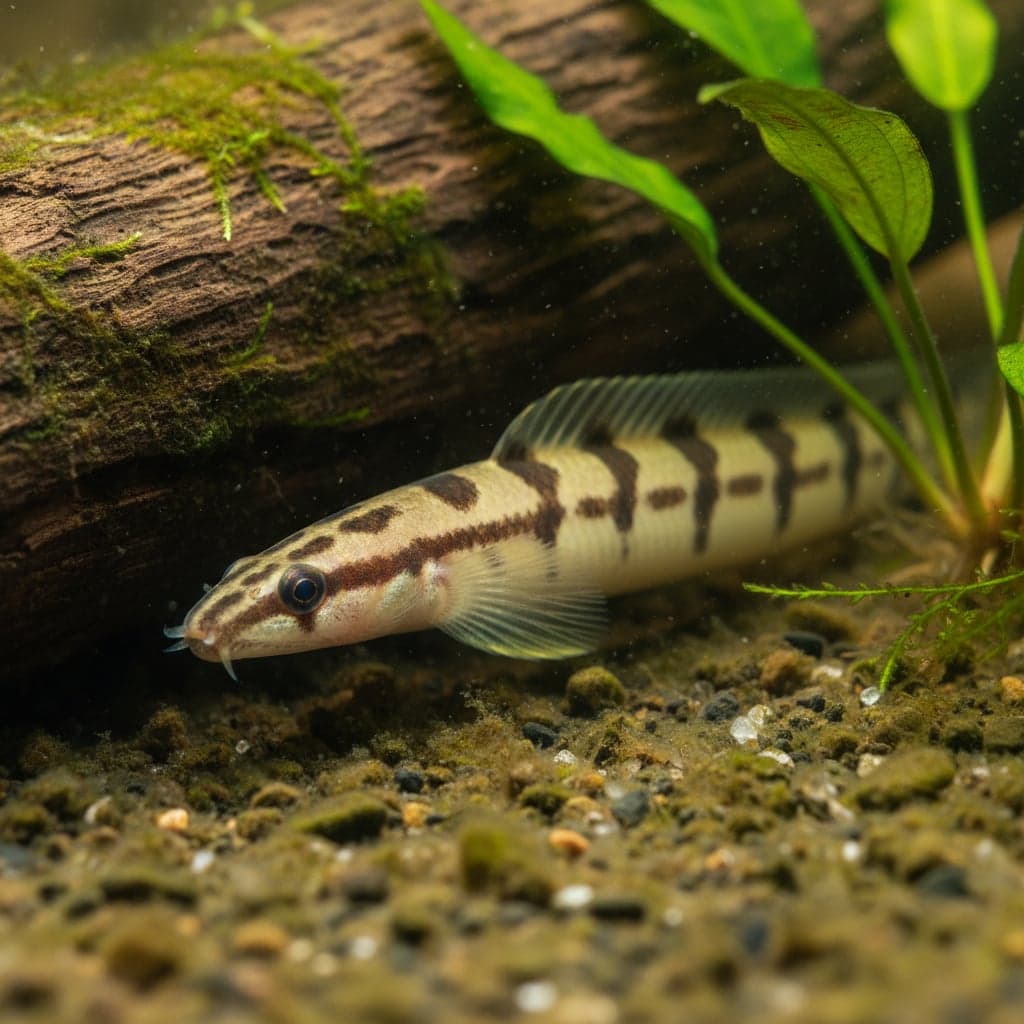
Indonesian Leaf Fish: Pristolepis grootii
The Indonesian Leaf Fish (Pristolepis grootii), or Groot's Perch, is a powerfully built ambush predator from the sluggish waters of Southeast Asia, prized for its extraordinary ability to mimic sun-dappled foliage.
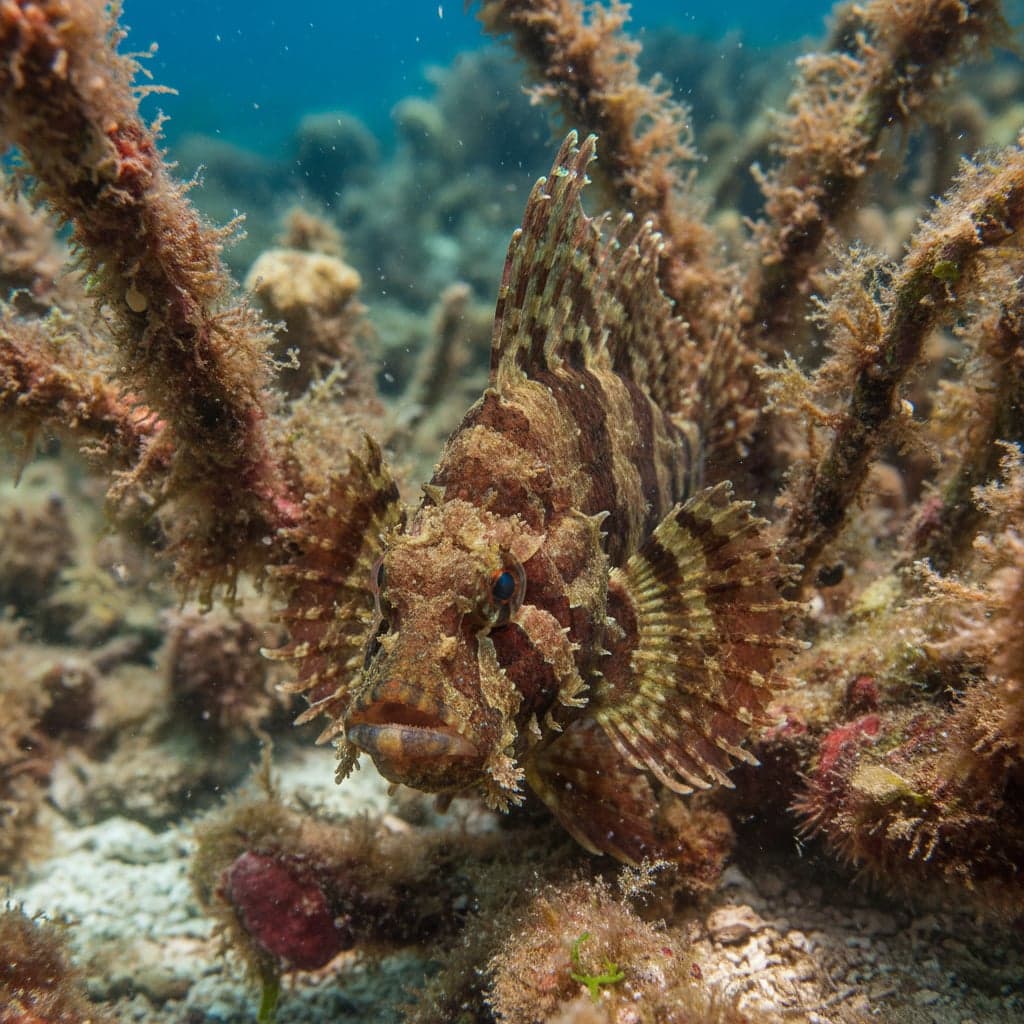
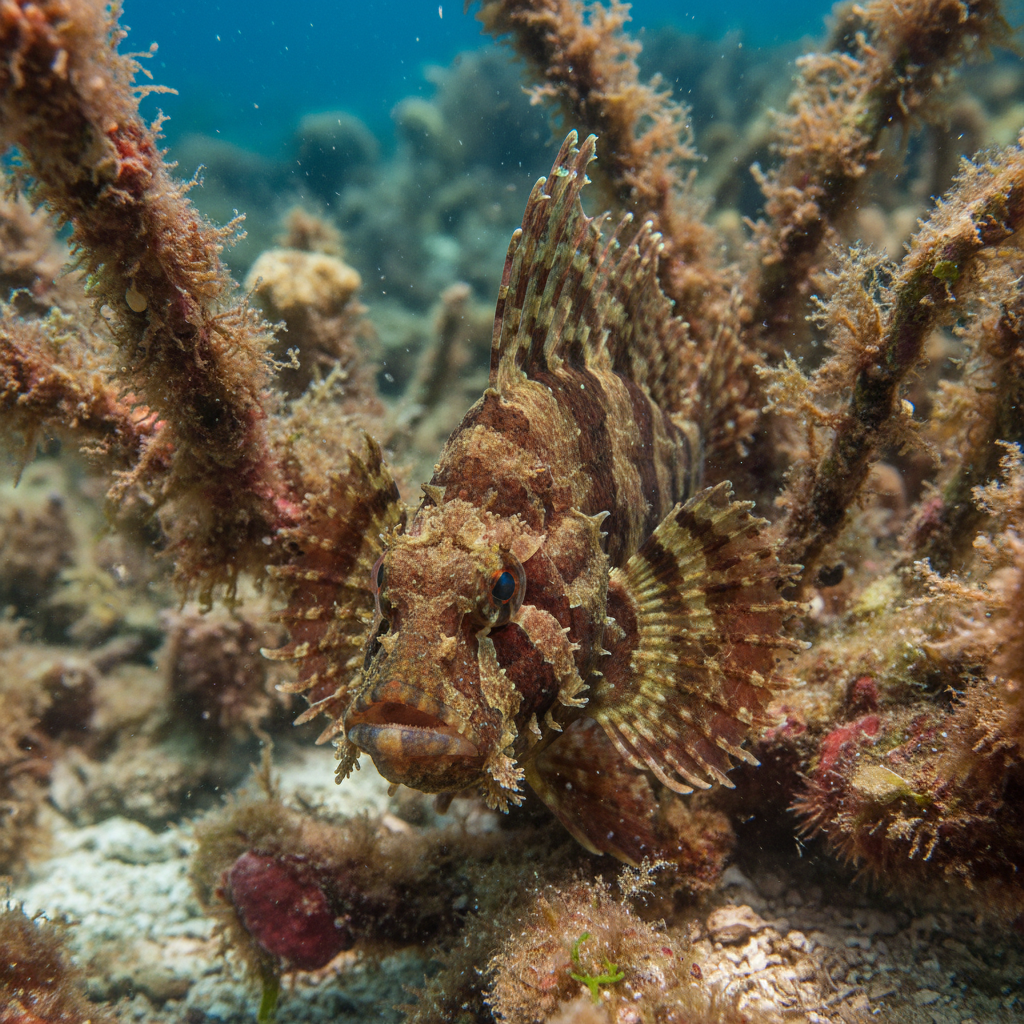
The Indonesian Leaf Fish (Pristolepis grootii), often referred to as Groot's Perch, is a master of deception. While not a "true" leaf fish (like those in the Nandus or Monocirrhus genera), it has evolved a remarkably similar lifestyle and appearance. It possesses a stocky, laterally compressed body with a deeply serrated profile and a base color of olive-brown to golden-tan, mottled with irregular dark blotches and "leaf-vein" patterns. This camouflage allows it to disappear perfectly among the submerged roots and fallen timber of its native swamps, where it hangs motionless, waiting for unsuspecting prey to wander too close.
In the aquarium, they are fascinating oddballs for those who appreciate predatory behavior and specialized setups. They are intelligent and surprisingly active when they believe they aren't being watched, making them a premium addition to Southeast Asian biotope displays.
Natural Habitat & Origin
Pristolepis grootii is native to the Malay Peninsula, Sumatra, and Borneo. They inhabit slow-moving or stagnant waters, including blackwater rivers, peat swamps, and heavily vegetated forest streams. These environments are characterized by soft, acidic water, low light levels, and a dense accumulation of submerged roots and leaf litter. They are strictly freshwater residents and are almost always found in the vicinity of significant physical cover.
Care Requirements
The Indonesian Leaf Fish is a reclusive species that requires a structured and secure environment. A minimum tank size of 40 gallons (150L) is recommended for a single individual, as they can grow up to 6 inches (15 cm) in length.
Maintain stable parameters: a pH of 6.0 to 7.2 and a temperature of 75°F to 82°F (24°C to 28°C). They are moderately sensitive to water quality; a well-established biological filter and regular small water changes are necessary. The tank must be heavily decorated with driftwood tangles, large-leafed plants (like Anubias or Crinum), and piles of bogwood. Floating plants are highly beneficial as they help to diffuse the light, which makes the fish feel much more secure and encourages it to spend more time in the open.
Diet & Feeding
They are specialized carnivores. In the wild, they hunt for small fish, crustaceans, and aquatic insects.
In captivity, they can be slow to accept prepared foods:
- They primarily thrive on frozen foods: Mysis shrimp, Krill, and enriched Brine Shrimp.
- Live foods like adult Brine Shrimp or small feeder fish (quarantined) can be used to stimulate their natural ambush response.
- Most can eventually be transitioned to high-quality carnivore pellets, but this requires patience.
- Tip: They are "stealth" feeders. It is often best to drop the food near their chosen hiding spots during the twilight hours when they are most active.
Behavior & Temperament
They are territorial and predatory. While they are not fast, active chasers, they will aggressively defend their chosen hiding spots from other bottom-dwellers. They will instantly consume any fish small enough to fit in their surprisingly large mouths. However, they are generally peaceful toward fish too large to eat. They spend much of their time lurking in the shadows, often "standing" in an almost vertical position to mimic a piece of wood or a drifting leaf.
Tank Mates
Suitable tank mates must be robust and large enough not to be considered prey:
- Larger Barbs (Filament Barbs or Tinfoil Barbs)
- Medium-sized Cichlids (Severums)
- Larger Rainbowfish
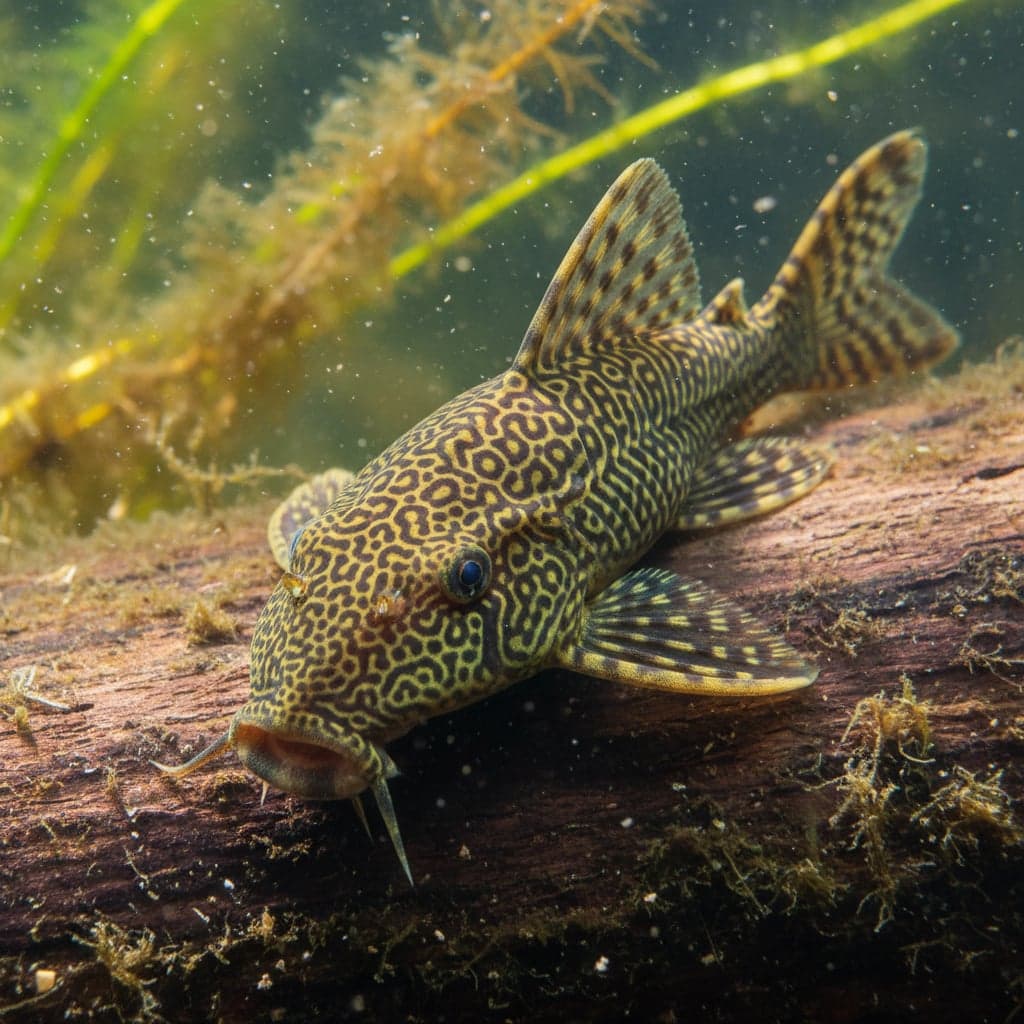
- Robust Catfish (Synodontis or larger Corydoras species)
- Spiny Eels (in a large enough tank)
Avoid keeping them with small schooling fish (Tetras, Rasboras) or delicate, slow-moving species that might be intimidated by their predatory presence.
Breeding
Breeding Pristolepis grootii in captivity is a rare occurrence. They are believed to be substrate spawners that lay their eggs in a secluded spot, such as a hollow log or a dense thicket of plants. Both parents typically participate in guarding the nest until the fry hatch. The fry are small and require infusoria or rotifers as their first food.
Common Health Issues
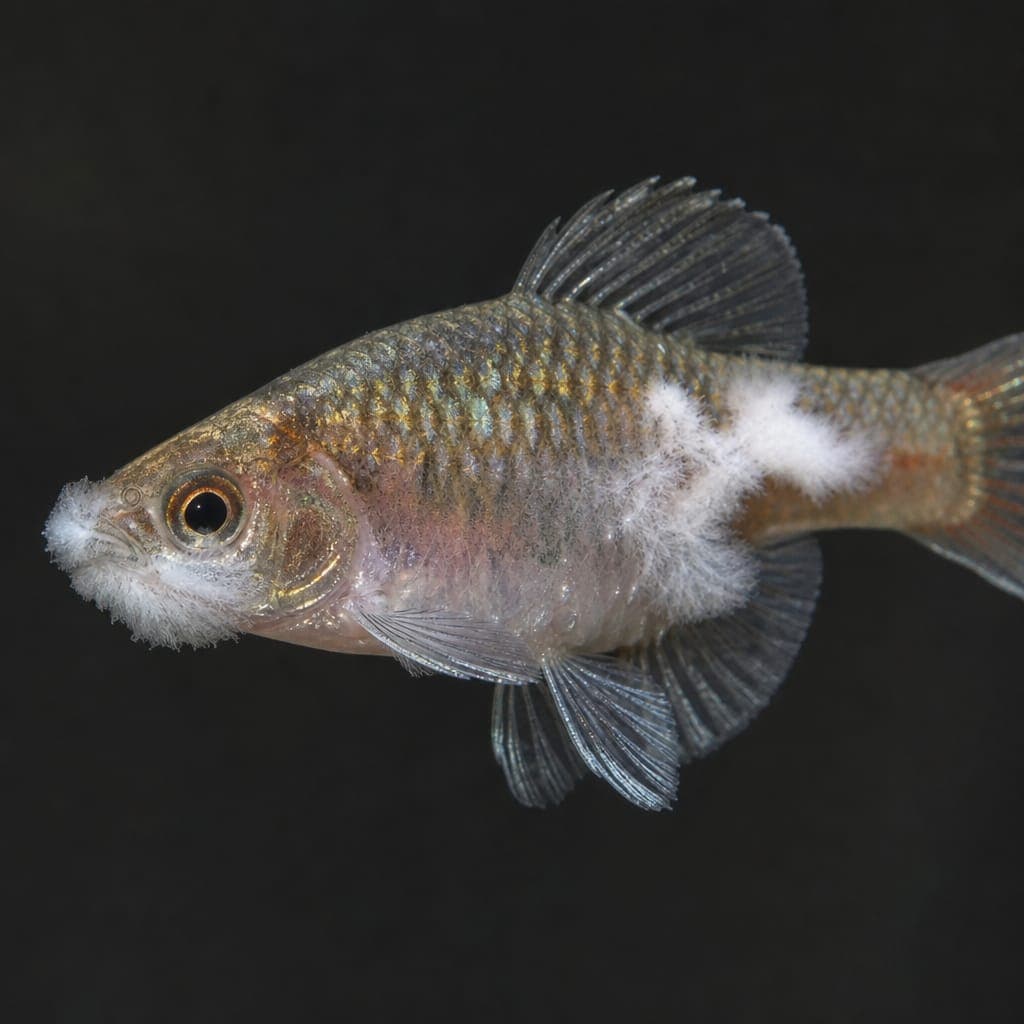
The primary health concern is stress-induced fungal or bacterial infections, which often occur if the fish is kept in a tank that is too bright or lacks adequate cover. They are also prone to "bloat" if fed a diet too high in low-quality fillers. Providing a high-stress, sheltered environment with pristine water quality and a nutrient-dense carnivorous diet is the best way to ensure their health and allow their complex mottled patterns to remain vivid.