Iquitos Tiger Plec L226: Panaqolus changae
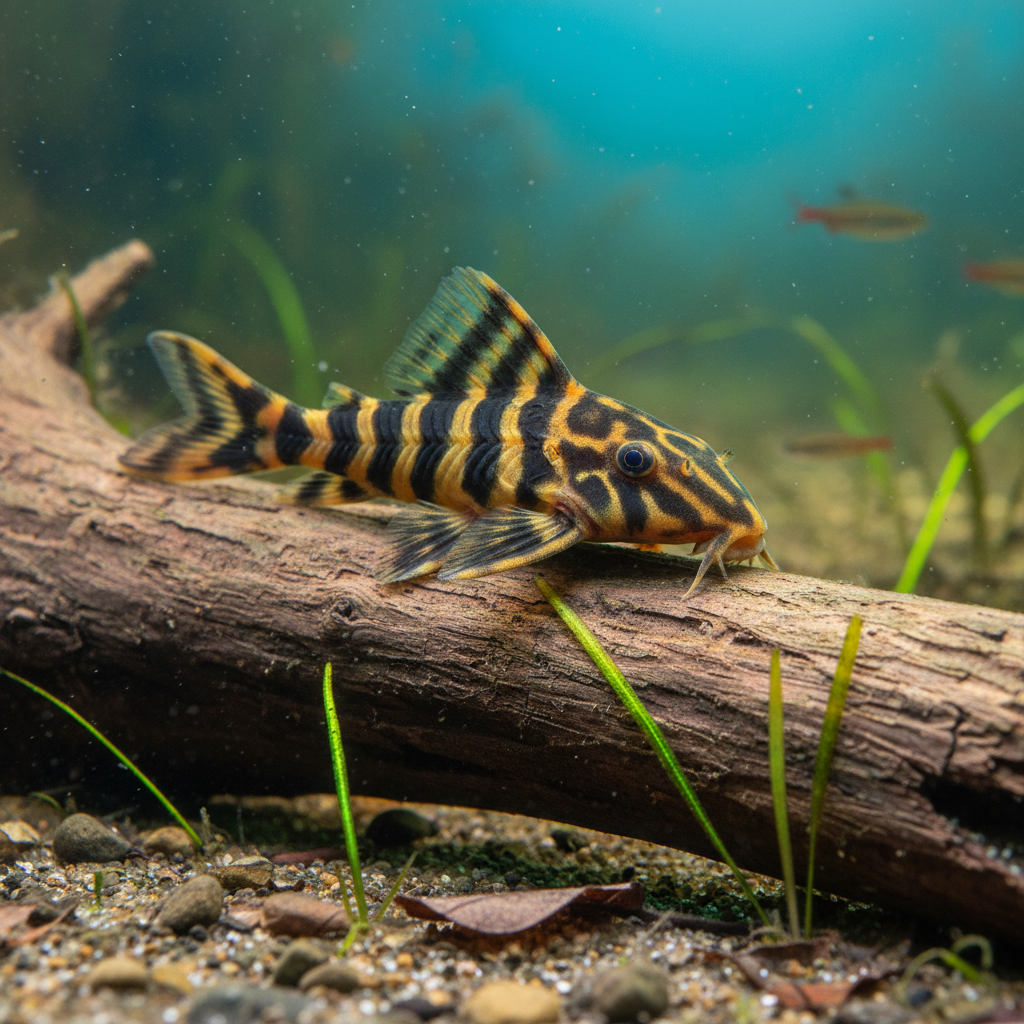
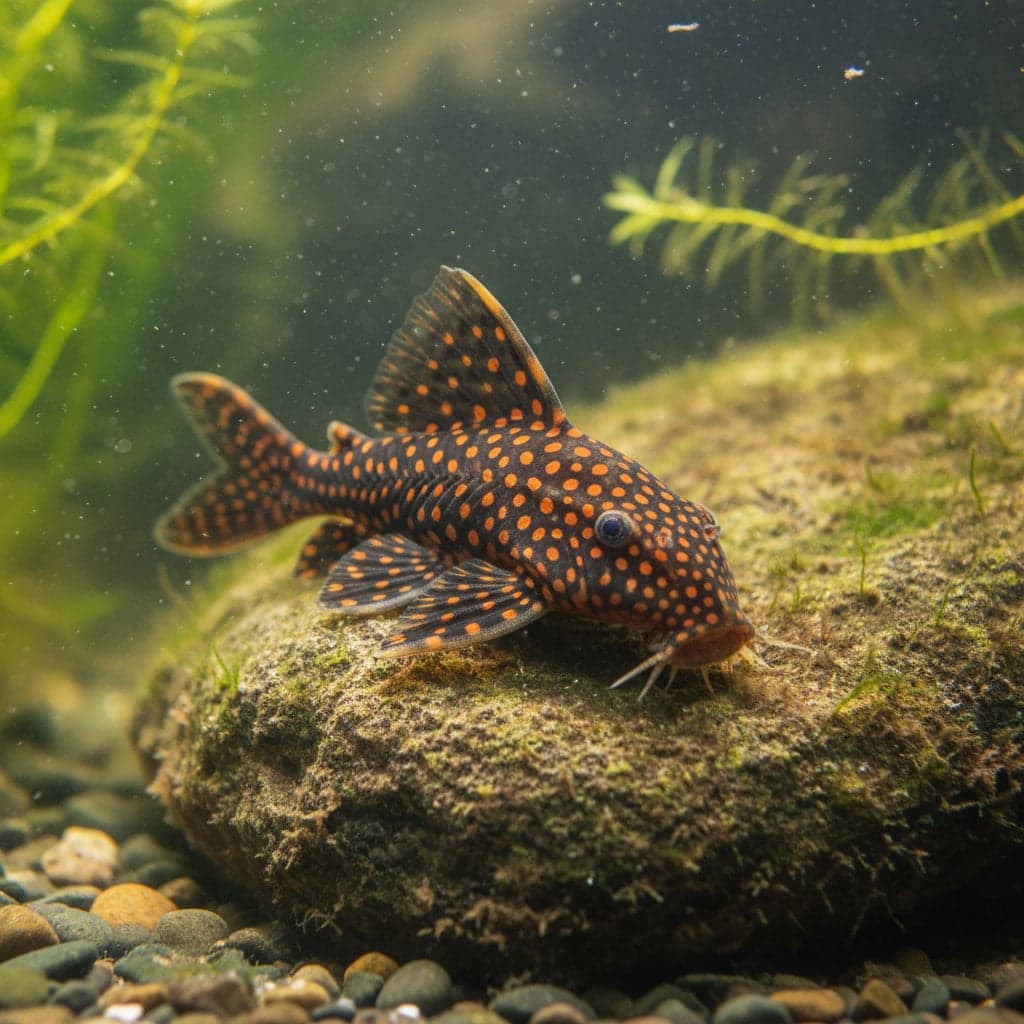
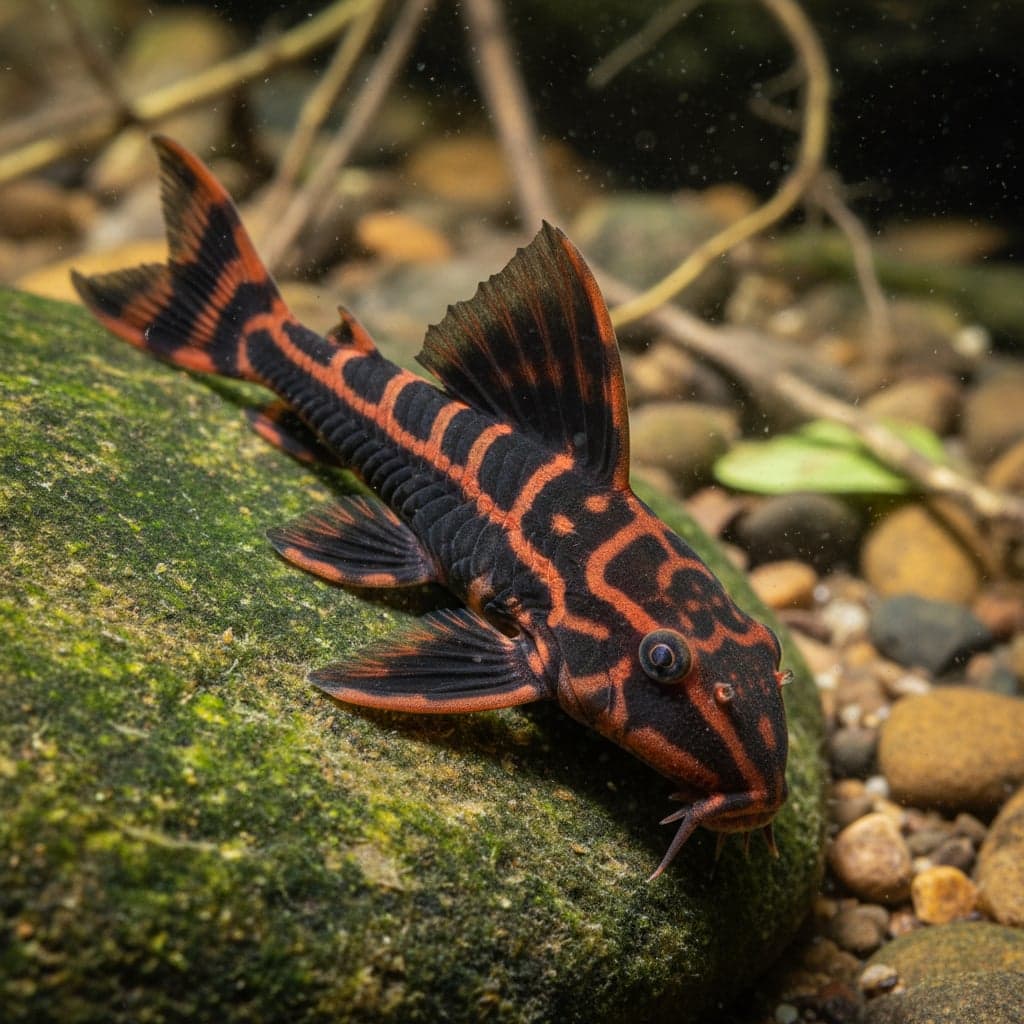
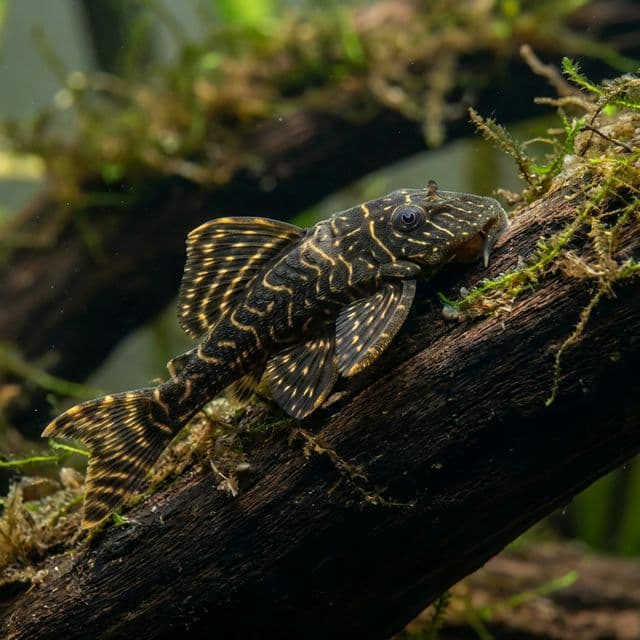
The Iquitos Tiger Plec L226 (Panaqolus changae) is a dwarf and highly ornate species from Peru, unique for its obligate wood-eating diet and bold, high-contrast tiger-like striping.

The Iquitos Tiger Plec L226 (Panaqolus changae) is a highly sought-after dwarf pleco that brings both beauty and a unique biological function to the aquarium. Unlike many plecos that rely on algae, the L226 is an obligate xylivore, meaning it requires wood to survive. It is a visually stunning fish, featuring a light tan-to-golden base color covered in a dense, intricate pattern of dark chocolate-to-black vertical and horizontal stripes that give it its "tiger" namesake. At a maximum size of only 4 inches (10 cm), it is an ideal candidate for smaller Amazonian biotope setups.
In the aquarium, they are peaceful and relatively reclusive, spending much of their time attached to the underside of driftwood. They are industrious eaters, and while they are not active algae cleaners, they play a vital role in processing organic matter and creating a naturalistic environment.
Natural Habitat & Origin
Panaqolus changae is native to the Rio Nanay and Rio Itaya basins in the Iquitos region of Loreto, Peru. They inhabit the slow-moving, tannin-stained tributaries and floodplains of the Amazon. Their environment is defined by an absolute abundance of submerged fallen timber and brushwood, where they reside in large numbers. The water is typically soft and acidic, reflecting the blackwater nature of the Peruvian rainforest.
Care Requirements
The Iquitos Tiger Plec is a rewarding inhabitant but has one non-negotiable requirement: WOOD. A minimum tank size of 20 gallons (75L) is recommended for a single individual or a pair.
Maintain stable parameters: a pH of 6.0 to 7.5 and a temperature of 75°F to 82°F (24°C to 28°C). While hardy once established, they require high levels of dissolved oxygen and excellent filtration. The tank must feature multiple types of natural driftwood (such as Bogwood or Mopani). This wood serves as both their primary food source and their main form of shelter. The substrate should be soft sand to prevent injury to their sensitive undersides. Darker substrates and subdued lighting will help the fish feel more secure and encourage them to be more active during the day.
Diet & Feeding
The diet of the L226 is highly specialized. They have unique spatulate teeth designed specifically for rasping wood.
In captivity, they require:
- Constant access to natural driftwood.
- High-quality specialized wood-based pleco wafers or tablets.
- Fresh vegetables such as zucchini, sweet potato, and blanched cucumber.
- Occasional meaty treats (frozen Bloodworms or Brine Shrimp), though these should be fed sparingly as their primary digestion is geared toward fibrous material.
- Tip: Because they process a lot of wood, they produce significant amounts of "sawdust" (organic waste). Powerful filtration and regular substrate vacuuming are essential.
Behavior & Temperament
They are wonderfully peaceful toward most tank mates. They are reclusive and nocturnal, becoming most active as the lights begin to dim. While they are peaceful with other fish, they can be territorial with other Panaqolus species over the best pieces of driftwood. Providing multiple logs and hiding places will minimize any minor squabbles.
Tank Mates
Suitable tank mates include other peaceful Amazonian species:
- Tetras and Rasboras
- Dwarf Cichlids (Apistogramma or Mikrogeophagus)
- Corydoras catfish
- Other small, non-territorial L-number plecos
Avoid keeping them with large, aggressive fish that might bully them or outcompete them for food.
Breeding
Breeding Panaqolus changae is achievable in the home aquarium. They are cave spawners. The male will select a tight-fitting cave (usually wood-based or ceramic) and entice a female to spawn. After spawning, the male guards the eggs and fry fiercely. Success is often triggered by large water changes with cooler, soft water, mimicking the start of the Amazonian rainy season. The fry are miniatures of the parents and will begin rasping wood almost immediately.
Common Health Issues
The primary health concern is starvation if they are not provided with adequate wood or specialized foods. They are also sensitive to high levels of ammonia and nitrites. Maintaining pristine water quality and ensuring they have a constant supply of high-fiber material is the key to their long-term health and the preservation of their beautiful tiger patterns.