Keyhole Cichlid: Cleithracara maronii
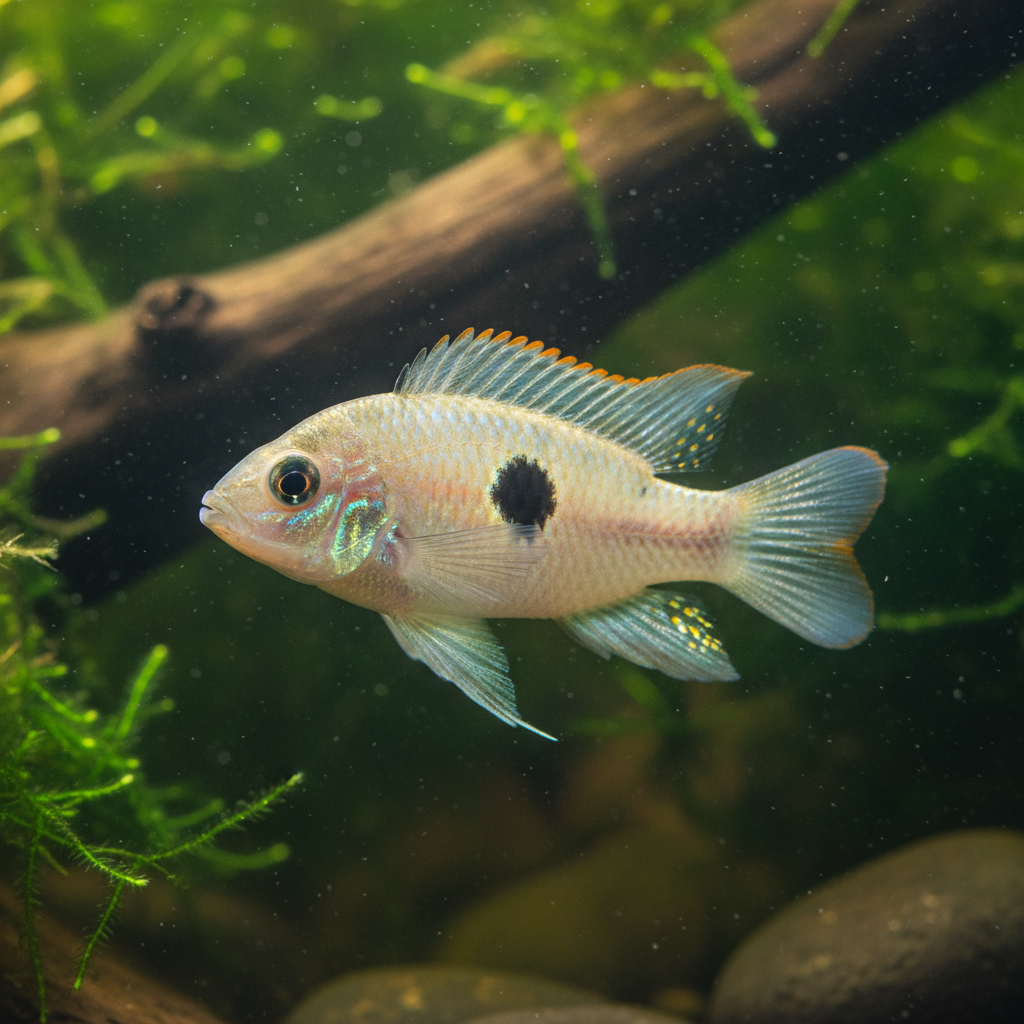
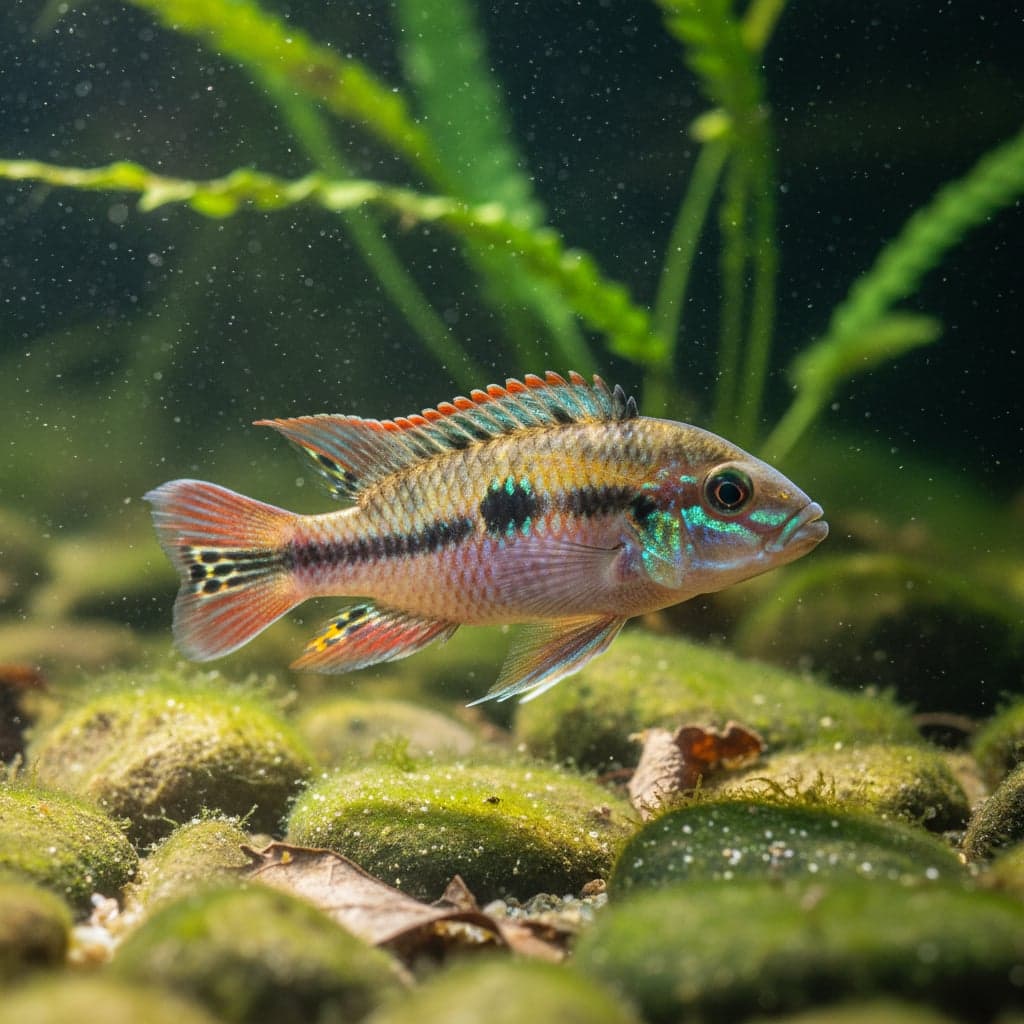
The Keyhole Cichlid (Cleithracara maronii) is a gentle and endearing South American species, famous for its shy personality and the distinctive "keyhole" mark on its golden-brown flank.
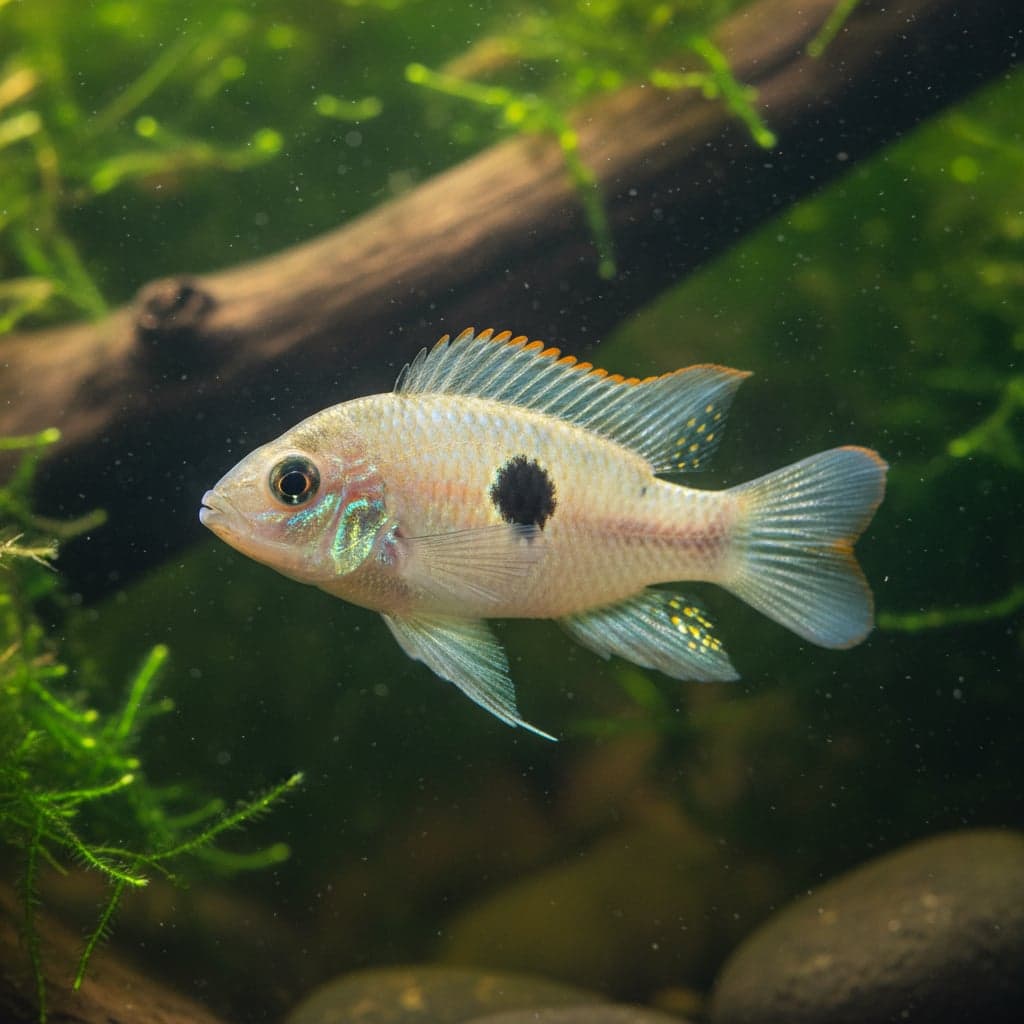
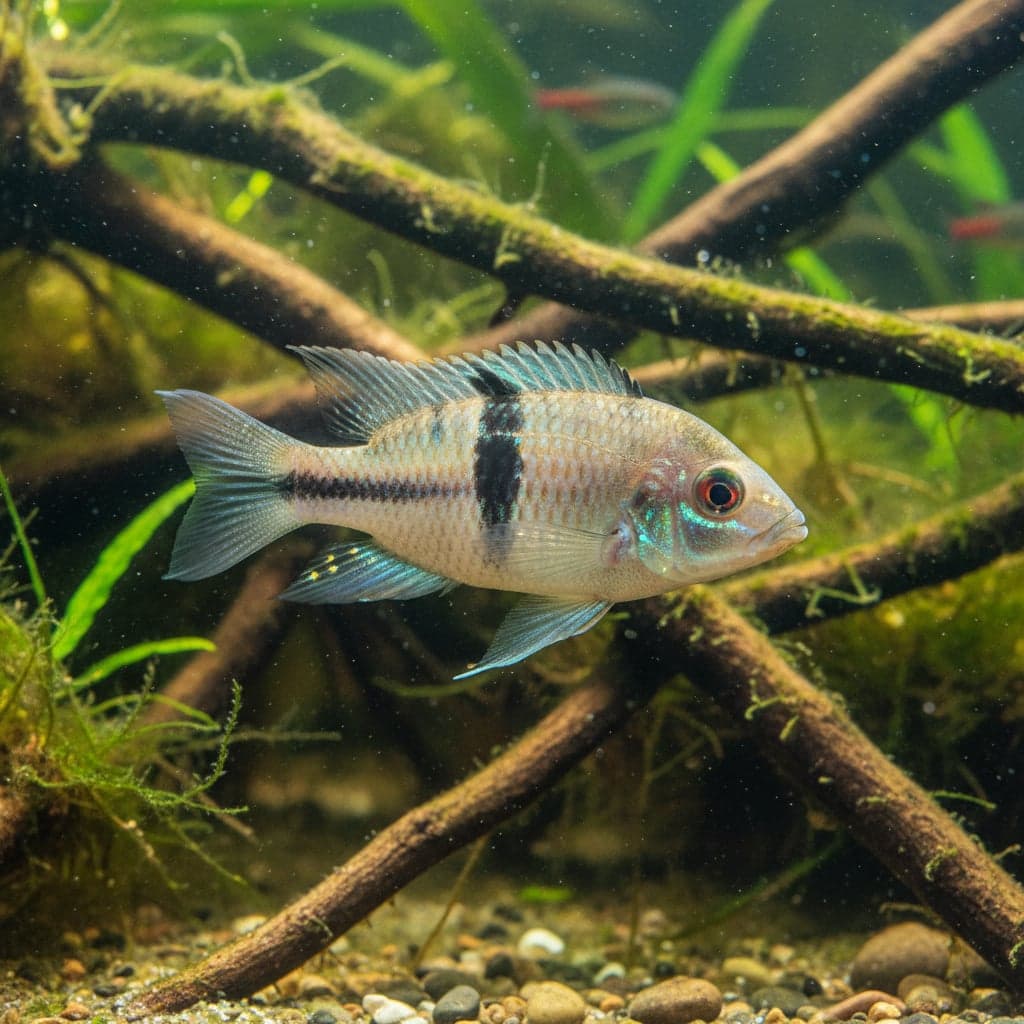
The Keyhole Cichlid (Cleithracara maronii) is the gentle philosopher of the South American cichlid world. While many of its relatives are defined by their aggression and territoriality, the Keyhole is defined by its calm, timid, and remarkably peaceful disposition. It is named for the distinctive pattern on its side: a thick black vertical bar that starts behind the eye and a secondary spot on its flank that often joins with a dorsal bar to form a perfect, antique-style keyhole. Its body is a soft, warm golden-brown with shimmering blue highlights on the edges of its fins. For the aquarist seeking a cichlid that is entirely community-safe and deeply endearing, the Keyhole Cichlid is a perfect choice.
In the aquarium, they are thoughtful and slow-moving. They are notorious for being "shy" and can be easily spooked by fast-swimming or aggressive tank mates. However, once they feel secure in their environment, they become interactive and observant members of the community.
Natural Habitat & Origin
Cleithracara maronii is native to the river basins of Guyana, Suriname, and French Guiana, specifically the Maroni River system. They inhabit the slow-moving, tannin-stained "blackwater" creeks and tributaries of the forest floor. These environments are characterized by soft, slightly acidic water, a substrate of fine leaf litter, and an abundance of submerged roots and fallen timber. They are rarely found in open water, preferring the shaded margins and the security of dense aquatic vegetation.
Care Requirements
The Keyhole Cichlid is a hardy and adaptable species, but its emotional well-being depends on a sense of security. A minimum tank size of 30 gallons (100L) is recommended for a pair.
Maintain stable parameters: a pH of 6.0 to 7.5 and a temperature of 72°F to 82°F (22°C to 28°C). They thrive in soft, clean water with low nitrate levels. The aquarium must be well-planted and feature plenty of "shaded" areas created by driftwood branches, caves, and floating vegetation. If the tank is too bright or too open, the fish will spend their entire lives hiding. A substrate of fine sand or leaf litter is ideal. They are sensitive to loud noises and vibrations, so placing the tank in a quiet area of the home is beneficial.
Diet & Feeding
They are omnivores with a preference for small invertebrates and detritus. In the wild, they sift through the leaf litter for aquatic larvae and small crustaceans.
In captivity, they are not picky eaters:
- High-quality flakes and small sinking pellets should be the staple.
- They relish live or frozen foods: Bloodworms, Daphnia, and Brine Shrimp.
- They will also browse on softened vegetable matter or algae wafers.
- Tip: Because they are slow, methodical feeders, ensure that faster-moving community fish (like barbs or large tetras) do not consume all the food before the Keyholes can get their share.
Behavior & Temperament
They are among the most peaceful cichlids in the hobby. They are entirely safe to keep with small tetras and even larger shrimp. They exhibit a unique "stress response": when frightened or stressed, they can change color almost instantly, turning a dark, mottled grey to blend into the shadows. They should be kept in a pair or a small group. They are excellent parents and, unlike many other cichlids, they rarely become overly aggressive even when guarding eggs, preferring to "stand their ground" rather than attack.
Tank Mates
Suitable tank mates are other peaceful species that share their preference for calm, planted environments:
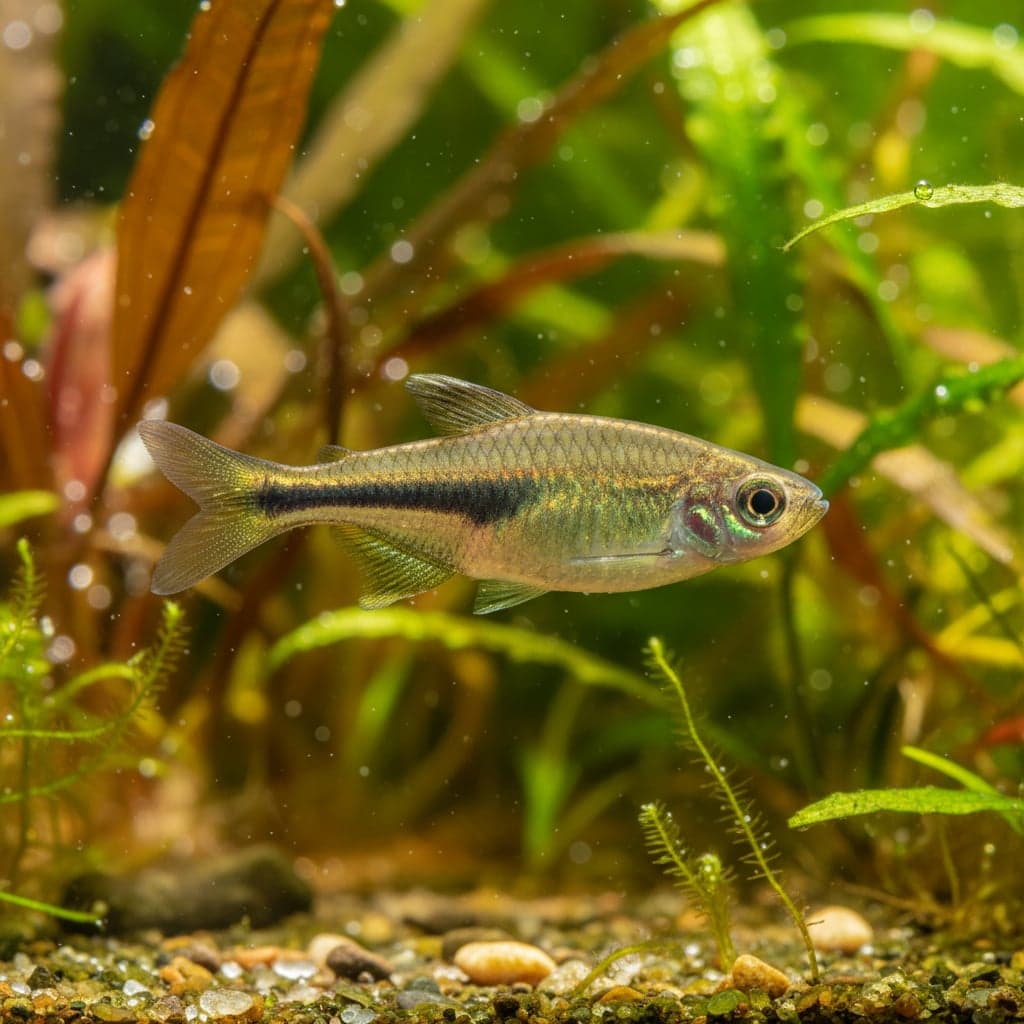
- Small to medium Tetras (Neon, Cardinal, Rummy-nose)
- Corydoras catfish
- Hatchetfish (for the top water)
- Dwarf Cichlids (Apistogramma, Ram Cichlids)
- Peaceful Gouramis
Avoid any aggressive cichlids, fast-moving barbs, or very large fish that might intimidate the Keyhole Cichlids.
Breeding
Breeding Cleithracara maronii is a rewarding experience. They are substrate spawners that form strong pair bonds. The pair will meticulously clean a flat stone or a broad leaf as a spawning site. The eggs (up to 300) are guarded by both parents, who will "fan" them with their fins to ensure oxygen flow. The fry hatch in 3 to 5 days and are guarded by the parents for several weeks. The parents often lead the fry around the tank in a tight "cloud," a fascinating behavior to observe.
Common Health Issues
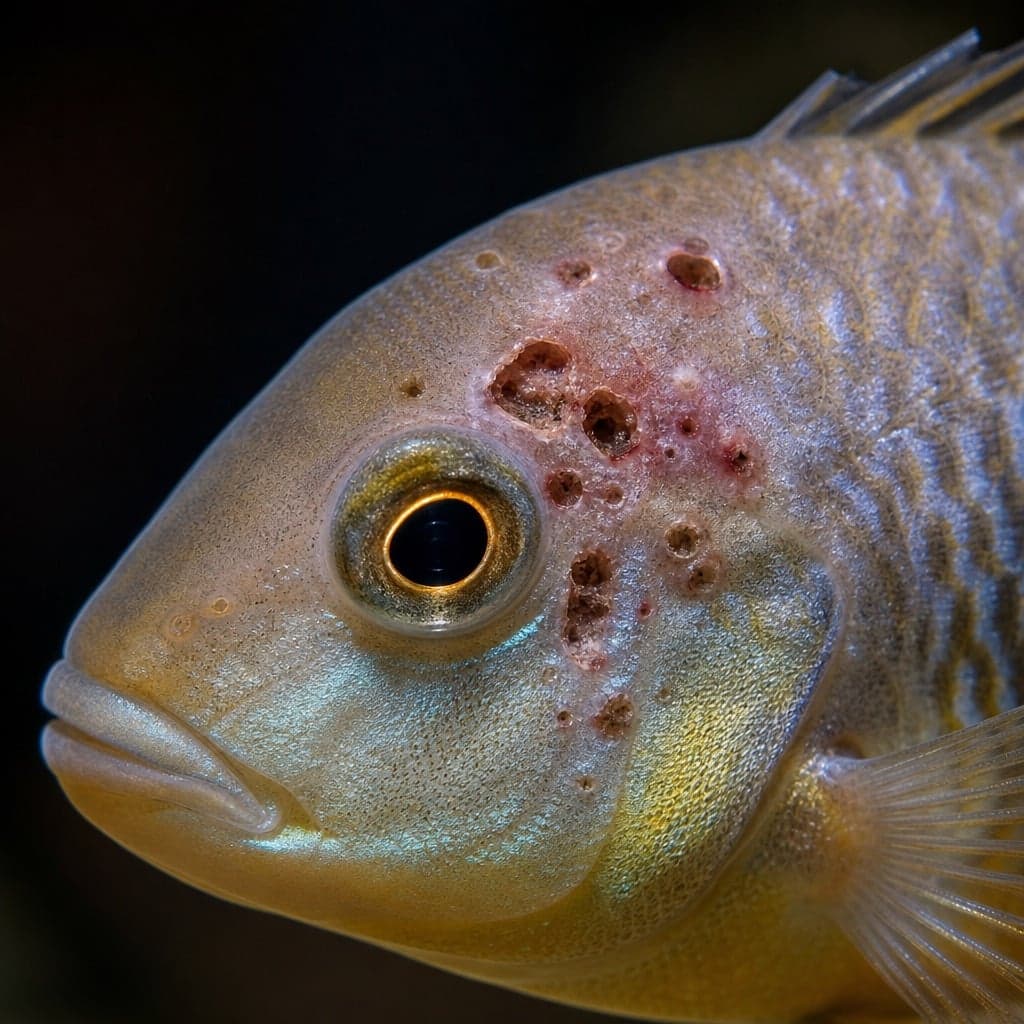
The primary health concern is stress-induced social withdrawal. If they are constantly bullied, they will stop eating and waste away. They are also susceptible to Lateral Line Erosion (Hole-in-the-Head) if water quality is poor or if their diet is lacking in vitamins. Providing a calm, vitamin-enriched diet and maintaining a stress-free, well-planted environment is the best way to ensure their unique "keyhole" personalities remain a highlight of the aquarium.